
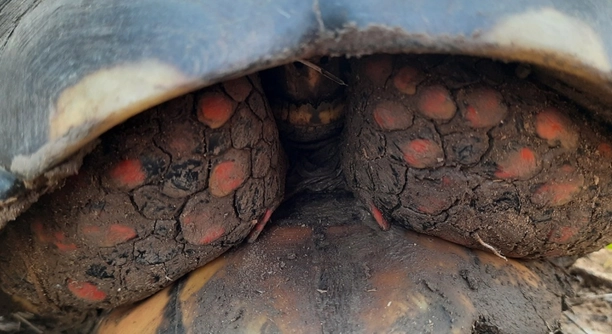
Red-footed tortoises are unique and fascinating creatures that can eat a variety of foods. It’s important to know which fruits and vegetables are safe for them. Kiwi might seem like a healthy choice, but is it suitable for these reptiles?
Red-footed tortoises can eat kiwi in moderation. This fruit is rich in vitamin C and other nutrients, but due to its acidity and high sugar content, it should be offered sparingly to avoid digestive issues.
While kiwi is a nutritious fruit, understanding how to safely introduce it into your tortoise’s diet is essential for their well-being.
Can Red-Footed Tortoises Eat Kiwi Safely?
Red-footed tortoises are known for their varied diet that includes fruits, vegetables, and plants. Kiwi, with its bright green flesh and small seeds, can be an appealing snack for your tortoise. However, it’s essential to offer this fruit in moderation. While kiwi provides valuable nutrients such as vitamin C, it also contains natural sugars and acids that may upset your tortoise’s stomach if given too often. The high sugar content can cause digestive issues, and the acidity might irritate their delicate digestive system. Therefore, introducing kiwi should be done carefully and occasionally.
Kiwi should not be the main part of your tortoise’s diet. Limit it to a few small pieces, once or twice a week, depending on your pet’s health and size.
The key is balance. While kiwi offers health benefits, other fruits like melons and berries can be safer options. Be mindful of the portion size when feeding kiwi and monitor your tortoise’s reaction to new foods. This approach ensures your pet stays healthy and happy.
Nutritional Benefits of Kiwi
Kiwi is packed with essential vitamins and minerals, including vitamin C, vitamin K, and fiber.
This fruit supports your tortoise’s immune system and overall health when consumed in small amounts. It also helps improve digestion and maintain a healthy gut. However, the sugar content can still be a concern if overfed. Therefore, when feeding kiwi to a red-footed tortoise, it’s crucial to pair it with other more suitable fruits and vegetables. These can provide a better balance of nutrients and prevent health issues related to excess sugar intake. Make sure to also offer leafy greens, which are the most important part of their diet, to meet their daily nutritional needs.
How to Safely Feed Kiwi to Your Red-Footed Tortoise
When feeding kiwi, ensure it’s cut into small, manageable pieces to avoid choking hazards. Remove the skin, as it can be difficult for your tortoise to digest.
Offering kiwi in small portions is important. Too much kiwi can overwhelm your tortoise’s digestive system, leading to issues like diarrhea or stomach discomfort. It’s also best to remove any seeds, although they’re typically not harmful, they may be difficult for your tortoise to process. Remember, variety in their diet is key, so kiwi should only be an occasional treat.
A good practice is to pair kiwi with other safe fruits, such as melon or berries. This way, your tortoise can enjoy the variety without overloading on sugar or acidity. Keeping track of how your tortoise responds to kiwi will help ensure they enjoy it safely, without any health problems. If you notice any adverse reactions, it’s wise to stop feeding it and consult your vet.
Potential Risks of Feeding Too Much Kiwi
Kiwi’s high sugar and acidic content can be harmful if given too often.
Feeding your red-footed tortoise too much kiwi can lead to digestive upset, including diarrhea or bloating. In some cases, it may even cause dehydration if the sugar content is too high. These tortoises have sensitive digestive systems, and giving them too much of any fruit, including kiwi, can interfere with their overall well-being. Always offer a balanced diet, with fruits as treats and not as a staple.
If you ever notice changes in your tortoise’s behavior after eating kiwi, such as lethargy or unusual droppings, it’s a sign to reduce or eliminate this fruit from their diet. Regularly monitoring your pet’s health after introducing new foods is essential. If problems persist, seek guidance from a reptile vet.
Alternatives to Kiwi for Your Red-Footed Tortoise
If you’re concerned about kiwi’s sugar content or acidity, there are plenty of other fruits to consider. Melons, like watermelon and cantaloupe, are low in acidity and easier on your tortoise’s digestive system.
Other fruits such as strawberries, blueberries, and papaya can also be good options. These fruits are not only safe but also provide beneficial vitamins and minerals. Like kiwi, they should still be offered in moderation to avoid digestive problems. Always remove seeds from these fruits when possible, as they may be difficult for your tortoise to digest properly.
Best Vegetables for Red-Footed Tortoises
Leafy greens are the most important part of your tortoise’s diet.
Collard greens, dandelion greens, and mustard greens should be staples in their meals. These vegetables are packed with essential nutrients, including calcium and fiber, to support your tortoise’s bone health and digestive system. Mixing in vegetables like bell peppers, carrots, and squash will provide variety and ensure your pet gets a well-rounded diet. While fruits are a tasty treat, veggies should make up the bulk of their meals for optimal health.
Monitoring Your Tortoise’s Health
Watch for signs of trouble after introducing new foods.
If your tortoise is eating something unfamiliar, keep an eye out for any changes in behavior, appetite, or droppings. Healthy tortoises should be active and show no signs of discomfort. If your pet becomes sluggish or develops diarrhea, it might be due to a new food in their diet.
FAQ
Can red-footed tortoises eat kiwi every day?
No, red-footed tortoises should not eat kiwi every day. Kiwi contains natural sugars and acids that, when given in excess, can cause digestive issues or upset their stomach. While kiwi is healthy in small amounts, it should only be offered as an occasional treat—around once or twice a week—rather than a daily food item.
What happens if my red-footed tortoise eats too much kiwi?
If a red-footed tortoise consumes too much kiwi, it could experience digestive issues such as diarrhea, bloating, or stomach discomfort. The high sugar content in kiwi can also disrupt the delicate balance of their digestive system. Offering too much fruit, including kiwi, may even lead to dehydration. It’s important to monitor your tortoise closely after feeding it kiwi or any new food to ensure there are no negative effects.
How much kiwi can I feed my red-footed tortoise?
It’s best to limit kiwi to small portions, about one or two bite-sized pieces, once or twice a week. This allows your tortoise to enjoy the fruit without overwhelming its digestive system. If you notice any discomfort or unusual behavior after feeding kiwi, reduce the amount or stop offering it altogether.
Is kiwi safe for all types of tortoises?
Kiwi is generally safe for most types of tortoises, but the portion size and frequency still matter. Different tortoise species may have varying tolerance levels for fruits like kiwi. For red-footed tortoises, the fruit should be offered occasionally. It’s important to research the specific needs of each tortoise species before introducing new foods.
What fruits can I feed my red-footed tortoise besides kiwi?
There are several safe fruits you can feed your red-footed tortoise besides kiwi. Good alternatives include watermelon, strawberries, papaya, mango, and blueberries. These fruits are lower in acidity and safer for your tortoise to digest. Just like kiwi, these should be offered in moderation to avoid overloading on sugars.
Can red-footed tortoises eat the skin of kiwi?
It’s best not to feed your red-footed tortoise the skin of the kiwi. The skin can be tough and difficult for them to digest, potentially causing discomfort or digestive issues. It’s safer to peel the kiwi before offering it to your tortoise to make it easier on their system.
What vegetables should red-footed tortoises eat regularly?
Red-footed tortoises thrive on a diet rich in leafy greens. They should regularly eat vegetables like collard greens, mustard greens, dandelion greens, and kale. You can also offer vegetables like bell peppers, squash, and carrots for variety. These foods provide the necessary fiber, calcium, and vitamins to support their overall health and well-being.
Are there any fruits or vegetables that red-footed tortoises should avoid?
Yes, there are certain fruits and vegetables that should be avoided. Avoid feeding your red-footed tortoise iceberg lettuce, as it has little nutritional value and can cause diarrhea. Citrus fruits, like oranges and lemons, should also be avoided due to their high acidity, which can upset the stomach. Additionally, avoid feeding them avocado, as it can be toxic to tortoises.
How can I tell if my tortoise is eating too much fruit?
If your red-footed tortoise is eating too much fruit, it may start showing signs of digestive upset, such as diarrhea or bloating. It might also become lethargic or seem disinterested in its usual foods. Keeping an eye on their droppings and activity levels can help you determine if fruit is making up too large of a portion of their diet.
Can I mix kiwi with other fruits for my red-footed tortoise?
Yes, mixing kiwi with other fruits can be fine as long as the portions are small. Variety is important, but be cautious not to overfeed sugary fruits. A mix of fruits like melon, berries, and kiwi can provide your tortoise with different nutrients, but it’s best to limit them to occasional treats. Ensure leafy greens are still the majority of their diet.
What should I do if my tortoise gets sick after eating kiwi?
If your tortoise shows signs of illness after eating kiwi, like vomiting, diarrhea, or lethargy, remove kiwi from its diet and consult a vet. It’s important to monitor your tortoise’s health and seek professional advice to avoid further complications. The vet can provide recommendations on food choices and help address any underlying issues.
Final Thoughts
Feeding red-footed tortoises a balanced diet is essential for their health. While fruits like kiwi can offer a nutritious boost, they should only be given in moderation. Kiwi contains vitamins and minerals that can benefit your tortoise, but its high sugar and acidity levels mean it’s not a food that should be fed regularly. Overconsumption can lead to digestive problems, so limiting kiwi to occasional small portions is key. Always watch how your tortoise responds after trying new foods and adjust their diet accordingly.
The best approach for feeding your red-footed tortoise is variety. Leafy greens should make up the bulk of their meals, with occasional fruits like kiwi, melons, and berries as treats. It’s also important to provide a range of vegetables to ensure they’re getting a well-rounded diet. Offering different types of foods helps keep things interesting for your tortoise and ensures they receive the necessary nutrients for good health. As with all pet care, balance is vital when it comes to what they eat.
In the end, understanding what’s safe and healthy for your red-footed tortoise will lead to a longer, happier life for your pet. Always be mindful of the foods you offer and the portion sizes to avoid overfeeding. Kiwi can be a tasty treat, but it’s just one piece of the puzzle in providing your tortoise with the best diet. If you ever have concerns or notice any signs of discomfort after feeding certain foods, consult a vet for guidance.

Hello,
If you enjoy the content that we create, please consider saying a "Thank You!" by leaving a tip.
Every little bit helps us continue crafting quality advice that supports the health, happiness, and well-being of pets around the world, for pets of all shapes, sizes, and species.
We really appreciate the kindness and support that you show us!