
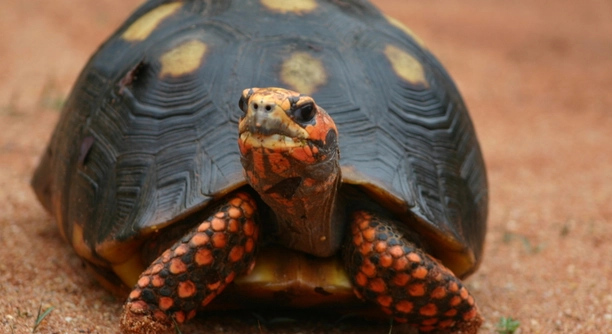
Red-footed tortoises are popular pets due to their gentle nature and unique appearance. As with any pet, it’s important to understand what foods are safe and beneficial for them. One common question among tortoise owners is whether grapes are a suitable treat.
Red-footed tortoises can eat grapes in moderation, but they should not be a staple of their diet. Grapes contain high amounts of sugar, which can lead to digestive issues and obesity if fed too frequently.
A balanced diet is key to keeping your red-footed tortoise healthy. Learn what fruits, vegetables, and other foods should make up their diet, as well as how to safely introduce treats like grapes into their meals.
Why Grapes Should Be Fed in Moderation
Grapes are a sweet treat that many tortoises seem to enjoy. However, due to their high sugar content, grapes should not be given in large quantities. Regularly feeding them grapes can lead to unhealthy weight gain or even more serious digestive issues. While grapes offer some nutritional benefits like antioxidants and vitamins, they are not ideal as a daily food source for red-footed tortoises. Moderation is essential when incorporating fruits into their diet. If fed too often, grapes can upset their digestive system and may contribute to problems like diarrhea.
To maintain their health, it’s best to offer grapes as an occasional snack, no more than once or twice a week. Variety is crucial in a red-footed tortoise’s diet, so focus on providing a mix of leafy greens, vegetables, and occasional fruits like apples or berries. This ensures that they receive the vitamins and minerals necessary to thrive.
Overfeeding grapes, or any sugary fruit, can alter your tortoise’s overall well-being. A balanced diet with a variety of appropriate foods is the key to a long, healthy life for your pet.
Potential Risks of Feeding Grapes
Feeding too many grapes can lead to serious health problems. Too much sugar can cause obesity, and digestive problems can arise if the tortoise’s body cannot handle the excess sugar.
Sugar-rich foods like grapes may also disrupt the tortoise’s gut bacteria balance, making digestion harder. Too much sugar can create an environment where harmful bacteria thrive. This can lead to issues like bloating, discomfort, or other gastrointestinal problems. It is important to always monitor your tortoise after offering them grapes and make adjustments if necessary.
Nutritional Value of Grapes
Grapes do offer some benefits when fed to tortoises. They contain vitamins such as vitamin C, which supports the immune system, and antioxidants that help fight free radicals. However, they also contain a high level of sugar, which can be problematic if given too frequently.
Grapes are also high in water content, which can aid in hydration. This can be helpful during warmer months when your tortoise might be more prone to dehydration. While they do have some nutritional value, it’s important to remember that grapes are not a substitute for more nutritious, fiber-rich foods like leafy greens or vegetables. The sugar content can outweigh any other benefits, which is why moderation is so important.
When considering grapes, think of them more as a treat than a part of the regular diet. Offering them once or twice a week is enough to enjoy their benefits without risking the negative effects of excess sugar.
Best Alternatives to Grapes
Instead of grapes, try offering other fruits and vegetables that are better suited for a red-footed tortoise’s health. Foods like leafy greens, such as dandelion greens or collard greens, are rich in fiber and nutrients without the high sugar content.
You can also offer fruits like papaya, mango, or berries in moderation. These options provide vitamins and hydration without overwhelming your tortoise’s system with sugar. Vegetables like squash, bell peppers, and carrots are also great choices for variety and balance. Red-footed tortoises can enjoy a range of different foods, so you don’t need to rely on grapes.
Providing a balanced mix of leafy greens, fruits, and vegetables will ensure that your red-footed tortoise stays healthy and receives all the nutrients it needs.
How to Safely Introduce Grapes
When introducing grapes to your red-footed tortoise, always start with a small portion to see how they react. This helps ensure they don’t experience any immediate digestive discomfort. It’s best to cut grapes into small pieces to prevent choking.
After offering grapes, observe your tortoise closely. If they show any signs of diarrhea or discomfort, reduce the amount or eliminate them from their diet. It’s also helpful to introduce new foods gradually, allowing your tortoise’s digestive system to adjust.
By monitoring how your tortoise reacts, you can decide whether grapes are a suitable treat or if they should be avoided entirely.
Hydration Needs
It’s essential to ensure your red-footed tortoise stays well-hydrated. Grapes can contribute to hydration, but they should never be relied on as the primary source of water.
Make sure fresh water is always available in their habitat. Regular baths can also help keep your tortoise hydrated, especially if they’re not drinking enough on their own.
Importance of Variety in Diet
Feeding your tortoise a variety of foods is essential to their health. A well-rounded diet ensures that they receive a broad spectrum of nutrients. Too much of any one food, including grapes, can upset their balance.
Mixing fruits, vegetables, and leafy greens provides the proper nutrients for your tortoise’s growth and longevity. Be sure to offer foods with different textures and colors for a more enriching diet. This variety also encourages natural foraging behaviors, which can improve their overall well-being.
FAQ
Can red-footed tortoises eat grapes every day?
No, red-footed tortoises should not eat grapes every day. Grapes are high in sugar, which can cause obesity and digestive issues if given too frequently. They should be offered sparingly, as an occasional treat, rather than a regular part of their diet. Aim for once or twice a week, and always ensure variety in their food to maintain proper nutrition.
What fruits are safe for red-footed tortoises?
Some fruits that are safe for red-footed tortoises include papaya, mango, berries, and small pieces of melon. These fruits provide vitamins, hydration, and variety in their diet. However, fruits should still be offered in moderation due to their sugar content. Always remove any seeds or pits from fruits to prevent choking hazards.
Are there fruits I should avoid feeding my red-footed tortoise?
Yes, some fruits should be avoided for red-footed tortoises. Citrus fruits, like oranges and lemons, are too acidic and may cause digestive upset. Additionally, fruits like avocados can be toxic to tortoises. It’s essential to avoid any fruit with seeds or pits, as these can be dangerous. Always check which fruits are safe before offering them.
Can red-footed tortoises eat dried fruit?
Dried fruits are not recommended for red-footed tortoises. The drying process removes most of the water content, and the high sugar concentration in dried fruits can cause health problems. Fresh fruit is always a better option, as it offers hydration and the nutrients needed for a balanced diet.
How much fruit should I feed my red-footed tortoise?
Fruit should only make up about 10-15% of a red-footed tortoise’s diet. The majority of their food should be leafy greens, vegetables, and some flowers. Overfeeding fruit can lead to excessive sugar intake, which is not healthy for your tortoise in the long run. Always provide a balance and avoid overdoing it with fruit.
Can red-footed tortoises eat grapes with the skin on?
Yes, red-footed tortoises can eat grapes with the skin on. The skin is not harmful, but it can sometimes be difficult for them to digest if the grapes are too large. Cutting the grapes into smaller pieces makes it easier for them to consume and reduces the risk of choking. Always ensure the grapes are fresh and washed to remove any pesticides.
How can I tell if my red-footed tortoise is overeating grapes?
Signs of overeating grapes may include diarrhea, lethargy, or weight gain. If your tortoise is having trouble with digestion, it’s a sign that the sugar content from the grapes may be too much. You should reduce their intake of grapes and offer more fiber-rich foods like leafy greens. Regular observation of their behavior and waste will help you identify any signs of discomfort.
Is it okay for red-footed tortoises to eat grapes with seeds?
No, it’s best to remove seeds from grapes before feeding them to your red-footed tortoise. Grape seeds can pose a choking hazard and may be difficult for them to digest. Always slice the grapes into small pieces, and remove any seeds or pits to ensure your tortoise can safely enjoy the fruit.
Are grapes toxic to red-footed tortoises?
No, grapes are not toxic to red-footed tortoises. However, due to their high sugar content, they should be fed in moderation. Too much sugar can lead to health problems such as obesity, digestive issues, and potential long-term harm to their organs. Stick to small portions and offer them occasionally to avoid these issues.
Can I feed red-footed tortoises grapes if they’re in the wild?
If you encounter a wild red-footed tortoise, it’s best not to feed them grapes or any human-provided food. Wild tortoises have adapted to a natural diet consisting of plants, fruits, and other natural resources in their habitat. Feeding them anything foreign may disrupt their digestion or interfere with their natural behavior.
What’s the best way to store grapes for my tortoise?
Store grapes in the refrigerator to keep them fresh. Grapes can spoil quickly at room temperature, and refrigeration helps prolong their shelf life. Before feeding them to your tortoise, make sure they are washed thoroughly to remove any chemicals or pesticides. Always check for any signs of mold or spoilage before offering them to your tortoise.
How do I prevent my red-footed tortoise from getting too much sugar?
To prevent your tortoise from getting too much sugar, focus on offering low-sugar, high-fiber foods like leafy greens, flowers, and vegetables. Reserve fruits like grapes for occasional treats, and provide a balanced mix of foods to ensure proper nutrition. Keep an eye on their weight and overall health to avoid overfeeding high-sugar foods.
Can I feed my red-footed tortoise grapes with other fruits?
Yes, you can feed grapes with other fruits, but only in moderation. Combining grapes with fruits like strawberries, papaya, or berries is a great way to provide variety and different nutrients. Just make sure the overall portion size of fruit stays within the recommended 10-15% of their total diet to avoid overfeeding sugar-rich foods.
Final Thoughts
Red-footed tortoises can enjoy grapes as an occasional treat, but they should not be a regular part of their diet. While grapes provide some beneficial vitamins and antioxidants, their high sugar content makes them unsuitable for daily feeding. Overfeeding grapes can lead to health problems such as digestive issues and obesity. Moderation is key when offering grapes or any other sweet fruit. A balanced diet with a variety of vegetables, leafy greens, and occasional fruits is the best way to ensure your tortoise remains healthy and happy.
When offering grapes to your red-footed tortoise, remember to remove any seeds and cut the grapes into small, manageable pieces. This helps prevent choking and makes it easier for your tortoise to enjoy the treat without any issues. It’s important to monitor how your tortoise responds after eating grapes. If they show any signs of digestive upset or discomfort, reduce or eliminate grapes from their diet. Every tortoise is different, and their tolerance to certain foods may vary. Keep an eye on their behavior and waste to spot any changes that might signal digestive problems.
In the end, a red-footed tortoise’s diet should be diverse and focused on providing the proper nutrients needed for a long, healthy life. While fruits like grapes are enjoyable and offer some benefits, they should only be a small part of the overall diet. A combination of leafy greens, vegetables, and safe fruits, along with plenty of water, will ensure your tortoise thrives. By offering a well-rounded diet and understanding the role of treats like grapes, you can help your red-footed tortoise live a happy, healthy life.

Hello,
If you enjoy the content that we create, please consider saying a "Thank You!" by leaving a tip.
Every little bit helps us continue crafting quality advice that supports the health, happiness, and well-being of pets around the world, for pets of all shapes, sizes, and species.
We really appreciate the kindness and support that you show us!