
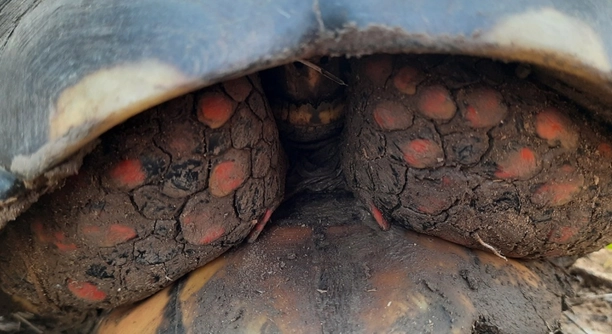
Red-footed tortoises are known for their varied diet, but there is often confusion about which fruits are safe for them. Dates are a popular fruit, but it’s important to understand their nutritional content and whether they suit a tortoise’s diet.
Red-footed tortoises can eat dates in moderation, but due to their high sugar content, they should not be a regular part of the diet. Excessive sugar can lead to health issues such as obesity and digestive problems.
Maintaining a balanced diet for your tortoise is essential for its overall health. Knowing which fruits are appropriate will help avoid potential health risks.
What Makes Dates Too Sugary for Red-Footed Tortoises?
Dates are often considered a healthy snack for humans, but when it comes to red-footed tortoises, the sugar content can pose risks. Dates are rich in natural sugars, specifically fructose, which can lead to weight gain and other health issues when consumed frequently. While these sugars are not harmful in small quantities, overfeeding can cause problems such as obesity and impaired digestion. Tortoises, in general, thrive on a low-sugar diet that focuses on high-fiber foods like grasses, leaves, and flowers. Excessive sugar can also lead to more serious health complications over time, including metabolic disorders. Therefore, dates should only be offered as an occasional treat, not a regular part of the diet.
Moderation is key when offering fruits to red-footed tortoises. It’s important to be cautious with foods that are high in sugar, such as dates.
Offering too many sugary treats to your tortoise can disrupt its digestive system. It can also encourage a preference for sweet foods over the necessary leafy greens. Red-footed tortoises require a diet rich in fiber to stay healthy.
The Best Fruits for Red-Footed Tortoises
Red-footed tortoises enjoy a variety of fruits, but some are much better suited to their diet than others. Safe fruits include papaya, mango, and strawberries, which offer essential vitamins and nutrients. These fruits are lower in sugar compared to dates and can be offered more frequently. However, even these should be given in moderation to maintain a balanced diet.
Offering fruits like papaya and mango helps support a red-footed tortoise’s immune system. These fruits are high in vitamins A and C, which are important for their overall health. Red-footed tortoises also benefit from the fiber found in these fruits, promoting healthy digestion.
While fruit can be an occasional treat, it should not replace the essential leafy greens that form the bulk of their diet. Dark leafy greens like collard greens, dandelion greens, and kale are packed with nutrients. These foods provide necessary fiber and help keep their digestive system functioning properly.
How Often to Offer Treats Like Dates
It’s important to limit how often you offer sweet treats, including dates, to your red-footed tortoise. Treats should be reserved for special occasions, and they should never make up a large portion of the diet. Offering dates too frequently can lead to weight gain and digestive problems.
When offering treats, make sure they are balanced with their usual diet. Dates can be given occasionally, but they should not exceed more than 5-10% of their total food intake. Mixing them with other, less sugary fruits can help create a healthier treat option.
Signs of Overfeeding Sugar to Your Tortoise
Overfeeding sugary treats like dates can lead to noticeable signs of weight gain. You may notice your red-footed tortoise becoming less active, showing difficulty moving around, or gaining an excessive amount of weight. If the sugar intake is too high, digestion can also be affected.
Too much sugar can lead to changes in behavior, including lethargy. Red-footed tortoises are naturally active animals, so if they start to slow down, it could be a sign of overfeeding. This can affect their overall quality of life and their ability to perform normal activities.
The Right Way to Feed Fruits and Treats
When you offer fruits like dates or other treats, make sure they are cut into small, manageable pieces. This helps your tortoise eat without overindulging. Fresh fruits should always be washed thoroughly before serving to remove any pesticides or chemicals.
Be sure to rotate the fruits you offer to avoid giving the same ones repeatedly. This ensures your tortoise gets a variety of nutrients while avoiding any one type of food becoming too dominant in their diet.
FAQ
Can red-footed tortoises eat other dried fruits?
Dried fruits are generally not recommended for red-footed tortoises. While they are more concentrated in sugar compared to fresh fruits, they also lack the moisture content that fresh fruits provide. Dried fruits can lead to dehydration, and their high sugar content can cause health issues like obesity. If you decide to offer dried fruits occasionally, make sure they are given in very small amounts and are not a regular part of their diet.
Are there any other fruits to avoid besides dates?
Yes, some fruits should be avoided due to their high sugar content or potential for causing digestive problems. For example, bananas, grapes, and figs are all high in sugar and should only be offered sparingly. Additionally, fruits with high acidity, like citrus fruits, can upset a tortoise’s stomach and should be avoided. Stick to low-sugar fruits like papaya, strawberries, and melons for a safer option.
Can tortoises eat fruit seeds?
In moderation, red-footed tortoises can eat some fruit seeds, but it is best to remove large or hard seeds. Certain seeds, like those from apples, can contain cyanide compounds, which are harmful to tortoises in large amounts. Small seeds found in melons or strawberries are generally safe but should still be offered carefully.
How do I know if my tortoise is getting enough water?
Hydration is crucial for red-footed tortoises, especially when feeding fruits that contain water. Make sure your tortoise has constant access to fresh, clean water. If you notice your tortoise is becoming lethargic or showing signs of dehydration, such as sunken eyes or dry skin, it may not be drinking enough. Regularly soaking your tortoise in shallow, lukewarm water for 15 to 20 minutes can also help encourage hydration.
Can I feed my red-footed tortoise vegetables instead of fruit?
Yes, vegetables should be the main focus of a red-footed tortoise’s diet. Leafy greens, such as collard greens, dandelion greens, and kale, are excellent options. You can also offer a variety of other vegetables like squash, zucchini, and bell peppers. These foods are packed with the nutrients tortoises need without the high sugar content of fruits. Aim to provide a well-balanced mix of greens, vegetables, and occasional fruits.
What is the best way to store fruits and vegetables for my tortoise?
Store fruits and vegetables in the refrigerator to maintain freshness, especially if they are pre-cut. Always wash them thoroughly before offering them to your tortoise to remove any chemicals or pesticides. If you’re offering leafy greens, ensure they are dry before serving to prevent mold growth. Fresh food should be used within a few days to ensure its nutritional value.
Can I give my red-footed tortoise store-bought salad mixes?
Store-bought salad mixes can be convenient, but they may not provide the proper nutrition for a red-footed tortoise. Many pre-packaged salad mixes contain lettuce varieties that lack nutrients, such as iceberg lettuce. It’s better to choose nutrient-dense greens like collard greens, mustard greens, or dandelion greens. If using pre-packaged mixes, always check the ingredients to ensure they are safe for your tortoise.
Are flowers a good food option for red-footed tortoises?
Yes, many flowers are safe for red-footed tortoises and can be a delightful addition to their diet. Safe flowers include hibiscus, dandelions, and clover. These flowers offer a variety of vitamins and minerals. However, you should always ensure the flowers have not been treated with pesticides or chemicals before offering them to your tortoise. You can also grow tortoise-friendly flowers in your garden for easy access.
Can I feed my tortoise human food like cooked rice or pasta?
Human food, including cooked rice or pasta, is not suitable for red-footed tortoises. These foods are high in carbohydrates and low in the essential nutrients tortoises need for a healthy diet. Feeding them such foods can lead to nutritional deficiencies and digestive problems. Stick to foods that mimic their natural diet, such as leafy greens, fruits, and vegetables.
How can I help my red-footed tortoise maintain a healthy weight?
To help your red-footed tortoise maintain a healthy weight, focus on a balanced diet with a variety of low-sugar fruits, leafy greens, and vegetables. Avoid high-calorie treats and keep portion sizes in check. Additionally, ensure your tortoise has enough space to move around and exercise, as this promotes a healthy metabolism and helps prevent obesity.
Are red-footed tortoises picky eaters?
Red-footed tortoises are generally not very picky eaters. They have a varied diet in the wild, consisting of fruits, flowers, and leafy plants. However, they can develop preferences for certain types of food over others. If you notice your tortoise refusing certain foods, try offering a variety of options, and make sure the food is fresh and clean.
Can I feed my tortoise food from my garden?
Food from your garden can be a great option for your tortoise, as long as it is free from pesticides or chemicals. You can grow safe plants like dandelions, clover, and hibiscus to provide a natural food source for your tortoise. Always double-check that the plants in your garden are safe for consumption before feeding them to your tortoise.
How do I know if my tortoise is healthy?
A healthy red-footed tortoise should have clear eyes, a smooth shell, and be active. It should also have a strong appetite and show interest in food. Any signs of lethargy, loss of appetite, or changes in behavior can indicate health issues. Regular vet check-ups are essential for keeping track of your tortoise’s well-being.
Final Thoughts
Red-footed tortoises are fascinating creatures with unique dietary needs. While they enjoy fruits like dates, they should only be offered in moderation due to the high sugar content. Overfeeding sugary foods can lead to health problems such as obesity and digestive issues, which can affect the tortoise’s overall well-being. It’s essential to focus on a balanced diet that includes a variety of vegetables, leafy greens, and occasional fruits that are low in sugar. This approach ensures your tortoise receives the nutrients it needs without putting its health at risk.
The key to maintaining a healthy red-footed tortoise is moderation and variety. It’s best to provide a mix of foods that reflect their natural diet, such as leafy greens, flowers, and fruits that are low in sugar. Offering them fresh, high-quality food while avoiding processed or sugary treats is crucial for their health. Regularly checking for signs of overfeeding or dehydration can help you maintain a proper feeding routine. A healthy tortoise should be active, alert, and have a clear appetite, which are signs that their diet is meeting their needs.
Incorporating fruits like dates into your tortoise’s diet can be a fun treat, but it’s essential to monitor their intake carefully. Alongside offering appropriate foods, ensure they have access to fresh water and a clean living environment. Following these basic guidelines can help ensure your red-footed tortoise thrives in a healthy, comfortable environment. By paying attention to their diet and overall care, you will provide them with the best possible chance for a long, healthy life.

Hello,
If you enjoy the content that we create, please consider saying a "Thank You!" by leaving a tip.
Every little bit helps us continue crafting quality advice that supports the health, happiness, and well-being of pets around the world, for pets of all shapes, sizes, and species.
We really appreciate the kindness and support that you show us!