
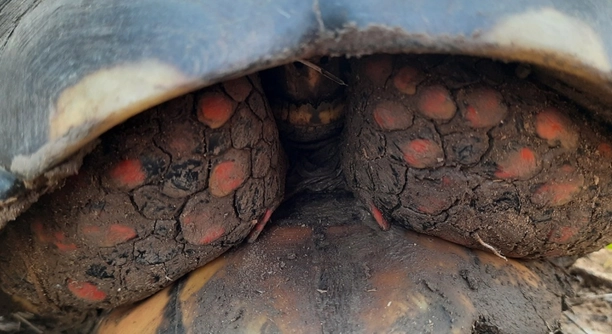
Do you ever find yourself wondering if red-footed tortoises can enjoy cherries as a tasty treat? Understanding what foods are safe for them is essential to keeping them healthy. Their diet should be balanced and carefully considered to meet their nutritional needs.
Red-footed tortoises can eat cherries, but only in moderation. Cherries contain natural sugars, which can be harmful in large amounts. Additionally, the pits and stems should always be removed, as they contain compounds that can be toxic to tortoises.
While cherries can be an occasional treat, there are important factors to consider before adding them to your tortoise’s diet. From sugar content to potential choking hazards, knowing the risks and benefits will help you make the best choice.
Nutritional Value of Cherries for Red-Footed Tortoises
Cherries contain vitamins and minerals that can benefit red-footed tortoises in small amounts. They provide vitamin C, which supports the immune system, and fiber, which aids digestion. The natural sugars in cherries can provide energy, but too much can lead to health problems. These tortoises need a diet mainly consisting of leafy greens, vegetables, and some fruits. Since cherries are high in sugar, they should only be an occasional treat rather than a regular part of their diet. Offering cherries once in a while can add variety, but they should never replace staple foods. Always wash them thoroughly to remove pesticides or chemicals. While cherries can be enjoyed, they are not a necessary food for red-footed tortoises. A diet focused on nutritious greens will keep them healthy in the long run. Balancing their food intake is key to maintaining their overall well-being.
Cherries should always be fed in moderation. Their high sugar content can cause digestive issues if given too frequently. Removing pits and stems is necessary since they contain harmful compounds. Small, bite-sized pieces make it easier for tortoises to eat without choking. Proper preparation ensures a safe treat.
Too much fruit can disrupt a tortoise’s digestive system, leading to bloating or diarrhea. Cherries should never replace their primary food sources. Offering a mix of approved fruits and vegetables ensures they receive the right balance of nutrients. Including a variety of fresh greens will help keep their diet well-rounded.
Potential Risks of Feeding Cherries
Cherries contain pits that should never be fed to tortoises. These pits have cyanogenic compounds, which can be harmful when ingested. Even a small amount can pose a risk, so it’s best to remove them entirely before offering cherries to your tortoise.
Feeding too many cherries can lead to weight gain and other health issues. Red-footed tortoises naturally eat low-sugar foods, and their bodies are not designed to handle excessive amounts of fruit. Too much sugar can disrupt their gut bacteria, leading to digestive discomfort. It may also cause them to prefer sugary foods over more nutritious options. Cherries should be given occasionally, not as a daily food. If you notice any changes in their stool or eating habits after feeding cherries, it’s best to stop offering them. Sticking to a diet primarily made up of dark leafy greens, vegetables, and a small portion of fruit is ideal.
How to Safely Feed Cherries to Red-Footed Tortoises
Cherries should always be washed thoroughly before feeding. Pesticides and chemicals on the skin can be harmful. Remove the pits and stems completely, as they contain toxic compounds. Cut the cherries into small pieces to make them easier for your tortoise to eat without choking.
Feeding cherries in moderation is important. Too much sugar can lead to digestive issues and obesity over time. Offer cherries as an occasional treat, no more than once or twice a month. Mixing cherries with other fruits and vegetables can help maintain a balanced diet. Leafy greens, such as dandelion greens and collard greens, should always be the main focus of their diet. A small piece of cherry alongside other nutritious foods can add variety without causing harm. Always observe how your tortoise reacts after eating cherries and adjust their diet if needed.
Introducing new foods slowly is the best approach. If your tortoise has never eaten cherries before, start with a tiny piece and monitor their response. Some tortoises may not show interest, while others may enjoy the taste. If there are no signs of digestive issues, you can continue offering small amounts occasionally. Keeping their diet diverse with safe and nutritious options will support their long-term health.
Alternative Fruits for Red-Footed Tortoises
Other fruits can provide variety while keeping sugar intake in check. Blueberries, raspberries, and strawberries are safer options because they contain less sugar. Papaya and mango also offer beneficial nutrients but should be given in small amounts. Always remove any seeds or pits before feeding to prevent health risks.
Fruits should make up only a small portion of a red-footed tortoise’s diet. Their primary food source should always be leafy greens and vegetables. Some safe options include carrots, squash, and bell peppers. While fruit can be an enjoyable treat, it should never replace their essential daily nutrients. A mix of approved foods ensures proper digestion and overall well-being.
If you want to add variety to your tortoise’s diet, consider rotating different fruits instead of offering the same one repeatedly. This prevents them from developing a preference for sugary foods and ensures they receive a range of vitamins and minerals. A balanced diet will keep them active, healthy, and thriving.
How Often Can Red-Footed Tortoises Eat Cherries?
Cherries should only be given as an occasional treat. Feeding them once or twice a month is enough to provide variety without causing health issues. A diet high in sugar can lead to obesity and digestive problems, so portion control is important.
Observing your tortoise after feeding cherries is essential. If they show any signs of diarrhea or discomfort, it’s best to reduce or eliminate cherries from their diet. Each tortoise reacts differently, so monitoring their response ensures they stay healthy and happy.
Signs of an Unbalanced Diet in Red-Footed Tortoises
An unhealthy diet can lead to sluggish behavior, irregular bowel movements, or shell deformities. Too much fruit can upset their digestive system, while a lack of calcium may cause soft shells. A well-balanced diet should include leafy greens, vegetables, and limited fruit to support their health.
Final Thoughts
Providing a variety of safe foods helps maintain a tortoise’s well-being. While cherries can be a fun treat, they should never be a regular part of their diet. Keeping their meals balanced ensures they receive the nutrients they need to stay active and healthy.
FAQ
Can red-footed tortoises eat other types of fruit?
Yes, red-footed tortoises can eat other types of fruit, but they should only be offered in moderation. Safe options include strawberries, blueberries, bananas, mangoes, and papayas. These fruits provide essential nutrients like vitamins and fiber, but they also contain sugar, so portion control is key. Always remove seeds, pits, and stems to avoid toxic compounds. Offering a variety of fruits occasionally alongside leafy greens and vegetables helps maintain a balanced diet. Too much fruit can upset their digestion and cause health issues, so use it as an occasional treat.
Are cherries safe for baby red-footed tortoises?
Cherries are not recommended for baby red-footed tortoises. Their digestive systems are more sensitive, and high-sugar fruits like cherries can be too much for them. Stick to foods that are easier for them to digest, such as tender leafy greens and small vegetables. Introducing fruit should be done sparingly once they reach adulthood. For baby tortoises, focus on their nutritional needs with foods that support proper growth and development.
What are the best foods for red-footed tortoises?
The best foods for red-footed tortoises are leafy greens like dandelion greens, collard greens, mustard greens, and romaine lettuce. You can also offer a variety of vegetables such as squash, carrots, bell peppers, and cucumber. In addition, some safe fruits like berries, mango, and papaya can be added occasionally. Make sure to provide calcium-rich foods like kale and other dark leafy greens, as calcium is important for their shell health. A balanced diet with plenty of fiber and low sugar is key to keeping your tortoise healthy.
Can cherries harm red-footed tortoises if fed too often?
Yes, feeding cherries too often can harm red-footed tortoises. The high sugar content in cherries can lead to obesity, digestive problems, and an imbalance in their diet. Regularly consuming sugary foods can cause their digestive system to become sluggish, and it may even interfere with the absorption of essential nutrients. Offering cherries occasionally, and only in small amounts, helps prevent these issues while still allowing for variety in their diet.
Should I feed red-footed tortoises with fruit every day?
No, you should not feed fruit to red-footed tortoises every day. Fruit should be offered as an occasional treat, and not as a daily food. The primary focus of their diet should be high-quality leafy greens and vegetables. These foods provide the necessary nutrients for their health and well-being. Fruit should make up no more than 10% of their total diet to ensure they are getting the proper balance of fiber, vitamins, and minerals.
What fruits are toxic to red-footed tortoises?
Some fruits are toxic to red-footed tortoises and should be avoided. Citrus fruits, like oranges, lemons, and grapefruits, can cause digestive distress. Additionally, any fruits with large seeds or pits, such as cherries, peaches, apricots, and plums, can be dangerous if not properly prepared. These seeds and pits can be toxic or pose a choking hazard. Always remove any seeds or pits before offering fruit to your tortoise, and stick to safer options like berries and melons.
How much cherry can I feed my tortoise?
When feeding cherries to your tortoise, it’s important to limit the amount. A small piece, roughly the size of a grape, is enough for an occasional treat. Offering cherries once or twice a month is ideal to avoid overloading their system with sugar. Too much fruit can lead to digestive upset and obesity, so it’s important to control portion sizes. Always ensure that cherries are prepared by removing the pits and stems to avoid toxicity.
Can red-footed tortoises eat the stems or pits of cherries?
No, red-footed tortoises should never eat the stems or pits of cherries. Both parts contain harmful compounds, including cyanide, which can be toxic. Even small amounts of these parts can pose a serious risk to your tortoise’s health. Always remove the pits and stems before offering cherries to your tortoise to ensure their safety. Only the fleshy part of the cherry should be fed, and in small amounts to avoid overloading them with sugar.
What should I do if my tortoise eats too many cherries?
If your tortoise eats too many cherries, monitor their behavior closely. Overconsumption of fruit can cause digestive problems like diarrhea or bloating. If you notice any unusual symptoms, remove cherries from their diet entirely and offer a diet focused on leafy greens and vegetables. If the symptoms persist or worsen, it’s best to contact a veterinarian for advice. A balanced diet is essential for their long-term health, and preventing excessive fruit intake is important for avoiding digestive upset.
Is it safe to feed red-footed tortoises cherries from my tree?
If you are feeding cherries from your own tree, make sure they have not been treated with pesticides or chemicals. These chemicals can harm your tortoise, so it’s important to wash the cherries thoroughly before feeding them. Additionally, ensure that the cherries are free from pits and stems. As long as the cherries are properly prepared and free of harmful chemicals, they can be fed as an occasional treat, just like store-bought cherries.
Final Thoughts
Cherries can be a fun treat for red-footed tortoises, but they should be fed sparingly. While they offer some nutritional benefits, such as vitamin C and fiber, they are also high in sugar. Too much sugar can cause digestive problems and lead to obesity in tortoises. It’s important to remember that cherries are not a necessary part of a tortoise’s diet and should only be given as an occasional snack. Their primary food source should be nutrient-rich leafy greens and vegetables, which provide the majority of the nutrients needed for their overall health.
Feeding cherries to your red-footed tortoise should always involve proper preparation. This means removing the pits and stems to avoid harmful compounds. Cutting the cherries into small, manageable pieces is also recommended to prevent choking. Always wash the fruit thoroughly to remove any pesticides or chemicals that could be harmful to your tortoise. By taking these precautions, you can safely offer cherries as a treat without putting your tortoise’s health at risk.
Maintaining a balanced diet for your tortoise is the key to ensuring their well-being. While fruits like cherries can add variety, they should never replace more important foods like leafy greens and vegetables. Keep the fruit portions small and occasional, so your tortoise can enjoy the benefits of these treats without the negative effects of too much sugar. By focusing on a healthy, balanced diet with a variety of safe foods, you’ll help your red-footed tortoise live a long and healthy life.

Hello,
If you enjoy the content that we create, please consider saying a "Thank You!" by leaving a tip.
Every little bit helps us continue crafting quality advice that supports the health, happiness, and well-being of pets around the world, for pets of all shapes, sizes, and species.
We really appreciate the kindness and support that you show us!