
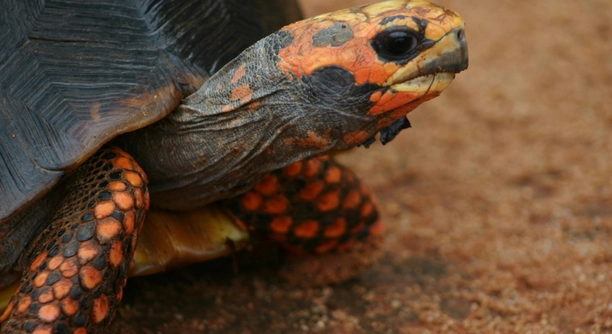
Red-footed tortoises are popular pets for reptile enthusiasts, but providing them with the right diet is crucial for their health. Knowing what foods are safe and beneficial for them ensures they stay happy and thriving.
Red-footed tortoises can eat celery, but it should be offered in moderation. Celery is low in nutrients compared to other vegetables, so it should not be a primary food source for your tortoise.
Choosing the right vegetables is important for their well-being. Learn which veggies are best to incorporate into your tortoise’s diet for optimal health.
Can Red-Footed Tortoises Eat Celery Safely?
While celery isn’t toxic to red-footed tortoises, it’s not the most nutritious option for them. Celery has a high water content but lacks the essential vitamins and minerals needed for your tortoise’s health. It’s important to offer it sparingly and combine it with other, more nutrient-dense vegetables.
A small amount of celery is fine as an occasional treat, but it should not be the staple of their diet. Red-footed tortoises thrive on a variety of leafy greens, fruits, and vegetables that provide more vitamins and fiber.
When feeding your red-footed tortoise, balance is key. Offer a variety of vegetables such as collard greens, dandelion greens, and squash. These foods are more beneficial for their long-term health and ensure they get the right amount of nutrients. Avoid feeding them high-oxalate vegetables like spinach and kale too often, as they can interfere with calcium absorption. A well-rounded diet is essential for maintaining your tortoise’s health.
Best Vegetables for Red-Footed Tortoises
Your red-footed tortoise will benefit from a wide selection of vegetables. Focus on leafy greens, which are rich in vitamins A and C, both essential for their immune system.
Some great choices include collard greens, turnip greens, and mustard greens. These veggies are packed with nutrients and are safe for your tortoise to eat regularly. Red-footed tortoises also enjoy squash, bell peppers, and zucchini, which add variety and taste.
The Importance of Variety in Their Diet
A varied diet is essential for your red-footed tortoise’s health. Providing different vegetables ensures they receive all the vitamins and minerals needed to stay healthy. By offering a mix of leafy greens, fruits, and other safe veggies, you avoid any nutritional gaps.
A lack of variety in your tortoise’s diet can lead to deficiencies and health problems. For instance, feeding them only one type of vegetable might mean missing out on important nutrients like calcium, vitamin D, or fiber. Including a variety will not only boost their health but also encourage natural foraging behavior, keeping them mentally stimulated.
To maintain a well-balanced diet, rotate vegetables every few days. For example, one day they can have dandelion greens, and the next day, try adding butternut squash or bell peppers. Always ensure the food is fresh and free of pesticides, and keep the portions appropriate for their size and age.
Foods to Avoid for Red-Footed Tortoises
Some foods can cause more harm than good for your tortoise. Avoid offering them high-oxalate vegetables like spinach or rhubarb. These can interfere with calcium absorption, leading to potential bone problems.
Additionally, avoid feeding your red-footed tortoise any processed or sugary foods. Items like lettuce, tomatoes, and fruit should only be offered occasionally. While these are safe in small amounts, they lack the nutritional value that tortoises need. Stick to foods that provide fiber, vitamins, and minerals. For example, fruits like apples or berries can be given as treats but should not be the main part of their diet. Always research any new food before feeding it to your tortoise to ensure it’s safe.
Feeding Frequency for Red-Footed Tortoises
Red-footed tortoises are opportunistic eaters, which means they should be fed daily. A consistent feeding schedule helps maintain their metabolism and keeps them active. Offer fresh food every day to ensure they are getting enough nutrients. Make sure the portions are appropriate for their size.
You can adjust the amount based on your tortoise’s appetite. Younger tortoises may require more food to support their growth, while adults may need slightly less. Keep an eye on their weight and health, adjusting their diet as needed to avoid overfeeding or underfeeding.
Hydration for Red-Footed Tortoises
Water is essential for your red-footed tortoise’s overall health. They need fresh, clean water available at all times. Some tortoises will drink from a shallow dish, while others might prefer to soak in it. Soaking also helps keep their skin hydrated.
Be sure to check the water daily and change it frequently to prevent bacteria growth. In addition to drinking, soaking them once or twice a week can also aid in digestion and promote healthy skin. Always make sure the water is at room temperature and not too deep.
Calcium and Vitamin D3 for Red-Footed Tortoises
Calcium and Vitamin D3 are vital for your tortoise’s shell and bone development. Without enough calcium, they can develop shell deformities and other health problems. It’s important to provide them with calcium supplements and ensure they get enough exposure to UVB light.
UVB light helps tortoises synthesize Vitamin D3, which is necessary for calcium absorption. Place your tortoise under a UVB light for 10-12 hours a day if they don’t get enough natural sunlight. Dusting their food with calcium powder a few times a week will also help prevent deficiencies.
FAQ
Can red-footed tortoises eat fruit?
Yes, red-footed tortoises can eat fruit, but it should only be given in moderation. Fruits like apples, berries, and melon are fine as occasional treats, but they shouldn’t make up the bulk of their diet. These fruits contain sugar, which, when overfed, can cause digestive issues and lead to obesity. Stick to offering fruit once or twice a week, and focus on providing a variety of vegetables and leafy greens to ensure a balanced diet.
Can red-footed tortoises eat tomatoes?
Tomatoes are safe for red-footed tortoises in small amounts, but they should be treated as an occasional treat rather than a regular part of their diet. They are not very nutritious for tortoises, and their acidity can upset the digestive system if given too frequently. Always remove the seeds before offering them, as they can be hard for tortoises to digest. You can offer tomatoes once or twice a month.
Can red-footed tortoises eat lettuce?
Lettuce is not ideal for red-footed tortoises, especially iceberg lettuce. Iceberg lettuce offers little nutritional value and can cause diarrhea. Instead, offer darker leafy greens such as romaine lettuce or mixed salad greens, which are more nutritious. Leafy greens like collard greens, mustard greens, or dandelion greens are much better choices for your tortoise’s diet.
Can red-footed tortoises eat spinach?
Spinach should be avoided in large quantities for red-footed tortoises. While it’s not toxic, spinach contains oxalates that can bind with calcium and reduce absorption. Over time, this can lead to calcium deficiency, affecting your tortoise’s shell and bones. It’s fine to offer spinach occasionally but should never be a regular part of their diet.
How often should I feed my red-footed tortoise?
Red-footed tortoises should be fed daily, particularly when they are younger and growing. As adults, they can be fed every other day, but it’s important to adjust the feeding schedule based on their activity level and appetite. Always ensure they have access to fresh water every day. If your tortoise is a baby or juvenile, you can feed them larger portions to promote healthy growth. Adult tortoises usually need less food, so be mindful of overfeeding.
Do red-footed tortoises need supplements?
Yes, red-footed tortoises need calcium and Vitamin D3 supplements to maintain healthy bones and shells. Calcium helps with shell development, and Vitamin D3 is crucial for calcium absorption, especially if your tortoise doesn’t have enough access to natural sunlight or UVB light. Dusting their food with a calcium supplement once or twice a week is usually sufficient. Make sure not to overdo it, as too much calcium can cause kidney issues.
Can I feed my red-footed tortoise wild plants?
You can feed your red-footed tortoise certain wild plants, but you must be careful. Some plants are toxic, so make sure you know exactly what you’re offering. Safe wild plants for tortoises include dandelions, clover, and plantain. However, always avoid plants that may have been exposed to pesticides or herbicides. When foraging, research each plant thoroughly to ensure it’s safe.
Can red-footed tortoises eat broccoli?
Broccoli can be given to red-footed tortoises occasionally, but it’s not the best option. Broccoli is high in goitrogens, which can interfere with thyroid function if consumed in large amounts. While small portions are fine now and then, it’s better to stick to more nutritious vegetables like collard greens or squash as their main food source.
Can red-footed tortoises eat carrots?
Carrots are safe for red-footed tortoises and can be offered as an occasional treat. They are rich in Vitamin A, which is good for their vision and immune system. However, carrots should be given in moderation because they are high in sugar. It’s best to cut them into small pieces to avoid overfeeding, and balance them with other vegetables to ensure a varied and healthy diet.
Can red-footed tortoises eat cucumbers?
Cucumbers are safe for red-footed tortoises, but they should be fed in moderation. Cucumbers are mostly water, so they don’t provide much nutritional value, but they can be a refreshing snack for your tortoise. Be sure to peel the cucumber before offering it, as the skin can be hard for them to digest. A small portion of cucumber once or twice a week is enough.
Can red-footed tortoises eat kale?
Kale can be fed to red-footed tortoises in moderation, but it should not be a regular part of their diet. Kale contains high levels of oxalates, which can interfere with calcium absorption if fed too frequently. Occasionally offering kale as part of a varied diet is fine, but avoid overfeeding it.
How can I keep my red-footed tortoise healthy?
To keep your red-footed tortoise healthy, provide them with a balanced diet that includes a variety of leafy greens, vegetables, and occasional fruit. Ensure they have access to clean water and provide them with UVB light for proper Vitamin D3 synthesis. Regular soaking helps with hydration and digestion. You should also monitor their weight and overall health, making adjustments to their diet as needed. Providing a spacious and enriched habitat is also key to keeping them active and happy.
Final Thoughts
Feeding a red-footed tortoise the right foods is essential for its overall health and well-being. While many fruits and vegetables are safe to offer, it’s important to focus on variety and balance. Offering a variety of leafy greens, safe fruits, and other vegetables ensures they receive the nutrients they need. This also keeps them engaged, which is important for their mental stimulation. Remember, red-footed tortoises are herbivores, so their diet should primarily consist of plant-based foods, and it’s important to avoid overfeeding sugary or low-nutrient options.
Moderation is key. Some foods, like celery and tomatoes, are okay in small amounts, but should not make up the bulk of your tortoise’s diet. High-oxalate vegetables like spinach or kale should be limited, as they can affect calcium absorption. Foods that are too high in sugar, like certain fruits, should also be given sparingly. Offering fresh, pesticide-free foods is crucial, as chemicals can harm your tortoise over time. It’s best to wash all vegetables and fruits before serving them.
Along with a well-balanced diet, proper hydration, UVB light exposure, and calcium supplements are important for your tortoise’s health. Always provide access to fresh water and soak your tortoise regularly to ensure it stays hydrated. UVB light helps your tortoise process calcium, which is essential for shell health. If you’re ever unsure about a particular food or supplement, it’s always a good idea to consult with a vet who specializes in reptiles. Taking these steps will help ensure your red-footed tortoise lives a long, healthy life.

Hello,
If you enjoy the content that we create, please consider saying a "Thank You!" by leaving a tip.
Every little bit helps us continue crafting quality advice that supports the health, happiness, and well-being of pets around the world, for pets of all shapes, sizes, and species.
We really appreciate the kindness and support that you show us!