
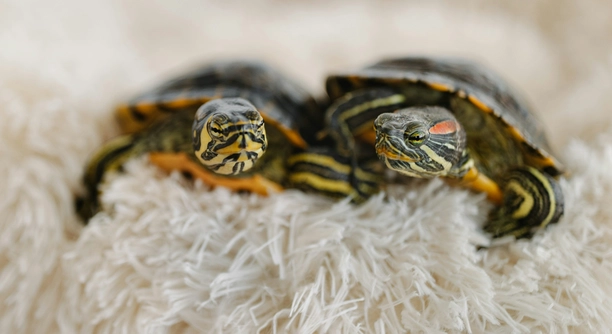
Red-eared sliders are popular pet turtles known for their friendly and curious nature. Owners often wonder whether these turtles can recognize them or form bonds. Understanding their behavior helps to deepen the connection with these reptiles.
Studies suggest that red-eared sliders may not recognize their owners in the same way that mammals do. However, they can respond to familiar stimuli, such as voice or appearance, indicating some level of recognition.
Understanding how these turtles interact with their environment can enhance your relationship with them, offering insights into their behavior and responses.
Can Red-Eared Sliders Recognize Their Owners?
Red-eared sliders, while not known for emotional connections like dogs, can form a bond with their owners over time. They often associate specific people with feeding, care, and interactions. This recognition isn’t based on affection but is rather a learned response to routines. Reptiles, including red-eared sliders, rely on environmental cues to identify familiar figures. They recognize patterns, such as who provides food or interacts with them regularly. Over time, these turtles begin to associate their owner’s presence with positive experiences.
When you approach your red-eared slider, it may swim toward you, anticipating food or attention. This behavior, however, is more about association than emotional recognition. It’s a sign that they have become accustomed to your presence and the routines that follow.
Consistency in feeding times and interactions can help strengthen their response. While they don’t “love” their owners in the way mammals do, they can learn to recognize you and show excitement during regular activities, like feeding or tank cleaning.
Research on Reptile Recognition
Studies show that reptiles, including red-eared sliders, can recognize people through visual and auditory cues. They learn patterns and associate those with their experiences, such as food.
This recognition mechanism is simple and not rooted in complex emotional attachment. Red-eared sliders, like many reptiles, respond to stimuli they associate with comfort or food. They may not form attachments like mammals, but their behavior can still appear as though they recognize their owner.
Visual Recognition in Red-Eared Sliders
Red-eared sliders rely on their vision to identify familiar figures. They can distinguish shapes, colors, and movements, which helps them recognize their owners. This ability is not highly developed compared to mammals but is still significant in their interactions. Visual cues, such as size, movement patterns, and familiar shapes, make it easier for these turtles to identify people.
When you approach their tank, they might follow your movements, especially if they associate you with food. They don’t view you with emotional attachment, but they do recognize your figure as part of their daily routine. Their vision also helps them navigate their environment and distinguish between new and familiar objects or individuals.
Over time, as the turtle becomes more accustomed to you, it might show signs of anticipating food or attention when you approach. This behavior isn’t based on affection but rather on learned associations from regular interactions.
Auditory Recognition in Red-Eared Sliders
Red-eared sliders can also respond to sounds they associate with their owner. While their hearing is not as advanced as that of mammals, they can pick up on specific noises, such as your voice or the sound of footsteps. When you call their name or make familiar noises, they may react by swimming toward the noise.
The auditory recognition comes from a form of association, linking the sound of your voice to the feeding or playtime that usually follows. Over time, they learn that certain sounds signal specific events. For instance, they may respond to the sound of a food container or a tapping noise, recognizing it as part of their feeding ritual.
These sounds help reinforce the pattern of daily care, making it easier for your red-eared slider to recognize you through auditory cues alone. They aren’t seeking out social interaction, but their responses show a learned recognition of certain triggers.
The Role of Feeding Routine in Recognition
Red-eared sliders are quick to associate their owner’s presence with feeding. They often recognize the person who provides them with food, and their behavior changes when that individual approaches. They might swim toward you or become more active, anticipating a meal. This association forms the basis of recognition.
The consistent routine of feeding strengthens the bond between the turtle and its owner. When a red-eared slider learns that a particular person brings food, it begins to show signs of recognition. This behavior is more about routine than emotional attachment but still demonstrates recognition.
Other Environmental Cues
In addition to vision and sound, red-eared sliders also respond to other environmental factors. Temperature changes, water quality, and the timing of their habitat maintenance can serve as cues that help them recognize their owner. These factors contribute to their learning process.
The turtle may associate certain actions, like water changes or tank cleaning, with specific people. This can lead them to respond to your presence more actively when those activities take place. They recognize you based on the environmental changes you bring.
Socialization and Behavioral Responses
Unlike mammals, red-eared sliders do not have complex social structures, but they can form associations with people. They may not seek attention, but their behavior can change based on their familiarity with you. For example, a turtle may become more active or exhibit different behaviors when you approach.
Though their responses may appear as if they are showing affection, it’s more likely a learned reaction to the comfort and routine associated with their owner. Their behaviors are a sign of recognition, though not a sign of emotional bonding.
FAQ
Can red-eared sliders recognize their owners like dogs or cats?
Red-eared sliders do not form emotional bonds like dogs or cats. However, they can recognize their owners through learned associations. These turtles associate their owners with regular activities like feeding, cleaning, or other interactions. Recognition is based on routine rather than affection. They may show signs of recognition, such as swimming toward their owners or responding to familiar sounds or visual cues, but their recognition is not based on emotional attachment.
How do red-eared sliders recognize their owners?
Red-eared sliders recognize their owners through visual and auditory cues. They learn to associate a specific person with feeding time or other familiar activities. Over time, they may respond to your movements or voice. The recognition process is more about familiar patterns than emotional attachment. Turtles are also sensitive to environmental cues, such as changes in the water or tank maintenance, which can trigger specific reactions. This helps them distinguish between different people and recognize their owners.
Do red-eared sliders feel affection for their owners?
Red-eared sliders do not experience affection the way mammals do. They do not seek companionship or form emotional bonds. Their responses to owners are based on learned behaviors and associations rather than affection. A turtle may react positively to its owner due to the expectation of food or attention but not because of a deep emotional connection. Their behavior is more about routine and familiarity than affection.
Can red-eared sliders learn to associate their owners with food?
Yes, red-eared sliders can learn to associate their owners with food. This is one of the main ways they recognize familiar people. If a turtle is regularly fed by the same person, it will begin to associate that person with food and may exhibit behavior like swimming toward them when they approach. This learned behavior is based on the turtle’s natural instincts and ability to recognize patterns in its environment. Feeding time is a significant part of their daily routine, which strengthens their recognition.
How can I tell if my red-eared slider recognizes me?
You can tell if your red-eared slider recognizes you by observing its behavior. If the turtle swims toward you or becomes more active when you approach, it may recognize you. This behavior is often linked to the anticipation of food or other interactions. The recognition might not be emotional, but it’s a learned response based on your consistent presence and routine. If the turtle responds to you in a way it doesn’t respond to others, it’s likely that it recognizes you.
Can red-eared sliders bond with other pets?
Red-eared sliders are not social animals and do not form bonds with other pets in the same way mammals might. While they can coexist with other animals, they do not seek companionship or emotional connection. They are solitary creatures and tend to focus on their immediate needs, such as food, water, and their environment. However, they may become accustomed to the presence of other pets if those animals are part of their daily routine. This does not signify a bond, but rather an acknowledgment of familiar surroundings.
How long does it take for a red-eared slider to recognize its owner?
It can take a few weeks for a red-eared slider to recognize its owner. Recognition is based on routine and consistent interactions, such as feeding, cleaning, and tank maintenance. The more frequent and predictable these interactions are, the faster the turtle will learn to associate you with specific activities. Each turtle is different, so the process may take longer for some than others. Over time, as the turtle becomes more familiar with you, it will likely show signs of recognition, such as responding to your movements or voice.
Why does my red-eared slider seem to ignore me?
Red-eared sliders may seem to ignore their owners because they are not as socially driven as mammals. They do not seek out human interaction, and their behavior is mostly driven by their instincts and routines. If your turtle seems uninterested in you, it may simply be focused on its own environment, such as basking or swimming. This does not mean the turtle doesn’t recognize you. Rather, it’s a sign of their independent nature. However, if the turtle responds when you approach for feeding or tank cleaning, it’s likely that it recognizes you.
Can red-eared sliders get attached to humans?
Red-eared sliders do not get attached to humans in the same way that dogs or cats do. They do not seek emotional connections and are not motivated by companionship. Their attachment is more about routine and familiarity. If a turtle shows recognition, it’s because it has learned to associate a particular person with positive experiences like food or care. This attachment is functional rather than emotional, driven by learned responses rather than affection.
Should I interact with my red-eared slider?
Interacting with your red-eared slider can help strengthen recognition. While these turtles do not crave interaction like mammals, they can benefit from regular care and consistent routines. Providing food, cleaning the tank, and speaking to the turtle regularly can help it become familiar with your presence. Though the turtle may not seek affection, these interactions are important for building recognition and maintaining a healthy relationship. It’s essential to respect the turtle’s independent nature and allow it to engage at its own pace.
Can red-eared sliders recognize their owners through touch?
Red-eared sliders are not as sensitive to touch as mammals, but they can still recognize familiar touches or handling. For example, if they are regularly handled or placed back into the tank by the same person, they might begin to associate that person with the action. However, touch is not as significant for recognition as visual and auditory cues. The turtle’s recognition of touch is more linked to routine and familiarity rather than an emotional response.
How can I build a relationship with my red-eared slider?
Building a relationship with a red-eared slider requires patience and consistency. The best way to establish recognition is through regular, predictable interactions, such as feeding, tank cleaning, and speaking to the turtle. Red-eared sliders are not social animals, so they do not require affection. However, by maintaining a steady routine, the turtle will begin to recognize you as a reliable figure. This recognition can lead to the turtle responding more actively when you approach, showing that it has learned to associate you with positive experiences.
Final Thoughts
Red-eared sliders are fascinating creatures, but their ability to recognize their owners differs from the emotional bonds formed by pets like dogs or cats. While they can learn to associate specific people with feeding or care routines, their recognition is more about familiarity and pattern recognition than emotional attachment. Over time, these turtles may respond to their owners based on learned behaviors, such as swimming toward them or becoming more active when they approach. This connection is built on routine and familiarity, rather than affection.
Understanding the nature of red-eared sliders’ recognition can help set realistic expectations for anyone caring for them. It’s essential to note that these turtles do not seek companionship or attention in the same way mammals do. Their behaviors are driven primarily by instinct and routine. The bond between a red-eared slider and its owner is more functional, based on positive experiences like food or care, rather than a desire for affection. However, with consistent care and interaction, the turtle will recognize its owner and may even appear to expect certain routines, like feeding or cleaning.
In the end, building a relationship with a red-eared slider is about consistency and patience. By maintaining regular interactions and following a predictable schedule, you help the turtle become accustomed to your presence. While they may not form deep emotional connections, they can learn to recognize and respond to the person who consistently meets their needs. Understanding this aspect of their behavior allows for a more fulfilling relationship, where the turtle’s needs are met, and recognition is built on trust and routine.

Hello,
If you enjoy the content that we create, please consider saying a "Thank You!" by leaving a tip.
Every little bit helps us continue crafting quality advice that supports the health, happiness, and well-being of pets around the world, for pets of all shapes, sizes, and species.
We really appreciate the kindness and support that you show us!