
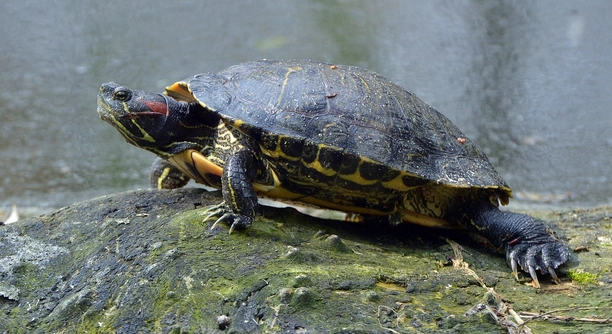
Red-eared sliders are one of the most popular pet turtles around, but can they learn tricks? Many pet owners enjoy teaching their animals new behaviors, wondering if their turtle could join in on the fun.
Red-eared sliders are capable of learning simple tricks, such as responding to certain cues or following specific movements. However, their learning ability is more limited compared to other pets, like dogs or parrots, and requires patience and consistency.
With the right approach, you can teach your red-eared slider some fun tricks. These activities not only engage your pet but also strengthen the bond between you and your turtle.
Can Red-Eared Sliders Learn Simple Tricks?
Red-eared sliders are known for being curious and active, which makes them interesting pets to have. While they may not be as trainable as dogs, they can learn some basic tricks over time. With patience and the right techniques, you can teach your turtle simple tasks like following your finger or responding to sounds. The key to success lies in consistency, positive reinforcement, and creating a routine that your pet can follow. Unlike other pets, turtles may take a little longer to catch on to new tricks, so it’s important not to get discouraged.
Their learning process is mostly based on repetition. For example, you can try training them to associate a specific sound or gesture with an action, like coming closer to you or climbing onto a surface. Over time, they’ll begin to understand the link between the action and the reward. It’s important to keep training sessions short, as turtles can become easily distracted.
When working with red-eared sliders, be sure to use treats as a form of positive reinforcement. This helps them connect the desired action with a reward. However, avoid overfeeding, as too many treats can lead to health issues. A balanced diet should still be a priority, even during training sessions. Keep in mind that every turtle is different, so some may take longer to learn than others. If you remain patient and persistent, you may be surprised at what your red-eared slider can accomplish.
Seven Fun Tricks to Try With Your Turtle
Training your red-eared slider can be fun and rewarding. You can teach them several tricks that are simple but engaging for both you and your pet. A good start is to teach them how to come when called.
One trick that’s easy to start with is teaching your turtle to follow your finger. To do this, simply move your finger in front of them and encourage them to follow it. Use a treat as a reward each time they move toward your finger. This helps them understand that good behavior results in a reward, and it can quickly become one of their favorite games. You can gradually increase the difficulty by making them follow your finger in different directions or through a small maze.
Teaching Your Turtle to Climb Obstacles
Teaching your red-eared slider to climb obstacles is a great way to keep them active. It taps into their natural behavior of exploring their environment. Start with a small, gentle incline or platform and encourage them with treats to climb.
Place a few obstacles in their enclosure and slowly increase the difficulty. For instance, you can place small rocks or ramps they can climb over, making sure they are safe and won’t harm your turtle. Each time they attempt to scale an obstacle, reward them with a treat. Over time, they’ll get better at using their legs to climb and move around.
Remember to observe your turtle’s comfort level during training. If they seem frustrated or are not progressing, take a break and try again later. Allow them to explore at their own pace. Consistency is key, but don’t push them too hard, as it might cause stress. Keep the environment positive and encourage every effort.
Responding to Simple Commands
Red-eared sliders can be trained to respond to simple commands with enough practice. Start by introducing a specific sound or word each time you want your turtle to perform an action, such as coming closer.
Use a treat to reinforce the behavior when your turtle responds to the sound or word. For example, every time your turtle approaches you after hearing a specific noise, reward them with a small piece of food. Be consistent with your timing and repetition. Eventually, your turtle will start associating the sound with the action.
Once your turtle learns the command, you can try applying it in different situations or locations. Start slowly and build on small successes. With patience, your turtle will begin to understand the link between the command and the reward.
Creating a Training Routine
Establishing a regular training routine is key to success. Red-eared sliders respond well to repetition and consistency, so setting aside a few minutes each day will help your turtle learn faster. Keep training sessions short to avoid overwhelming them.
During each session, try one or two tricks, repeating them until your turtle performs the desired action. Always use positive reinforcement, such as treats, after each successful attempt. Gradually add more tricks or increase the complexity as your turtle improves. Make sure to keep the environment calm and free of distractions during training.
Turtles tend to focus better when their routine is stable, so avoid skipping days. This helps them retain the behaviors you’ve taught them and understand the routine more clearly. With steady practice, they’ll start associating training time with rewards and fun.
Using Positive Reinforcement
Positive reinforcement is essential for training your turtle. Each time they complete a trick or respond correctly, offer them a treat as a reward. This encourages them to repeat the behavior in the future.
Rewards should be small and healthy to avoid overfeeding. Keep treats limited to once or twice per session to maintain a balanced diet. Avoid using force or punishment, as this can cause stress and confusion. Keep training sessions positive and playful to ensure your turtle enjoys learning.
Gradual Progression with Tricks
Start with simple tricks and gradually increase the difficulty. Don’t expect your turtle to master complex tasks right away. Begin with actions like following your finger or responding to a sound, then slowly introduce more challenging behaviors.
For example, once your turtle can follow your finger, move on to having them climb over small obstacles or come to a specific spot in their enclosure. Each new task should build on what your turtle already knows. Patience and repetition are essential during this stage.
FAQ
Can red-eared sliders learn complex tricks?
While red-eared sliders can learn simple tricks, their ability to perform complex tasks is limited. Their intelligence and attention span are not as high as that of more traditional pets like dogs or parrots. With patience, they can master basic behaviors like following your finger or coming when called, but they won’t perform intricate tricks like rolling over or playing dead. Focus on achievable goals, and be realistic about what your turtle can accomplish.
How long does it take for a red-eared slider to learn a trick?
The time it takes for a red-eared slider to learn a trick varies depending on the turtle and the complexity of the trick. Simple behaviors may take a few days to a week of consistent practice, while more advanced tasks might take longer. The key is consistency and patience. Keep training sessions short and frequent, and your turtle will likely learn faster. However, don’t get discouraged if progress seems slow.
What should I do if my turtle isn’t responding to training?
If your turtle isn’t responding to training, it could be due to several factors. Make sure that the training environment is quiet, with minimal distractions. Ensure that the rewards you’re using are appealing and not overfed, as this can reduce their motivation. Try varying the time of day for training and observe when your turtle is most active and engaged. Additionally, check that the tasks you’re asking your turtle to do are within their abilities. If necessary, go back to simpler steps.
How can I make training fun for my turtle?
To make training enjoyable for your turtle, focus on positive reinforcement. Offer treats and praise every time they complete a task successfully. Keep the training sessions short and engaging, and avoid overloading your turtle with too many tricks at once. If your turtle enjoys exploring, you can incorporate some exploration into training by using obstacles or puzzles. Also, ensure that the environment is calm and safe, allowing your turtle to enjoy the experience without feeling stressed.
Can I train my red-eared slider without using food rewards?
While food rewards are the most effective form of positive reinforcement, it’s possible to train a red-eared slider without them. Some turtles may respond to verbal praise or physical touch, like gently stroking their shell. However, food rewards tend to be the most motivating, especially for turtles who are highly food-driven. If you want to use alternatives, consider using toys or activities that your turtle enjoys. Just keep in mind that food rewards are often the most efficient way to ensure your turtle’s success.
What is the best time to train my turtle?
The best time to train your red-eared slider is when they are most active and alert, which is usually in the morning or after they’ve eaten. Try to avoid training right after they wake up from a nap or when they are sluggish. Observe your turtle’s behavior to figure out their peak activity times. Training during these times will keep your turtle focused and ready to engage with you.
How long should a training session last?
Training sessions for red-eared sliders should be kept short—about 5 to 10 minutes. Turtles can become bored or overwhelmed if sessions are too long. Focus on a single trick or behavior during each session and repeat it several times. It’s better to have several short, consistent training sessions throughout the day than one long session. This will keep your turtle engaged and prevent them from losing interest.
Can red-eared sliders be trained to use a litter box?
Training a red-eared slider to use a litter box is challenging but possible. Turtles tend to defecate in water, so it’s important to place the litter box in a spot that your turtle associates with a bathroom area. Some turtle owners have had success by placing a small container with water inside the box, helping the turtle understand that it’s a designated spot for waste. It may take time for your turtle to get used to this, and some may never fully adopt this habit.
Should I train my turtle in their enclosure or outside of it?
It’s best to train your turtle in their enclosure where they feel comfortable and secure. Training in an unfamiliar environment could cause stress or confusion. Start with basic tricks within their enclosure, and as they get better, you can introduce new settings. However, make sure the training space is safe and free from distractions that could interfere with the process.
Is it possible to train multiple red-eared sliders at once?
Training multiple red-eared sliders at once can be tricky, as each turtle may have different learning speeds and attention spans. If you want to train more than one turtle, consider training them separately. This allows you to focus on each turtle’s individual needs and ensures that no one gets left out. Training sessions should remain calm and free from competition, so each turtle can learn at their own pace.
Final Thoughts
Training your red-eared slider can be a fun and rewarding experience. While they may not learn as quickly or perform as many tricks as other pets, they are still capable of learning simple behaviors. With patience and consistency, you can teach your turtle basic tricks like following your finger or coming when called. The process may take time, but the bond you build with your turtle during this process is worth the effort. By using positive reinforcement, you can encourage your turtle to engage with you and strengthen your relationship with them.
It’s important to remember that every turtle is different. Some red-eared sliders may pick up new tricks faster than others, while some may take more time. As you train your turtle, always be patient and adjust your approach based on their reactions. Keep training sessions short and focused, and use rewards that are appealing to your turtle, such as small pieces of food or their favorite treat. Avoid pushing them too hard or overloading them with too many tasks at once. Small, gradual steps will help your turtle feel comfortable and motivated throughout the process.
While training can be a great way to engage with your pet, it’s also essential to provide your red-eared slider with a healthy environment and proper care. Ensure that their habitat is clean, and that they have access to appropriate lighting, water, and nutrition. Training should be a positive and stress-free experience for your turtle. If you ever feel like your turtle is not enjoying the process, take a break and try again later. By combining good care with consistent, positive training, you’ll help your red-eared slider thrive both physically and mentally.

Hello,
If you enjoy the content that we create, please consider saying a "Thank You!" by leaving a tip.
Every little bit helps us continue crafting quality advice that supports the health, happiness, and well-being of pets around the world, for pets of all shapes, sizes, and species.
We really appreciate the kindness and support that you show us!