
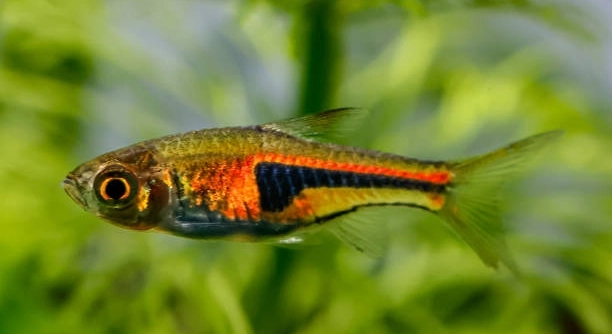
Many aquarium keepers consider rasboras for smaller home tanks because of their size, calm nature, and schooling behavior, making tank capacity an important factor when planning a healthy and stable aquatic setup for long-term success.
Rasboras can live in a 10-gallon tank when species size, group numbers, filtration, and maintenance are properly managed. Smaller rasbora species adapt well to limited space if water quality remains stable and stocking levels are conservative over time with consistency.
Tank size, species choice, and care routines play key roles, and each detail influences how well rasboras thrive together long-term.
Choosing the Right Rasbora Species
I keep a close eye on tank size because rasboras rely on space to school comfortably and reduce stress. In a 10-gallon tank, smaller species like chili rasboras and harlequin rasboras perform better when their environment stays stable. Limited volume means waste builds faster, so stocking numbers must remain modest. A small group allows natural behavior without overwhelming filtration or disrupting water balance. Plants also matter. Live plants provide cover, soften lighting, and support water quality by absorbing excess nutrients. Smooth flow helps these fish feel secure and prevents constant swimming against strong currents. Every inch of space counts in smaller aquariums, and thoughtful planning prevents common problems before they appear. When space, filtration, and layout work together, rasboras remain active, colorful, and calm, even in a compact tank that is managed with steady care and realistic expectations. This approach supports long-term health and consistent behavior patterns for daily stability.
Group size matters more than many expect in smaller tanks. I aim for six to eight fish, depending on species. This range supports schooling behavior while keeping waste manageable. Fewer fish can appear stressed, while too many strain water quality quickly. Balance keeps the tank stable and predictable daily long-term.
Filtration and maintenance routines play a defining role in a 10-gallon setup. I prefer gentle sponge filters because they protect small fish and maintain biological stability. Weekly water changes are essential since small tanks react quickly to waste and temperature shifts. Consistent testing helps avoid sudden parameter swings that stress sensitive species. Feeding lightly also reduces buildup and keeps water clearer between cleanings. When maintenance stays regular, rasboras display better coloration, stronger appetites, and steady activity levels. This balance allows a smaller tank to function smoothly without constant adjustments or emergency corrections over time with careful observation and patience applied.
Tank Setup and Long-Term Care
Decor, lighting, and substrate choices influence how rasboras behave in tight spaces. I notice calmer movement when darker substrates and planted areas are used. These elements reduce glare and offer shelter. Open swimming lanes still matter, helping schooling patterns remain visible and relaxed during daily activity and feeding times consistently.
Long-term success with rasboras in a 10-gallon tank depends on consistency rather than complexity. I focus on stable routines, measured stocking, and observing small changes in behavior. Because water volume is limited, small mistakes have larger effects, especially with feeding and skipped maintenance. Regular schedules prevent these issues before they grow. I also avoid mixing species with conflicting activity levels, since constant chasing increases stress in confined spaces. Peaceful tankmates or a species-only setup often works best. Temperature stability matters as well, and a reliable heater prevents rapid fluctuations. Over time, this steady approach builds a predictable environment where rasboras feel secure. When fish are comfortable, they school naturally, eat consistently, and show fewer signs of stress. A smaller tank does not require constant upgrades, only thoughtful care and realistic limits. Paying attention to daily patterns makes it easier to adjust early and maintain balance without drastic interventions or frequent losses. I find that patience improves results more than chasing perfection. Each adjustment should be slow and deliberate, allowing the tank to respond naturally. This mindset reduces setbacks and supports healthy fish over many months of steady ownership with consistent observation, balanced feeding, and reliable maintenance habits in place always.
Stocking and Schooling Balance
In a 10-gallon tank, stocking balance directly affects rasbora behavior and health. I always prioritize space over numbers, since cramped conditions increase stress quickly. Keeping groups small allows natural schooling while maintaining stable water parameters and predictable maintenance routines that support consistent fish activity over time with proper observation habits.
Rasboras are schooling fish, but more is not always better in limited space. I find that six to eight individuals create a calm, coordinated group without overwhelming filtration. Larger schools may appear active at first, yet waste accumulates faster and oxygen demand rises. Smaller groups can work, but too few fish often leads to nervous behavior and hiding. Matching group size to tank capacity prevents sudden water quality shifts. This balance reduces stress, supports immunity, and allows each fish enough room to swim comfortably throughout the day while maintaining consistent routines and long-term stability overall for small home aquariums setups.
Tank mates should be chosen carefully when rasboras live in a 10-gallon tank. I avoid pairing them with fast or aggressive fish that dominate food and space. Peaceful species reduce competition and help rasboras remain visible and active. A species-only tank often works best, especially for beginners. Feeding should remain light and consistent, since excess food quickly affects water quality. Observing daily behavior helps catch issues early, allowing small adjustments before problems grow. This approach keeps the system stable without constant intervention or sudden losses over time through consistent care and realistic expectations in smaller aquariums with limited space available.
Maintenance and Environmental Stability
Small tanks demand stricter maintenance because changes happen faster. I rely on weekly water changes, gentle filtration, and regular testing to keep parameters steady. Temperature swings are especially risky in 10-gallon tanks, so a reliable heater matters. Skipping maintenance often leads to cloudy water and stressed fish. Consistency prevents these issues and supports steady behavior, appetite, and coloration over time within confined setups where mistakes have larger effects quickly and demand careful attention daily habits.
Environmental stability matters more than decorations or equipment upgrades in a 10-gallon tank. I focus on keeping lighting consistent, avoiding sudden layout changes, and maintaining a steady feeding schedule. Rasboras respond poorly to frequent disruptions, even when intentions are good. Live plants help buffer water quality and provide cover, reducing stress during active periods. Flow should remain gentle, allowing natural schooling without constant resistance. Monitoring behavior daily reveals early signs of stress, such as hiding or reduced appetite. Addressing small changes early prevents larger corrections later. A stable environment allows rasboras to display natural movement, better color, and predictable routines, making long-term care manageable and rewarding within small aquariums where discipline and patience consistently shape healthier outcomes overall for both fish and keeper expectations long-term.
Feeding and Diet Control
Feeding rasboras in a 10-gallon tank requires restraint to protect water quality. I feed small portions once or twice daily, only what they finish quickly. Overfeeding leads to waste buildup, cloudy water, and stress. Controlled feeding keeps digestion steady and maintenance manageable over long periods of consistent care habits applied.
Food choice matters just as much as portion size in small tanks. I rely on fine flakes and micro pellets designed for small mouths. Occasional frozen foods add variety but must be limited. Balanced feeding supports coloration, energy, and stable water conditions over time with consistent routines and careful observation.
Monitoring Health and Behavior
Rasboras show clear signs when conditions decline in a 10-gallon tank. I watch for faded color, clamped fins, hiding, or erratic swimming. These behaviors often point to water quality or overcrowding issues. Regular testing helps confirm problems early. Ammonia and nitrite should remain undetectable, while nitrate stays low. Temperature shifts also affect behavior quickly. Addressing issues promptly prevents long-term damage. Small tanks recover faster when corrections are immediate and measured. Ignoring early signs usually leads to rapid decline and unnecessary losses over short periods, especially in setups with limited volume and heavy stocking pressure that demands attention daily without delay.
Aquascape and Space Usage
Plant coverage and layout influence how rasboras use space in a 10-gallon tank. I prefer dense planting along the back with open fronts. This setup provides shelter without restricting movement. Visual barriers reduce stress and help schooling remain smooth throughout daily activity cycles within smaller tanks over extended care periods.
FAQ
How many rasboras can live comfortably in a 10-gallon tank?
In my experience, six to eight rasboras is the safest range for a 10-gallon tank. This number allows them to school naturally without overwhelming the biological capacity of the aquarium. Fewer than six often leads to shy behavior and constant hiding. More than eight usually causes faster waste buildup, which makes water quality harder to control. Because small tanks react quickly, staying within this range keeps maintenance predictable. It also gives each fish enough room to swim, rest, and feed without constant competition.
Which rasbora species are best suited for a 10-gallon tank?
Smaller species perform best in limited space. Chili rasboras, phoenix rasboras, and dwarf rasboras adapt well when conditions remain stable. Harlequin rasboras can work, but only with careful stocking and strong maintenance habits. I avoid larger rasbora species because they need more swimming room to remain calm. Choosing the right species from the start prevents stress and reduces the need for upgrades later.
Can rasboras live with other fish in a 10-gallon tank?
They can, but I stay cautious. Peaceful tank mates with similar size and calm behavior are essential. I avoid fast swimmers or fish that rush food aggressively. In many cases, a species-only tank works best for long-term stability. Mixed tanks in small volumes often increase competition and stress. When space is limited, simplicity usually leads to better results and fewer problems over time.
How often should water changes be done in a 10-gallon rasbora tank?
Weekly water changes are non negotiable for me. I change about twenty to thirty percent each week to keep parameters stable. Small tanks accumulate waste quickly, even with light feeding. Skipping water changes often leads to cloudy water and stressed fish within days. Regular changes support steady behavior, better appetite, and improved coloration. Consistency matters more than large, infrequent cleanings.
What type of filtration works best for rasboras in small tanks?
Gentle filtration is ideal. I prefer sponge filters because they provide biological stability without creating strong currents. Rasboras do not enjoy fighting flow constantly. Hang on back filters can work if the output is softened. The goal is clean water with minimal disturbance. Overpowered filtration can cause stress just as easily as poor filtration.
Do rasboras need live plants in a 10-gallon tank?
They do not require live plants, but I find they benefit greatly from them. Plants provide cover, reduce stress, and help manage excess nutrients. In small tanks, plants also soften lighting and create visual breaks. Even a few hardy plants improve behavior and make schooling patterns smoother. Artificial plants can work, but live plants add stability over time.
What should rasboras be fed in a small tank?
I stick to fine flakes and micro pellets designed for small fish. Portion control is critical. Rasboras need very little food, especially in a 10-gallon tank. I feed once or twice daily, only what they finish quickly. Occasional frozen foods are fine, but they must be limited. Overfeeding is one of the fastest ways to disrupt water quality in small setups.
How can stress be identified early in rasboras?
Rasboras communicate stress through behavior changes. I watch for hiding, faded colors, clamped fins, or uneven swimming. Reduced appetite is another early sign. These changes usually point to water quality, overcrowding, or sudden environmental shifts. Daily observation helps catch problems early, when adjustments are still simple and effective.
Is a heater necessary for a 10-gallon rasbora tank?
Yes, a heater is important. Small tanks lose heat quickly and experience rapid temperature swings. I use a reliable heater to keep temperatures stable. Rasboras react poorly to fluctuations, even if the average temperature seems acceptable. Stability supports immune health and consistent activity.
Can a 10-gallon tank support rasboras long term?
With proper care, yes. I have seen rasboras thrive long term in 10-gallon tanks when stocking remains conservative and maintenance stays consistent. The key is respecting the limits of the tank. Small volume means small margins for error. When expectations stay realistic and routines remain steady, a 10-gallon tank can provide a healthy, stable home for rasboras without constant intervention.
Final Thoughts
Keeping rasboras in a 10-gallon tank is possible when limits are respected and care remains consistent. Small tanks require more attention than larger setups because changes happen faster and mistakes show quickly. Stocking lightly, choosing the right species, and maintaining steady routines create a stable environment that rasboras can adapt to long term. I have learned that success in a smaller tank is less about adding more equipment and more about understanding balance. When expectations stay realistic, a 10-gallon tank can support healthy behavior, good coloration, and predictable daily patterns. Simplicity helps prevent common issues and reduces stress for both the fish and the keeper. Each choice, from feeding to filtration, plays a role in keeping conditions steady.
A key lesson with small aquariums is patience. Rasboras respond best to gradual changes and consistent habits. Sudden adjustments often cause more harm than good, even when intentions are positive. Observing behavior daily builds familiarity and makes it easier to notice subtle shifts before they become serious problems. Regular water changes, controlled feeding, and gentle flow work together to maintain stability. Live plants add another layer of support by improving water quality and providing shelter. While a 10-gallon tank has limitations, it also encourages thoughtful care. Staying within those limits allows rasboras to display natural schooling and calm movement. When stress stays low, fish become more active and resilient over time.
Choosing a 10-gallon tank should come with an understanding of responsibility rather than restriction. Smaller tanks demand discipline, but they also reward careful attention with steady results. Rasboras do not require complex setups to thrive, only consistent care and suitable conditions. Avoiding overcrowding, respecting maintenance schedules, and monitoring water parameters regularly creates a dependable environment. Over time, this approach reduces emergencies and unnecessary losses. A stable tank allows the focus to shift from constant correction to quiet enjoyment. Watching rasboras school calmly in a well maintained space reinforces the value of balance and restraint. When care remains steady and expectations stay grounded, a 10-gallon tank can be a practical and rewarding choice for keeping rasboras healthy over the long term.

Hello,
If you enjoy the content that we create, please consider saying a "Thank You!" by leaving a tip.
Every little bit helps us continue crafting quality advice that supports the health, happiness, and well-being of pets around the world, for pets of all shapes, sizes, and species.
We really appreciate the kindness and support that you show us!