
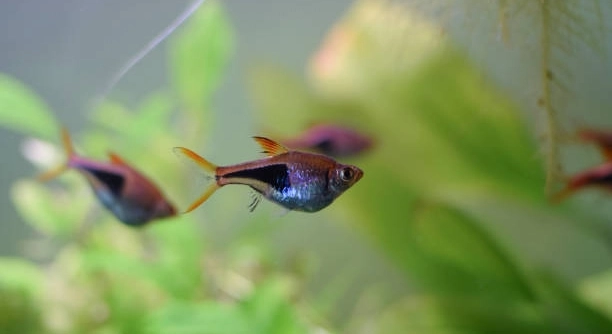
Rasboras are small, active fish that bring life and color to any aquarium. Observing them swim gracefully can be calming, and many fish owners take pleasure in learning their daily habits and behaviors. Feeding time is often a highlight.
Rasboras can learn a feeding routine through consistent timing and visual cues. Regular schedules and repeated signals, such as tapping the tank or showing food, reinforce predictable behavior, allowing the fish to associate these cues with mealtime over time.
Establishing a routine helps maintain a healthy tank environment and strengthens the connection between you and your fish. It encourages consistent feeding habits and reduces stress for your aquatic pets.
Understanding Rasbora Behavior
Rasboras are naturally social fish that thrive in groups. Their behavior is influenced by water conditions, tank size, and diet. Observing how they swim, interact, and respond to external cues can help determine their daily patterns. These fish are responsive to movement and visual signals, making it possible to establish routines. Consistency is key, as sudden changes in environment or feeding schedules can stress them. Watching them at feeding times allows owners to notice which individuals are more active or shy, helping to adjust portion sizes. They respond well to regular schedules and will begin to anticipate feeding if signals are repeated daily. Lighting, tank decoration, and water flow also play a role in their comfort and predictability. A calm, stable environment encourages Rasboras to follow predictable patterns, making them easier to manage and monitor.
Rasboras rely heavily on routine and repetition. Regular cues help them learn and anticipate feeding efficiently.
Setting a consistent feeding schedule benefits both the fish and the tank. Predictable meals reduce aggression and competition among Rasboras. Over time, the fish will approach the feeding area before food is released, demonstrating learned behavior. This reduces stress and ensures all fish receive adequate nutrition. Using the same type of food at consistent times strengthens their routine. Observing reactions during feeding allows owners to fine-tune portions and timing. Adjusting gradually rather than suddenly prevents disrupting the established habit. Beyond feeding, predictable routines can improve overall fish health, encouraging activity and proper digestion. This method also fosters a sense of stability in the aquarium, making maintenance easier. The combination of timing, visual cues, and environment consistency ensures that Rasboras can develop a reliable feeding pattern that supports their well-being.
Creating a Feeding Schedule
A set feeding schedule trains Rasboras to anticipate food. Consistent timing reinforces predictable behavior.
Begin by feeding the fish at the same times daily. Observing their responses and adjusting portions is crucial for maintaining balance. Gradually, they will recognize signals associated with feeding, such as approaching the food area. Monitoring behavior ensures that shy or less active individuals receive food. Consistency in both timing and method prevents overfeeding and maintains water quality. Using the same feeding spot and type of food reinforces learning. Even slight variations in timing should be minimized to avoid confusing the fish. Over time, the feeding schedule becomes automatic for them, reducing stress and promoting healthy growth. Proper planning and observation are key to implementing an effective routine for Rasboras.
Establishing a clear feeding schedule involves selecting consistent times, food types, and locations to reinforce learning patterns. It is essential to track responses and adjust gradually. Regular monitoring prevents overfeeding and ensures all fish benefit. Using repetition and patience, the fish begin to associate signals with mealtime, forming a predictable routine. Consistency in tank conditions, including lighting and flow, supports this learning. Observing the fish allows for fine-tuning portions and timing to accommodate activity levels and appetite. Gradual adjustments ensure the routine remains effective without causing stress. With time, Rasboras respond reliably to cues, reducing competition and encouraging healthier behaviors. This structured approach simplifies care and creates a calmer, more predictable aquarium environment.
Using Visual Cues
Rasboras respond well to visual signals like hand movements or tapping the tank lightly. Repeating these cues consistently at feeding times helps them connect the action with food. Over time, they begin to anticipate meals when the signal is shown.
Introducing visual cues requires patience and consistency. Start with a small, simple action each time food is added, such as moving your hand over the tank or lightly tapping the glass. Repeating this action before every feeding helps Rasboras associate it with food arrival. Avoid changing the cue frequently, as this can confuse the fish and slow down the learning process. Gradual reinforcement ensures all fish recognize and respond to the signal.
Once the cue is established, Rasboras begin to swim toward the area where food will appear before it is released. Shyer individuals may take longer to respond, so continue consistent repetition and observe their behavior. Visual cues combined with timing strengthen their learning, helping the group develop a reliable feeding routine. Maintaining consistency in both timing and signals prevents stress and encourages predictable activity.
Adjusting Feeding for Tank Size
Smaller tanks require careful portioning to avoid water quality issues. Overfeeding can quickly lead to cloudiness and poor health, so adjusting portions is essential.
In smaller tanks, even a small excess of food can affect water quality significantly. Feed the Rasboras only what they can consume within a few minutes, and remove leftover food promptly. Larger tanks allow slightly more flexibility but still require monitoring to prevent uneaten food from accumulating. Observing the fish helps determine the appropriate quantity and frequency. Adjust feeding amounts gradually based on the number of active fish and their appetite.
Proper adjustment of feeding quantities ensures Rasboras stay healthy and the tank remains clean. Overfeeding can cause digestive problems and promote algae growth, while underfeeding can affect their energy levels and behavior. Tracking how quickly the fish consume food each session helps refine portions. Gradual adjustments to timing and quantity, while monitoring water conditions, maintain a balanced environment. Consistency in feeding and observing responses allows all fish to thrive, keeping the aquarium stable and predictable for both fish and caretaker.
Recognizing Feeding Patterns
Rasboras quickly learn the timing of their meals. Observing when they gather near the feeding area helps confirm they have picked up on the routine. Patterns become more noticeable after consistent daily feeding.
Individual fish may react differently to feeding times. Some are more active and approach immediately, while others take time. Noticing these differences ensures all fish get adequate food and helps adjust feeding methods if needed.
Benefits of Consistent Feeding
Maintaining a regular feeding schedule improves fish health and behavior. Rasboras experience less stress and display more predictable activity. Consistency reduces competition, prevents overeating, and helps maintain clean water. Healthy fish are more active and responsive, which also makes observing their behavior easier.
Monitoring Fish Health
Observing Rasboras during feeding gives insight into their health. Changes in appetite or activity can indicate issues.
FAQ
Can Rasboras really learn to recognize feeding times?
Yes, Rasboras can learn to anticipate feeding times with consistent schedules. By feeding at the same times daily and using repeated visual cues, such as a hand movement or lightly tapping the tank, they start associating the signal with food. Over time, the fish will gather near the feeding area even before food is introduced, demonstrating their learned behavior. Shyer fish may take longer to respond, but consistency ensures all individuals begin recognizing the routine. Observing their reactions helps refine timing and methods, reinforcing predictable feeding behavior.
How long does it take for Rasboras to develop a feeding routine?
The learning period varies depending on the group and individual fish personalities. Typically, it can take one to two weeks of consistent feeding for most Rasboras to respond reliably to visual cues and timing. Active fish often adapt faster, while more timid individuals may require additional repetition. Consistency is critical; sudden changes in feeding time or method can disrupt the learning process. Gradual reinforcement, patience, and careful observation allow all fish to establish a predictable routine, improving both feeding efficiency and tank harmony over time.
What are effective visual cues for training Rasboras?
Simple and consistent cues work best. Common methods include tapping the tank lightly, moving your hand over the water, or using a small, distinct object near the feeding spot. The key is repetition; using the same cue before every feeding allows the fish to associate the signal with food. Avoid changing cues frequently, as it can confuse the fish and slow learning. Combining visual cues with regular timing strengthens the routine. Over time, the fish begin reacting to the cue before food is released, demonstrating learned anticipation and improving their feeding behavior.
How do tank conditions affect feeding routine learning?
Stable tank conditions are essential for predictable behavior. Rasboras respond better to consistent lighting, water flow, and decoration placement. Sudden changes in temperature, water quality, or layout can stress the fish, making them less responsive to feeding cues. Ensuring a calm and stable environment supports learning and maintains overall health. Consistent care routines, including water changes and temperature monitoring, reduce stress and encourage fish to follow predictable feeding patterns, improving both behavior and tank stability over time.
What should I do if some Rasboras don’t respond to feeding cues?
Some fish may be more timid and take longer to react. Continue using consistent visual signals and feeding times. Observe their behavior closely and ensure shy individuals are not being outcompeted for food. Adjust portions and feeding locations if necessary to make sure all fish receive adequate nutrition. Gradual reinforcement and patience help all Rasboras eventually recognize the routine without stress. Avoid sudden changes in cues or timing, as this may confuse or scare the less active fish, delaying learning.
Can overfeeding affect learning routines?
Yes, overfeeding can interfere with routine learning. Excess food can create competition, stress, and water quality issues, reducing responsiveness to cues. Feeding only what the fish can consume in a few minutes encourages focused attention and better learning. Monitoring portions, observing consumption speed, and removing leftover food help maintain a balanced environment. Proper feeding amounts combined with consistent timing strengthen learned behaviors, reduce stress, and keep the tank clean and healthy.
Is it necessary to feed Rasboras multiple times a day to maintain a routine?
Feeding once or twice daily is usually sufficient. The key factor is consistency, not frequency. Regular timing helps the fish anticipate meals without overfeeding, while multiple feedings are optional depending on fish activity and tank size. Maintaining predictable intervals ensures all individuals develop a reliable routine, reduces stress, and supports overall health. Tracking fish responses during feeding allows adjustment if certain times or amounts are more effective. Gradual observation and adaptation help maintain a steady, predictable feeding pattern for the group.
How do I know if the feeding routine is working?
A reliable routine is evident when Rasboras consistently approach the feeding area before food is released. Active participation, minimal competition, and reduced leftover food indicate the schedule is effective. Fish appear calm yet attentive, showing anticipation without stress. Regular observation helps confirm that all individuals are engaged and receiving adequate nutrition. Adjustments in timing, portions, or cues may be needed if some fish are slower to respond. Once the majority consistently recognize the routine, it indicates successful learning and improved tank harmony.
What other benefits come from establishing a feeding routine?
Beyond predictable meals, consistent feeding supports fish health, reduces stress, and encourages activity. Rasboras develop stronger social behavior as competition decreases. Routine also simplifies tank maintenance by preventing overfeeding and waste accumulation. Predictable behavior makes monitoring health easier, allowing early detection of illness or changes in appetite. Stable routines benefit both the fish and the caretaker, fostering a calmer, more manageable aquarium environment. Proper planning and observation ensure long-term success and well-being for all Rasboras.
Can changing food types disrupt learned routines?
Yes, sudden changes in food can confuse Rasboras or reduce responsiveness to established cues. Gradual transitions help maintain the routine. Introduce new food slowly alongside the usual diet while keeping timing and visual cues consistent. Monitoring fish behavior during changes ensures all individuals continue responding predictably. Consistency in approach is key to maintaining learned feeding habits while allowing dietary adjustments to meet nutritional needs. Careful observation helps balance variety with routine, preventing stress and maintaining healthy behavior.
Rasboras are small, lively fish that respond well to consistent care and attention. Observing their daily habits reveals that they are more aware of their environment than many realize. Establishing a feeding routine not only helps maintain their health but also allows for easier management of the tank. By feeding at regular times and using repeated visual cues, Rasboras quickly begin to associate these signals with mealtime. This predictable behavior reduces stress for the fish and ensures that all individuals receive adequate nutrition. Over time, it becomes clear which fish are more active or shy, allowing adjustments to feeding practices to accommodate everyone. Regular observation is key, as it helps identify subtle changes in behavior that might indicate health issues or stress. A consistent routine also contributes to maintaining cleaner water, as overfeeding and leftover food are minimized. When all elements of care, including feeding, water quality, and tank stability, are kept predictable, Rasboras thrive more easily, showing brighter colors and more active swimming patterns.
Developing a reliable feeding routine requires patience and consistency. Small visual cues, such as hand movements over the tank or lightly tapping the glass, can be highly effective when paired with fixed feeding times. Repetition allows the fish to form associations, making them anticipate meals and respond more actively. Even timid or slower fish will eventually recognize the cues if they are applied consistently. Portion control plays a crucial role as well. Feeding only what can be consumed in a few minutes prevents water pollution and ensures that no fish is left out. Overfeeding can cause stress, increase competition, and reduce the effectiveness of learned routines. By carefully monitoring fish behavior and adjusting food amounts gradually, owners can create a balanced environment where all Rasboras have access to the right quantity of food. Maintaining stable tank conditions, including proper lighting, water flow, and decorations, supports learning and encourages predictable activity throughout the day.
Establishing a feeding routine has long-term benefits for both the fish and the tank’s overall health. Consistent schedules reduce stress, improve digestion, and encourage social interaction among Rasboras. Predictable behavior makes monitoring easier, allowing for early detection of health issues or changes in appetite. Gradual changes in food type or feeding methods can be introduced without disrupting the routine, ensuring fish adapt smoothly. A calm, structured environment promotes natural behavior and supports growth, making the fish more resilient to minor changes or disturbances. Ultimately, a thoughtful feeding strategy creates a stable, harmonious tank that benefits the fish’s physical and mental well-being. Regular observation, consistent timing, and careful attention to cues and portions are the foundation of a successful routine. Rasboras, like many small fish, respond best to predictability, making a structured feeding schedule one of the simplest and most effective ways to support their health and happiness.

Hello,
If you enjoy the content that we create, please consider saying a "Thank You!" by leaving a tip.
Every little bit helps us continue crafting quality advice that supports the health, happiness, and well-being of pets around the world, for pets of all shapes, sizes, and species.
We really appreciate the kindness and support that you show us!