
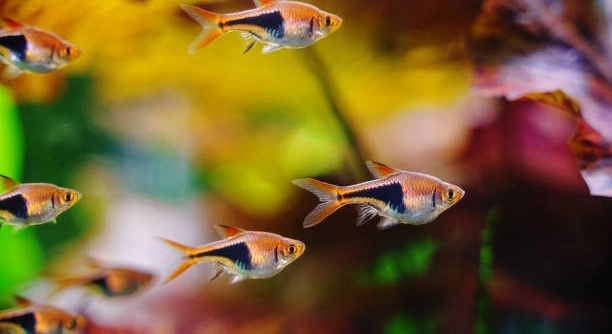
Rasboras are small, colorful fish often kept in home aquariums for their peaceful nature and schooling behavior. Many hobbyists enjoy their bright patterns, but questions about their tolerance for cooler water conditions are common.
Rasboras can tolerate slightly cooler temperatures, but sudden drops or prolonged exposure can cause stress. Maintaining water within their preferred range ensures health, activity, and longevity, while careful adjustments help prevent illness and behavioral changes.
Knowing how temperature affects rasboras is important for keeping them healthy. Proper care and understanding of their needs can make a significant difference in their well-being.
Understanding Rasboras’ Temperature Needs
Rasboras are tropical fish, so they naturally thrive in warm, stable waters. Most species prefer temperatures between 72°F and 78°F. When water gets cooler than this range, their metabolism slows down, making them less active and more susceptible to illness. Sudden temperature drops can shock their system, leading to stress and a weakened immune response. Proper monitoring of water temperature is essential, especially during seasonal changes or when using aquariums in cooler rooms. Heaters and thermostats can help maintain consistent warmth, but even slight fluctuations should be avoided. It’s also important to adjust gradually if the water needs to be cooler temporarily, ensuring the fish can acclimate without harm. Water chemistry and oxygen levels interact with temperature, so keeping all parameters balanced will promote healthier, more energetic rasboras. Understanding these basic needs helps prevent unnecessary stress and allows them to display natural behavior in the aquarium.
Maintaining stable water temperatures is easier than many assume. Simple equipment can prevent harmful fluctuations.
Even slight temperature drops can affect feeding habits. Fish may eat less or become lethargic, which can lead to long-term health issues. Regular observation and testing ensure they remain active, and adjusting water gradually avoids sudden shocks.
Signs of Stress from Cooler Water
Rasboras may appear sluggish or stay near the bottom of the tank when water is too cool.
Common signs include reduced swimming, faded colors, clamped fins, and a decrease in appetite. These behaviors indicate stress from improper temperature. Monitoring the fish regularly allows early detection of problems. If signs persist, slowly raising water temperature to the recommended range can improve health. Ensuring adequate oxygenation and minimal disturbances also reduces stress. Cooler water slows metabolism, so the fish may need less food, but care is needed to avoid overfeeding, which can pollute the tank. Stress can compromise the immune system, making fish vulnerable to infections and parasites. Observing interactions in a school can help spot weaker or struggling individuals. Adjusting the environment gently, rather than abruptly, encourages a return to normal activity. Maintaining consistent warmth and clean water supports recovery.
Tracking water temperature and observing fish behavior allows hobbyists to address issues quickly. Gradual improvements lead to healthier, more active rasboras over time. Proper care ensures the tank remains a safe and vibrant habitat for all aquatic inhabitants.
Adjusting Tank Conditions
Small changes in water temperature can make a big difference for rasboras. Gradually raising or lowering the temperature by a degree or two per day helps prevent stress and shock. Consistent monitoring is key to keeping them healthy.
Using a reliable heater and thermometer makes it easier to maintain a steady environment. Sudden temperature swings can lead to disease or lethargy, so gradual adjustments are safer. Adding floating plants or a gentle filter can help regulate water flow and temperature distribution, keeping conditions stable across the tank. Regular testing of water parameters ensures the habitat remains balanced and suitable for rasboras.
Observation is important when adjusting conditions. Watch for signs of stress like clamped fins or reduced activity. Minor tweaks in lighting, flow, or cover can also support acclimation. Maintaining a calm environment allows the fish to adapt more easily, improving overall health and behavior.
Feeding in Cooler Temperatures
Rasboras’ metabolism slows in cooler water, affecting how much they eat. Adjusting portion sizes can prevent overfeeding and maintain water quality.
Providing smaller, more frequent meals helps fish digest properly and reduces uneaten food, which can decay and harm water quality. Live or frozen foods remain attractive even in cooler water, supporting proper nutrition. Monitoring feeding behavior helps identify if the temperature is affecting appetite or energy.
Some foods, like flakes or pellets, may sink slower in cooler water. Offering a mix of sinking and floating options ensures all fish get enough to eat. Reducing feeding slightly during cooler periods prevents digestive issues and keeps the tank cleaner. Observing which foods are most accepted can guide daily feeding choices and support stable health.
Seasonal Temperature Changes
Rasboras can handle minor seasonal shifts if changes are gradual. Sudden drops during winter or nights can stress them. Keeping the tank insulated and using a heater helps maintain stability.
Regularly checking the temperature and adjusting heating gradually allows fish to adapt. Avoid sudden environmental changes to prevent illness.
Acclimating Rasboras to Cooler Water
When introducing rasboras to slightly cooler tanks, do it slowly over several hours. Start by mixing small amounts of cooler water with their current tank water, increasing gradually. Monitor their activity and swimming patterns to ensure they remain comfortable.
Avoid drastic temperature changes during acclimation, as it can shock their system. Keep feeding light and observe for signs of stress. Patience is key to helping them adjust while keeping their immune system strong. Stable water parameters and gentle handling will make the transition smoother, allowing them to thrive even in slightly cooler conditions.
Tank Decorations and Temperature
Adding plants and decorations can help buffer temperature fluctuations. They create microenvironments where rasboras can find slightly warmer or cooler spots depending on preference.
FAQ
Can rasboras survive in water below 70°F?
Rasboras can survive briefly in water slightly below 70°F, but it is not ideal. Prolonged exposure can weaken their immune system, slow metabolism, and reduce activity. Gradually lowering the temperature and monitoring behavior is necessary if cooler water is unavoidable.
How fast should I adjust the temperature?
Adjust water temperature slowly, no more than 1–2°F per day. Rapid changes can stress rasboras, causing lethargy, clamped fins, and increased susceptibility to disease. Patience is key to keeping them healthy while acclimating to cooler conditions.
What signs show rasboras are stressed by cold?
Signs include reduced swimming, staying near the bottom, faded colors, clamped fins, and a lower appetite. Schooling behavior may also be disrupted, and fish may isolate themselves or move less frequently in the tank.
Do I need a heater in a cooler room?
Yes. A heater with a thermostat ensures water stays in the ideal 72–78°F range. Even small fluctuations can stress rasboras. Using an insulated tank cover or positioning the tank away from drafts can help maintain stable conditions.
Can rasboras eat normally in cooler water?
Their metabolism slows in cooler water, so they may eat less. Offer smaller, more frequent meals to avoid overfeeding. High-quality flakes, pellets, or frozen foods help provide essential nutrients despite reduced appetite.
Are all rasbora species equally tolerant to cooler temperatures?
No. Some species, like the Harlequin rasbora, tolerate slightly cooler water better than others. Researching the specific species’ preferred temperature range is important before making adjustments.
Can decorations help manage temperature?
Yes. Plants and hiding spots create microclimates, letting fish move to slightly warmer or cooler areas within the tank. Floating plants can also reduce heat loss from the water surface, keeping conditions more stable.
What happens if water stays too cold for a long time?
Extended exposure to cold can reduce activity, suppress appetite, and weaken the immune system. This increases the risk of infections and reduces lifespan. Prompt adjustments and monitoring are essential to prevent serious health problems.
How do I acclimate new rasboras to a cooler tank?
Introduce new fish gradually by mixing small amounts of tank water with the transport water over several hours. Slowly adjust temperature while observing behavior. Keep feeding light and maintain stable water parameters to reduce stress.
Is it safe to mix rasboras with fish that prefer colder water?
Mixing tropical rasboras with coldwater species is not recommended. Tropical fish may become stressed and sick if the tank temperature is too low for their needs. Maintaining a compatible temperature range ensures all fish remain healthy.
Can cooler water affect breeding?
Yes. Rasboras are less likely to breed in cooler water. Lower temperatures can slow metabolism and reduce energy levels, affecting spawning behavior and egg development. Maintaining ideal temperatures improves breeding success.
How do I know my heater is working correctly?
Use a separate thermometer to check the water regularly. Heaters can fail or fluctuate, so double-checking ensures consistent temperatures. Routine maintenance and monitoring prevent sudden temperature drops.
Are there any short-term solutions during unexpected cold spells?
Temporary measures include using an aquarium heater, covering the tank to reduce heat loss, and adding floating plants to buffer temperature changes. Avoid sudden heating, which can shock the fish. Gradual adjustments are safest.
Can rasboras recover from brief cold stress?
Yes, if addressed promptly. Gradually return water to their ideal temperature, maintain clean water, and provide proper nutrition. Recovery is faster when stress is noticed early and environmental adjustments are made carefully.
How often should I check temperature in cooler months?
Daily monitoring is recommended, especially if the room temperature fluctuates. Regular checks prevent prolonged exposure to unsuitable temperatures, keeping rasboras active, healthy, and free from stress-related illness.
Does cooler water affect oxygen levels?
Yes. Cooler water holds more oxygen, but reduced metabolism may make fish less active. Ensure adequate water movement and aeration to maintain balanced oxygen levels throughout the tank.
Can I use a temperature controller for precision?
Using a thermostat or temperature controller is highly recommended. It ensures precise and stable conditions, reducing risk of stress or sudden temperature swings that can harm rasboras.
What should I do if I notice illness after a cold period?
Isolate affected fish, maintain stable warm water, and test water quality. Treat common infections as needed, and adjust feeding to support recovery. Early intervention improves survival rates and reduces stress on the school.
Are community tanks at higher risk in cooler temperatures?
Yes. Fish with different temperature preferences can become stressed, and disease can spread faster. Maintain consistent temperatures suitable for all species, and observe for signs of stress or aggression.
Can rasboras adapt permanently to cooler water?
They can tolerate minor reductions for short periods, but long-term adaptation is limited. Maintaining a temperature close to their preferred range is essential for health, activity, and longevity.
How do I balance feeding and cooler temperatures?
Feed smaller portions more often, adjusting based on activity levels. Avoid overfeeding as uneaten food decomposes quickly in cooler water, affecting water quality. Observation guides proper feeding amounts and timing.
Do floating plants help with temperature stability?
Yes. They provide shade, reduce evaporation, and slightly insulate the water surface, helping maintain consistent conditions. Plants also create hiding spots, reducing stress during temperature fluctuations.
Can I use room heaters instead of aquarium heaters?
Room heaters can help stabilize ambient temperature but cannot replace an aquarium heater. Direct water heating is necessary to maintain precise conditions for rasboras.
Should I test water more often in winter?
Yes. Cooler temperatures can interact with pH, ammonia, and other parameters. Frequent testing ensures stability and prevents stress-related illnesses. Consistent water quality supports overall fish health.
Is sudden movement in the tank related to cold stress?
Sometimes. Fish may dart or swim erratically when stressed by temperature changes. Monitoring these behaviors helps detect issues early and adjust conditions accordingly.
What is the safest way to raise temperature after a cold period?
Increase gradually, about 1–2°F per day. Avoid rapid changes, and observe behavior closely. Ensure other parameters like pH and oxygen remain stable during adjustments.
How important is water circulation in cooler tanks?
Good circulation prevents cold spots and ensures even temperature distribution. Filters and gentle currents help maintain uniform conditions, reducing stress and promoting healthy swimming patterns.
Can rasboras live long-term in slightly cooler tanks if stable?
They may survive with minor reductions if temperature is stable and water quality is high. Long-term health and activity are best maintained within their ideal temperature range.
Do cooler temperatures affect coloration?
Yes. Fish may appear duller or less vibrant in cooler water due to reduced metabolism and stress. Maintaining optimal temperatures helps preserve bright, healthy coloration.
Are juvenile rasboras more sensitive to cold?
Yes. Younger fish are more vulnerable to temperature stress. Gradual adjustments and careful monitoring are essential to ensure proper growth and development.
Does the type of heater matter?
Reliable, adjustable heaters with thermostats are recommended. Inexpensive or unregulated heaters can cause dangerous fluctuations, increasing stress and risk of illness.
How long can rasboras tolerate minor cold periods?
Short periods of minor cold, a few hours to a day, are usually manageable. Prolonged exposure beyond this can lead to health problems and stress-related behavior changes.
Can stress from cold cause disease later?
Yes. Stress weakens the immune system, making fish more susceptible to bacterial, fungal, or parasitic infections. Maintaining stable temperatures helps prevent long-term health issues.
Do I need to change feeding schedules in winter?
Adjust feeding based on activity. Less active fish need smaller portions, but nutrition should remain consistent. Overfeeding can pollute water, while underfeeding may weaken fish during cooler months.
How do I tell if fish are too cold or just resting?
Look for multiple signs: reduced swimming, clamped fins, faded color, and prolonged inactivity. Occasional resting is normal, but consistent behavior changes indicate temperature stress.
Is it safe to mix different rasbora species in cooler water?
Yes, if all species tolerate similar temperatures. Ensure the tank remains stable and avoid combining species with different temperature needs to prevent stress and illness.
Can I use a backup heater for safety?
Yes. A secondary heater or heater controller provides redundancy in case of failure, reducing the risk of sudden drops that could harm rasboras.
Do cooler temperatures affect schooling behavior?
Yes. Fish may school less tightly or move slower when stressed by cold. Stable temperatures help maintain natural social patterns and overall well-being.
How often should I monitor behavior during cold periods?
Daily observation is recommended. Watch swimming, feeding, and interactions to detect early signs of stress. Quick intervention prevents serious health issues and supports recovery.
Can gradual cooling in autumn be beneficial?
Slight gradual cooling can mimic natural seasonal changes, but it must stay within tolerable limits. Avoid extreme drops, and maintain stable water chemistry for safety.
Are rasboras more sensitive at night?
They may be slightly more vulnerable if the tank loses heat overnight. Using a stable heater and insulating the tank helps maintain consistent temperatures around the clock.
What precautions should I take if leaving the tank unattended in winter?
Ensure heaters are functioning, monitor temperature daily if possible, and minimize water evaporation. Backup equipment and insulation help prevent accidental drops during absences.
Can sudden cold stress cause death?
Yes. Severe or rapid temperature drops can be fatal. Maintaining gradual, controlled adjustments is critical to avoid loss of fish.
Do rasboras recover appetite after a cold period?
Usually, yes. Appetite returns as water returns to their preferred range. Offer smaller meals and monitor feeding closely to support recovery.
Is stress from cold reversible?
If addressed early, most stress effects are reversible. Gradual temperature correction, clean water, and proper feeding help restore health and activity.
How do I balance tank aesthetics with temperature control?
Plants, decorations, and proper placement of heaters and filters create both visual appeal and stable microclimates. Balancing beauty and functionality supports fish health.
What is the most important factor for rasboras in cooler tanks?
Consistency. Stable water temperature, quality, and feeding routines prevent stress and maintain health, even if water is slightly cooler than optimal.
Are there temperature ranges that are absolutely unsafe?
Yes. Water below 65°F or sudden drops of more than a few degrees can be dangerous, causing stress, illness, and potentially death. Avoid these extremes at all costs.
Can supplemental aeration help during cooler periods?
Yes. While cooler water holds more oxygen, supplemental aeration prevents stagnation and ensures adequate oxygen levels, especially if fish activity is reduced.
How important is observation compared to equipment?
Both matter. Equipment maintains stable conditions, but regular observation allows you to catch subtle stress signs early, preventing long-term problems.
Do older rasboras handle cold better than younger ones?
Generally, adults are slightly more resilient, but all fish benefit from gradual, stable temperatures. Young or weakened fish require extra care.
Are certain feeding types better in cooler water?
Yes. Nutrient-rich, easily digestible foods like frozen or live options are better. Avoid heavy, slow-digesting foods that may upset their system.
Can stress from cooler water affect behavior permanently?
Long-term exposure may lead to persistent lethargy or reduced schooling. Maintaining proper temperatures prevents lasting behavioral changes.
Is it okay to occasionally let water get slightly cooler at night?
Small, gradual nighttime drops are usually fine if they remain close to the tolerable range. Avoid sudden or large fluctuations to prevent stress.
How do I measure success in acclimation?
Active swimming, bright coloration, normal feeding, and regular schooling indicate successful acclimation to cooler water. Regular observation ensures ongoing health.
Can multiple small adjustments be safer than one big change?
Yes. Incremental adjustments minimize stress and allow fish to adapt gradually, reducing risk of illness or shock from sudden temperature changes.
Are some aquarium setups better for cooler temperatures?
Taller tanks, good circulation, stable heaters, and insulation all help maintain temperature stability. Proper setup reduces stress and ensures even conditions throughout the tank.
Do I need to inform myself about local climate effects?
Yes. Seasonal variations affect indoor temperatures, so knowing local conditions helps plan heating and insulation strategies for the tank.
What is the main takeaway for rasboras in cooler water?
Gradual adjustments, stable conditions, close observation, and proper feeding keep rasboras healthy. Avoid sudden changes and provide supportive environments to maintain activity and coloration.
How often should water testing be increased during temperature changes?
Test every few days during significant shifts. Cooler water may change pH, ammonia, and nitrite levels. Frequent checks prevent harmful imbalances and ensure a safe environment.
Can community tanks complicate cooler temperature management?
Yes. Different species may have varying tolerances, requiring careful monitoring. Maintaining a stable temperature suitable for all tank inhabitants reduces stress and illness risk.
Is it better to use multiple small heaters or one large heater?
Multiple small heaters provide redundancy and even distribution, reducing risk of cold spots. One large heater may be less reliable if it fails.
How long does acclimation usually take?
Acclimation to slightly cooler water generally takes several hours to a few days. Gradual changes prevent shock and allow fish to adjust safely.
Can rasboras adapt to cooler tanks if done properly?
Yes, minor reductions in temperature are manageable if changes are gradual, stable, and monitored carefully. Proper care supports activity, feeding, and health.
Do cooler temperatures affect parasite susceptibility?
Yes. Stress from cold weakens the immune system, increasing vulnerability to parasites. Stable conditions and clean water reduce risks significantly.
Should I adjust lighting with cooler temperatures?
Lighting can affect behavior and stress. Moderate, consistent lighting helps fish remain active and visible, supporting normal routines even in cooler water.
Are there specific times of year when temperature is most critical?
Winter and early spring are most critical due to indoor cooling. Monitoring and gradual adjustments prevent stress during seasonal fluctuations.
Can stress from cold affect reproduction permanently?
Extended cold stress can reduce breeding success, but normal conditions restored promptly may allow future spawning once fish recover.
How do I know if adjustments are working?
Monitor activity, coloration, feeding, and schooling. Positive changes indicate proper acclimation. Consistent observation ensures interventions are effective.
Is it safe to combine temperature adjustments with other changes?
Avoid multiple changes simultaneously. Adjust one factor at a time—temperature, water chemistry, or feeding—so fish can adapt without added stress.
Are heaters with built-in thermostats reliable?
Generally, yes. They maintain stable conditions, but backup thermometers and occasional checks ensure accuracy and prevent unnoticed failures.
How do I minimize stress during unexpected cold periods?
Gradually stabilize temperature, provide hiding spots, adjust feeding, and monitor behavior closely. Rapid interventions and calm handling reduce stress.
Can floating plants affect temperature distribution?
Yes. They create shaded areas and reduce surface heat loss, helping maintain a more stable environment for rasboras.
Do I need to quarantine fish in colder conditions?
Yes. Quarantining reduces disease spread if stress increases susceptibility. Stable temperatures in quarantine improve recovery chances.
Can sudden heating after cold be harmful?
Yes. Rapid temperature increases can shock fish. Gradual adjustments are safer and more effective for restoring health.
How does water volume affect temperature stability?
Larger volumes maintain more stable temperatures. Smaller tanks fluctuate faster, requiring closer monitoring and more precise heating.
Are some filter types better in cooler tanks?
Filters that ensure even flow and gentle circulation help distribute heat consistently and reduce cold spots, supporting stable conditions.
Does cooler water reduce algae growth?
Generally, yes. Cooler temperatures slow metabolism of algae, but water quality and lighting remain important to control growth.
Can stress from cold trigger aggression?
Sometimes. Stress may increase territorial behavior or nipping. Stable temperatures and hiding spaces help reduce conflict among tank mates.
Should water changes be adjusted during cooler periods?
Yes. Use water at appropriate temperature, and avoid large changes that could shock fish. Gradual, frequent changes maintain quality without stress.
Is it okay to use room heaters to stabilize temperature?
Supplementing room temperature is fine, but aquarium heaters are necessary for precise control. Room heaters alone cannot guarantee safe conditions.
Do rasboras need less food in cooler tanks?
Yes. Metabolism slows, so reduce portion sizes accordingly. Overfeeding can harm water quality and cause digestive issues.
How do I know when the tank is safe after a cold period?
Observe fish activity, coloration, and feeding. Stable temperature readings and water parameters indicate the tank is back to safe conditions.
Can stress from cold affect long-term health?
Yes. Prolonged stress may weaken immunity, reduce lifespan, and impact behavior. Preventing sudden drops is key to maintaining health.
Is it necessary to check water temperature multiple times daily?
Daily checks are recommended during cold periods, especially in small or uninsulated tanks, to ensure stable conditions and prevent stress.
Do decorations help in hiding from cold stress?
Yes. Plants and ornaments provide shelter and shaded areas, giving fish options to regulate exposure and reduce stress.
Can rasboras adapt if temperatures fluctuate slightly daily?
Minor, gradual fluctuations are usually tolerated, but sudden or large swings are stressful. Consistency is more important than perfect temperature.
How do I combine temperature management with feeding?
Monitor activity to adjust portion sizes. Feed smaller, more frequent meals to match slower metabolism, and maintain water quality simultaneously.
Should I change filter settings in cooler tanks?
Keep circulation gentle but consistent. Avoid high flow that could stress fish in cooler water. Stable movement ensures even temperature and oxygen distribution.
Does acclimation affect social behavior?
Yes. Proper acclimation maintains schooling and interaction. Stress from rapid changes can cause isolation or altered social patterns.
Can oxygen supplements help in cooler water?
Usually not necessary, but aeration can support weaker or stressed fish. Cooler water holds more oxygen, but activity may still require some movement for circulation.
Are juvenile and adult rasboras affected differently?
Juveniles are more sensitive to temperature stress, while adults tolerate minor changes better. Extra care ensures proper growth and avoids long-term health issues.
Is it safe to use multiple heaters for redundancy?
Yes. Multiple heaters reduce the risk of sudden cold spots and provide backup in case of failure, improving overall tank stability.
Can temperature affect disease treatment?
Yes. Many medications work best within certain temperature ranges. Maintaining appropriate conditions
Rasboras are small, delicate fish that thrive best in stable, tropical conditions. Maintaining the proper water temperature is key to keeping them healthy, active, and vibrant. Sudden or prolonged exposure to cooler water can cause stress, slow metabolism, and increase susceptibility to disease. By understanding their natural preferences, hobbyists can create an environment that allows them to display normal behavior, such as schooling and regular swimming patterns. Temperature stability is one of the most important aspects of care, along with clean water, appropriate feeding, and a peaceful tank environment. Even small fluctuations can impact their activity levels and appetite, so careful monitoring is necessary. Using reliable heaters, insulated tanks, and gradual adjustments during seasonal changes helps minimize risks.
Acclimating rasboras to slightly cooler water requires patience and attention. Changes should be slow, allowing the fish to adjust without shock. Observing behavior, such as swimming patterns, coloration, and feeding activity, provides clues about their comfort level. Signs of stress, including clamped fins, reduced activity, or faded colors, indicate the need for adjustments. Small, consistent modifications in tank conditions are safer than large, abrupt changes. Additionally, maintaining water quality through regular testing and proper filtration ensures that even if temperatures are lower, the overall environment supports health. Decorations and plants can also help by creating microhabitats where the fish can find slightly warmer or cooler spots, giving them control over their immediate surroundings. These simple steps make a significant difference in their overall well-being.
Feeding practices are also affected by cooler water. As metabolism slows, rasboras may eat less, so offering smaller, more frequent meals helps prevent overfeeding while providing adequate nutrition. Choosing high-quality foods, such as flakes, pellets, or frozen options, ensures they get essential nutrients even when activity levels are lower. Maintaining a stable, calm environment with gradual temperature changes supports proper growth and reduces stress. By observing behavior, adjusting care practices, and using appropriate equipment, it is possible to help rasboras remain healthy in slightly cooler conditions. Overall, consistent attention to temperature, feeding, and habitat stability provides a safe and comfortable environment, allowing rasboras to thrive in home aquariums while avoiding stress or illness caused by unsuitable conditions.

Hello,
If you enjoy the content that we create, please consider saying a "Thank You!" by leaving a tip.
Every little bit helps us continue crafting quality advice that supports the health, happiness, and well-being of pets around the world, for pets of all shapes, sizes, and species.
We really appreciate the kindness and support that you show us!