
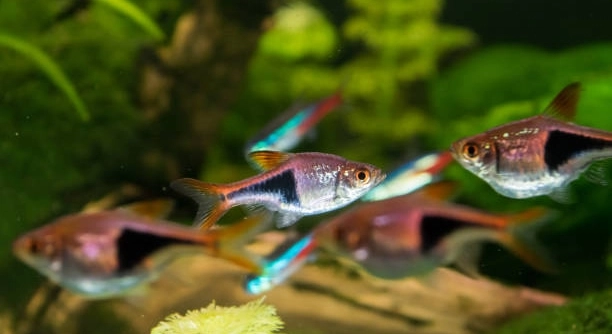
Keeping a peaceful community aquarium often means balancing different species with care and patience, especially when fish and invertebrates share the same space over time in a home tank with consistent maintenance and stocking choices.
Rasboras can coexist with snails long-term when housed in stable aquariums with proper water parameters, adequate space, and compatible species selection. Their peaceful nature and small mouths reduce predation risk, while snails contribute to algae control and ecosystem balance overall.
Tank conditions, feeding habits, and long-term behavior patterns reveal how this pairing functions beyond initial introductions in shared aquarium environments.
Understanding Rasbora and Snail Compatibility
I have kept rasboras in mixed tanks for years, and their calm behavior stands out quickly. Rasboras are schooling fish that prefer stability, gentle flow, and predictable routines. Snails thrive under similar conditions, especially when water quality remains consistent. Problems usually arise only when tanks are overcrowded or poorly maintained. Rasboras rarely show interest in snails because their diet focuses on small floating foods. Snails move slowly, clean surfaces, and keep to themselves. This natural separation of roles allows both species to exist without stress. Choosing smaller snail species also helps maintain balance. When temperature, pH, and feeding schedules are steady, daily interactions remain minimal. In my experience, harmony depends less on personality and more on environment. A well-planned tank supports calm behavior, steady growth, and fewer disruptions over time for both rasboras and snails. Long-term success improves when observation and routine adjustments remain consistent across months and tank care.
Compatibility improves when both species receive appropriate food without competition. Overfeeding creates waste, while underfeeding causes stress. I found that controlled portions and sinking foods support snails, while rasboras remain focused near the surface. This balance keeps daily feeding calm and predictable for the entire tank over long periods consistently.
Tank layout plays a quiet role in long-term success. Rasboras feel secure with open swimming space and plant cover along edges. Snails benefit from hard surfaces, driftwood, and stable substrate. When hiding spots are available, stress levels remain low. I prefer live plants because they improve water quality naturally. Clean glass, healthy leaves, and steady algae growth support snails without extra effort. A balanced setup reduces the need for intervention. Over time, the tank becomes self-regulating. This stability allows both species to age comfortably together. Regular maintenance schedules help preserve these conditions without sudden changes for long-term harmony between species.
Potential Issues and Long-Term Considerations
Long-term coexistence depends on monitoring growth and population size. Snails reproduce quickly in nutrient-rich tanks. If numbers increase too much, water quality may decline. I check parameters weekly and adjust feeding early to prevent imbalance. This habit keeps conditions stable and avoids stress for both species over extended periods indoors.
Behavior changes are usually the first sign that something is off. Rasboras may school tightly or lose color when stressed. Snails may retreat or stop moving as often. These signals often point to water issues rather than aggression. Consistent testing helps identify shifts before they escalate. I rely on routine water changes instead of reacting late. Stable temperature and filtration matter more than decoration choices. It also helps to avoid adding aggressive tank mates. Peaceful species maintain predictable patterns. Over time, this predictability supports long-term coexistence. Feeding variety supports health without excess waste. Observation becomes easier when the tank remains calm. I prefer slow adjustments rather than sudden corrections. Long-term success comes from patience and restraint. When basic needs are met, rasboras and snails coexist quietly for years without intervention. I have learned that consistency matters more than perfection. Small mistakes happen, but steady care limits their impact. Avoiding drastic changes protects sensitive systems. Over months, the tank settles into a reliable rhythm. This approach reduces stress, supports lifespan, and keeps maintenance manageable for anyone maintaining a shared aquarium. It also makes long-term planning easier and prevents burnout for attentive keepers who value calm tanks, stable routines, and lasting balance.
Choosing the Right Snails for Rasboras
I prefer starting with hardy snail species that tolerate stable community tanks. Nerite and mystery snails adapt well, stay visible, and rarely overpopulate. Their size discourages unwanted attention, while their feeding habits complement rasboras without disrupting routines or increasing waste levels over long periods in balanced aquariums with consistent care.
Smaller snails tend to integrate more smoothly over time. Large or aggressive species may shift tank dynamics. I avoid snails that burrow excessively or disturb plants. Peaceful behavior supports consistency. When snails remain active during daylight, monitoring health becomes easier. Shell quality reflects water balance. Calcium support matters. I rely on natural sources rather than supplements. Keeping species count low prevents competition. Rasboras remain calm when movement stays predictable. This stability encourages natural schooling behavior and steady feeding patterns. Long-term balance improves when each species fills a clear role without overlap within shared aquariums maintained through routine observation and care.
Introducing snails before rasboras helps reduce curiosity-driven behavior. I have noticed calmer responses when fish enter an established system. Snails settle first, claim surfaces, and adjust feeding patterns. This order limits disruption. Slow acclimation protects both species. Lighting consistency also matters. Sudden changes increase stress. I keep schedules steady to support biological rhythms. Over time, interactions remain minimal. Rasboras focus on schooling, while snails clean quietly. This separation reduces competition. Long-term coexistence depends on predictable conditions, gentle maintenance, and patience rather than constant intervention during shared tanks that mature gradually with stable water parameters over extended periods of consistent care.
Maintaining Long-Term Balance in Shared Tanks
Tank maintenance influences success more than species choice. I prioritize weekly water changes, light substrate cleaning, and filter checks. Snails react quickly to poor water quality. Rasboras show stress through color loss. Catching changes early prevents imbalance. I keep testing simple and consistent. Avoiding sudden adjustments preserves stability. This approach reduces losses and supports calm behavior across the entire tank over long periods without creating unnecessary stress for either species involved daily care routines overall.
Feeding control remains essential. Excess food increases waste and affects snails first. I feed small amounts twice daily and remove leftovers. This habit keeps parameters stable. Algae growth stays manageable. Snails graze naturally without pressure. Rasboras maintain energy without aggression. Plant health improves when nutrients remain balanced. I also avoid protein-heavy foods sinking too quickly. Variety matters, but moderation matters more. Long-term tanks thrive on routine. When feeding becomes predictable, behavior stabilizes. This stability reduces disease risk. Over time, the aquarium requires less correction. Care becomes easier, calmer, and more enjoyable without constant adjustments. Snails remain active, shells strengthen, and fish display consistent schooling patterns under stable lighting, temperature, filtration, and maintenance schedules maintained long-term in well-managed community aquariums with balanced stocking levels overall stability.
Monitoring Behavior and Early Warning Signs
I watch behavior closely during the first weeks after adding snails. Rasboras usually ignore them, but stress shows through tight schooling or faded color. These signs push me to check water quality, lighting stability, and feeding amounts before making any changes to keep long-term balance intact for shared tanks overall.
Snails become inactive when conditions shift, which I treat as an early warning. Reduced movement or closed operculums suggest stress. Addressing small issues early prevents losses later and keeps rasboras calm. Observation saves time and avoids unnecessary interventions during routine care in established community aquariums over long periods of stability.
Managing Changes Without Disruption
I limit tank changes to one adjustment at a time. When something feels off, I test water, observe feeding, and wait. Rasboras respond quickly to stability. Snails respond to minerals and cleanliness. Sudden corrections create stress. Slow fixes allow the system to recover naturally. I keep notes on maintenance patterns, which helps identify trends. Consistency builds confidence. Over time, the tank needs less effort. Stable parameters reduce illness risk and support normal behavior. This method keeps interactions quiet and predictable, even as the aquarium matures with fewer surprises and calmer routines overall for long-term shared tank success and stability maintenance.
Stocking Choices That Support Peace
I avoid mixing rasboras and snails with aggressive fish. Calm tank mates protect balance. Peaceful stocking keeps feeding orderly and stress low. This choice supports natural behavior, steady growth, and long-term health. Simple compatibility decisions prevent problems before they begin in shared aquariums maintained with consistent care routines over time.
FAQ
Can rasboras eat baby snails over time?
Rasboras are micro-predators by nature, but their mouths are small and designed for fine foods. In my tanks, adult rasboras ignore snails completely. Very tiny newborn snails may be consumed accidentally during feeding, especially if they float or cling to food particles. This behavior is not targeted hunting. It is more about opportunity than intent. When snails have enough hiding surfaces, survival rates improve. Plants, wood, and textured decor protect young snails naturally. Long-term coexistence remains stable when snail populations are not excessive and food is controlled. Rasboras focus on schooling and surface feeding rather than searching for snails.
Do snails stress rasboras in community tanks?
Snails do not create stress for rasboras under normal conditions. Rasboras respond more strongly to water changes, lighting shifts, and crowding. Snails move slowly and follow predictable paths. This makes them easy to ignore. I notice stress only when snail populations explode and water quality declines. In balanced tanks, snails actually support stability by reducing waste buildup. Rasboras remain calm when the environment feels consistent. The presence of snails alone does not disrupt schooling behavior or feeding patterns over long periods.
Which water parameters support both rasboras and snails long-term?
Stable parameters matter more than chasing perfect numbers. Rasboras prefer slightly acidic to neutral water, while most snails tolerate neutral conditions well. I aim for steady temperature, moderate hardness, and consistent filtration. Sudden swings cause more issues than gradual drift. Snails show shell damage when minerals drop too low. Rasboras show stress when temperature fluctuates. Regular testing helps catch changes early. When parameters remain stable, both species adapt comfortably and show healthy behavior without intervention.
How many snails are too many for a rasbora tank?
There is no fixed number, but balance is easy to recognize. When glass needs constant cleaning or waste increases quickly, numbers are too high. I manage populations through feeding control rather than removal. Less excess food leads to fewer snails naturally. Rasboras do not regulate snail numbers on their own. Keeping snail populations moderate protects water quality. Long-term harmony improves when the tank supports only what the system can handle without strain.
Should snails be added before or after rasboras?
Adding snails first creates smoother results in my experience. Snails settle into routines quickly and establish feeding patterns. When rasboras arrive later, they treat snails as part of the environment rather than something new. This reduces curiosity-driven behavior. Acclimation matters for both species. Slow temperature adjustment prevents shock. This order supports calm interactions and fewer disruptions during early tank stages.
Do snails compete with rasboras for food?
Competition is minimal when feeding is planned. Rasboras eat from the surface and mid-water. Snails rely on algae, biofilm, and sinking foods. I use sinking wafers occasionally to support snails without drawing fish attention. Overfeeding creates overlap and waste. Controlled portions keep roles clear. When each species eats where it prefers, feeding time stays calm and efficient.
Can snails improve tank health for rasboras?
Snails support cleanliness by consuming algae and leftover food. This reduces organic buildup between maintenance cycles. Health improves indirectly when waste remains low. I still rely on regular water changes, but snails reduce workload. Rasboras benefit from clearer surfaces and stable conditions. Snails are not a replacement for maintenance, but they help maintain balance quietly over time.
What signs suggest long-term compatibility issues?
Changes in behavior are the clearest signs. Rasboras losing color or schooling tightly often signal water problems. Snails retreating or slowing down suggests imbalance. These issues usually stem from maintenance gaps rather than species conflict. Addressing water quality early resolves most concerns. In stable tanks, compatibility issues remain rare. Long-term success depends on consistency, observation, and restraint rather than frequent adjustments.
Final Thoughts
Keeping rasboras and snails together long-term is less about luck and more about steady care. When tanks remain clean, calm, and predictable, both species settle into their roles without conflict. Rasboras focus on schooling and surface feeding, while snails quietly maintain surfaces and substrate. This separation reduces stress and limits competition. I have found that most issues blamed on compatibility are actually tied to water quality or feeding habits. Stable temperature, gentle filtration, and regular maintenance support long-term balance. Small adjustments made early prevent larger problems later. When the environment stays consistent, behavior remains steady. Over time, the tank feels less like a system that needs constant fixing and more like a space that runs smoothly with routine attention.
Long-term success also depends on restraint. Adding too many animals or changing conditions too quickly creates stress that affects everyone in the tank. Rasboras respond strongly to sudden shifts, while snails show stress through reduced movement or shell changes. Slowing down decisions helps avoid these issues. I prefer observing patterns over weeks rather than reacting to a single off day. This approach builds confidence and reduces unnecessary intervention. Feeding control plays a large role as well. Excess food creates waste and imbalance. Simple feeding routines keep parameters stable and populations in check. Over time, this consistency supports healthier fish, stronger shells, and clearer water. The tank becomes easier to manage, not harder, as it matures.
What stands out most is how predictable shared tanks can be when basic needs are met. Rasboras and snails do not require special handling to coexist. They need space, stable water, and thoughtful stocking. When those needs are met, daily care feels calm and manageable. I have learned that patience often solves more problems than equipment upgrades or constant changes. A steady rhythm allows the aquarium to settle naturally. This benefits both the animals and the person maintaining the tank. Long-term setups thrive on routine, observation, and moderation. When these elements stay in place, rasboras and snails can share the same space for years without issue, creating a balanced and peaceful aquarium that remains stable, low stress, and rewarding to maintain over time.

Hello,
If you enjoy the content that we create, please consider saying a "Thank You!" by leaving a tip.
Every little bit helps us continue crafting quality advice that supports the health, happiness, and well-being of pets around the world, for pets of all shapes, sizes, and species.
We really appreciate the kindness and support that you show us!