
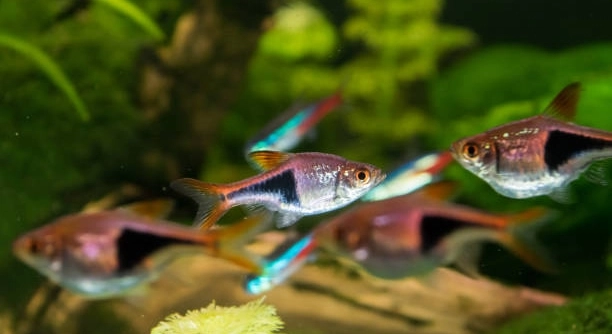
Rasboras are small, peaceful fish that bring life to home aquariums. They move gracefully in schools and often show friendly behavior toward their own kind, creating a calm and engaging environment for other fish.
Rasboras can form social bonds with fish of different species when their temperaments are compatible. Proper tank conditions, adequate space, and consistent feeding routines contribute to positive interactions and reduced stress, allowing cross-species bonding to occur more naturally.
Observing these interactions can reveal surprising connections, helping you create a harmonious and vibrant aquarium environment.
How Rasboras Interact with Other Fish
Rasboras are naturally peaceful and enjoy the company of calm, non-aggressive fish. In a well-maintained tank, they often swim alongside tetras, danios, and guppies without conflict. Their small size and gentle temperament make them ideal for community tanks, where they can coexist peacefully. Observation shows that Rasboras are more likely to bond with species that share similar swimming patterns and tank zones. Keeping a school of at least six Rasboras helps them feel secure, which encourages more interaction with other fish. Sudden changes in the environment or adding aggressive species can disrupt their behavior, so gradual introductions are important. Additionally, providing hiding spaces and plants ensures that shy species feel safe, creating opportunities for more positive encounters. Feeding routines can also influence bonding; fish that share meal times without competition tend to tolerate and interact better. Over time, these small daily interactions foster comfort and mutual recognition among tank inhabitants.
Bonding success depends largely on compatibility, tank size, and consistent care practices.
Creating a peaceful tank requires observation, patience, and attention to the natural behaviors of each species. By monitoring swimming patterns, feeding habits, and social interactions, you can adjust tank conditions to reduce stress. Plants, decorations, and open swimming areas help maintain balance. Introducing new fish slowly and in groups allows Rasboras to adjust without feeling threatened. Even minor environmental changes, like water temperature or lighting, can influence interactions. Over weeks, compatible species often establish routines, swimming together or sharing favorite areas. Recognizing signs of stress, such as hiding or fin-nipping, is crucial. Making gradual changes rather than sudden adjustments prevents conflict. Feeding in multiple locations reduces competition, encouraging positive engagement. In a harmonious tank, Rasboras display calmer, more confident behaviors, which enhances the overall aesthetic and liveliness.
Tips for Encouraging Cross-Species Bonds
Gradual introductions and proper tank conditions are key for successful interactions.
Observe behaviors closely and provide sufficient space to avoid stress. Ensuring water parameters match the needs of all species helps prevent illness. Slowly integrating new fish allows Rasboras to adapt without aggression. Plants and decorations create secure zones for shy fish to explore at their own pace. Consistent feeding schedules and avoiding overcrowding further support positive engagement. Regular observation is necessary to address minor conflicts before they escalate. Over time, these steps create an environment where Rasboras can safely interact with various tank mates.
Patience and careful planning are essential for fostering lasting connections. Start by selecting compatible species that share similar swimming levels and temperaments. Introduce new fish in small groups, allowing the Rasboras to observe and adjust gradually. Monitor water quality, temperature, and pH levels to ensure all species thrive. Providing plenty of hiding spots and open swimming areas reduces tension and encourages exploration. Avoid sudden changes in lighting or decorations, as these can stress sensitive fish. Feeding in multiple locations prevents competition and promotes peaceful coexistence. Over weeks, Rasboras often develop patterns of social interaction with other species, swimming together or resting in proximity. Recognizing subtle signs of discomfort allows for timely intervention, maintaining harmony. With careful observation and consistency, Rasboras can coexist with many community fish, creating a balanced and visually engaging aquarium environment.
Choosing Compatible Tank Mates
Rasboras do best with peaceful, small to medium-sized fish. Avoid aggressive or territorial species, as they can stress Rasboras and disrupt bonding. Stick to fish that swim in similar tank levels and share calm temperaments to promote positive interactions.
Observing natural behavior is key when selecting companions. Species like tetras, guppies, and small danios often coexist well with Rasboras. Avoid fin-nipping fish or overly active species that may chase or intimidate them. Gradual introductions help Rasboras adapt to new tank mates, reducing stress. Maintaining a school of Rasboras ensures they feel secure and encourages social behaviors. Providing plenty of swimming space and hiding spots allows all species to interact safely while minimizing conflict.
Feeding practices also influence compatibility. Distribute food in multiple areas to prevent competition, and keep a consistent schedule. Monitor interactions closely for the first few weeks, adjusting tank layout if signs of stress appear. Over time, compatible species often establish routines together, sharing swimming zones and resting areas. Careful selection and observation are essential for creating a peaceful, harmonious aquarium where Rasboras can thrive with other fish.
Monitoring Behavior and Adjusting the Environment
Regular observation helps maintain a balanced tank. Watch for signs of stress, aggression, or isolation among fish to ensure all species coexist peacefully.
Small changes in the environment can greatly impact Rasboras’ behavior. Water temperature, pH, and lighting should suit all tank inhabitants. Adding plants, rocks, or decorations creates hiding spots and reduces tension among species. Overcrowding can lead to conflict, so maintain appropriate stocking levels. Adjustments to feeding areas and schedules can also improve interactions, ensuring every fish has space to eat comfortably. Observing daily routines allows for early detection of issues before they escalate.
Encouraging positive interactions involves creating a stable and predictable environment. Gradually introducing new fish and providing sufficient space helps Rasboras feel secure and reduces stress. Monitor social behavior, adjusting tank layout or hiding spots as needed. Water quality must remain consistent, and compatible species should share similar temperature and pH preferences. Feeding in multiple locations prevents dominance and allows shy fish to eat safely. Over time, these measures foster natural social patterns, with Rasboras swimming confidently alongside other species. Regular observation ensures harmony, while small, thoughtful adjustments help maintain long-term stability in the tank.
Maintaining Water Quality
Clean water is essential for Rasboras and their tank mates. Regular water changes, proper filtration, and monitoring pH, temperature, and ammonia levels help prevent stress and illness, supporting healthy interactions.
Consistent maintenance also reduces the risk of disease spreading between species. Observing water clarity and checking equipment ensures a stable environment for all fish, promoting bonding and natural behavior.
Providing Hiding Spots
Plants, rocks, and decorations give Rasboras and other fish places to hide. This reduces stress, allowing timid species to feel safe while exploring the tank.
Hiding areas help prevent territorial disputes and offer resting zones. Adequate shelter encourages shy fish to engage gradually, improving social interactions over time.
Feeding Strategies
Distribute food in multiple locations to avoid competition. Consistent feeding schedules prevent aggression and ensure all fish receive proper nutrition.
Encouraging calm feeding behavior supports positive interactions. Rasboras often bond with other species during meal times when food is accessible and stress-free.
FAQ
Can Rasboras live with aggressive fish?
Rasboras are small, peaceful fish and do not thrive with aggressive or territorial species. Aggressive fish can stress them, cause injury, and prevent normal schooling behavior. It is best to keep Rasboras with calm species that share similar swimming levels and temperaments.
How many Rasboras should I keep together?
A minimum of six Rasboras is recommended. They are schooling fish and feel safer in groups. A larger school encourages natural behavior, reduces stress, and makes them more likely to interact positively with other tank mates.
Do Rasboras bond with fish that are not their species?
Yes, Rasboras can form bonds with other peaceful fish when their temperaments match. Proper tank conditions, sufficient space, and consistent care increase the likelihood of positive interactions. Fish that swim in similar areas of the tank are more likely to bond.
What tank size is suitable for Rasboras with other species?
A tank of at least 20 gallons is recommended for a school of Rasboras with other species. Larger tanks provide ample swimming space and reduce stress by minimizing territorial disputes and competition for resources.
What types of fish are compatible with Rasboras?
Small, peaceful fish such as tetras, guppies, danios, and Corydoras catfish usually coexist well with Rasboras. Avoid fin-nipping or overly active species, as they can intimidate Rasboras and prevent bonding. Compatibility is based on temperament, swimming level, and size.
How do I introduce new fish to a Rasbora tank?
Introduce new fish gradually, preferably in small groups. Allow Rasboras to observe newcomers before full integration. Adding fish slowly prevents stress and encourages positive interactions. Monitor their behavior closely during the first weeks to ensure harmony.
Can feeding routines affect bonding?
Yes, feeding in multiple locations prevents competition and reduces stress. Rasboras are more likely to interact positively with other species when food is accessible and calm. Maintaining a consistent schedule helps all fish feel secure and encourages social behavior.
Do hiding spots influence Rasbora interactions?
Hiding spots are important for shy or smaller species. Plants, rocks, and decorations reduce stress and allow timid fish to explore safely. Secure areas prevent territorial disputes and give Rasboras confidence to interact with other fish.
How often should I check water quality for mixed-species tanks?
Regular monitoring is essential. Check ammonia, nitrite, nitrate, pH, and temperature at least weekly. Consistent water quality ensures all species remain healthy and reduces stress, promoting better social interactions among Rasboras and their tank mates.
What signs indicate Rasboras are stressed with other fish?
Signs of stress include hiding, clamped fins, erratic swimming, or refusal to eat. Stress can indicate incompatible tank mates, overcrowding, or poor water conditions. Addressing these issues promptly ensures Rasboras can interact safely and maintain normal behaviors.
Can Rasboras bond with bottom-dwelling fish?
Yes, bottom-dwelling fish like Corydoras catfish or small loaches are generally compatible. They occupy different tank zones, reducing competition while allowing Rasboras to swim freely and engage in their natural schooling behavior.
How long does it take for Rasboras to bond with other species?
Bonding can take several weeks. Consistent tank conditions, compatible species, and gradual introductions increase the likelihood of positive interactions. Observing daily behavior helps track progress and make adjustments if conflicts arise.
Can overcrowding affect Rasbora interactions?
Yes, overcrowding increases stress, aggression, and competition for resources. Ensuring sufficient space and maintaining proper stocking levels are crucial for Rasboras to interact safely and form positive bonds with other species.
Are Rasboras sensitive to sudden changes in the tank?
Yes, sudden changes in temperature, lighting, or tank layout can stress Rasboras. Gradual adjustments help them acclimate and maintain peaceful interactions with other species, preventing conflicts and health issues.
Do Rasboras need the same diet as their tank mates?
Rasboras thrive on a balanced diet of flakes, micro-pellets, and occasional live or frozen food. While minor differences are fine, providing a diet suitable for all species ensures everyone receives proper nutrition without competition.
Can Rasboras bond with larger fish?
Bonding with larger fish is possible only if the larger species is peaceful and non-predatory. Avoid any fish that could see Rasboras as food, as predation risk prevents safe interactions and proper social behavior.
How can I encourage Rasboras to socialize?
Maintain calm tank conditions, provide hiding spots, and feed in multiple areas. Gradual introductions and consistent care routines help Rasboras feel secure and more willing to interact with other species.
Do Rasboras prefer certain swimming levels when bonding?
Yes, Rasboras are mid-to-upper level swimmers. They bond more easily with species that occupy similar zones, allowing natural schooling behavior and reducing stress from competing with bottom or highly active surface swimmers.
Is lighting important for Rasbora interactions?
Moderate lighting encourages natural activity and exploration. Too bright or inconsistent lighting can stress Rasboras and hinder bonding with other species. Balanced lighting supports calm, social behavior in mixed-species tanks.
Can Rasboras bond with fish that are shy?
Yes, Rasboras can encourage shy species to explore and interact if the tank is safe and stress-free. Gradual introductions, hiding spots, and calm routines help timid fish engage without fear, fostering peaceful coexistence.
Rasboras are gentle and peaceful fish that bring life and movement to any community aquarium. Their small size and schooling nature make them naturally social, and they often enjoy the company of other calm, compatible species. Observing Rasboras swimming together in synchrony highlights their instinct for group behavior, which is an important aspect of their well-being. When kept in an environment that meets their needs, they are active, confident, and more likely to interact positively with other fish. Providing proper care, including a suitable tank size, stable water conditions, and adequate hiding spots, ensures Rasboras can thrive alongside a variety of peaceful tank mates. Their adaptability makes them ideal for hobbyists who want a vibrant, calm community tank without aggressive interactions disrupting the harmony of the aquarium.
Creating a balanced environment is essential for Rasboras to bond with fish of other types. Gradual introductions, proper spacing, and a consistent feeding routine allow them to become familiar with their tank mates without feeling threatened. Rasboras tend to interact best with species that share similar temperaments and swimming zones, such as tetras, guppies, or small danios. Avoiding overly active or aggressive species is crucial, as these can cause stress and disrupt the peaceful social structure of the tank. Providing plants, rocks, and other forms of cover allows shy or smaller fish to feel safe, which encourages natural social behaviors. When Rasboras feel secure, they are more likely to explore their surroundings and engage with other species, which helps create a lively but harmonious community. Regular observation of behavior, along with attention to water quality and tank conditions, supports long-term stability and prevents conflicts among species.
Consistency and patience are key for maintaining a healthy and social community aquarium with Rasboras. Over time, they often develop recognizable routines, swimming together in schools or sharing favored areas of the tank with compatible species. Feeding times can become opportunities for positive interactions when food is distributed evenly, reducing competition and stress. Monitoring water quality, temperature, and pH levels ensures that all species remain healthy and active. Small adjustments, such as adding hiding spots or rearranging decorations, can help improve interactions if any tension arises. By paying attention to these details, Rasboras and their tank mates can coexist peacefully, creating a visually appealing and dynamic aquarium. The process may require observation and care, but the reward is a thriving, harmonious tank where Rasboras bond naturally with other species, demonstrating their gentle, social nature in a balanced aquatic environment.

Hello,
If you enjoy the content that we create, please consider saying a "Thank You!" by leaving a tip.
Every little bit helps us continue crafting quality advice that supports the health, happiness, and well-being of pets around the world, for pets of all shapes, sizes, and species.
We really appreciate the kindness and support that you show us!