
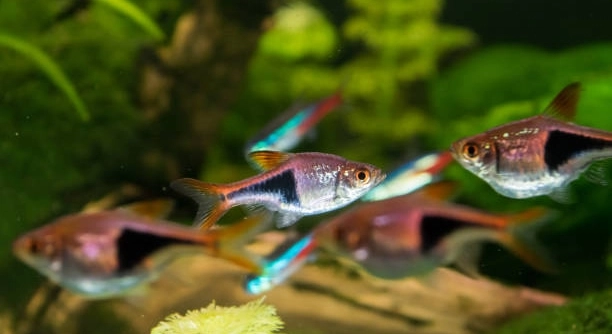
Do you ever notice your rasboras swimming close when you move your hand near the tank? Watching them glide around with curiosity can make caring for these small fish even more enjoyable and interactive for any fish keeper.
Rasboras can be trained to follow fingers, but their response varies depending on species and individual temperament. Consistent hand movements and gentle interaction over time encourage this behavior, although it may require patience and repetition to achieve reliable results.
Learning how to interact with your rasboras can strengthen your bond and make daily aquarium care a more engaging experience.
Understanding Rasbora Behavior
Rasboras are small, active fish that react strongly to movement and changes in their environment. They are naturally curious but can also be cautious. Observing their behavior closely helps in predicting how they will respond to your hand or finger in the tank. Some species, like the Harlequin Rasbora, are more likely to follow motions, while others may need more time to build trust. Water conditions, tank size, and the presence of other fish also influence their willingness to interact. Consistent feeding routines create a sense of security, encouraging them to explore near your hand. Over time, gentle gestures and predictable movements signal safety, prompting them to approach or follow your fingers. Avoid sudden or rapid motions, as these can startle the fish and make them retreat. Learning their swimming patterns helps you anticipate when and how they are most receptive to interaction.
Rasboras respond better when they feel safe, and small, steady gestures are most effective.
Creating an environment that encourages interaction requires attention to both the fish’s comfort and your consistency. Start by observing their preferred areas in the tank, then gradually introduce your hand. Position it slowly near the glass, allowing them to notice without feeling threatened. Pairing hand presence with feeding times strengthens positive associations. Over multiple sessions, they begin to recognize your presence as non-threatening. The key is patience—forcing interaction can stress the fish and reduce trust. Each session should be short and calm, ensuring they remain relaxed. Some rasboras may follow immediately, while others take weeks to respond consistently. Adjust your approach based on their reactions, and always maintain proper water conditions to keep them healthy. Eventually, the subtle cues from your fingers will guide their movement, making interaction smoother. Consistent care, attention, and patience turn simple hand movements into predictable responses, enhancing the overall aquarium experience.
Techniques to Encourage Finger Following
Starting slow is essential when training rasboras to follow fingers. Small, repeated movements help them recognize patterns.
Using consistent gestures and gentle feeding reinforcement encourages rasboras to follow fingers. Begin with brief, calm sessions, pairing your hand movements with food. Observing their reactions allows gradual adjustments to your approach. Over time, predictable routines make them more likely to engage, strengthening interaction while maintaining a stress-free environment. It’s important to avoid sudden actions, as rasboras are sensitive to quick changes. Repetition builds familiarity, while pairing gestures with positive stimuli like food creates trust. Some species respond faster, while others need several weeks to show consistent following behavior. Maintaining a calm atmosphere in the tank and ensuring water quality supports their willingness to participate. This method gradually teaches them to associate your finger movements with a safe and rewarding experience, enhancing both observation and care.
Common Mistakes When Training Rasboras
Moving your hand too quickly can scare rasboras, making them avoid interaction. Overhandling or forcing engagement often results in stress, reducing their willingness to follow fingers.
Consistency is crucial when training rasboras. Irregular sessions confuse the fish, slowing progress and making them hesitant to approach. Feeding them at the same time daily while practicing gentle hand movements establishes a predictable routine. Avoid sudden gestures, loud noises, or tapping the glass, as these behaviors trigger fear. It’s also important to respect their space; forcing interaction can create stress and hinder learning. Observing each fish’s individual comfort level allows for gradual improvement without causing harm. Small, steady sessions paired with positive reinforcement increase the likelihood of reliable responses over time, helping them associate your hand with safety and food.
Patience and observation go hand in hand. Each rasbora may respond differently, and some require several weeks to consistently follow a finger. Understanding their personalities ensures training is effective and stress-free.
Tools and Environment to Support Training
Using feeding tools like tweezers or a small dropper can guide rasboras toward finger movements. Positioning plants or decorations strategically helps them feel secure.
A calm environment significantly affects training success. Avoid bright, flashing lights or sudden loud sounds near the tank, as rasboras are sensitive to stress. Ensuring stable water conditions, proper temperature, and balanced nutrition encourages active, healthy behavior, making them more likely to respond. Adding floating plants or hiding spots provides a sense of security, allowing fish to explore at their own pace. Gentle hand positioning near the tank without sudden motions reinforces familiarity. Observing their movement patterns helps anticipate reactions, letting you time gestures effectively. Combining environmental comfort with consistent cues strengthens their association with safety and encourages interaction. Over time, these small adjustments create conditions that make finger-following behavior more natural and reliable for your rasboras, enhancing the aquarium experience while keeping them healthy and stress-free.
Signs Your Rasboras Are Responding
Rasboras may hover near your fingers or follow slow movements across the glass. Increased curiosity and less hesitation are clear indicators of progress.
Subtle nudges toward your hand or gentle circling around it show growing trust. Over time, they may swim alongside your finger during feeding sessions, reflecting recognition and comfort.
Adjusting Techniques for Different Species
Some rasbora species are naturally bolder, while others are shy and slow to respond. Adjust the speed of your hand movements according to the fish’s temperament. Bold species may follow faster gestures, while shy ones need slower, more deliberate motions. Observing each species’ behavior helps in creating effective training routines. Pairing gentle movements with feeding gradually reinforces positive associations, regardless of species. Consistency is key, as even bold fish may become startled by sudden or irregular actions. Tailoring your approach ensures every rasbora has the chance to feel secure and engage, making finger-following behavior achievable across different types.
Benefits of Finger Training
Finger training improves trust and observation skills. It creates interactive moments and strengthens the bond with your fish.
How long does it take for rasboras to start following fingers?
The time varies depending on the species and individual fish personality. Some rasboras may respond within a few days of consistent, gentle hand movements paired with feeding. Shyer or more cautious fish may take several weeks to show reliable responses. Consistency and patience are essential for all types.
Can all rasbora species learn to follow fingers?
Not every species will respond in the same way. Harlequin and other bold rasboras are more likely to follow fingers, while very timid species may only approach occasionally. Individual temperament matters more than species alone. Patience and observation help determine which fish are most receptive.
Do finger-following exercises stress the fish?
When done gently and consistently, finger-following exercises should not stress rasboras. Sudden movements, tapping the glass, or forcing interaction can cause fear. Short, calm sessions combined with predictable routines create a safe environment that encourages engagement without anxiety.
How often should I practice finger training?
Short daily sessions of five to ten minutes are most effective. Frequent but gentle practice reinforces positive associations with your hand. Avoid long or aggressive sessions, as rasboras can become overwhelmed or stressed, reducing their willingness to participate in the future.
Is food necessary to encourage following behavior?
Food is the most effective motivator. Associating your hand with feeding helps rasboras recognize it as a positive presence. Over time, some fish may follow your finger without food, but initial sessions usually require a treat or small flakes to reinforce behavior.
What if my rasboras hide and avoid my hand?
Hiding is a natural response when fish feel unsafe. Reduce hand movements, give them time to explore at their own pace, and maintain calm water conditions. Using hiding spots or plants allows them to feel secure and more willing to approach slowly.
Can multiple fish follow a finger at once?
Yes, if they are comfortable and confident in their environment. Some rasboras may be bolder than others, so expect variation. Providing enough space and avoiding overcrowding in the tank ensures each fish has room to interact without stress.
Does tank setup affect finger-following behavior?
Absolutely. Stable water conditions, gentle lighting, and safe hiding areas all improve willingness to engage. Cluttered or harsh environments increase stress and reduce interaction. Observing their favorite swimming areas helps place your hand where they are most likely to notice it.
Will finger-following improve with age?
Mature rasboras can learn, though younger fish may adapt more quickly. Older fish may take longer to recognize gestures but can still develop consistent following behavior with patience and gentle repetition over time.
Are there risks to finger-following training?
Risks are minimal if done properly. The main concern is stress from rapid or repeated handling. Avoid tapping the glass or chasing the fish. Monitoring behavior ensures training remains safe and enjoyable, keeping fish healthy and responsive.
Can I combine finger-following with other training?
Yes, rasboras respond well to positive reinforcement and predictable routines. You can pair following gestures with feeding, swimming through simple obstacles, or gentle touch cues. Combining these approaches strengthens engagement and reinforces trust without causing stress.
What is the most common mistake beginners make?
The biggest mistake is moving the hand too quickly or practicing inconsistently. This confuses the fish and creates fear, slowing progress. Short, calm, and repeated sessions with positive reinforcement produce better results than forcing interaction or trying long sessions.
How do I know when my rasboras are fully trained?
“Fully trained” is relative. Most fish will follow your finger reliably when comfortable, usually during feeding or calm periods. Individual variation means some may respond occasionally rather than consistently. Observing reactions and maintaining regular, gentle routines ensures long-term success and trust.
Can finger-following replace feeding time?
No, finger-following should complement, not replace, feeding. Food remains essential for nutrition and overall health. Finger-following is a behavioral exercise that strengthens trust and interaction, while proper feeding supports their well-being and encourages participation.
Does the number of fish in the tank affect training?
Yes, larger groups may reduce individual attention, as some fish dominate interactions while others stay shy. Smaller groups or observing individual responses helps ensure each fish has a chance to engage, making training more effective and stress-free.
What should I do if progress stalls?
Pause and evaluate your approach. Slow down hand movements, adjust timing, and ensure water conditions are ideal. Patience is key, as some fish need extended time to feel safe. Gradual changes and consistent, calm practice usually restart progress.
Can finger-following improve overall tank behavior?
Yes, consistent interaction often encourages curiosity and activity. Fish become more confident, exploring more areas of the tank. Gentle, predictable cues can reduce stress responses, making them more comfortable around tankmates and the environment, creating a more balanced and active aquarium atmosphere.
Are there alternatives to finger-following for interaction?
Yes, using feeding sticks, small tweezers, or floating objects can encourage engagement. These tools allow interaction without direct hand presence, suitable for shy species or fish that are slow to respond to fingers. Gradually, they may transfer this comfort to direct hand gestures.
How important is patience in training rasboras?
Patience is essential. Each fish responds differently, and rushing can cause stress or fear. Short, calm sessions, consistent routines, and careful observation over weeks or months are necessary to build trust, ensure safety, and develop reliable finger-following behavior.
Can finger-following be done in community tanks?
Yes, but consider the presence of other species. Peaceful tankmates allow interaction, while aggressive or fast-moving fish may stress rasboras. Observing their comfort and providing hiding areas ensures safe, successful finger-following even in mixed-species setups.
Do environmental changes affect training?
Yes, changes like water temperature shifts, lighting adjustments, or rearranged decorations can temporarily reduce responsiveness. Maintaining stable conditions and gradually introducing changes helps rasboras feel secure, keeping training progress consistent and stress-free.
How long should a training session last?
Keep sessions short, around five to ten minutes. Longer sessions can cause fatigue or stress. Short, frequent sessions with positive reinforcement are more effective, allowing rasboras to remain relaxed while gradually learning to follow fingers reliably.
Can finger-following help with feeding picky eaters?
Yes, associating your hand with food encourages shy or picky fish to eat. They become more confident approaching food and interacting, reducing feeding hesitation while reinforcing trust and engagement during daily care routines.
What if some fish never respond?
Some individuals may remain shy despite consistent training. Respecting their limits prevents stress. Focus on consistent, gentle interaction, and allow them to engage at their own pace. Even limited response is normal and still strengthens overall trust and comfort in the tank.
Does tank size influence finger-following success?
Yes, smaller tanks make hand movements more noticeable, while larger tanks may require more patience. Positioning fingers near frequented areas helps fish detect gestures, ensuring interactions remain visible and effective without causing stress.
Can finger-following be taught alongside other pets?
Yes, but always separate interaction spaces. Rasboras are sensitive to sudden external movement, so avoid distractions from other pets during training sessions. Quiet, calm environments ensure focus, safety, and more consistent engagement.
Is it necessary to use the same hand each time?
Using the same hand helps build recognition and predictability. Switching hands can confuse some fish, slowing progress. Consistency reinforces positive associations, making it easier for rasboras to connect gestures with food and safety cues.
How do I maintain finger-following over time?
Regular, brief sessions maintain engagement. Even after fish reliably follow fingers, continue gentle interaction a few times per week. Consistency ensures the behavior remains familiar, reinforces trust, and keeps fish comfortable with human presence without causing stress.
Training rasboras to follow fingers is a slow but rewarding process. Each fish responds differently, and patience is the most important factor in achieving consistent results. Some may approach quickly, while others take weeks to show curiosity. Observing their natural behavior is essential to understanding how they react to hand movements. By starting slowly and moving gently, you create a sense of safety. Predictable gestures help rasboras associate your presence with something positive, usually feeding. Over time, these small interactions build trust, allowing them to follow your finger more consistently. It’s important to remember that progress may be gradual, and forcing interaction can cause stress or make shy fish retreat. Even subtle signs of recognition, like swimming closer or circling your finger, indicate that your fish are responding to your presence and growing more comfortable.
Consistency in training is key. Short, calm sessions repeated daily work much better than long, irregular attempts. Pairing hand movements with feeding encourages positive reinforcement, helping them connect your finger with food and safety. Environmental factors also play a role. Stable water conditions, proper temperature, and a secure tank with hiding spots allow rasboras to feel confident enough to interact. Sudden changes or loud noises can slow progress, so maintaining a calm environment is important. Each session should be brief enough to keep the fish relaxed but long enough for them to notice and respond to your hand. Tracking their behavior helps adjust your approach for individual personalities. Some fish may only interact occasionally, while others may become consistent followers. Understanding their limits ensures training remains safe, enjoyable, and stress-free.
Even after rasboras begin to follow fingers reliably, continuing gentle interaction is valuable. These small moments enhance observation skills and create engaging routines while strengthening the bond between you and your fish. Finger-following also encourages activity, curiosity, and confidence within the tank, benefiting overall health and behavior. While not all fish will respond equally, patience, consistency, and careful observation allow each rasbora to engage at its own pace. The process itself becomes a learning experience, helping you understand their preferences and personalities. Whether a single fish approaches or the whole group participates, each interaction contributes to a calmer, more interactive aquarium. With time, effort, and respect for their comfort, finger-following becomes a safe and enjoyable activity, adding another layer of interaction that enhances daily care and appreciation of these small, lively fish.

Hello,
If you enjoy the content that we create, please consider saying a "Thank You!" by leaving a tip.
Every little bit helps us continue crafting quality advice that supports the health, happiness, and well-being of pets around the world, for pets of all shapes, sizes, and species.
We really appreciate the kindness and support that you show us!