
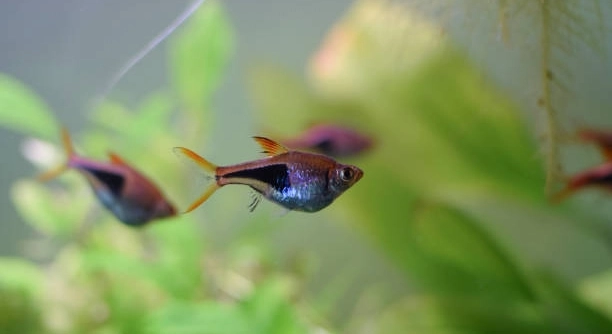
Have you ever noticed your rasboras darting nervously among plants and ornaments, unsure where to settle, even in a clean aquarium, when decorations seem plentiful but oddly overwhelming for such small, sensitive schooling fish species?
Rasboras can become overstimulated by excessive decor because dense visual clutter disrupts natural swimming patterns, increases stress responses, and limits sightlines within shoals. Balanced layouts with open areas support normal behavior, reduce cortisol-related stress, and promote stable social interactions dynamics.
Subtle changes in layout, spacing, and visual flow can significantly influence comfort levels, revealing how aquascaping benefits long-term rasbora wellbeing.
How Visual Clutter Affects Rasboras
Rasboras rely on clear visual cues to feel secure, especially in shared tanks. When decor becomes too dense, their natural schooling patterns break down. Fish may hesitate, dart suddenly, or hide for long periods. This constant stimulation forces them to process too many shapes, shadows, and movement paths at once. Over time, this can elevate stress levels and reduce feeding confidence. A crowded layout also limits escape routes, which are essential for small fish that depend on quick bursts of movement. Even soft plants and smooth ornaments can become overwhelming when layered excessively. Simplicity allows rasboras to recognize safe zones, maintain group cohesion, and move with purpose. Tanks designed with moderation often result in calmer swimming, better color display, and more predictable daily behavior, which are reliable signs of reduced environmental pressure. These outcomes support long-term health, immune stability, and consistent growth in captive rasbora populations across varied tank conditions.
Excess decor does not enrich rasboras automatically. Instead, it often overwhelms their sensory limits. Open swimming space combined with a few defined structures supports confidence. Balanced environments help fish respond predictably to light changes, feeding times, and nearby movement without agitation or chronic hiding behaviors developing over time within tanks.
Rasboras evolved in environments where plants and debris are present but spaced naturally. Mimicking this balance matters more than visual fullness. When aquascaping focuses on symmetry and restraint, fish show improved social alignment. Shoals stay tighter, aggression decreases, and feeding becomes consistent. Overdecorated tanks can mask early stress signs, making health issues harder to detect. Clear sightlines allow keepers to observe posture, fin condition, and swimming rhythm. This visibility supports early intervention and better long-term care decisions. Thoughtful layouts benefit both fish welfare and daily maintenance routines, reducing unnecessary adjustments caused by stress-driven behavior shifts in managed home aquariums overall.
Creating a Calm Aquascape for Rasboras
A calm aquascape favors restraint over excess. Choosing fewer decorations with softer shapes reduces constant stimulation. Plants placed along edges create shelter while preserving open water. This structure mirrors natural spacing and allows rasboras to swim freely, school comfortably, and remain visible without persistent tension or defensive responses forming long-term.
Start by identifying which items are essential and which are purely decorative. Driftwood, rocks, and plants should serve a purpose such as cover or flow direction. Avoid stacking elements tightly together, as this limits movement and creates visual noise. Leave clear lanes across the tank so shoals can pass without interruption. Lighting also plays a role. Bright light combined with heavy decor can amplify stimulation. Softer lighting helps reduce contrast and shadow overload. Maintenance habits matter as well. Rearranging decor frequently can disrupt familiarity and trigger stress responses. Consistency supports confidence. Observe behavior after adjustments. Calm rasboras swim steadily, feed promptly, and rest without clustering tightly in corners. If hiding increases or schooling becomes erratic, simplifying the layout is often beneficial. Small changes, such as removing one ornament or trimming plants, can restore balance. The goal is not a bare tank, but a stable environment that supports predictable movement and comfort. Long-term success depends on observing patterns rather than reacting quickly. Allow fish time to adjust before making further changes. Stability encourages trust in surroundings, supports immune function, and reduces unnecessary interventions that can disrupt established behavior cycles within small community aquarium systems over extended periods of care routines consistently.
Signs of Overstimulation in Rasboras
Too much decor can trigger subtle stress signals in rasboras that are easy to miss. Changes often appear in movement patterns, feeding behavior, and social spacing. These signs usually develop gradually, making them seem normal unless daily behavior is carefully observed over time by attentive keepers during routine tank checks.
When stimulation remains high, rasboras may swim erratically or freeze between decorations. Shoals can fragment as individuals struggle to maintain visual contact. Appetite often declines, leading to uneven growth within the group. Colors may appear duller, especially in dominant lighting. These responses are not random. They reflect constant sensory processing without rest. Over time, stress hormones remain elevated, weakening immune response. Minor issues such as fin damage or parasitic exposure become harder to recover from. Tanks that appear visually appealing to people may unintentionally reduce resilience in small schooling fish kept in confined aquariums with limited spatial relief zones available.
Observation is key when assessing whether decor is excessive. Healthy rasboras glide smoothly and change direction together. They feed promptly and disperse evenly afterward. If fish hug glass walls or remain clustered behind objects, the environment may feel crowded. Reducing one element at a time helps isolate stress sources. Removing a background ornament or trimming plants can restore flow. Behavior often improves within days. This response confirms that simplicity, not abundance, supports stability and predictable routines. Long term balance improves daily care outcomes for both fish health and keeper awareness during routine maintenance periods at home aquariums setups overall consistently.
Why Layout Balance Matters More Than Quantity
Decor placement matters as much as quantity. Items pressed tightly together reduce usable space even in large tanks. Vertical stacking creates constant visual barriers. Rasboras benefit from horizontal flow that allows uninterrupted swimming. Leaving central areas open reduces pressure. Edge planting offers shelter without trapping movement. This layout supports calmer schooling and easier observation. It also simplifies cleaning and reduces accidental stress during maintenance tasks performed regularly in small community aquarium setups over time periods.
Personal experience shows that restraint often brings better results than filling every gap. Removing just one decoration can change how rasboras use the tank. They may explore more openly and remain visible longer. Consistent spacing creates familiarity, which lowers alert behavior. Over time, fish begin to anticipate feeding and lighting changes calmly. This predictability reduces sudden bursts of panic swimming. Simple layouts also make health checks easier. Fins, scales, and posture are easier to notice. A thoughtful approach values function over appearance. Balanced decor supports long term stability without constant adjustments. It encourages confidence and reduces the need for frequent interventions. This approach aligns well with routine care schedules and long term fish welfare goals in home aquariums where stability matters most for daily observation.
Adjusting Decor Without Causing Stress
Reducing decor should be done gradually to avoid sudden disruption. Removing too much at once can cause confusion. I prefer adjusting one item at a time, then watching behavior. Small changes often bring quick relief, with calmer swimming, steadier schooling, and improved feeding within days for sensitive rasboras in tanks.
Start with decorations that block central swimming space or cast heavy shadows. Tall ornaments near the middle often create stress points. Clearing these areas improves flow. Keep hiding spots near edges. This balance allows rasboras to retreat when needed while maintaining open paths for group movement daily in shared aquariums.
Mimicking Natural Spacing
Natural environments where rasboras originate contain structure, but it is uneven and breathable. Leaves, roots, and plants form breaks rather than walls. Recreating this means spacing decor so light passes through. I learned that symmetry matters less than rhythm. Repeating small clusters with gaps keeps fish oriented. Too many focal points compete for attention. Simplified layouts allow rasboras to read their surroundings without constant adjustment. This reduces alert behavior and supports steady routines. Over time, fish become more visible and confident. Their movements appear purposeful, not reactive. This consistency reflects comfort and lowers long-term stress in confined tanks overall settings.
Observing Changes Over Time
Monitoring behavior after layout changes is essential. I usually observe during feeding and low light periods. Calm rasboras remain active without panic. If improvement stalls, further simplification helps. Trust gradual adjustments. Stability builds confidence over weeks, not hours, and supports long-term health in small home aquariums with consistent care routines.
FAQ
Can too many plants stress rasboras?
Yes, even natural plants can overwhelm small fish if they are too dense. Overcrowded vegetation can block sightlines, limit swimming space, and prevent the shoal from maintaining cohesion. I found that leaving open lanes and positioning plants along the edges encourages exploration while still providing shelter and comfort.
How do I know if my rasboras are overstimulated?
Signs include darting between decorations, clustering in corners, refusing food, or displaying dull colors. In my experience, even small shifts in schooling behavior indicate stress. Monitoring daily swimming patterns helps detect overstimulation early, allowing me to adjust the tank layout without sudden changes.
Will removing decor suddenly upset my fish?
It can, which is why gradual adjustments work best. I usually remove one item at a time, then observe behavior for a day or two. Fish often respond positively to subtle changes, becoming more active and visible while retaining hiding spots near edges.
Do certain types of decorations cause more stress?
Yes. Tall, dense ornaments in central areas or items with sharp contrasts can create constant visual stimulation. I prefer smooth, low-profile objects and natural textures that do not dominate the tank. Driftwood or small rocks placed strategically can provide structure without overwhelming the fish.
Is lighting a factor in overstimulation?
Absolutely. Bright light combined with heavy decor can increase shadows and reflections, confusing rasboras. I find that soft lighting or adjustable LEDs create calmer conditions. Observing fish under different lighting intensities helps identify levels that reduce stress and encourage natural behavior.
Can overcrowding the tank make decor stress worse?
Yes, too many fish in a limited space intensify the effects of dense decorations. In my tanks, keeping a proper shoal size relative to tank volume allows fish to use open areas freely and retreat into shelters comfortably, which reduces aggressive or erratic swimming.
Should hiding spots be removed completely to prevent overstimulation?
No. Hiding spots are essential for comfort. I focus on balance—placing shelters along edges while keeping central lanes open. This approach gives rasboras security without confining movement, helping maintain natural schooling and reducing chronic stress over time.
How often should I rearrange decorations?
Frequent changes can increase stress. I only rearrange when necessary, like improving flow or accessibility for cleaning. Stability is key. Fish adapt better to small, planned changes than frequent shifts, which can disrupt established routines and social structures within the shoal.
Do all rasboras react the same way to decor?
Not always. Some species are more sensitive to visual clutter. I noticed harlequin rasboras tolerate moderate density better than chili rasboras, who prefer simpler layouts. Observing the specific species’ preferences and adjusting the environment accordingly improves overall comfort and reduces stress.
Can decor affect feeding behavior?
Yes. Overstimulated rasboras may hesitate to eat or compete aggressively. I found that maintaining open feeding areas helps fish see each other clearly, encouraging normal eating patterns. Simplified layouts ensure no fish is trapped behind objects, supporting consistent growth and health over time.
What is the best way to simplify a tank without making it bare?
Focus on spacing and flow rather than total removal. I keep essential shelters, soft plants along edges, and one or two focal items. Open water in the middle encourages schooling and exploration. This strategy reduces stress while maintaining visual interest, making the tank both functional and attractive.
How long does it take for rasboras to adjust to a calmer layout?
Adjustment varies but usually occurs over several days to a week. I observe swimming, feeding, and shoaling behaviors daily. Subtle improvements, like steadier movement and brighter coloration, indicate comfort. Gradual change ensures the fish maintain confidence in their environment while reducing long-term stress.
Can excessive decor cause long-term health problems?
Yes. Chronic overstimulation can weaken the immune system, increase susceptibility to disease, and impair growth. In my experience, maintaining clear lanes and moderate shelter prevents these issues, supporting resilience and predictable behavior in small community tanks over extended periods.
How do I balance aesthetics and comfort for rasboras?
Focus on function first, beauty second. I prioritize open swimming paths, balanced shelter, and gentle lighting. Adding color or texture sparingly enhances appearance without compromising comfort. Simple, thoughtful placement ensures the tank is visually appealing while keeping fish behavior and welfare stable over time.
Are small decor changes noticeable to rasboras?
Yes, even minor adjustments affect their perception of space. I learned to make incremental changes and observe reactions. Small tweaks like trimming a plant or repositioning a rock often improve flow and reduce hiding, showing that subtlety can have a big impact on comfort and confidence in the tank.
Does water movement interact with decor to affect stimulation?
It does. Strong currents near dense decorations can create unpredictable flows, increasing stress. I place filters or air stones where water moves through open areas, allowing smooth circulation. This supports natural swimming patterns while preventing fish from constantly dodging turbulence near crowded spots.
Can tank size offset the effects of heavy decor?
Larger tanks help but don’t eliminate overstimulation if decorations are too dense. I find that even in big tanks, spacing, sightlines, and open lanes remain crucial. A well-planned layout always takes precedence over tank volume when aiming for calm and confident rasboras.
Is it better to start simple or decorate heavily from the beginning?
Starting simple works best. I gradually introduce plants and ornaments once fish settle. This approach prevents early stress, allows monitoring of behavior, and ensures any additions enhance comfort rather than overwhelm small, sensitive rasboras in the first critical weeks of acclimation.
Do rasboras adapt to overstimulated environments over time?
They may tolerate it but never fully thrive. In my observations, chronic overstimulation leads to muted colors, erratic schooling, and reduced feeding efficiency. A calmer environment consistently improves behavior, indicating that comfort, not adaptation, is the key to long-term health.
Can rearranging decorations be used as enrichment?
Yes, if done carefully. Incremental changes with observation create mild novelty without stress. I occasionally adjust edges or add a small plant, but always maintain clear swimming space. This type of enrichment supports natural curiosity while preserving security and reducing overstimulation for shoaling rasboras.
Are some materials better than others to reduce stress?
Natural materials like driftwood and soft-leafed plants reduce visual intensity. I avoid highly reflective or sharply textured objects in central areas. Smooth rocks or low-profile ornaments allow structure without overwhelming the fish. Material choice affects light, shadows, and visual cues, all of which influence stress and behavior in subtle but important ways.
How do I know when to stop adjusting the tank?
Observe stable schooling, feeding, and exploration over several days. I stop changes when fish consistently use open areas, display bright coloration, and maintain group cohesion. Stability indicates the environment meets their needs. Further adjustments often create more stress than benefit, so restraint is key for long-term success.
What role does diet play alongside decor stress?
A balanced diet supports resilience, helping fish cope with minor environmental stress. I feed small, frequent portions to ensure all rasboras get adequate nutrition. Good nutrition combined with simplified, predictable layouts strengthens immunity and promotes steady growth, minimizing the negative impact of visual overstimulation over time.
How often should I review tank layout for potential stress?
I check weekly during routine maintenance. Even small plant growth or added ornaments can change flow. Regular observation ensures continued comfort. Adjustments are minor and measured, preventing overstimulation from creeping in gradually while keeping the tank safe, functional, and comfortable for rasboras throughout the year.
Can excessive decor impact social behavior?
Yes. Dense decorations disrupt shoal cohesion, increasing aggression or isolation. I noticed that when central lanes are blocked, fish struggle to maintain alignment. Simplifying layout restores coordinated schooling, reduces territorial disputes, and ensures all individuals feel secure. Balanced decor supports predictable social interactions, lowering long-term stress and improving overall tank harmony.
Do rasboras prefer high or low contrast environments?
Low to moderate contrast is preferable. Harsh patterns, bright ornaments, or reflective surfaces amplify stimulation. I aim for subtle textures and natural hues. This reduces visual strain, encourages relaxed movement, and allows rasboras to detect each other and potential threats easily, maintaining confidence in the tank without constant tension.
Can seasonal changes in light or temperature worsen overstimulation?
Yes, even minor shifts can make dense environments more stressful. I keep lighting and temperature consistent while monitoring fish behavior. Gradual seasonal adjustments, combined with simplified decor, help rasboras adapt without triggering panic, erratic swimming, or hiding behavior, maintaining steady comfort throughout the year.
How do I balance decor for multiple species?
Consider the most sensitive species first. I design layouts that accommodate rasboras while providing structure for other fish. Open lanes, edge shelters, and moderate plant density allow different species to coexist without overstimulation. Prioritizing the calmer species ensures the overall tank environment remains predictable and stress-free.
Does filter placement affect overstimulation?
Yes. Filters creating uneven flow near dense decorations increase stress. I position equipment to direct water through open areas, preventing fish from navigating chaotic currents. Proper circulation supports oxygenation and removes debris without creating unpredictable turbulence, allowing rasboras to maintain natural swimming patterns and reduce sensory overload.
Can substrate choice influence decor stress?
It can. Highly reflective or sharply contrasting substrate amplifies visual stimulation. I prefer natural, muted tones that blend with plants and decorations. This choice reduces visual noise, helping rasboras focus on shoaling and movement rather than constantly responding to high-contrast surfaces in their environment.
Should I remove all decorations if stress persists?
Not necessarily. Removing everything can create a bare, unnatural environment. I focus on reducing density, improving spacing, and maintaining key shelters. This approach lowers stress while preserving comfort, balance, and natural behaviors, rather than stripping the tank entirely, which can create new anxiety for small, schooling fish.
How do I prevent overstimulation in new setups?
Start with minimal decorations and allow fish to acclimate. Introduce plants and ornaments gradually, observing behavior at each step. I prioritize open lanes and edge shelters first, then add details slowly. Careful planning prevents overstimulation and ensures rasboras remain confident, visible, and healthy from the beginning.
What’s the simplest way to test if a tank is overstimulating?
Observe behavior during feeding or active periods. Hesitation, clustering, or erratic swimming signals excessive stimulation. I remove or reposition a single item and monitor improvement. This method isolates sources of stress and guides adjustments without overhauling the tank unnecessarily, keeping changes controlled and effective.
Can visual barriers from decorations affect breeding behavior?
Yes. Dense or poorly placed decorations can obscure sightlines, making courtship or egg-laying difficult. I provide moderate cover along edges while keeping central areas open, allowing fish to interact naturally. Clear visibility supports breeding displays and ensures eggs and fry are less likely to be disturbed by stress-related behavior.
Do rasboras prefer uniform or varied decor?
Variety in moderation works best. I avoid extreme contrasts or patterns. Small clusters of different textures and shapes, spaced evenly, mimic natural conditions without overwhelming the senses. Uniformity reduces visual complexity while subtle variety maintains interest and encourages exploration, striking a balance between comfort and environmental enrichment.
How do I manage plant growth to reduce overstimulation?
Regular trimming prevents dense canopies that block swimming paths. I monitor growth weekly and remove excess leaves to maintain open lanes. This keeps visual clutter minimal, allows light penetration, and maintains calm behavior. Controlled plant growth ensures rasboras can navigate freely while still enjoying shelter and natural aesthetics.
Can decorations affect water parameters that influence stress?
Yes. Certain rocks or driftwood can alter pH or hardness over time. I choose inert or naturally balanced materials and monitor water parameters regularly. Stable water chemistry combined with simplified layout reduces compounded stress, supporting predictable behavior, consistent feeding, and overall health in sensitive rasboras in small aquariums.
Are there signs that simplification has worked?
Calmer, steady schooling, consistent feeding, and brighter colors indicate success. I also notice less hiding and more exploration. Fish appear confident and predictable, showing that the environment matches their sensory needs. Subtle improvement often continues over days, confirming that moderation in decor fosters comfort, stability, and long-term welfare.
Can rearranging items simulate natural seasonal changes without overstimulation?
Yes, if done gradually. I move plants slightly or shift a single ornament, creating subtle novelty while maintaining open lanes and clear sightlines. Rasboras respond positively, exploring without stress. Gradual adjustments mimic environmental variation safely, supporting enrichment and curiosity without overwhelming their sensory perception.
Is there a limit to how much decor rasboras can handle?
Every tank and species has limits. Even large tanks can overwhelm if items are dense or poorly spaced. I focus on open areas, edge shelters, and minimal visual clutter. Recognizing these limits ensures calm, confident, and healthy behavior without overcomplicating the aquascape.
How important is routine in preventing overstimulation?
Very. Consistent feeding, lighting, and maintenance reduce uncertainty. I keep a schedule, allowing fish to anticipate events, which lowers stress. Predictability combined with simplified layout builds trust in their environment, reducing panic responses and improving overall wellbeing in small community tanks consistently over time.
What small adjustments make the biggest difference?
Trimming plants, shifting a single rock, or clearing a central lane often has a noticeable effect. I observed that even minor spacing improvements dramatically increase activity and confidence. Small changes reduce overstimulation without major overhaul, maintaining both comfort and visual appeal for rasboras in home aquariums.
Does tank depth affect overstimulation from decor?
Yes. Taller tanks with dense vertical decorations can feel crowded even if floor space is sufficient. I place plants and ornaments along edges and avoid stacking items too high. Horizontal openness combined with vertical shelter reduces sensory overload, allowing natural schooling and exploration without stress.
How do I balance hiding spots for shy versus active fish?
I place shelters near edges for shy individuals while keeping open lanes for active fish. Observing behavior helps me adjust positions over time. This balance ensures all fish feel secure, reduces aggressive interactions, and maintains a calm environment without overcrowding or visual overload.
Can rearranging lighting reduce stress from dense decor?
Yes. I use softer, diffused lighting or indirect angles to minimize harsh shadows. This reduces visual complexity, prevents constant scanning behavior, and allows fish to remain relaxed while navigating dense areas. Adjusting light intensity can be as effective as simplifying decorations in calming the environment.
Are reflective surfaces a concern?
They are. Mirrors or glossy decorations can create multiple images, confusing shoals. I avoid highly reflective objects in rasbora tanks. Matte finishes and natural textures reduce visual noise, supporting smoother schooling, calmer movement, and overall lower stress.
How do I combine enrichment with calm layouts?
Introduce subtle, spaced elements that encourage exploration without overcrowding. I rotate small items slowly or add edge plants gradually. Maintaining open lanes and clear sightlines ensures rasboras can investigate without feeling trapped, balancing stimulation with comfort effectively.
Can excessive decor hide signs of illness?
Yes. Fish hiding behind dense items may mask lethargy, fin damage, or color changes. I maintain visibility through open areas and edge shelters, making health monitoring easier. Clear sightlines allow early intervention before minor issues become serious, supporting long-term welfare.
What is the role of water clarity in decor overstimulation?
Murky water amplifies the effects of dense decor, limiting sightlines. I maintain filtration and regular water changes. Clear water reduces visual overload, helps fish orient themselves, and supports calmer swimming patterns, ensuring rasboras remain confident and visible throughout the tank consistently.
Can schooling patterns improve with simplified decor?
Yes. I observed tighter, more coordinated shoals after reducing clutter. Fish respond to clear sightlines and unobstructed swimming lanes. Simplified layouts reduce erratic movement and support predictable group behavior, which reflects comfort and stability, promoting healthier interactions in home aquariums.
How do I maintain simplicity over time?
Regular pruning, careful additions, and monitoring growth maintain open lanes. I resist adding unnecessary decorations. Observing fish behavior ensures the layout continues to meet their needs. This approach keeps the tank functional, visually appealing, and stress-free for rasboras consistently over months and years.
Are there seasonal or growth considerations for decor?
Yes. Plants grow and shade changes with seasons. I trim and reposition items to maintain open paths. Fry or young fish require more space, so I temporarily reduce dense structures. Adjusting for growth and seasonal changes preserves calm behavior while keeping the environment comfortable and predictable.
Can using multiple small decorations be better than one large item?
Yes, if spaced well. I use clusters that mimic natural gaps rather than solid blocks. Small, spaced items create interest without overwhelming vision. This allows rasboras to navigate freely, maintain schooling, and access shelter without constant sensory overload, balancing enrichment and comfort effectively.
How do I prevent overstimulation during maintenance?
I move fish minimally, clean edges first, and avoid disturbing central lanes. Gradual adjustments and careful handling reduce panic swimming. Consistent maintenance routines, combined with thoughtful layout, ensure that care tasks do not become additional stressors, keeping rasboras calm and predictable throughout the process.
Is overcrowding more stressful than excessive decor?
Overcrowding compounds the effects of dense decorations. Even minimal decor can feel chaotic with too many fish. I maintain proper stocking ratios, prioritizing space and flow. Balanced fish numbers with moderate, spaced decorations reduce stress more effectively than simply removing items from an overstocked tank.
How do I decide when to add new decor?
I wait until fish consistently explore open areas and display steady behavior. New items are small, placed along edges, and monitored closely. Gradual, purposeful additions prevent overstimulation and maintain balance between enrichment and comfort for rasboras over the long term in home tanks.
Can water current adjustments help with overstimulation?
Yes. I place filters and air stones to direct gentle flow through open areas, avoiding turbulence near dense decor. Controlled currents support natural swimming patterns and reduce erratic behavior, allowing fish to navigate confidently while maintaining calm schooling and social interaction without stress.
Do different rasbora species require different levels of simplicity?
Yes. Some species tolerate moderate complexity, while others need open lanes and sparse decoration. I observe species-specific preferences and adjust layouts accordingly. Understanding these differences ensures the environment meets sensory needs, reduces overstimulation, and supports natural behavior for all shoaling members.
Can simplified layouts reduce aggression?
Yes. I noticed less chasing and territorial disputes when central lanes are clear and hiding spots are along edges. Simplified decor helps fish establish predictable territories, improving cohesion and minimizing conflict, particularly in small community tanks where visual barriers can create miscommunication between individuals.
Is it necessary to keep open spaces for long-term health?
Absolutely. I maintain open lanes as a core principle. Fish use them for schooling, feeding, and avoiding threats. Clear areas support movement, reduce stress, and allow keepers to monitor
Rasboras are small, active fish that thrive when their environment is balanced. Overstimulating decorations can make them anxious and disrupt their natural behaviors. Too many plants, ornaments, or sharp contrasts create constant visual noise. This can lead to darting, hiding, or even changes in appetite and color. Providing clear swimming lanes while keeping some shelters along the edges allows them to feel secure. Open areas let shoals maintain cohesion, move with purpose, and interact naturally. It is not about removing all decor but finding a layout that supports comfort and predictable behavior. Observing how fish respond after small adjustments is key to understanding their needs. Even subtle changes can make a noticeable difference in activity and overall wellbeing.
A well-thought-out aquascape balances both aesthetics and the practical needs of the fish. Decorations should provide shelter without restricting movement. Plants and ornaments placed carefully along the edges maintain safety while leaving central areas open. Driftwood, rocks, or low-profile items can enhance the tank visually without overwhelming the fish. Lighting should complement the layout, reducing harsh shadows and minimizing visual clutter. Gradual adjustments are better than sudden changes, as they prevent confusion or stress. In my experience, the calmer the environment, the more confident the rasboras become. They feed more consistently, display brighter colors, and swim more naturally. Maintaining open lanes also simplifies daily care, making cleaning and observation easier without adding extra stress to the fish. Small, deliberate choices in layout make a tank both attractive and comfortable.
Consistency and moderation are essential for long-term success. Monitoring behavior, adjusting decorations carefully, and maintaining proper stocking levels ensure that rasboras remain healthy and active. Even minor decor changes, like trimming plants or shifting a single ornament, can improve swimming flow and reduce overstimulation. Keeping shelters along edges while leaving central lanes open supports social cohesion and predictable daily routines. Water quality, lighting, and flow also play a role in creating a calm environment. By combining thoughtful layout with regular observation, rasboras are less likely to experience chronic stress, which supports immune function and overall growth. A simplified, well-planned tank encourages natural schooling, reduces erratic behavior, and allows the fish to thrive for years. This approach highlights the importance of balance in aquascaping, where functionality, comfort, and visual appeal coexist without overwhelming the inhabitants.

Hello,
If you enjoy the content that we create, please consider saying a "Thank You!" by leaving a tip.
Every little bit helps us continue crafting quality advice that supports the health, happiness, and well-being of pets around the world, for pets of all shapes, sizes, and species.
We really appreciate the kindness and support that you show us!