
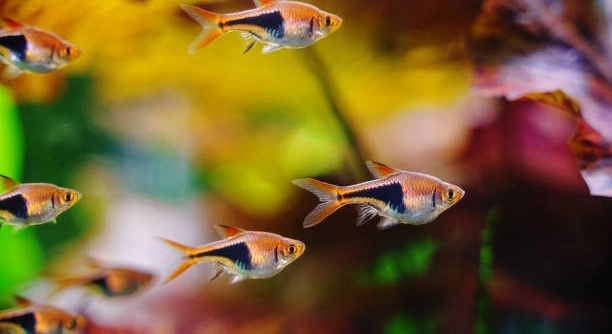
Rasboras are small, peaceful fish that are popular in home aquariums. Many fishkeepers appreciate their bright colors and active behavior, making them a delightful addition to any community tank. They thrive in a calm, stable environment.
Rasboras can adapt to bare-bottom tanks if proper care is maintained. Providing consistent water quality, regular cleaning, and hiding spots ensures their health and comfort, allowing them to display natural behaviors even without substrate.
Understanding how tank setup affects rasboras helps maintain a healthy environment. Small changes can improve their well-being and support a thriving aquarium community.
Benefits of Bare-Bottom Tanks for Rasboras
Bare-bottom tanks make maintenance simpler and water quality easier to control. Without substrate, uneaten food and waste do not get trapped, reducing ammonia spikes that can stress rasboras. This environment allows for quick observation of fish behavior and health, helping detect problems early.
For busy aquarists, cleaning a bare-bottom tank is much faster than gravel or sand setups. Daily or weekly water changes become simpler and more efficient, keeping the environment stable for the fish.
Many rasboras adapt well to bare-bottom tanks if hiding spaces and plants are provided. Floating or rooted plants can mimic natural shelters, reducing stress. Proper filtration, consistent water temperature, and careful monitoring of water chemistry ensure the fish remain healthy. Over time, rasboras can display natural schooling behavior, explore their space actively, and maintain vibrant colors. Observing them in a clear-bottom tank gives a unique view of their swimming patterns, which is harder to see with substrate covering the bottom. With attention to these details, bare-bottom tanks can provide a safe, comfortable home for these delicate fish.
Adjusting to a Bare-Bottom Environment
Rasboras may take a few days to adjust to a new tank floor. Keeping disturbances minimal helps reduce stress.
Introducing plants, smooth decorations, and hiding spots creates a sense of security. Monitoring behavior and water quality closely during the first few weeks is crucial. Gradually, the fish will explore the entire tank, showing normal swimming and feeding routines. Some individuals may initially cling to corners or decorations but will adapt with consistent care. Feeding smaller amounts multiple times a day prevents leftover food from accumulating. Observing interactions within the school is helpful, as stress signs can appear when fish feel exposed. Maintaining stable temperature and water parameters supports a smooth transition. Over time, rasboras will treat the bare-bottom tank like their natural environment, making it easier for caretakers to maintain cleanliness and monitor health.
Choosing the Right Decorations
Smooth rocks, driftwood, and artificial caves provide hiding spots without disturbing the tank floor. Floating plants can add cover and reduce light intensity, making rasboras feel more secure.
Decorations should allow open swimming areas for rasboras to school naturally. Avoid sharp edges that could injure delicate fins. Placing items strategically near corners or along tank edges gives fish spaces to retreat while maintaining open areas for free movement. Observing their behavior can help adjust placement over time. Decorations also help break up sight lines, reducing stress caused by constant exposure to the tank environment.
Plants and decorations require regular cleaning to prevent algae buildup. Bare-bottom tanks make this easier, as surfaces are visible and accessible. Removing debris and checking hiding spots for trapped waste ensures a clean environment. A well-maintained setup supports the health, behavior, and color of rasboras, letting them thrive without the complications of substrate.
Monitoring Water Quality
Frequent water testing is key in bare-bottom tanks. Checking ammonia, nitrite, nitrate, and pH levels ensures a stable environment for rasboras.
Bare-bottom setups allow for quick identification of waste buildup and uneaten food, reducing the risk of toxic spikes. Regular partial water changes help maintain proper parameters. Monitoring temperature is also crucial, as rasboras are sensitive to sudden fluctuations. Using a reliable filter and cleaning it consistently prevents debris accumulation, supporting oxygen levels and water clarity. Observing fish behavior, such as swimming patterns and coloration, provides early signs of water stress. Combining visual checks with chemical testing helps maintain a safe and healthy tank. Regular maintenance fosters stability, keeps disease risks low, and encourages normal schooling and feeding behaviors.
Feeding in Bare-Bottom Tanks
Feeding rasboras in a bare-bottom tank requires attention to portions. Small, frequent meals prevent leftover food from polluting the water.
Using sinking or slow-floating pellets allows fish to eat without stirring up debris. Observing how much they consume helps adjust feeding amounts, keeping the tank clean and maintaining water quality.
Schooling and Behavior
Rasboras display natural schooling behavior more visibly in bare-bottom tanks. Open floor space encourages coordinated swimming, reducing stress and promoting activity. Watching their interactions provides insight into their social structure and overall health, helping caretakers make adjustments to tank setup or group size if needed.
Cleaning and Maintenance
Routine cleaning is simpler in bare-bottom tanks. Debris is easy to spot and remove, supporting stable water conditions.
FAQ
Can rasboras live long-term in bare-bottom tanks?
Yes, rasboras can live long-term in bare-bottom tanks if water quality is maintained. Regular water changes, proper filtration, and stable temperature are essential. Providing hiding spots with plants or decorations helps them feel secure, reducing stress and supporting their overall health over time.
Will bare-bottom tanks affect rasboras’ behavior?
Bare-bottom tanks can change how rasboras interact with their environment slightly. Without substrate, they may spend more time near decorations or plants. However, open swimming space allows them to school naturally, and they often display their usual active, social behavior once they adapt.
Do rasboras need extra hiding spots in bare-bottom tanks?
Yes, decorations, driftwood, and floating or rooted plants create security in an exposed tank floor. Rasboras are small, shy fish and appreciate areas to retreat. These hiding spots reduce stress, encourage normal behavior, and help them feel comfortable in an otherwise open environment.
How often should water be changed in a bare-bottom tank?
Water changes should be done at least weekly, or more frequently if the tank is densely stocked. Bare-bottom setups allow waste to accumulate quickly in visible areas. Regular changes prevent ammonia and nitrite spikes and keep the tank chemistry stable, which is vital for rasboras’ health.
Is feeding different in a bare-bottom tank?
Feeding requires more attention to quantity. Small, frequent meals are best to prevent leftover food from fouling the water. Using sinking pellets or slow-floating flakes reduces mess and ensures all fish get food without stirring up debris on the tank floor. Observation helps adjust amounts.
Do bare-bottom tanks help detect health problems earlier?
Yes, a clear tank bottom allows easy observation of fish for signs of illness, like unusual swimming, fin damage, or changes in coloration. Quick detection helps caretakers respond promptly, improving survival rates and reducing the spread of disease in a small school of rasboras.
Can rasboras spawn in bare-bottom tanks?
They can spawn, but bare-bottom tanks offer fewer surfaces for eggs to attach. Providing plants, spawning mops, or fine mesh in the tank encourages successful breeding. Eggs are easier to monitor and clean in a bare-bottom setup, preventing fungal growth and increasing hatch rates.
Do bare-bottom tanks reduce maintenance work?
Yes, maintenance is simpler because debris is easy to see and remove. There’s no substrate to vacuum or rinse, making water changes and cleaning quicker. Filters may need regular checks, but overall, bare-bottom tanks save time and help maintain consistent water quality for rasboras.
Will rasboras be stressed without substrate?
Some stress is possible initially, but most adapt quickly if the tank includes plants, decorations, and stable water conditions. Open space can encourage schooling and active swimming, while proper hiding spots offset the lack of substrate. Gradual acclimation helps minimize stress.
Are bare-bottom tanks suitable for all rasbora species?
Most rasbora species adapt well, but some delicate or bottom-dwelling types may prefer substrate for comfort. Observing behavior is important, and adding gentle decorations or plants can make the environment suitable for more sensitive species while keeping the benefits of a bare-bottom setup.
Can I combine bare-bottom tanks with other fish species?
Yes, but choose tankmates carefully. Peaceful, non-aggressive species work best. Avoid bottom-dwelling fish that rely on substrate for foraging. Bare-bottom setups make feeding and waste monitoring easier, but tankmate behavior should be considered to prevent stress or competition for space and food.
How do I transition rasboras to a bare-bottom tank?
Move fish gradually, ensuring the new tank has stable water parameters. Adding familiar plants or decorations helps them adjust. Monitoring behavior during the first week is essential. Feed small meals and provide hiding spots. Most rasboras acclimate quickly and begin schooling normally once comfortable.
Is temperature management different in bare-bottom tanks?
Temperature management is similar to planted tanks, but without substrate, the tank may warm or cool slightly faster. Use a reliable heater and thermometer to maintain stability. Consistent temperature supports feeding, growth, and overall health, reducing stress and promoting natural activity.
Do bare-bottom tanks affect water chemistry?
Bare-bottom tanks allow easier observation and management of water chemistry. Without substrate trapping debris, ammonia and nitrite spikes are easier to prevent. Regular testing, water changes, and proper filtration maintain stable parameters, which are crucial for the health and coloration of rasboras.
Can I decorate bare-bottom tanks like regular tanks?
Yes, smooth rocks, driftwood, and plants can be arranged for hiding and visual appeal. Decorations provide shelter, reduce stress, and encourage natural behaviors. Placement matters—leave open swimming areas while offering retreats. Decorations also make the tank feel more natural for rasboras, improving their comfort and activity.
Final Thoughts
Bare-bottom tanks can be a practical and efficient choice for keeping rasboras. They simplify maintenance, making it easier to monitor water quality and remove uneaten food or waste. Without substrate, there is less material to trap debris, which helps prevent ammonia and nitrite spikes. This clear tank floor allows caretakers to see the fish closely and notice early signs of illness, such as changes in swimming patterns or coloration. While bare-bottom tanks might look minimal compared to gravel or sand setups, they provide a stable environment when water conditions are properly maintained. Regular partial water changes, a good filtration system, and stable temperature are all essential factors that contribute to the health and well-being of rasboras in these tanks.
Rasboras can adapt well to bare-bottom tanks if their basic needs are met. Providing hiding spots with smooth rocks, driftwood, or live and artificial plants helps them feel secure. These decorations break up open spaces and create small retreats, which reduce stress and encourage natural behaviors. Open swimming areas allow rasboras to school freely, showing coordinated movement and active interaction. Feeding is slightly different in a bare-bottom setup because leftovers can easily accumulate on the tank floor. Small, frequent meals with sinking or slow-floating pellets help keep the water clean while ensuring all fish get enough food. Observing their eating habits also allows caretakers to adjust portions as needed, maintaining both water quality and fish health. Over time, rasboras often settle into the tank and display normal behaviors, demonstrating that they can thrive in a well-maintained bare-bottom environment.
Bare-bottom tanks are not without considerations, but with attention to detail, they offer many benefits. Cleaning and maintenance are straightforward, and water quality can be managed efficiently. Tank decorations and plants create security and encourage natural activity, while open spaces make schooling more visible. Monitoring water parameters and fish behavior regularly ensures that any potential problems are caught early. This setup can be particularly helpful for those who want a simple, clean tank without substrate, while still providing a safe and comfortable home for rasboras. With consistent care and proper setup, a bare-bottom tank can support the long-term health, activity, and well-being of these small, lively fish, allowing them to thrive in a controlled, easy-to-maintain environment.

Hello,
If you enjoy the content that we create, please consider saying a "Thank You!" by leaving a tip.
Every little bit helps us continue crafting quality advice that supports the health, happiness, and well-being of pets around the world, for pets of all shapes, sizes, and species.
We really appreciate the kindness and support that you show us!