
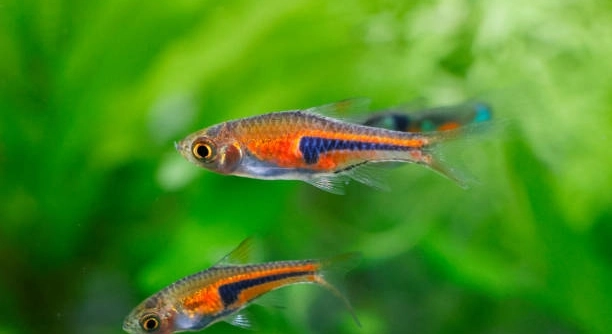
Rasboras are small, peaceful fish often kept in home aquariums. Many fish owners wonder if these tiny creatures can show signs of appreciation or comfort in their behavior. Understanding their actions helps create a better environment for them.
Rasboras do not show appreciation or comfort in ways humans recognize. Their behavior is mostly instinctual, focusing on survival rather than emotional expression. However, subtle signs like schooling and calm swimming can indicate they feel safe and unstressed.
Learning about rasbora behavior can help you provide a happier and healthier home for your fish. Observing their subtle cues reveals more about their needs and well-being.
Understanding Rasbora Behavior
Rasboras are known for their peaceful nature and schooling habits. They swim in groups, which helps them feel safe. When they are comfortable, they move smoothly and stay close to each other. If stressed, they may dart around quickly or hide. Watching their swimming patterns can tell you a lot about their mood. These fish respond mostly to their environment. Good water quality, proper tank mates, and enough space are important for their well-being. They do not show affection like mammals, but their calm behavior means they feel secure. Feeding time also reveals their comfort level. Rasboras that come to the surface eagerly during feeding are likely comfortable. If they hide or refuse food, something might be wrong. Small changes in their behavior can signal stress or illness. Being attentive to these details helps keep them healthy and peaceful.
Rasboras rely on natural instincts rather than emotional responses to interact with their surroundings.
Fish owners who learn to read these signs can better meet their rasboras’ needs and improve their care routine.
Signs of Comfort in Rasboras
Comfort in rasboras is mostly shown through stable behavior. When they swim calmly in groups, it means they feel safe in their tank.
When rasboras are comfortable, they exhibit steady swimming patterns and active feeding habits. Their colors appear brighter and more vivid, which is a good sign of health and well-being. On the other hand, if they are uncomfortable, they may become pale, stay hidden, or act restless. Water quality has a huge impact on their comfort level. Clean water with stable temperature and pH helps them thrive. Adding plants and places to hide also supports their sense of security. Tank mates should be peaceful, avoiding aggressive species that stress them. Observing their interaction with other fish can give clues about their comfort. Overall, a calm, well-maintained tank encourages rasboras to show natural, relaxed behavior. This creates a peaceful atmosphere for both the fish and the owner. Taking time to monitor these signs can make a real difference in how your rasboras live.
How Rasboras React to Stress
Rasboras show stress through changes in behavior. They may hide more often or swim erratically. Stress affects their health, so it’s important to watch for signs early.
When rasboras feel stressed, they lose their bright colors and become less active. They might hide behind plants or decorations and avoid eating. Stress can come from poor water conditions, aggressive tank mates, or sudden changes in the environment. If these issues are not fixed quickly, it can lead to illness or even death. Keeping the tank clean and stable helps reduce stress. Providing enough space and calm tank mates also makes a big difference. These small actions can help rasboras stay healthy and more comfortable in their home.
Stress in rasboras is often temporary if addressed properly. Removing the source of stress can help them return to normal behavior quickly. Regular tank maintenance and gentle care create a calm environment where rasboras feel safe to swim and interact naturally.
Can Rasboras Comfort Each Other?
Rasboras do not comfort each other like mammals, but their schooling behavior offers a form of security. Staying close together reduces fear and makes them feel safer.
Schooling helps rasboras stay alert to danger and feel less vulnerable. When kept in groups, they tend to be less stressed and more active. This group behavior reduces the chance of panic and helps maintain balance in the tank. While they don’t offer comfort in a human sense, the presence of other rasboras can improve their overall well-being. Seeing them swim together calmly often means they are content. Ensuring the group size is large enough is important because isolated rasboras can become stressed or shy. Their natural instinct to stick together provides a sense of safety, which is the closest thing to comfort they show.
Recognizing Signs of Appreciation
Rasboras don’t show appreciation like pets that seek attention, but their behavior can reflect comfort. Approaching food eagerly or swimming near the front of the tank can suggest they trust their environment.
Calm and steady swimming often means rasboras feel safe. They won’t dart nervously if they are content.
Building Trust with Rasboras
Building trust takes time and consistency. Feeding them gently and maintaining a stable environment helps rasboras become familiar with your presence. They may start to swim closer during feeding or stay calm when you approach the tank. Sudden movements or loud noises can scare them, so a quiet, predictable routine supports trust. Over time, they recognize feeding as a positive interaction. Trust is shown through relaxed swimming and normal eating habits rather than direct interaction like pets that seek physical affection.
The Role of Tank Environment
A well-kept tank is key to rasboras’ comfort and calm behavior.
Limitations in Rasbora Social Interaction
Rasboras have limited social behavior and do not form bonds like mammals or birds.
How can I tell if my rasbora is happy?
A happy rasbora usually swims calmly in groups and shows steady, smooth movements. Their colors appear bright and consistent, and they actively come to the surface or front of the tank during feeding times. When they hide less and don’t dart around nervously, it’s a good sign they feel secure.
Can rasboras get lonely?
Rasboras are schooling fish, so they feel safer and more comfortable in groups. Keeping them alone can lead to stress and shy behavior. It’s best to keep at least six rasboras together. While they don’t show emotional loneliness like mammals, being isolated can cause them to feel unsafe.
Do rasboras recognize their owners?
Rasboras don’t recognize owners the way pets like dogs or cats do. However, they learn to associate feeding time with your presence. Over time, they may swim closer when you approach the tank, but this is more about food expectation than true recognition.
Why do my rasboras hide all the time?
Hiding is usually a sign of stress, fear, or poor water conditions. It can happen if the tank is too small, there are aggressive tank mates, or the water parameters aren’t right. Check for stable temperature, clean water, and peaceful companions to reduce hiding.
Can rasboras show affection?
Rasboras don’t show affection like mammals do. Their social behavior is based on survival and safety. Swimming close in schools is a natural instinct to protect themselves, not a way of showing love or affection.
What should I do if my rasboras seem stressed?
Identify and fix the cause quickly. Check water quality, tank size, and tank mates. Reduce sudden movements around the tank and keep feeding times consistent. Adding plants or hiding spots can help them feel more secure. Regular tank cleaning is essential to keep stress low.
Do rasboras communicate with each other?
Rasboras don’t communicate with sounds or expressions but use body language and schooling behavior to stay coordinated and safe. Their movements tell the group about danger or changes in the environment.
Is it normal for rasboras to be shy?
Yes, rasboras are naturally shy fish. They prefer hiding and staying in groups. Shyness is a sign they are trying to avoid predators or stress, which is normal in their natural behavior.
How important is tank size for rasboras’ comfort?
Tank size is very important. Small tanks can cause stress, leading to poor health and hiding. Rasboras need enough space to swim freely in groups. A minimum of 10 gallons is recommended for a small school, but bigger is always better.
Can changes in the tank affect rasboras’ mood?
Yes, sudden changes like new tank mates, water changes, or rearranged decorations can stress rasboras. They thrive on stable environments. Make changes slowly and carefully to avoid upsetting them.
How often should I feed my rasboras?
Feed small amounts twice a day. Overfeeding can pollute the water, causing stress and illness. Rasboras eat small flakes, pellets, or live food, so variety helps keep them healthy and interested.
What signs show that rasboras are comfortable with their tank mates?
If rasboras swim calmly near other fish without hiding or chasing, it shows compatibility. Aggressive or larger fish can stress them. Peaceful, similar-sized tank mates create a more relaxed environment.
Can rasboras survive alone if there’s no group?
While they can survive alone, rasboras are happiest and healthiest in groups. Being alone increases stress and can lead to poor behavior and weakened immune response.
How do water conditions impact rasboras’ behavior?
Poor water quality causes stress, hiding, and illness. Clean, well-filtered water with stable temperature and pH keeps rasboras active and comfortable. Testing water regularly helps maintain the right conditions.
What is the best way to introduce new rasboras to a tank?
Introduce new rasboras slowly and carefully. Quarantine new fish before adding them to avoid disease. Rearrange the tank to create hiding spots. Monitor their behavior closely to make sure they adjust well and don’t stress existing fish.
Can I tell if a rasbora is sick from its behavior?
Yes, signs like lethargy, loss of appetite, erratic swimming, or faded colors may indicate illness. Prompt attention and water checks can prevent worsening health.
Do rasboras interact with plants or decorations?
Rasboras use plants and decorations for shelter and hiding. They don’t play but benefit from these for security, which lowers stress and improves comfort.
How long does it take for rasboras to feel comfortable in a new tank?
It varies, but usually, it takes several days to a week. Providing stable conditions, group companions, and a quiet environment helps them settle faster.
Are there any specific behaviors that show a rasbora is stressed or scared?
Rapid, jerky swimming, hiding constantly, clamped fins, or staying at the tank’s bottom are common signs of stress or fear. Immediate action to improve conditions is needed.
Can I train my rasboras to come to me?
While not trainable like some pets, rasboras can learn to associate your presence with feeding. They may swim closer at feeding time, but this is not a form of social bonding.
What tank setup helps rasboras feel most secure?
A tank with plenty of plants, open swimming space, and peaceful tank mates is ideal. Stable water parameters and regular maintenance also create a secure, low-stress environment for rasboras.
Rasboras are small, peaceful fish that bring life to any aquarium. While they do not show appreciation or comfort like pets such as cats or dogs, their behavior can still tell us a lot about how they feel. Watching how they swim, eat, and interact with each other helps owners understand their needs. Rasboras mainly rely on instinct and natural behavior rather than emotional expression. This means their way of showing comfort is subtle, mostly through calm swimming, schooling in groups, and steady feeding habits. When these signs are present, it means the fish feel safe and unstressed in their environment.
Creating the right environment is key to helping rasboras live comfortably. Clean water, proper temperature, and a peaceful tank with plenty of space and plants all contribute to their well-being. Stress causes changes in their behavior, like hiding or erratic swimming, which can lead to illness if not addressed. Keeping a stable and healthy tank reduces stress and helps rasboras stay active and colorful. Grouping them with similar peaceful fish is also important, since rasboras depend on schooling for security. While they do not form emotional bonds or show affection, the presence of other rasboras helps them feel less vulnerable.
Understanding that rasboras’ behavior is based on survival instincts rather than emotional responses allows owners to care for them better. Paying attention to their subtle signals, such as swimming patterns or appetite, helps detect when something is wrong. Though rasboras do not comfort each other in a human sense, their natural schooling behavior provides a type of security that promotes calmness. By focusing on a stable environment, careful feeding, and regular tank maintenance, owners can support their rasboras’ health and comfort. This simple but attentive care makes a big difference in how these beautiful fish thrive.

Hello,
If you enjoy the content that we create, please consider saying a "Thank You!" by leaving a tip.
Every little bit helps us continue crafting quality advice that supports the health, happiness, and well-being of pets around the world, for pets of all shapes, sizes, and species.
We really appreciate the kindness and support that you show us!