
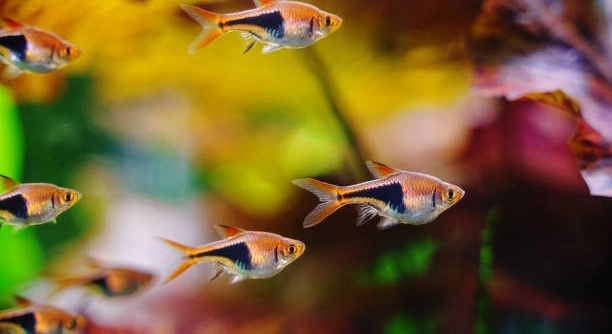
Many aquarium owners care deeply about their fish’s well-being and often wonder how sensitive their pets are to water changes. Rasboras, small and lively fish, are popular choices for home tanks due to their peaceful nature and attractive appearance. Understanding how these fish respond to water conditions is important for maintaining a healthy environment.
Rasboras do not have the ability to sense water changes before they occur. Their behavior may change after a water change due to differences in temperature, chemistry, or water quality, but there is no scientific evidence supporting anticipation of water replacement.
Learning how rasboras react to water changes can help you improve their care and reduce stress during maintenance. This article explores what affects their behavior and how to create a stable habitat for them.
How Rasboras React to Water Changes
Rasboras are sensitive to sudden changes in their environment, especially changes in water quality. When fresh water is added to the tank, even if it is clean and treated, the fish may notice differences in temperature, pH, or chemical composition. These changes can cause temporary stress, leading to altered swimming patterns or hiding behavior. It is important to perform water changes gradually to minimize shock. A steady routine and consistent water parameters help rasboras feel secure. They rely on stable conditions to thrive, so abrupt shifts can disturb their comfort. Observing their reactions closely after water changes allows you to adjust your care routine as needed. Avoid changing too much water at once or using untreated tap water, which might introduce harmful substances. Using water conditioners and matching the temperature of new water with the tank water will reduce stress and keep rasboras healthy.
Keeping water conditions stable is key to avoiding stress-related health problems in rasboras.
Gradual water changes preserve the delicate balance in the tank, helping rasboras stay calm and healthy over time.
Signs of Stress in Rasboras After Water Changes
Rasboras can show clear signs of stress when water changes affect their environment. These signs include erratic swimming, loss of color, clamping of fins, or hiding more than usual. Such behavior suggests that the fish are uncomfortable with the new conditions or that the water parameters are off balance. Stress can weaken their immune systems, making them more prone to disease. Consistent monitoring after water changes is essential to catch early signs of distress. Ensuring the water is free from chlorine, ammonia, and nitrites helps reduce stress. If rasboras seem overly stressed, smaller and more frequent water changes can be a better approach. Understanding these signs allows better care and adjustment of maintenance routines to support their well-being. A calm and stable environment promotes healthier, more active fish.
Preparing Water for Rasboras
Water preparation before a change is essential to protect rasboras from stress. The new water must match the tank’s temperature and be free from harmful chemicals.
Using a water conditioner removes chlorine and chloramine, making tap water safe for fish. Measuring temperature helps avoid sudden shifts that can shock the fish. Adjusting pH levels to be close to the tank’s current water supports a stable environment. Preparing water in advance allows any chemical changes to settle, reducing risks during the change. Properly prepared water helps rasboras adjust smoothly, preventing behavioral issues and health problems caused by poor water quality.
Inconsistent water quality can stress rasboras and make them vulnerable to illness. Taking time to prepare water properly ensures they remain comfortable and healthy during water changes.
Best Practices for Water Changes with Rasboras
Frequent but small water changes are better than large, infrequent ones. Changing about 20-30% of the water weekly keeps the tank clean without shocking the fish.
Always remove debris and excess food before the water change. Use a siphon to clean the substrate gently. Adding new water slowly into the tank helps rasboras adjust gradually. Monitor water parameters regularly to maintain consistent pH, temperature, and hardness. Avoid changing more than half the water at once, which can cause stress or illness. These practices create a stable habitat that supports the health and natural behavior of rasboras. Proper water change routines lead to happier, more active fish.
Common Mistakes During Water Changes
Changing too much water at once can stress rasboras and disrupt tank balance. Rushing the process often leads to temperature shocks or sudden chemical shifts.
Using untreated tap water introduces chlorine and harmful chemicals. Skipping water testing prevents early detection of harmful changes in water quality.
How to Monitor Rasbora Health After Water Changes
Observe behavior and appearance closely after each water change. Look for signs like lethargy, loss of color, or unusual hiding. Regular testing of water parameters such as ammonia, nitrite, nitrate, and pH helps catch problems early. Maintaining a stable environment supports their health and reduces the risk of disease, ensuring the fish remain active and vibrant.
Adjusting Frequency of Water Changes
Adjust water change frequency based on tank size, fish population, and filtration efficiency. More crowded tanks or smaller tanks need more frequent changes to maintain water quality.
FAQ
Can Rasboras sense when water is about to be changed?
No, rasboras do not have the ability to predict water changes before they happen. Their behavior may shift after the water change due to differences in temperature, pH, or water chemistry, but they do not anticipate the event itself.
Why do rasboras hide after a water change?
Rasboras may hide because they feel stressed by the sudden change in their environment. Even small differences in water temperature or chemistry can cause discomfort. Hiding is a natural response to stress and usually subsides once the fish adjust.
How often should I change the water in a rasbora tank?
It is best to change about 20-30% of the water weekly. This keeps the tank clean without causing too much disruption. Smaller, regular water changes help maintain stable water quality and reduce stress.
What temperature should the new water be for rasboras?
The new water should closely match the current tank temperature. Sudden temperature changes can shock rasboras and lead to health issues. Use a reliable thermometer to ensure the new water is within one or two degrees of the tank water.
Can untreated tap water harm rasboras?
Yes, untreated tap water often contains chlorine or chloramine, which are toxic to fish. Always use a water conditioner to neutralize these chemicals before adding water to the tank.
What signs show that water quality is poor?
Signs include rasboras swimming erratically, gasping at the surface, loss of color, clamped fins, or increased hiding. Testing water parameters can confirm issues with ammonia, nitrite, or nitrate levels.
How can I reduce stress during water changes?
Prepare water in advance to match temperature and chemistry, change water slowly, and avoid cleaning the entire tank at once. Keeping a consistent schedule and using a water conditioner also helps minimize stress.
Is it okay to change all the water at once?
Changing all the water at once is not recommended. It can cause drastic changes in water chemistry and temperature, leading to severe stress or even death. Partial water changes are safer and more effective.
Should I turn off the filter during water changes?
It is usually best to leave the filter running to maintain water circulation and biological filtration. However, avoid cleaning the filter media with chlorinated water, as it can kill beneficial bacteria.
Can adding new water affect pH levels?
Yes, if the new water has a different pH from the tank water, it can cause shifts that stress the fish. Testing and adjusting the pH before adding new water helps maintain stability.
What is the best way to remove debris during water changes?
Use a siphon or gravel vacuum to gently remove debris and waste from the substrate. This prevents buildup of harmful substances and helps keep the tank clean.
Can stress from water changes cause illness in rasboras?
Yes, stress weakens the immune system and makes fish more susceptible to diseases like ich or fin rot. Minimizing stress through proper water change practices is key to keeping rasboras healthy.
How do I know if my water conditioner is effective?
A good water conditioner removes chlorine and chloramine and detoxifies heavy metals. Check product reviews and instructions, and test tap water after treatment if possible.
Is it necessary to test water parameters regularly?
Regular testing is important to ensure ammonia, nitrite, nitrate, and pH levels remain safe. Testing allows early detection of problems before fish show signs of distress.
Can overfeeding affect water quality and rasbora health?
Yes, leftover food decomposes and pollutes the water, leading to spikes in harmful chemicals. Feed small amounts and remove uneaten food promptly to maintain water quality.
What should I do if water parameters are off after a change?
Perform a smaller, more frequent water change to gradually restore balance. Avoid large changes that could cause further stress. Monitor fish closely and test water regularly.
How long does it take for rasboras to adjust after a water change?
Adjustment time varies but usually takes a few hours to a day. Signs of stress should decrease as fish become accustomed to the new conditions.
Can lighting affect rasbora behavior after water changes?
Yes, sudden changes in lighting combined with water changes can increase stress. Keeping a consistent light schedule helps maintain calm behavior.
Is it better to do water changes at a specific time of day?
Many prefer doing water changes during daylight hours when the fish are most active. This allows better observation of their reactions and health.
Are live plants helpful during water changes?
Live plants improve water quality by absorbing nitrates and providing hiding spots. They help create a stable environment and reduce stress during water changes.
What should I avoid when changing water for rasboras?
Avoid using soaps, detergents, or untreated water. Don’t change too much water at once or perform changes too infrequently. These mistakes can harm your fish and disrupt the tank’s balance.
Can water hardness affect rasbora health after water changes?
Yes, sudden changes in water hardness can stress fish. Try to maintain consistent hardness levels by using similar source water or adjusting with additives if necessary.
Should I acclimate rasboras if I change a large portion of the water?
If changing a large amount of water, slowly add the new water over time rather than all at once. This helps fish adjust to new conditions and reduces stress.
How do I know if my rasboras are comfortable in their tank?
Comfortable rasboras swim actively, display bright colors, and interact naturally. They feed regularly and explore their environment without excessive hiding.
Is it okay to change water during feeding time?
Avoid water changes during or right after feeding, as this can increase stress. It’s better to feed after the water change once the fish have settled.
Water changes are an important part of keeping rasboras healthy and happy. While these fish cannot sense water changes before they happen, their behavior often changes afterward due to differences in temperature, chemistry, or water quality. Keeping water conditions stable and performing water changes carefully helps reduce stress and supports their well-being. It is important to match the temperature and treat new water properly before adding it to the tank. Gradual water changes and consistent routines create a safer environment for rasboras.
Monitoring water parameters regularly is just as important as the water changes themselves. Checking ammonia, nitrite, nitrate, and pH levels ensures the tank remains safe for the fish. Poor water quality can cause illness and stress, which makes rasboras more vulnerable. Small, frequent water changes prevent sudden fluctuations that could harm the fish. Using a siphon to clean the substrate removes waste and keeps the tank healthy. These simple steps together provide a better environment where rasboras can thrive.
Understanding rasboras’ reactions to water changes allows owners to improve their care. Signs of stress like hiding or clamped fins should not be ignored. Taking time to prepare water in advance, changing it slowly, and avoiding large, sudden changes help reduce discomfort for the fish. Proper water maintenance practices lead to more active, colorful, and healthy rasboras. With patience and attention, these small fish can live longer and show their natural, peaceful behavior. Maintaining a stable tank environment benefits both the fish and their keepers.

Hello,
If you enjoy the content that we create, please consider saying a "Thank You!" by leaving a tip.
Every little bit helps us continue crafting quality advice that supports the health, happiness, and well-being of pets around the world, for pets of all shapes, sizes, and species.
We really appreciate the kindness and support that you show us!