
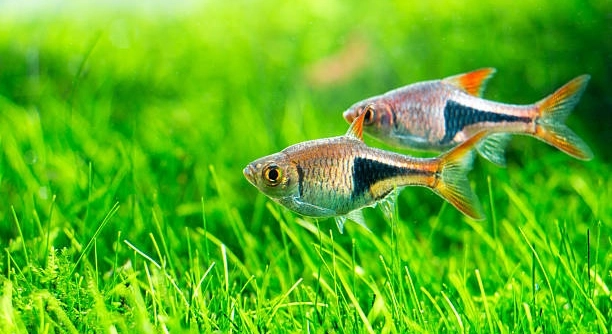
Do you ever find yourself wondering how small fish like rasboras interact with the world around them, especially through light?
Yes, rasboras can recognize light patterns. Studies show that these fish respond to changes in lighting and use visual cues to guide their behavior. This sensitivity plays a role in schooling, navigation, and feeding activities.
Light perception in rasboras reveals more about their behavior and the role of vision in aquatic environments than most people realize.
How Rasboras Use Light in Their Daily Behavior
Rasboras rely heavily on light to navigate their environment. These small fish are diurnal, meaning they are most active during the day when light levels are higher. In natural habitats like streams and ponds, rasboras use light changes to identify food, avoid predators, and stay close to their school. They tend to follow each other based on quick visual cues, which are easier to detect in well-lit settings. Researchers have found that even subtle shifts in light intensity can affect how rasboras move and interact. This means artificial lighting in home tanks should mimic natural patterns as closely as possible. Using timers to maintain consistent light cycles helps reduce stress and promotes healthy behavior. While rasboras don’t see light the same way humans do, they still detect patterns and contrast, which guide their actions. Their reactions to light make them fascinating to observe in controlled environments like aquariums.
When light dims, rasboras become less active and seek hiding spots or rest quietly among plants.
In tanks, sudden changes in brightness can cause rasboras to scatter or swim erratically. Gradual lighting transitions are better for their comfort. Some aquarists even use dim lighting to encourage breeding behaviors, since rasboras prefer softer conditions when laying eggs.
Light Patterns and Rasbora Communication
Rasboras don’t use sound or scent for communication like other animals. Their visual system is key, and light helps them signal one another.
In groups, rasboras use body position and swimming movements to stay in sync. Light plays a role in this, allowing them to keep track of each other. When the lighting is stable and gentle, their schooling behavior becomes more coordinated. Harsh or flickering lights can disrupt this rhythm and lead to confusion. This is especially important in community tanks where several species coexist. Calm, steady lighting allows rasboras to feel secure, reducing the chance of erratic swimming or hiding. Light intensity also influences their coloration. In soft light, rasboras display subtle hues that can change slightly depending on mood or stress levels. Observing these changes can help caretakers better understand their fish. For those who breed rasboras, using soft morning or evening light settings can help mimic natural conditions and support healthy reproductive behavior.
How Tank Lighting Affects Rasbora Behavior
Bright, constant lighting can cause stress in rasboras, while soft, natural lighting encourages calm behavior. Balanced light cycles support their natural rhythms, helping them stay active during the day and rest properly when lights are off.
Inconsistent lighting confuses rasboras, especially when it shifts too quickly between bright and dark. These fish are used to the gentle light transitions found in nature. Sudden changes often lead to darting or hiding. To reduce this stress, it’s helpful to use a light timer and avoid placing tanks in areas with frequent shadows or sudden light exposure. Soft, diffused light works best, especially when combined with plants that offer shade. This balance allows rasboras to move confidently and maintain their natural patterns. Too much brightness can also dull their color over time, while gentler lighting tends to bring out their subtle iridescent tones, making their schooling behavior more pleasant to watch.
Too little light can disrupt feeding routines and reduce interaction among rasboras. When the tank is too dim, they become inactive and may avoid open areas. Moderate lighting ensures they stay alert and social. A setup with 8–10 hours of light per day mimics daylight and encourages healthy, predictable behavior without overwhelming their senses.
Can Rasboras Recognize Specific Light Patterns?
Rasboras respond well to light patterns that repeat daily. Their internal rhythm adjusts to routines, making them more comfortable and consistent in their actions. Over time, they associate certain light levels with feeding or rest.
While rasboras do not recognize shapes or images created by light the way some larger fish might, they are sensitive to shifts in brightness, contrast, and rhythm. For example, they often swim toward dim areas when light gradually fades, a behavior likely rooted in instinct. This ability to follow light cues helps them stay safe and locate calm zones. In aquariums, you can use soft morning lights followed by brighter midday lighting and a slow fade in the evening to simulate a full day. These light transitions help rasboras maintain a natural schedule. Although they do not react to flashing patterns or deliberate designs, steady light shifts can influence schooling and social interaction in subtle, observable ways.
Environmental Cues and Light Sensitivity
Rasboras rely on light as a signal for daily routines like feeding, schooling, and resting. A consistent light schedule helps regulate their behavior and reduces unnecessary stress in a controlled environment like an aquarium.
Fluctuating light levels caused by room lighting or window glare can confuse rasboras. Keeping their tank in a stable, low-traffic area with indirect light improves their comfort and reduces erratic swimming patterns.
Light Color and Rasbora Preferences
Rasboras respond best to soft white or warm-colored light, which closely mimics their natural environment. Avoid overly bright blue or harsh white lighting, as it can make them anxious or lead to hiding. Warmer tones support healthy activity and show off their natural coloring without overstimulating their senses.
Final Thoughts on Lighting Setup
A calm lighting setup helps rasboras feel safe and behave naturally. Keep it steady, soft, and close to what they would experience in the wild.
FAQ
Can rasboras see in the dark?
Rasboras cannot see well in total darkness. They rely mostly on vision to navigate and interact with their surroundings. In complete darkness, their activity slows down, and they tend to remain still or hide. While they may detect some low light using light-sensitive cells in their eyes, it’s not enough to guide their behavior. This is why you’ll notice rasboras become less active at night. They don’t have night vision like some other fish species. Keeping a regular light cycle helps them understand when to rest and when to be active.
Do rasboras get stressed by too much light?
Yes, rasboras can get stressed if the lighting is too strong or inconsistent. Overexposure to bright light can cause them to dart around the tank, hide more often, or lose color. They prefer soft, diffused lighting that mimics the natural shade found in their habitats. If your rasboras seem restless or are avoiding open spaces, consider adjusting the brightness or adding more plants to provide cover. A consistent light schedule is just as important as the light intensity. Avoid turning lights on and off suddenly, as that can startle them.
How many hours of light do rasboras need each day?
Rasboras do best with about 8 to 10 hours of light each day. This amount supports their natural rhythm and keeps them active at the right times. Too much light can disrupt their rest periods, while too little can affect feeding and social behavior. Using a timer to manage light cycles is helpful, especially if your room has variable natural light. If they are kept in constant light or dark conditions, rasboras may lose their typical schooling behavior and show signs of stress. Maintaining a balanced day-night cycle is key to keeping them healthy.
Can lighting influence rasbora breeding behavior?
Yes, lighting can influence breeding activity in rasboras. Many aquarists find that softer lighting during the early morning and evening hours creates better conditions for spawning. Bright lighting is not ideal for this purpose, as it can make the fish feel exposed. Mimicking natural light cycles by gradually increasing and dimming the light helps rasboras feel more comfortable. In breeding setups, gentle lighting paired with a calm environment improves the chances of success. Maintaining a consistent light schedule over several days is important when encouraging rasboras to spawn, as it signals a stable and safe environment.
Do rasboras recognize flashing lights or patterns?
Rasboras are sensitive to light changes but do not recognize specific flashing patterns the way some animals do. Sudden flashes or flickers of light usually make them feel unsafe, causing them to scatter or hide. Their vision is tuned to detect motion and contrast rather than distinct shapes or colors in flashing sequences. Repeated flashing may even lead to stress or confusion. It’s best to avoid decorative lighting modes that rapidly change color or intensity. Simple, soft lighting that shifts gradually is more suitable for their well-being.
Is it necessary to use a special aquarium light for rasboras?
Special lighting isn’t required, but it should be soft, consistent, and not overly intense. Standard LED or fluorescent aquarium lights work well as long as they produce a natural tone and are not too harsh. Avoid using colored lights unless they are specifically designed for freshwater tanks. It’s more important to control the duration and intensity of the light than to use advanced lighting systems. Plants in the tank can also help soften the light naturally while offering shade. Keeping things simple and steady is best for rasboras.
Can rasboras adapt to a new light schedule?
Yes, but they need time to adjust. Sudden changes in lighting schedules can cause confusion and stress. If you need to change their lighting routine, do it gradually over several days. Slowly shifting the on/off time by 15–30 minutes each day gives rasboras a chance to adapt. Abrupt shifts can disrupt feeding times, rest patterns, and general behavior. Once a new routine is established, stick to it consistently. Like many small fish, rasboras rely on predictability to feel secure. Timed lighting systems are helpful for maintaining this stability without relying on memory or daily manual changes.
Final Thoughts
Lighting plays an important role in rasbora behavior and well-being. These small fish depend on visual cues for schooling, feeding, and staying safe. Light helps them understand when to be active and when to rest. In their natural environment, light changes slowly throughout the day, and they follow this rhythm without confusion. In home aquariums, replicating that same balance makes a noticeable difference. A setup with soft, consistent lighting helps rasboras feel more relaxed and behave in predictable, healthy ways. It also supports their natural coloring, which can fade or become dull under harsh lights. Watching them swim calmly in gentle lighting shows how much these changes matter.
Rasboras do not respond well to sudden shifts in brightness or loud, flashing light patterns. These changes can stress them out, causing erratic swimming, hiding, or loss of appetite. That’s why it’s better to avoid switching lights on and off abruptly. Using a timer is a simple solution. It helps create a steady routine that matches their internal clock. Over time, rasboras learn to expect light at certain hours. This regular pattern allows them to stay active during the day and rest at night. If the lighting is too bright or too dim, their behavior may change. They may become less social or stop swimming in groups. A good balance helps them remain alert, coordinated, and comfortable.
While rasboras are not able to recognize shapes or specific images formed by light, they do sense brightness, contrast, and gentle transitions. These basic visual cues help guide their movement and interaction. In breeding tanks, softer light conditions help promote spawning and reduce stress. Whether you keep rasboras in a planted tank or a more open setup, the right lighting makes a clear difference. It doesn’t need to be fancy or expensive—just steady, soft, and close to natural conditions. Taking the time to set up the right light schedule not only benefits your rasboras but also improves your overall aquarium experience. When rasboras feel secure, their natural behavior becomes more visible, making them more enjoyable to observe. Lighting may seem like a small detail, but for rasboras, it shapes much of their daily life.

Hello,
If you enjoy the content that we create, please consider saying a "Thank You!" by leaving a tip.
Every little bit helps us continue crafting quality advice that supports the health, happiness, and well-being of pets around the world, for pets of all shapes, sizes, and species.
We really appreciate the kindness and support that you show us!