
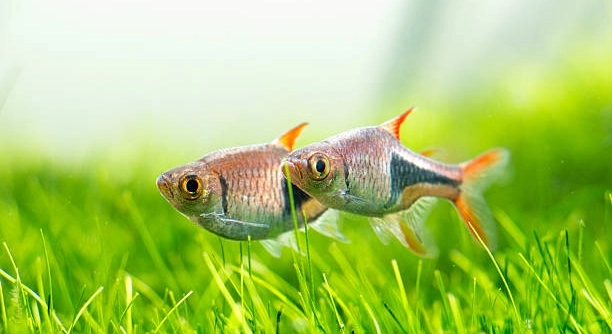
Rasboras are small, active fish that many people enjoy keeping in home aquariums. They often swim in groups and show lively behavior. Observing their daily habits can be both relaxing and interesting for fish keepers.
Rasboras can develop routines based on feeding times and tank conditions, but they do not get “stuck” in routines like humans might. Their behavior is mostly influenced by environmental factors and stimuli rather than repetitive habits.
Knowing how rasboras respond to their environment helps improve their care and keeps their behavior healthy and natural. This article will explain what affects their routines and why variety matters.
How Rasboras Adapt to Their Environment
Rasboras are very sensitive to changes in their surroundings. They quickly learn the schedule of feeding times and can often be seen swimming toward the surface when it’s time to eat. This behavior might look like they are stuck in a routine, but it is actually a response to consistent external cues. Their environment, including water temperature, light, and tank mates, plays a large role in shaping how they behave day to day. If anything changes suddenly, such as a new fish being added or the light schedule being altered, their behavior will shift as they adjust. This ability to adapt helps them survive in nature and keeps them alert in captivity.
Their routine-like behavior mainly comes from expecting food and feeling safe in a familiar environment.
Observing these patterns can help aquarium owners understand their fish better and provide care that matches their needs. Knowing when rasboras are most active or calm allows for more thoughtful tank management and feeding schedules.
Signs of Stress from Repetitive Behavior
Repetitive swimming in one spot or hiding too often can be signs that rasboras are stressed. These behaviors differ from normal routines because they indicate discomfort or poor conditions. Stress might result from overcrowding, poor water quality, or a lack of stimulation in the tank. When rasboras experience stress, they may lose their bright colors and become less active. It’s important to recognize these signs early to prevent illness.
Creating a healthy environment means more than feeding on time; it requires space, clean water, and variety in the tank.
To reduce stress and avoid repetitive, negative behavior, tank owners should provide plants, decorations, and enough swimming room. Regular water changes and maintaining the right temperature are essential. Adding a few compatible tank mates can also help by encouraging natural schooling behavior. Varying feeding times slightly can keep rasboras alert and reduce the risk of them becoming bored or anxious. Overall, paying attention to their environment and behavior will keep rasboras healthy and active without them getting stuck in harmful routines.
Feeding Habits and Routine Behavior
Rasboras quickly recognize feeding times and tend to gather near the surface when they expect food. This behavior can seem like a routine but is actually based on learned timing.
Consistent feeding schedules help rasboras feel secure, but strict timing can lead to impatience or stress if food is delayed. Varying the feeding time slightly can reduce this. Offering a mix of flakes, pellets, and occasional live or frozen foods keeps their diet balanced and interesting. This variety helps prevent boredom and supports their natural foraging instincts, which is important for their overall well-being.
Overfeeding or sticking to only one type of food may cause health problems and lead to sluggish or repetitive behaviors. Paying attention to how rasboras respond during feeding can help maintain their activity and happiness in the tank.
Encouraging Natural Behavior in Rasboras
Adding live plants and decorations encourages natural swimming and hiding behavior, reducing boredom and stress. These elements create a stimulating environment that keeps rasboras active.
Providing a tank setup with open swimming spaces alongside dense plant areas mimics their natural habitat. This balance allows them to explore while feeling safe. Including other peaceful fish species can promote schooling and social interaction, which are important for rasbora health. Rotating decorations or changing the layout occasionally introduces new stimuli, preventing the fish from becoming too used to a fixed environment. This helps maintain their interest and natural behaviors, supporting a healthier, happier tank.
Recognizing Repetitive Movements
Rasboras sometimes swim in tight circles or pace back and forth, which can indicate boredom or stress. These movements differ from their usual schooling behavior and suggest a need for environmental change.
If repetitive movements increase, it’s a sign to check water quality and tank conditions. Small changes can help them feel more comfortable.
The Role of Lighting in Behavior
Lighting affects rasboras’ activity levels and mood. Too much light can stress them, while too little may make them less active. A balanced day-night cycle helps maintain natural rhythms. Using a timer for consistent lighting creates a stable environment and supports healthy behavior patterns.
When to Adjust Tank Setup
If rasboras show signs of stress or boredom, consider rearranging decorations or adding plants. Changes in the tank can refresh their environment and encourage more natural behavior. Small adjustments often improve their well-being and reduce repetitive routines.
FAQ
Can rasboras really get stuck in a routine?
Rasboras don’t get stuck in routines the way humans do. Their behavior follows environmental cues like feeding times, light cycles, and tank setup. They may act predictably if these conditions stay the same, but they are always reacting to what’s around them. If their environment changes, their behavior changes too. So, what looks like a routine is actually a response to consistent signals rather than a fixed habit.
How can I tell if my rasboras are stressed?
Signs of stress in rasboras include repetitive swimming in one spot, hiding more than usual, faded colors, and reduced activity. Stress often comes from poor water quality, overcrowding, or sudden changes in the tank. Watching for these behaviors early helps prevent illness. Testing water regularly and keeping the tank clean supports their health and reduces stress.
What’s the best way to feed rasboras without causing stress?
Feed rasboras small amounts twice a day at slightly varied times rather than at a strict schedule. Offering a mix of flakes, pellets, and live or frozen food keeps their diet balanced and interesting. Overfeeding can cause water issues and lead to sluggish behavior. Keep feeding portions small enough that they finish quickly, which prevents leftover food from polluting the tank.
Can changing the tank layout improve rasbora behavior?
Yes. Rearranging plants, decorations, or adding new hiding spots refreshes the environment. This encourages exploration and natural swimming behavior, reducing boredom and repetitive actions. Even small changes can make a difference. Just be careful not to stress them by making too many changes at once.
How important is lighting for rasbora behavior?
Lighting plays a key role in regulating rasbora activity. Too bright or too long lighting can cause stress, while too little light may reduce activity. A consistent light cycle of about 10 to 12 hours a day is best. Using a timer ensures they get a stable day-night rhythm, which helps keep their behavior natural and healthy.
Are rasboras social fish, and does that affect their routines?
Rasboras are schooling fish and feel safest in groups of six or more. Being with others encourages natural swimming patterns and reduces stress. When kept alone or in too small groups, they may develop odd behaviors or appear stuck in a routine. A proper group size promotes healthier and more active behavior.
What should I do if my rasboras seem bored?
Introduce new tank elements like live plants or safe decorations to add variety. Slightly changing feeding routines can also help. Encouraging social interaction by keeping a proper group size will make your rasboras more lively. Boredom often shows as repetitive swimming or hiding, so fresh stimuli help break that cycle.
Is water quality linked to behavior routines in rasboras?
Absolutely. Poor water quality causes stress, which can lead to repetitive or unusual behaviors. Keeping ammonia, nitrites, and nitrates low through regular water changes keeps rasboras healthy and active. Clean, well-maintained water supports natural behavior and prevents them from developing negative patterns.
Can feeding at the same time every day harm rasboras?
Feeding at the same time creates expectation but can cause impatience if delayed. Slightly varying feeding times prevents stress and keeps them alert. Predictability is comforting, but too much rigidity in timing may lead to frustration or repetitive waiting behavior.
Do rasboras need stimulation besides food to avoid routine behavior?
Yes. Food alone is not enough. They benefit from an enriched environment with plants, hiding spots, and companions. Interaction with their surroundings keeps them curious and active. Lack of stimulation can cause boredom and repetitive behavior that looks like being stuck in a routine.
Rasboras are small fish that react a lot to their environment. They don’t really get stuck in routines like people do. Instead, they respond to things like when they are fed, the light in their tank, and how their space is arranged. If everything stays the same for a long time, their behavior may look like a routine, but it is just their way of adapting to what they expect. When changes happen in their tank, their behavior usually changes too. This means they are flexible and can adjust rather than being stuck doing the same thing over and over without reason.
It is important to pay attention to how rasboras act because their behavior can tell us if they are healthy or stressed. Sometimes, repetitive swimming or hiding too much shows they are not comfortable. This often happens when the water is dirty, the tank is too small, or they don’t have enough things to explore. By keeping the tank clean, providing enough space, and adding plants or decorations, we help keep rasboras happy and active. Changing things around sometimes, even just a little, helps prevent boredom and keeps their natural behaviors strong. When they are in a good environment, their colors stay bright and their activity stays lively.
Taking care of rasboras means understanding that their habits come from how we care for them. Feeding them on a regular but slightly varied schedule, offering different kinds of food, and making sure the light and tank setup feel natural all support their well-being. Rasboras enjoy being with others, so keeping a group helps them feel safe and encourages healthy social behavior. Watching for signs of stress and making changes early can prevent problems before they become serious. Overall, creating a balanced and interesting environment is the best way to keep rasboras from showing signs of being stuck in a routine and helps them live a healthy, comfortable life.

Hello,
If you enjoy the content that we create, please consider saying a "Thank You!" by leaving a tip.
Every little bit helps us continue crafting quality advice that supports the health, happiness, and well-being of pets around the world, for pets of all shapes, sizes, and species.
We really appreciate the kindness and support that you show us!