
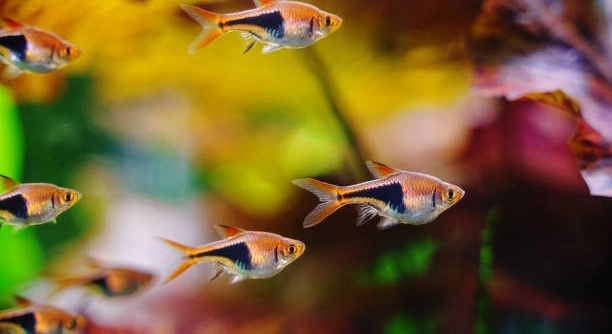
Rasboras are small, peaceful fish popular in home aquariums. Many fish owners enjoy their vibrant colors and active swimming habits. Sometimes, people notice changes in their behavior that seem unusual or unexpected.
Rasboras do not typically get “grumpy” or moody in the way humans do. However, they can show stress or discomfort through changes in activity, appetite, or social interactions, which may be mistaken for moodiness.
Learning to recognize these signs can help ensure your rasbora stays healthy and happy in its environment. Understanding their behavior better supports a balanced and thriving aquarium community.
Understanding Rasbora Behavior
Rasboras are social fish that thrive in groups. Their behavior is mostly driven by their environment and how comfortable they feel in it. When their tank conditions are ideal—clean water, proper temperature, enough space, and compatible tank mates—they tend to be active and calm. Changes in their surroundings can make them more reserved or restless. For example, poor water quality or sudden noise may stress them, causing them to hide or swim erratically. Unlike humans, rasboras don’t experience emotions like moodiness but respond instinctively to discomfort. Observing their body language, such as clamped fins or faded colors, can help you spot signs of stress early. Maintaining a stable environment is key to preventing unusual behavior.
When rasboras act differently, it usually points to external factors rather than personality changes.
Knowing how rasboras react helps in creating a peaceful tank. This way, they remain lively and interact well with each other, making your aquarium more enjoyable to watch.
Signs of Stress in Rasboras
Stress in rasboras can show through changes in behavior, which may seem like mood swings.
Stress affects rasboras in many ways. They might stop eating, hide more than usual, or become less active. Sometimes, they may swim frantically or isolate themselves from the group. These behaviors are signals that something in their environment is off. Common causes include poor water quality, incorrect temperature, overcrowding, or aggressive tank mates. Stress weakens their immune system, making them vulnerable to diseases. Regular water testing and maintenance help avoid these problems. Offering a well-planted tank with hiding spots can reduce stress. Monitoring their behavior closely ensures quick action if signs of discomfort appear. Keeping the environment stable promotes healthier, calmer rasboras that show natural swimming and social habits. Recognizing these signs early means you can make adjustments before stress causes long-term harm.
Common Causes of Behavioral Changes
Behavioral changes in rasboras often come from their environment. Stressors like poor water quality, overcrowding, or sudden changes in light or temperature can affect them quickly.
Water quality is crucial. High ammonia or nitrate levels irritate fish, causing them to hide or become inactive. Overcrowding leads to competition for food and space, increasing stress. Sudden loud noises or rapid movements near the tank can startle rasboras, making them skittish. Changes in lighting, like flickering or too bright, can also upset them. Regular water checks, proper tank size, and a calm environment help keep behavior steady. Adjustments to these factors usually improve their mood and activity.
A balanced diet also impacts their behavior. Feeding them appropriate, varied food supports their health and reduces signs of stress or agitation.
How to Improve Rasbora Mood
Improving rasbora behavior focuses on creating a stable and comfortable environment. Regular water changes and keeping tank parameters steady are essential for their well-being.
Providing plenty of plants and hiding places helps rasboras feel secure. They naturally enjoy exploring and having spots to retreat when stressed. Avoid overcrowding the tank to reduce competition and aggression. Feeding small amounts several times a day instead of one large feeding helps maintain consistent energy levels. Monitoring water temperature within their preferred range keeps them active and comfortable. Gentle tank mates that don’t bully rasboras contribute to a peaceful community. Small changes in the tank setup, like adding floating plants for shade, can also reduce stress. Taking these steps can restore calm behavior and encourage natural swimming patterns, making your rasboras more lively and less “grumpy.”
Monitoring Rasbora Health
Keeping an eye on your rasboras’ health helps spot issues early. Watch for changes in color, appetite, or swimming patterns as these can indicate stress or illness.
Regular observation lets you act quickly. Healthy rasboras are active, eat well, and show bright colors.
Preventing Stress in Rasboras
Consistent water quality and tank maintenance prevent most stress in rasboras. Avoid sudden changes and provide a calm environment with plenty of hiding spots. Stable conditions reduce behavioral problems and promote long-term health.
When to Consult a Specialist
If behavior changes persist despite proper care, consulting a fish expert or veterinarian is important. They can diagnose underlying health issues and recommend treatment to protect your rasboras.
Tank Setup Tips
Choosing the right tank size and environment from the start helps prevent stress. A well-planted tank with gentle lighting supports natural behavior and comfort.
FAQ
Can rasboras really get “grumpy” like people do?
Rasboras do not experience emotions like humans. What seems like “grumpiness” is usually a reaction to stress or discomfort. Changes in their behavior are signs they might be unhappy with their environment, such as poor water conditions or tank mates that bother them.
What are common signs that a rasbora is stressed?
Signs include hiding more than usual, loss of appetite, fading colors, or erratic swimming. They might isolate themselves or show less interest in swimming with their group. Stress weakens their immune system and can lead to illness if not addressed.
How can I reduce stress for my rasboras?
Keep water parameters stable by testing regularly and doing partial water changes. Avoid overcrowding and aggressive fish in the tank. Add plants and hiding places to help them feel secure. Feeding a balanced diet and keeping a consistent routine also helps.
Can changes in lighting affect rasbora behavior?
Yes. Too much light or sudden changes in brightness can cause rasboras to become skittish or hide. Soft, consistent lighting with places to retreat is best for their comfort and natural activity.
Is tank size important for rasbora mood?
Definitely. Rasboras need enough space to swim freely and live in groups. A small or overcrowded tank causes stress and can change their behavior negatively. A minimum of 10 gallons for a small group is recommended.
What should I feed rasboras to keep them healthy?
A varied diet of high-quality flake food, micro pellets, and occasional live or frozen foods like daphnia or brine shrimp keeps them healthy. Avoid overfeeding, as this can pollute the water and cause health problems.
How often should I clean the tank to keep rasboras comfortable?
Partial water changes of 20-30% every week or two are ideal. This keeps toxins low and water fresh. Regular cleaning of filters and gravel also prevents harmful buildup.
Can rasboras live with other fish without stress?
Yes, but tank mates should be peaceful and similar in size. Avoid aggressive or very active fish that may chase or outcompete rasboras for food. Good companions help reduce stress and support natural behavior.
What are signs of illness in rasboras beyond mood changes?
Look for white spots, frayed fins, rapid breathing, or bloating. These indicate possible infections or parasites that require prompt treatment.
How do I know if a rasbora is unhappy due to tank conditions?
If multiple fish show stress signs and environmental tests show poor water quality, your tank conditions may be the issue. Addressing these quickly usually improves their behavior and health.
Can sudden noise or movement affect rasbora behavior?
Yes, loud noises or quick movements near the tank can startle them. They may hide or swim nervously until they feel safe again.
Do rasboras need companions to avoid stress?
They are schooling fish and feel most secure in groups of at least six. Being alone can make them shy or inactive.
Is it normal for rasboras to change behavior during breeding?
Yes, during breeding, some rasboras may act more territorial or reserved. This is temporary and usually doesn’t last long.
What should I do if my rasbora stops eating?
Check water quality first. If parameters are good, try offering live or frozen foods to stimulate appetite. If eating doesn’t improve, a vet consultation may be necessary.
How do temperature changes affect rasboras?
Rasboras prefer stable temperatures between 72-78°F. Sudden drops or spikes can stress them and cause behavior changes or illness.
Can plants in the tank improve rasbora mood?
Yes, plants provide hiding spots and create a natural environment. This reduces stress and encourages natural swimming and schooling behavior.
Are there specific tank decorations that help rasboras feel secure?
Soft plants, smooth rocks, and driftwood create hiding places without sharp edges. These features help reduce stress and provide resting spots.
How long does it take for rasboras to adjust to a new tank?
Adjustment can take days to a few weeks. During this time, they might hide more or act shy. Keeping conditions stable helps them settle faster.
What happens if rasboras are kept in too small a group?
They may become shy, inactive, or stressed without enough companions. Groups of six or more are ideal for social interaction and well-being.
Is it normal for rasboras to sometimes hide for hours?
Occasional hiding is normal, especially if they feel threatened or during rest. However, constant hiding indicates a problem with their environment or health.
Rasboras are peaceful and active fish that bring life to any aquarium. While they do not experience emotions like humans, their behavior can change based on how comfortable they feel in their environment. Sometimes, what may seem like “grumpiness” or moodiness is actually a sign of stress or discomfort. It is important to pay attention to these behavior changes because they often indicate something in the tank needs adjustment. Simple steps such as keeping the water clean, maintaining a stable temperature, and providing enough space can make a big difference in how your rasboras behave.
Taking good care of your rasboras means creating a calm and stable environment where they can thrive. These fish do best in groups of six or more, so they feel safe and interact naturally with each other. Adding plants and hiding spots in the tank helps reduce stress by giving them places to retreat when needed. Feeding them a balanced diet and avoiding sudden changes to their surroundings also supports their well-being. When rasboras are comfortable, they swim actively, display bright colors, and show natural social behavior, which is rewarding to watch.
Monitoring your rasboras regularly will help you catch any signs of stress or illness early. If you notice they are hiding too much, losing appetite, or showing unusual swimming patterns, it is time to check water quality and tank conditions. Sometimes, changes in behavior require attention from a specialist or veterinarian to make sure there is no underlying health problem. Overall, understanding rasbora behavior and meeting their needs creates a healthier and happier tank. This leads to a more enjoyable experience for both the fish and the person caring for them.

Hello,
If you enjoy the content that we create, please consider saying a "Thank You!" by leaving a tip.
Every little bit helps us continue crafting quality advice that supports the health, happiness, and well-being of pets around the world, for pets of all shapes, sizes, and species.
We really appreciate the kindness and support that you show us!