
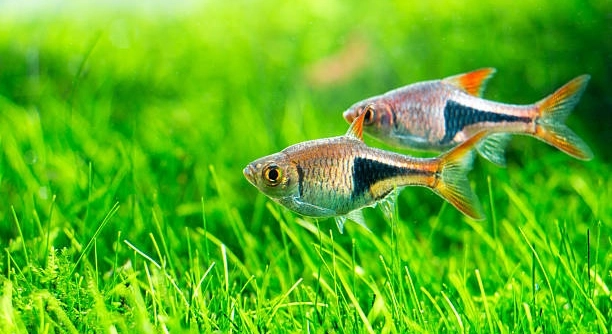
Rasboras are popular freshwater fish often kept in home aquariums for their lively behavior and small size. Many fishkeepers enjoy their presence but sometimes wonder about their health, including whether rasboras can gain excess weight over time.
Rasboras can become overweight if they are overfed or kept in environments lacking enough exercise. Excess fat in these fish may lead to health complications and reduced lifespan, making proper feeding and tank conditions essential to prevent obesity.
Understanding the causes and signs of rasbora weight gain can help maintain their well-being. This article outlines practical steps to keep your fish healthy and active for the long term.
Causes of Rasbora Weight Gain
Rasboras usually stay slim when their diet and environment are balanced. However, overfeeding is a common cause of excess weight in these fish. Feeding too often or giving more food than they can eat leads to unused calories turning into fat. Another factor is a tank that is too small or lacks swimming space. Rasboras are active fish that need room to move around. Without enough exercise, they can gain weight even if the food is limited. Poor water quality can also affect their metabolism and health, contributing to weight problems. It is important to feed rasboras only what they need and provide a spacious, clean tank.
Overfeeding and restricted swimming space are the main reasons rasboras gain excess weight. These two issues often happen together.
Keeping their environment clean and providing moderate food portions helps rasboras stay healthy. Regular tank maintenance and attention to feeding habits reduce the risk of obesity and support overall fish well-being.
Recognizing an Overweight Rasbora
Signs of an overweight rasbora include a noticeably rounded belly and slower movement compared to others in the tank. Their fins may also appear less active or droopy. Watching your fish closely during feeding can help you notice these changes early. Weight gain may sometimes be confused with illness, so it is important to check water quality and behavior carefully.
When a rasbora becomes overweight, it faces higher risks of organ stress and swim bladder issues. These health problems affect their ability to swim and digest food properly. Adjusting the diet by reducing food amount and offering high-quality, balanced flakes or pellets can help. Introducing live or frozen foods in moderation encourages natural foraging behavior, which supports activity. Increasing tank size or adding plants and decorations can create an environment that promotes movement and reduces boredom. Regular water changes and monitoring keep the habitat safe and healthy. Preventing obesity protects your rasbora’s lifespan and quality of life.
How to Prevent Rasbora from Getting Fat
Controlling the amount of food is the best way to prevent rasboras from becoming overweight. Feeding small portions once or twice a day works well.
Offering a varied diet with balanced nutrients helps keep rasboras healthy. Using high-quality flakes or pellets designed for small tropical fish supports their nutritional needs without excess calories. Occasionally adding live or frozen foods, like daphnia or brine shrimp, encourages natural hunting behavior and keeps them active. Avoid overfeeding by removing uneaten food promptly, which also prevents water quality issues. Creating a spacious tank with plants and decorations gives rasboras places to swim and explore, helping maintain their fitness.
Regular tank maintenance is important for preventing weight problems. Clean water supports good metabolism and overall health. Keeping the environment stimulating reduces stress and boredom, which can cause inactivity and overeating. Consistency in feeding routines and tank care provides the best conditions for rasboras to thrive without gaining unwanted weight.
Adjusting Diet and Environment for Overweight Rasboras
Cutting back on food quantity and improving diet quality can help reduce excess weight in rasboras. Feeding smaller amounts more frequently helps avoid overeating. Switching to nutrient-rich food with less filler supports health without causing fat buildup. Removing uneaten food quickly is essential to avoid pollution.
Increasing swimming space is important when addressing overweight fish. A larger tank or rearranging decorations to allow more room promotes movement and exercise. Adding live plants or floating objects encourages natural behavior and activity. Monitoring water quality closely during this adjustment phase is necessary to prevent stress or illness. Patience and consistent care during these changes can restore your rasbora’s health and vitality over time.
Feeding Tips for Healthy Rasboras
Feed rasboras small portions to avoid leftovers. Remove any uneaten food within a few minutes to keep the water clean.
Use high-quality flakes or pellets made for small tropical fish. Supplement their diet occasionally with live or frozen foods for variety.
Ideal Tank Conditions for Rasboras
A tank size of at least 10 gallons is recommended for a small group of rasboras. Provide plenty of swimming space with plants and open areas. Maintain stable water parameters with regular changes and avoid sudden fluctuations. Clean, well-oxygenated water helps keep rasboras active and healthy.
Monitoring Rasbora Health
Watch for changes in behavior or appearance. Early detection of problems helps prevent serious issues.
FAQ
Can rasboras get fat from overfeeding?
Yes, rasboras can become overweight if they are fed too much. Overfeeding leads to excess calories turning into fat, which can cause health problems like swim bladder issues and reduced activity. Feeding smaller portions and removing uneaten food helps prevent this.
How often should I feed my rasboras?
Feeding rasboras once or twice a day with small amounts is ideal. They should consume the food within a few minutes. Overfeeding or frequent feeding without enough exercise can lead to weight gain and poor water quality.
What types of food are best for rasboras?
High-quality flakes or pellets made for tropical fish are good staples. Adding live or frozen foods such as daphnia, brine shrimp, or bloodworms occasionally provides variety and encourages natural hunting behavior.
Can tank size affect my rasbora’s weight?
Yes, a small or overcrowded tank can limit movement, causing rasboras to become less active and gain weight. Providing a tank of at least 10 gallons with enough swimming space helps keep them fit.
How can I tell if my rasbora is overweight?
An overweight rasbora may have a noticeably rounded belly and swim more slowly. Their fins might droop or seem less active. Observing their behavior and appearance regularly helps catch weight issues early.
What should I do if my rasbora is overweight?
Reduce the food amount and switch to nutrient-rich options with fewer fillers. Increase tank size or rearrange decorations to encourage more swimming. Keep water clean and stable to support their health during weight loss.
Can poor water quality cause weight problems?
Poor water quality stresses fish and can disrupt their metabolism, which might contribute to weight gain or illness. Regular water changes and maintaining proper filtration are essential for a healthy tank environment.
Is it okay to fast my rasbora occasionally?
Occasional fasting, like skipping one day of feeding per week, can help regulate metabolism and prevent obesity. However, fasting should not be overdone and should be combined with balanced feeding and good tank conditions.
Do rasboras need exercise to stay healthy?
Yes, they are active swimmers and need space to move. Exercise helps burn calories and maintain muscle tone, preventing fat buildup. Creating a tank layout that encourages swimming supports their natural behavior.
Can stress cause rasboras to gain weight?
Stress often causes fish to eat less or become inactive, but it can also affect metabolism. While stress alone might not directly cause weight gain, it weakens immune function and overall health, so reducing stress is important.
Should I separate overweight rasboras from other fish?
Generally, it’s not necessary to separate overweight rasboras unless they show signs of illness or aggression. Instead, focus on improving diet and tank conditions for all fish to promote overall health.
How long does it take for an overweight rasbora to lose weight?
Weight loss depends on the severity and the changes made to diet and environment. With proper care, noticeable improvements can appear within a few weeks, but patience and consistency are key.
Are there specific rasbora species more prone to gaining weight?
No specific species is known to be more prone to obesity. Weight gain mostly depends on diet, tank size, and activity levels rather than species differences.
Can I use supplements to help my rasbora lose weight?
Supplements are generally unnecessary if the diet is balanced and feeding is controlled. Focus on proper nutrition and tank care rather than adding supplements.
What are the risks of ignoring rasbora obesity?
Ignoring weight gain can lead to organ stress, swim bladder problems, reduced lifespan, and increased vulnerability to disease. Addressing the issue early ensures better health and longevity for your fish.
Rasboras are small, active fish that bring life and color to any aquarium. Keeping them healthy means paying close attention to their diet and environment. Overfeeding is a common mistake that can cause these fish to gain too much weight, which may lead to health problems. Providing the right amount of food and maintaining a clean, spacious tank are key steps in preventing this. When rasboras have room to swim and receive balanced nutrition, they are less likely to become overweight and more likely to live longer, healthier lives.
Maintaining proper tank conditions goes hand in hand with careful feeding. A tank that is large enough and well-planted gives rasboras a natural environment where they can stay active. Regular water changes and monitoring water quality support their metabolism and overall health. Keeping the water clean also reduces stress, which is important because stressed fish are more prone to illness. Encouraging natural behaviors, like swimming and foraging, helps keep rasboras in good shape. Small changes to diet and environment often make a big difference in their well-being.
If a rasbora does become overweight, adjusting its diet and increasing exercise can help restore health. Reducing food amounts and switching to higher-quality, nutrient-rich foods support weight loss. Adding space in the tank and including plants or decorations encourages movement and natural activity. It is important to be patient and consistent with these changes, as weight loss in fish takes time. Watching your rasbora closely for signs of improvement or illness helps guide care decisions. Taking these steps will help your fish stay healthy and enjoy a good quality of life.

Hello,
If you enjoy the content that we create, please consider saying a "Thank You!" by leaving a tip.
Every little bit helps us continue crafting quality advice that supports the health, happiness, and well-being of pets around the world, for pets of all shapes, sizes, and species.
We really appreciate the kindness and support that you show us!