
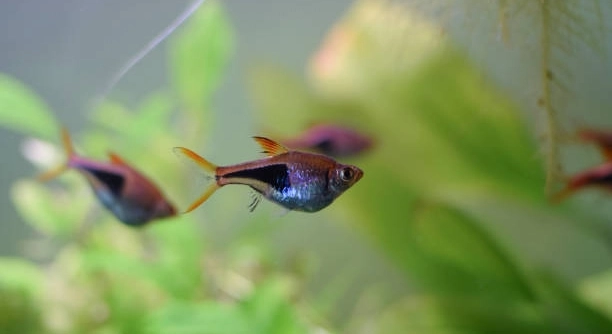
Many fish owners enjoy keeping rasboras in their aquariums for their peaceful nature and bright colors. Sometimes, they wonder if these small fish can get bored in their tank environment. Understanding their behavior helps improve their care and wellbeing.
Rasboras can show signs of boredom if their environment lacks stimulation or variety. Providing a well-decorated tank with plants, hiding spots, and companions helps keep them active and engaged, promoting healthier and happier fish.
Knowing how to enrich your rasbora’s environment can make a big difference in their daily behavior and overall health. This article will help you create a more interesting and suitable home for your fish.
Signs That Rasboras May Be Bored
Rasboras are active fish that enjoy swimming through plants and exploring their tank. When their environment is dull or empty, they might swim aimlessly or hide more often. You could notice them losing their vibrant color or becoming less social with other fish. Sometimes, they might stop eating well or seem restless. These changes usually happen slowly, so it’s important to watch your fish closely. A lack of stimulation affects their mental health, just like it would with any pet. Adding variety in their surroundings helps them feel safe and engaged. You might see them playing around new decorations or investigating plants and caves. When your rasboras are active and interacting with their environment, it’s a good sign they are content. Watching for these behaviors can help you know when it’s time to make changes in their tank.
Boredom in rasboras shows mainly through dull colors, less activity, and hiding behavior.
Keeping a lively tank with different plants and decorations encourages healthy movement and natural behavior. Regularly changing the layout or adding new objects keeps their curiosity alive. It’s important to avoid overcrowding, as stress can hide signs of boredom. If your rasboras have companions, they tend to be more active and less likely to become bored. Grouping them in small schools lets them interact socially, which is natural for these fish. Ensuring good water quality and feeding varied foods also supports their energy and mood. Paying attention to these details will help you maintain a healthy environment that prevents boredom.
How to Keep Rasboras Engaged
Providing a tank with plenty of hiding places and live plants creates an interesting environment.
Using natural decorations like driftwood, rocks, and different plants lets rasboras explore safely. Adding floating plants can create shaded areas they enjoy. Changing the tank setup every few weeks encourages them to explore and stay active. Feeding a mix of foods, including flakes, pellets, and occasional live or frozen treats, keeps their diet interesting and stimulates natural hunting behaviors. Watching your fish’s reactions to these changes helps you find what they prefer. Small details like gentle water flow and proper lighting also impact their mood and activity levels. These steps help keep your rasboras happy and thriving in their home.
Tank Setup Tips to Prevent Boredom
A well-planned tank setup helps keep rasboras active and interested. Using a mix of open swimming space and planted areas creates balance. Changing the arrangement occasionally invites exploration.
Plants not only provide hiding spots but also improve water quality. Choose a variety of plants with different shapes and heights to simulate a natural environment. Avoid overcrowding the tank, as too many decorations can limit swimming space. Driftwood and smooth rocks add texture and places to explore. Adding a gentle water current can mimic their natural habitat and encourage movement. Lighting should be moderate—too bright or too dim can stress the fish. Keeping a stable temperature and clean water supports their health and activity. Small changes in the tank can keep your rasboras curious and happy over time.
Having a diverse, clean, and stable tank environment makes a big difference in preventing boredom.
Social Needs of Rasboras
Rasboras are schooling fish and thrive best in groups. Keeping at least six together reduces stress and promotes natural behavior. Alone, they may become shy or inactive. Groups encourage interaction and movement, which helps prevent boredom. Mixing compatible species can add interest but avoid aggressive tank mates. Social dynamics keep the fish mentally engaged. Watch for signs of stress if you add new fish or change group sizes. Providing enough space for everyone reduces conflicts and allows for healthy interaction. Remember, social needs are as important as environmental ones for keeping rasboras happy. When their social needs are met, they show brighter colors and livelier behavior, which is rewarding to observe.
Feeding Routine and Variety
Feeding your rasboras a consistent schedule helps them feel secure and healthy. Offering a balanced diet with variety keeps them interested in mealtime.
Mixing flakes, pellets, and occasional live or frozen foods provides necessary nutrients and stimulates natural hunting instincts. Avoid overfeeding to prevent water quality issues.
Environmental Enrichment Ideas
Introducing floating plants or small toys can encourage exploration and play. Moving decorations occasionally prevents the tank from becoming too familiar. These changes keep rasboras curious and active, reducing boredom and stress.
Recognizing Stress vs. Boredom
Stress in rasboras often shows as rapid breathing, clamped fins, or hiding. Boredom tends to be more subtle, like sluggish swimming or disinterest. Knowing the difference helps provide proper care and environment adjustments.
FAQ
Can rasboras get bored if they live alone?
Yes, rasboras are social fish that naturally live in groups. When kept alone, they often become inactive, shy, or stressed. Without companions, they lack social interaction, which can lead to boredom. Keeping them in small schools of at least six helps them stay active and happier.
How can I tell if my rasbora is bored or sick?
Boredom usually shows as sluggish swimming, hiding, or reduced interest in food. Sick fish often display more obvious signs like clamped fins, rapid breathing, or spots on their body. Monitoring behavior and physical condition closely can help you tell the difference.
What are the best tank decorations to prevent boredom?
Live plants, driftwood, and smooth rocks work well. They create hiding spots and variety for exploration. Floating plants add shaded areas, which rasboras appreciate. Changing decorations occasionally keeps the tank environment fresh and stimulating.
How often should I rearrange the tank?
Rearranging every few weeks is enough to keep your rasboras curious without causing stress. Make small changes, like moving plants or adding new decorations, rather than a complete overhaul. This encourages exploration while keeping them comfortable.
What kind of diet keeps rasboras interested?
A mix of high-quality flakes or pellets with occasional live or frozen foods is ideal. Variety stimulates natural hunting behavior and ensures balanced nutrition. Feeding small amounts twice a day prevents overfeeding and keeps your fish eager during mealtime.
Are there specific tank mates that help reduce boredom?
Peaceful schooling fish like small tetras or danios can be good companions. Avoid aggressive or much larger fish that may stress rasboras. Compatible tank mates encourage social interaction, making the tank more lively and interesting.
Can lighting affect rasbora behavior?
Yes, moderate lighting mimics their natural habitat and encourages activity. Too bright lighting may cause stress, while very dim lighting can make them less active. Using a light timer helps maintain a regular day-night cycle, supporting their natural rhythm.
Is water quality important for preventing boredom?
Absolutely. Poor water quality stresses fish and can make them lethargic or hide more. Keeping water clean, stable in temperature, and properly filtered ensures your rasboras stay healthy and active. Regular water changes and testing are key.
Do rasboras need a current or water flow?
A gentle water flow mimics their natural environment and encourages swimming. Too strong a current can tire them out or cause stress, so aim for a mild, consistent flow. This helps maintain their energy and reduces boredom.
What should I do if my rasboras seem bored despite changes?
Review tank size, social group, and environmental variety first. Sometimes, subtle issues like water parameters or lighting need adjustment. If everything seems correct, try adding new plants or hiding spots gradually. Consulting a specialist can help if problems persist.
Can boredom cause health problems in rasboras?
Yes, chronic boredom can lead to stress, which lowers their immune system and makes them prone to disease. Active, engaged fish have better overall health. Providing a stimulating environment supports both mental and physical wellbeing.
Is it normal for rasboras to be less active at times?
Yes, like all fish, rasboras have rest periods, especially during the night or low light. Occasional quiet behavior doesn’t mean boredom, but persistent inactivity might signal a need for change in their environment or care.
How important is tank size for preventing boredom?
A larger tank offers more space to swim and explore, reducing boredom. A minimum of 10 gallons for a small school is recommended. Crowded tanks can cause stress and limit natural behavior, so space is key for their happiness.
Can live plants alone prevent boredom?
Live plants help a lot by offering hiding places and improving water quality, but they are best combined with other elements like open swimming areas, decorations, and tank mates. Variety in the tank setup keeps rasboras more engaged.
Should I use toys or artificial objects in the tank?
Simple, smooth objects like tunnels or ceramic caves can be good for exploration. Avoid sharp or toxic materials. Toys can add enrichment but keep the environment natural and safe to avoid stress.
How often should I feed live or frozen foods?
Offering live or frozen foods once or twice a week is enough to add variety and nutrition. Overfeeding can cause water issues, so balance it with regular flakes or pellets for daily feeding.
What role does temperature play in rasbora activity?
Rasboras prefer temperatures between 72°F and 79°F. If the water is too cold, they become sluggish; too warm can increase stress. Maintaining the right temperature range keeps them active and healthy.
Are there signs that indicate my rasboras enjoy their environment?
Active swimming, bright colors, social behavior with tank mates, and regular eating are good signs. When they explore plants and decorations confidently, it shows they feel safe and stimulated.
Can I use a mirror to entertain rasboras?
Briefly showing a mirror can stimulate activity but should be limited to avoid stress. Rasboras may react to their reflection as if it’s another fish, which can cause excitement or agitation.
How long does it take for rasboras to adjust to a new tank setup?
Usually, they adapt within a few days to a week. During this time, watch for signs of stress or hiding. Gradual changes help them feel comfortable and reduce adjustment stress.
Rasboras are lively and social fish that do best in environments where they feel safe and engaged. Creating a balanced aquarium with enough space, plants, and hiding spots helps keep them interested in their surroundings. When their tank offers variety, they are more likely to swim actively and show natural behaviors. This helps reduce boredom and supports their mental wellbeing. It’s important to watch for subtle signs like dull colors or less activity, which might mean your fish need more stimulation. By paying attention to these details, you can provide a better home that meets their needs.
Maintaining good water quality and stable conditions is just as important as tank decorations and companions. Clean, well-filtered water keeps rasboras healthy and less prone to stress, which can sometimes look like boredom. Temperature, lighting, and gentle water flow also play roles in how comfortable and active they feel. Feeding a varied diet adds another layer of enrichment, as it encourages natural hunting behaviors and prevents mealtime from becoming boring. Small changes over time—like rearranging plants or adding new tank mates—can keep your fish curious without overwhelming them.
Overall, preventing boredom in rasboras is about understanding their natural habits and meeting their social and environmental needs. They thrive best in groups and in tanks that offer a mix of open spaces and sheltered spots. Keeping the environment fresh with occasional changes encourages exploration and activity. Watching your fish regularly helps you spot when something might be off so you can adjust care as needed. Taking these steps will help your rasboras stay happy, healthy, and lively for a long time.

Hello,
If you enjoy the content that we create, please consider saying a "Thank You!" by leaving a tip.
Every little bit helps us continue crafting quality advice that supports the health, happiness, and well-being of pets around the world, for pets of all shapes, sizes, and species.
We really appreciate the kindness and support that you show us!