
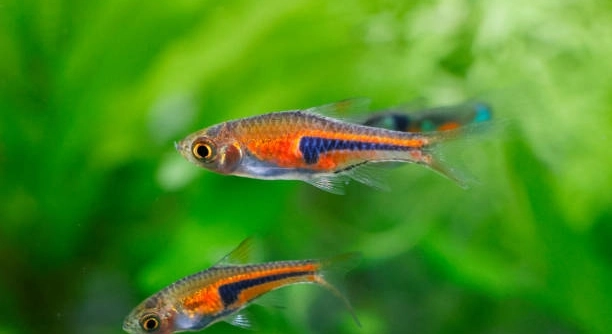
Rasboras are small, peaceful fish often kept in home aquariums. They swim in groups and interact with other fish species around them. Many fish owners wonder about the memory abilities of these tiny creatures.
Research shows that rasboras can form memories of other fish. They recognize familiar individuals after repeated encounters, demonstrating social memory that helps them navigate their environment and interactions. This ability supports group cohesion and reduces stress.
Learning how rasboras remember others offers insight into their social behavior and care needs. This knowledge can help aquarium enthusiasts create a healthier environment for their fish.
How Rasboras Recognize Other Fish
Rasboras use their senses to remember other fish in their tank. Their vision helps them notice size, color, and movement patterns. When they see the same fish repeatedly, they start to recognize these details. Over time, this recognition forms a simple memory, allowing them to differentiate between familiar tank mates and strangers. This ability is helpful in reducing conflicts because they can feel more comfortable around fish they know. It also helps in forming social groups, where rasboras tend to stick together with familiar fish. These memories may not be very complex, but they are enough to guide daily interactions. This means that even small fish like rasboras have a certain level of social intelligence that influences their behavior in an aquarium setting.
Memory in fish is not only about survival but also about creating smoother social lives.
Rasboras’ memory of others supports peaceful tank dynamics and helps them avoid unnecessary stress from unfamiliar fish.
Factors That Affect Memory Formation
Stress, tank size, and environment complexity influence how well rasboras remember other fish.
Stress can weaken their ability to form clear memories. A crowded or noisy tank may confuse them, making it harder to recognize familiar fish. On the other hand, a stable environment with hiding spots and enough space promotes better memory formation. The more natural and calm their surroundings, the easier it is for rasboras to learn and recall who is who. Tank decorations, lighting, and water quality all play a role too. These factors combine to create conditions that either help or hinder memory retention.
Understanding these factors can improve how you care for your rasboras.
Creating a tank environment that reduces stress and supports natural behavior encourages better social memory. You can improve memory formation by maintaining clean water, avoiding overcrowding, and offering plenty of hiding places. This allows rasboras to recognize and feel secure with their tank mates, making the aquarium a peaceful space. Regular feeding schedules and gentle handling also reduce stress and support their overall well-being. By paying attention to these details, you give your rasboras the best chance to form lasting memories and thrive in your care.
How Long Rasboras Remember Other Fish
Rasboras can remember familiar fish for several days to a few weeks, depending on conditions. Their memory fades faster if the environment is stressful or changes often.
In stable conditions, repeated interaction helps strengthen their memory of other fish. When rasboras see the same companions regularly, they keep recognizing them for longer periods. This memory helps maintain social bonds and reduces aggression within the group. However, if new fish are introduced frequently or the tank environment is unsettled, their ability to remember others weakens.
Memory duration also depends on how much time they spend together. Fish that swim closely and interact more tend to form stronger and longer-lasting memories. This natural recognition helps keep the group calm and organized over time.
Benefits of Rasboras Remembering Other Fish
Remembering other fish helps rasboras reduce conflicts and stress in their tank.
By recognizing familiar fish, rasboras avoid unnecessary fights, which helps maintain peace. This social memory also supports group swimming behavior, making them feel safer in numbers. When fish know each other, they can cooperate better, which leads to healthier interactions. The sense of familiarity lowers stress levels, improving overall well-being. This reduces chances of injury and illness caused by aggression. In a well-maintained aquarium, this natural behavior promotes a more balanced and stable environment for all fish. Understanding this helps in managing tank mates effectively and improving care.
Social Behavior of Rasboras
Rasboras often swim in groups called schools. This schooling helps them feel safer and more confident.
Within these groups, they learn to recognize familiar tank mates, which strengthens their social bonds.
Impact of Tank Mates on Memory
Different species in the same tank affect how well rasboras remember others. Fish with similar behavior and size are easier for rasboras to recognize. If tank mates are aggressive or too different, it can cause stress, making memory formation harder.
Training Rasboras to Recognize Others
Regular exposure to the same fish helps rasboras build stronger memories. Consistent grouping supports recognition and peaceful interaction.
Signs Rasboras Remember Other Fish
When rasboras recognize a fish, they swim calmly and stay close to it, showing comfort and trust.
How do rasboras form memories of other fish?
Rasboras use their sight and social interactions to remember other fish. When they repeatedly see the same tank mates, they start to recognize their appearance and behavior. This repeated exposure helps build a simple memory that lasts long enough to influence how they act around those fish.
Can rasboras recognize individual fish or only groups?
Rasboras can recognize individual fish, especially those they interact with often. This individual recognition helps them decide who to swim near or avoid. They use visual cues like size, color, and swimming style to differentiate between familiar and unfamiliar fish.
How long do rasboras typically remember other fish?
Memory in rasboras usually lasts from several days up to a few weeks, depending on tank conditions and stress levels. Stable, calm environments help memories last longer, while frequent changes or stress can shorten this period.
Does the size or species of tank mates affect memory?
Yes, rasboras tend to remember fish that are similar in size and behavior better than very different or aggressive species. Stress caused by incompatible tank mates can reduce their ability to form or retain memories.
Can rasboras remember fish they haven’t seen for a long time?
Generally, if rasboras haven’t seen a fish for several weeks or longer, their memory fades. Without regular interaction, recognition decreases, and they may treat the fish as unfamiliar when reintroduced.
How can tank conditions affect memory formation in rasboras?
Clean water, proper temperature, and enough space reduce stress and support memory formation. Overcrowding, poor water quality, or sudden changes can confuse rasboras and weaken their ability to remember other fish.
Do rasboras remember fish from different tanks if introduced later?
Usually, rasboras do not remember fish from other tanks unless they are kept together long enough. Memory forms through repeated interaction in the same environment, so new introductions often feel unfamiliar at first.
What behaviors show that rasboras remember other fish?
Calm swimming near familiar fish and reduced aggression are signs of recognition. Rasboras may school more closely with known companions and avoid conflict, showing comfort with those they remember.
Is it possible to help rasboras improve their memory?
Yes, keeping a stable, calm tank with consistent groups encourages better memory. Avoid sudden changes, overcrowding, or aggressive tank mates. Regularly feeding and gentle handling also reduce stress, aiding memory retention.
Do rasboras use memory to avoid predators or threats?
Rasboras mainly use memory to identify friendly tank mates, but they also remember threats or aggressive fish. This helps them avoid dangerous encounters and stay safe in the tank.
Can young rasboras remember other fish as well as adults?
Young rasboras have shorter attention spans and weaker memory, but they still form basic recognition over time. Adult fish tend to have stronger, longer-lasting memories due to more developed brains.
How does memory affect the social structure of rasbora groups?
Memory helps maintain social order by allowing rasboras to identify familiar individuals. This reduces conflict and promotes stable group swimming behavior, which makes the whole group feel safer.
Are there any signs that rasboras have forgotten a fish?
If rasboras suddenly act shy, avoid, or become aggressive toward a previously familiar fish, it may mean they no longer recognize it. This usually happens after long separation or stressful conditions.
Can rasboras remember their owners or humans?
While not as clearly as with tank mates, rasboras may recognize their owners’ presence, especially if feeding or care is consistent. They can learn to associate humans with food or safety, showing simple recognition.
Do different rasbora species have different memory abilities?
Memory abilities vary slightly between species, but most rasboras share similar recognition skills. Some species may be better at remembering due to differences in social behavior or brain development.
What role does memory play in rasbora breeding?
During breeding, rasboras use memory to recognize mates and avoid rival fish. Familiarity helps reduce stress, encouraging healthier breeding behavior and better care for eggs.
Can memory loss in rasboras indicate health problems?
Sudden changes in social behavior or inability to recognize tank mates may point to illness or stress. Poor water quality, infections, or injuries can affect brain function and memory.
How often should tank mates be changed to avoid confusion?
Frequent changes make it harder for rasboras to form memories. Keeping stable groups for weeks or months is best for their social health and memory retention.
Are there any special care tips to support rasbora memory?
Maintain stable water conditions, avoid overcrowding, and provide hiding spots. Consistent feeding and gentle interaction help lower stress, supporting better memory and social behavior.
Can memory improve rasboras’ overall lifespan?
Good memory helps rasboras avoid fights and stress, which can improve health and longevity. Peaceful social groups supported by memory lead to a calmer, safer environment for the fish.
Rasboras are small fish with surprisingly important memory abilities. Their capacity to recognize other fish in their tank helps them live together more peacefully. By remembering familiar tank mates, rasboras can reduce stress and avoid unnecessary conflicts. This memory is not very complex but is enough to support their social behavior. It plays a key role in how they interact daily, swim in groups, and feel safe. Knowing this helps fish owners provide better care and create a calm environment for their rasboras.
The environment where rasboras live greatly affects how well they can remember others. Stable tanks with good water quality, enough space, and minimal stress help strengthen their memory. When tanks are crowded or noisy, or when fish are changed often, memory fades faster. This can lead to more stress and aggressive behavior. By keeping the tank calm and consistent, owners can support the natural social skills of rasboras. Simple things like regular feeding, clean water, and hiding spots make a big difference in how comfortable the fish feel with each other.
Overall, understanding that rasboras form memories of other fish adds an important layer to caring for them. It reminds us that even small fish have social needs and that their behavior is shaped by memory and environment. Creating a peaceful, stable tank with compatible fish encourages healthier interactions and reduces stress. This knowledge helps maintain happier and healthier rasboras, making the aquarium a better place for both fish and owner alike.

Hello,
If you enjoy the content that we create, please consider saying a "Thank You!" by leaving a tip.
Every little bit helps us continue crafting quality advice that supports the health, happiness, and well-being of pets around the world, for pets of all shapes, sizes, and species.
We really appreciate the kindness and support that you show us!