
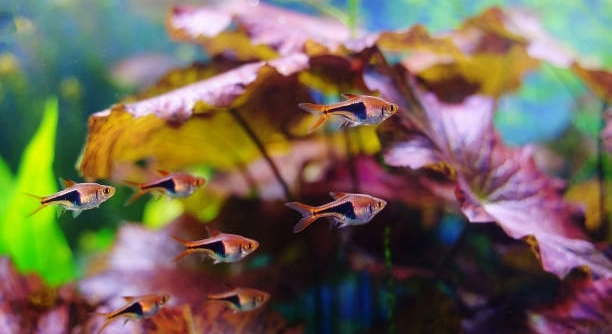
Rasboras are small, colorful fish popular in home aquariums. Their graceful swimming and quick movements often catch the eye. Many hobbyists watch closely, wondering if these fish use movement to show how they feel.
Rasboras can display mood through subtle changes in their movement patterns, such as speed, direction, and schooling behavior. These variations serve as nonverbal communication, reflecting stress, comfort, or alertness within their environment.
Understanding these movement cues can enhance how we care for rasboras and improve their well-being in captivity. Observing them closely reveals much about their health and mood.
How Rasbora Movement Reflects Their Mood
Rasboras often change their swimming style based on how they feel. When they are calm, their movements tend to be smooth and steady. They swim in groups, staying close together, which shows they feel safe and comfortable. If they get startled or stressed, their swimming becomes faster and more erratic. Sometimes, they dart quickly to hide behind plants or decorations. When feeling threatened, rasboras may separate from the group, showing signs of discomfort or fear. Observing these changes can give important clues about their current state. Keeping an eye on their behavior helps in making sure their tank environment meets their needs. Factors like water quality, tank mates, and lighting can all affect their mood and movement. Being aware of these subtle signals makes it easier to adjust care to keep rasboras healthy and relaxed.
Rasboras show mood shifts mostly through speed and schooling behavior. Faster, erratic movements usually indicate stress or discomfort.
Learning to read these signs helps in creating a better habitat. It also allows timely action to reduce stress factors. Consistent observation reveals patterns, such as increased activity during feeding or calm swimming when resting. Rasboras prefer stable environments, so sudden changes often reflect their feelings. Adjustments like adding hiding spots or improving water conditions can calm them down. Movement also varies with social interactions; peaceful group swimming suggests contentment. Recognizing these behaviors can lead to a more responsive and thoughtful care routine.
Common Triggers Affecting Rasbora Movement
Stress in rasboras can come from various sources within the aquarium. Poor water quality is a major factor that affects their mood and movement. High ammonia or nitrate levels irritate the fish and cause erratic swimming. Overcrowding the tank can also lead to stress, as rasboras prefer enough space to swim freely in schools. Aggressive tank mates may intimidate them, causing hiding and fast movements. Sudden changes in light or temperature are other common triggers. Even loud noises or frequent tapping on the glass can disturb their calm behavior. Recognizing these triggers is important to prevent long-term stress. Regular water testing and tank maintenance reduce many of these issues. Providing plants and hiding spots offers a safe retreat, helping rasboras feel secure and relaxed.
Adjusting the environment can often resolve movement problems. Maintaining balance in all tank conditions promotes healthy behavior and happier fish.
Recognizing Stress Through Rasbora Movements
Stress causes rasboras to swim in short bursts, often darting between hiding places. Their usual smooth schooling breaks down into scattered, irregular movement.
Rasboras under stress may show rapid fin flicking or cling near the tank bottom. These behaviors indicate discomfort or fear. Stress responses are often triggered by poor water conditions or aggressive tank mates. Identifying these changes early allows for corrective action.
Monitoring their movement closely reveals subtle signs. Frequent hiding, erratic swimming, or a lack of interaction with the group often signals distress. Adjusting environmental factors can reduce stress and restore normal behavior. Consistent observation helps maintain a healthy, calm aquarium for the rasboras.
How Social Behavior Influences Movement
Rasboras naturally swim in schools, moving in harmony. This group movement signals comfort and safety. When schooling breaks up, it often points to an issue in the tank environment or with other fish.
A tight school means the fish feel secure and relaxed. If some individuals separate or isolate, it may indicate illness or stress. Watching social dynamics helps assess their overall well-being. Changes in group behavior often correlate with health or environmental problems. Recognizing these patterns supports better care and timely intervention.
Environmental Impact on Rasbora Movement
Water temperature directly affects rasbora activity levels. Cooler water slows their movement, while warmer water can make them more energetic.
Lighting also plays a role. Bright, harsh light may cause rasboras to seek shelter and move less. Softer lighting encourages natural swimming behavior.
Feeding and Movement Patterns
Rasboras become noticeably more active during feeding times. They often swim quickly toward food and show bursts of energy. These movements reflect excitement and anticipation. Feeding schedules that are consistent help maintain healthy activity levels and reduce stress.
Observing for Health Issues
Unusual swimming patterns, like spinning or floating, can signal health problems. Early detection of these signs allows prompt treatment to prevent worsening conditions.
FAQ
Can Rasboras really show mood through their movement?
Yes, rasboras communicate their mood by how they swim. Calm rasboras move smoothly and stay close together in schools. When stressed or scared, their movements become quicker, more erratic, or they may hide. These changes in swimming patterns reflect their feelings about their environment.
What signs in movement indicate stress in rasboras?
Stress often shows as rapid darting, sudden bursts of speed, or staying near the tank bottom. Rasboras may also hide more than usual or stop schooling properly. Flicking fins or isolating from the group are additional signs that something might be wrong.
How does tank environment affect rasbora behavior?
Water quality, temperature, lighting, and tank mates all impact rasbora movement. Poor water conditions cause discomfort, making them swim erratically. Too bright light or aggressive fish can stress them, leading to hiding or broken schooling. Stable, clean conditions help them swim calmly.
Can changes in social behavior signal health problems?
Yes. Rasboras naturally swim in schools. When one or more isolate or move differently, it might mean illness or stress. Observing how they interact helps spot problems early, allowing for timely care adjustments.
Do rasboras move differently during feeding?
They do. Rasboras become more active and swim faster when food is introduced. This behavior shows excitement and is a normal response. Maintaining a regular feeding schedule helps keep their energy balanced and stress low.
How important is water temperature for rasbora movement?
Water temperature affects their energy level. Cooler water slows their movement, while warmer water increases activity. Keeping temperature stable within their preferred range helps maintain normal swimming behavior and overall health.
What should I do if my rasbora’s movement seems unusual?
If you notice odd swimming like spinning, floating, or heavy hiding, check water parameters first. Poor water quality is a common cause. Also, look for signs of illness and consider tank changes. Prompt action can often prevent serious problems.
Can lighting influence how rasboras swim?
Yes. Bright, harsh lighting can make rasboras hide and move less. Softer, natural-like lighting encourages relaxed and natural swimming patterns. Adjust lighting based on their behavior to create a comfortable environment.
Is schooling behavior the best indicator of rasbora mood?
Schooling is a strong sign of comfort and security. Tight, coordinated swimming means the fish are relaxed. When schooling breaks down or fish isolate, it often signals stress or discomfort, so it is a helpful behavior to watch.
How often should I observe rasbora movement to ensure their well-being?
Regular daily observation is best. Watching how they swim and interact over time helps detect changes early. Small differences in movement can signal health or environmental issues before they become serious.
Can rasboras recover from stress-related movement changes quickly?
They can, if the cause is addressed promptly. Improving water quality, reducing stressors, or adjusting tank conditions often helps restore normal swimming. Recovery depends on the severity and length of the stress period.
Does tank size affect rasbora movement and mood?
Yes. Small, overcrowded tanks restrict swimming and increase stress. Rasboras need enough space to school freely. Providing adequate room allows natural movement and reduces discomfort, promoting a healthier mood.
Final Thoughts
Rasboras use their movement to show how they feel, whether calm, stressed, or alert. Watching their swimming patterns can give important clues about their mood. Smooth, steady swimming and tight schooling usually mean they are comfortable and relaxed. When their movement becomes erratic or they start hiding, it often signals discomfort or stress. Paying attention to these behaviors helps in understanding their needs better.
Maintaining a healthy environment is key to keeping rasboras happy. Good water quality, proper temperature, gentle lighting, and peaceful tank mates all contribute to calm behavior. Changes in any of these factors can cause stress, which shows through their movements. By observing their behavior daily, it is easier to spot when something is wrong. Early detection and quick action can prevent serious health issues and help rasboras return to normal behavior more quickly.
Overall, rasboras communicate a lot through their movement. Their behavior reflects how they respond to their environment and care. Taking time to learn these signs allows for better care and creates a healthier, more comfortable home for these lively fish. Watching their graceful swimming not only adds enjoyment but also ensures their well-being. Paying close attention to their movement is one of the best ways to support their health and happiness in your aquarium.

Hello,
If you enjoy the content that we create, please consider saying a "Thank You!" by leaving a tip.
Every little bit helps us continue crafting quality advice that supports the health, happiness, and well-being of pets around the world, for pets of all shapes, sizes, and species.
We really appreciate the kindness and support that you show us!