
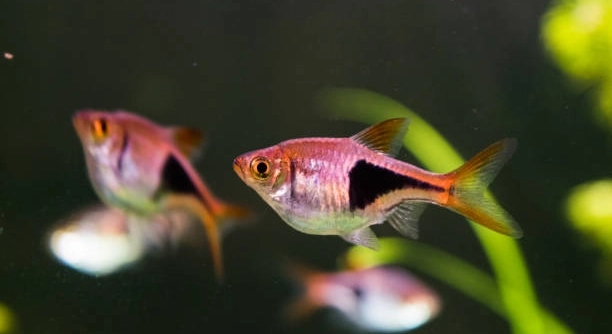
Have you ever watched your rasboras and wondered if there’s a certain rhythm to how they swim, rest, or explore each day?
Rasboras can develop a daily activity pattern influenced by light, feeding times, and environmental consistency. Studies show that these small fish often display diurnal behavior, becoming more active during daylight hours and resting at night.
Understanding these patterns can help improve tank conditions, reduce stress, and promote healthier behavior in your rasboras.
What Influences a Rasbora’s Daily Behavior?
Rasboras are small, peaceful fish that respond strongly to their environment. Their daily activity pattern can be shaped by several key factors, including lighting, tank mates, feeding routines, and water conditions. In tanks with a regular light cycle, rasboras tend to be more active during the day, especially in the morning and early afternoon. When the lights turn off, they often retreat to calmer areas, becoming still and less responsive. This behavior mimics their natural environment in the wild, where they rest during darker periods. A consistent light schedule helps rasboras feel secure, and feeding them at the same time each day reinforces their routine. Over time, they may start anticipating feeding times and become more active when they sense it’s close. Tank mates also matter—peaceful companions help rasboras stick to a steady rhythm, while aggressive fish can disrupt their behavior and make them hide or act erratically.
Establishing and maintaining a routine gives rasboras a sense of safety. It helps reduce stress and encourages predictable behavior, which is a sign of good health.
Tank size, decorations, and hiding spots also play a role. A well-planted tank gives rasboras space to explore, rest, and interact at their own pace without being overstimulated.
How to Support Their Natural Rhythms
Consistency is key. Try to keep your tank’s lighting, feeding, and cleaning schedule as regular as possible. Even slight changes in the environment can affect their routine.
A 12-hour light and 12-hour dark cycle works well for rasboras. Use a timer to keep the lighting steady every day. Feed them once or twice a day at the same time, offering small amounts they can finish quickly. Avoid overfeeding, as leftover food can impact water quality. Clean the tank regularly, but don’t make too many changes at once—gradual adjustments are easier for rasboras to adapt to. Keep the tank peaceful by choosing calm tank mates. Provide plants, rocks, or decorations to help them feel safe. These setups let them follow their natural pattern of resting, schooling, and foraging. If you notice changes in their behavior—like staying hidden all day or becoming sluggish—it may be a sign of stress or illness. In most cases, getting back to a steady routine will help them bounce back naturally.
Signs Your Rasbora Has a Daily Routine
You might notice your rasbora becoming active at the same times each day, especially when the lights come on or food is near. This is a sign they’ve settled into a routine and feel secure.
Many rasboras begin swimming actively shortly after the tank lights turn on. They may school together near the top, exploring the tank with curiosity. Around feeding time, you might see them gather in one spot, anticipating their meal. After eating, they often return to quieter spots to rest or glide calmly through the plants. As the lights dim or turn off, rasboras tend to slow down and stay closer to the bottom or behind decorations. These patterns, once noticed, usually repeat daily when the environment stays consistent.
If you disrupt their schedule—by feeding at random times or constantly adjusting lighting—they can become less predictable. This might lead to hiding, erratic swimming, or reduced activity. A predictable setting supports healthy behavior.
When Routines Get Disrupted
Shifts in behavior often start small—rasboras may stop schooling, eat less, or hide more. These changes usually mean something in their environment has become unpredictable or stressful.
Common causes include sudden changes in light timing, inconsistent feeding, or loud tank surroundings. Even switching out decorations too often or adding new fish can disrupt their sense of safety. Rasboras are sensitive to routine changes, and their activity can be a reflection of how comfortable they feel in their tank. To help them adjust, go back to a steady light cycle and predictable feeding schedule. Keep water parameters stable and avoid sudden tank changes. It may take a few days, but rasboras often return to their normal patterns once things settle. Watching their behavior closely during this time helps you catch further signs of stress and make small adjustments if needed. Consistency is the best support you can give them.
Tips to Encourage Healthy Patterns
Keep your lights on a consistent timer, ideally 12 hours on and 12 hours off. Sudden changes in lighting can confuse rasboras and disrupt their rest and activity cycle.
Feed them at the same time each day. Predictable feeding helps rasboras feel secure and supports regular, active behavior.
What to Avoid
Avoid placing the tank in areas with constant foot traffic, loud sounds, or irregular lighting. These can startle your rasboras and interrupt their routine. Try not to move tank decorations too often or introduce new fish frequently, as changes like these can trigger stress and behavior shifts. It’s best to keep their environment stable and predictable. Skip large, sudden water changes—smaller, more regular ones are less disruptive. Avoid skipping feedings or overfeeding, both of which affect not only routine but also water quality. A peaceful, steady setup gives your rasboras space to develop natural, daily rhythms over time.
Final Thought for Routine Support
A stable environment with quiet surroundings, clean water, and a predictable schedule helps rasboras thrive and stick to healthy daily patterns.
FAQ
Can rasboras live without a strict daily routine?
Rasboras can survive without a strict routine, but they thrive best with consistency. Without regular lighting and feeding times, they may become stressed, which can affect their health and behavior. Stress may cause them to hide more often or become less active, making it harder to notice any health issues. While they are adaptable, providing a stable environment with predictable conditions helps them maintain natural activity levels and overall well-being.
How important is lighting for rasbora activity?
Lighting plays a crucial role in regulating rasbora activity. These fish are naturally diurnal, meaning they are active during the day and rest at night. Using a timer to create a consistent light cycle helps mimic their natural environment. Sudden changes or irregular lighting can confuse them and disrupt their daily pattern, causing stress or unusual behavior. Balanced lighting also helps maintain healthy plants in the tank, which supports a natural habitat for your rasboras.
What happens if I feed my rasboras at irregular times?
Feeding rasboras at irregular times can cause them to lose their sense of routine. They may become anxious or overly eager, rushing to the feeding spot at unexpected moments. This unpredictability can lead to overeating or competition among fish, increasing stress levels. Regular feeding times help rasboras anticipate meals, which encourages natural activity and reduces stress. Consistent feeding also supports better digestion and water quality by minimizing leftover food.
Can tank mates affect rasbora daily patterns?
Yes, tank mates can have a big impact on rasbora behavior. Peaceful fish encourage rasboras to feel safe and follow their natural activity rhythm. Aggressive or overly active tank mates can cause stress, forcing rasboras to hide or act erratically. This interrupts their daily routine and can lead to health problems. When choosing tank mates, pick calm species that won’t disturb your rasboras’ patterns or compete aggressively for food and space.
Do changes in water quality affect their activity pattern?
Water quality is very important for rasboras’ health and behavior. Poor water conditions can make them lethargic or stressed, causing them to hide or reduce activity. Consistent water parameters help maintain a stable environment where rasboras feel comfortable following their natural rhythms. Regular water testing and small, frequent water changes are best for keeping the tank balanced. Sudden shifts in temperature, pH, or ammonia levels can disrupt their behavior and daily routine.
How can I tell if my rasboras are stressed?
Signs of stress include hiding more than usual, swimming erratically, or losing appetite. Rasboras may also become dull in color or separate from their group. Stress can stem from sudden changes in lighting, water conditions, tank mates, or feeding schedules. If you notice these behaviors, review your tank setup for anything that may be causing discomfort. Returning to a calm, consistent environment usually helps rasboras regain normal activity patterns and health.
Is it normal for rasboras to rest during the day?
While rasboras are mostly active during the day, it’s normal for them to take breaks and rest quietly among plants or decorations. Resting helps them conserve energy and feel secure. If resting becomes excessive or they stay still for long periods without responding, it might signal stress or illness. Normal resting periods happen naturally within their daily routine and are part of balanced activity.
Will changing the tank decorations affect their routine?
Yes, changing tank decorations can affect rasboras’ sense of security and disrupt their routine. They use plants, rocks, and hiding spots to feel safe and establish territories. Frequent or sudden changes can stress them, causing unusual behavior or hiding. It’s better to rearrange decorations slowly or keep them stable once your rasboras have settled in. This helps maintain their daily activity pattern and reduces stress.
Rasboras are small fish that respond well to a stable environment. Their daily activity patterns are shaped by simple factors like light, feeding times, and the safety of their tank surroundings. When these elements stay consistent, rasboras tend to follow a natural rhythm of being active during the day and resting at night. This steady routine helps reduce their stress and keeps them healthy. Just like any living creature, a sense of predictability makes a big difference in how they behave and feel. By paying attention to these small details, you can create a comfortable home where rasboras can thrive.
Keeping a regular schedule for feeding and lighting is one of the easiest ways to support your rasboras’ natural patterns. Feeding them once or twice daily at the same times helps them know when to expect food, which encourages active swimming and social behavior. Using a timer for the tank lights makes sure they get the right amount of daylight and rest each day. Avoid sudden changes in light or meal times, as this can confuse the fish and cause stress. A peaceful tank with calm tank mates and plenty of plants or decorations gives rasboras places to explore and rest, adding to their sense of security.
When rasboras feel safe and their environment stays consistent, they will show clearer daily routines. You might notice them swimming in groups during the day, gathering near the feeding area, and resting quietly at night. Changes in behavior usually point to stress or discomfort, so it is important to maintain steady conditions. Small habits like regular water changes and avoiding too many sudden moves in the tank help keep their routine intact. In the end, the more predictable and calm their world is, the better your rasboras will do. Taking these steps makes caring for them easier and more rewarding over time.

Hello,
If you enjoy the content that we create, please consider saying a "Thank You!" by leaving a tip.
Every little bit helps us continue crafting quality advice that supports the health, happiness, and well-being of pets around the world, for pets of all shapes, sizes, and species.
We really appreciate the kindness and support that you show us!