
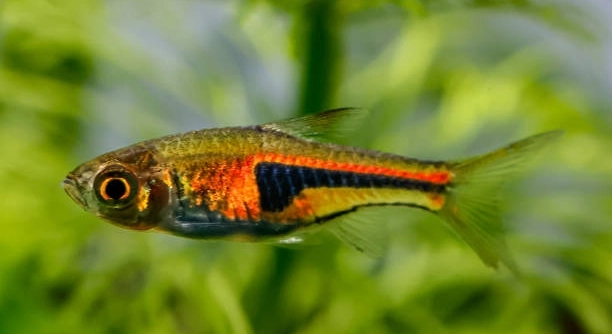
Many people enjoy keeping rasboras in their aquariums for their vibrant colors and peaceful nature. When introducing these fish to a new tank, water conditions can change quickly. Understanding how they handle these changes is important for their care.
Rasboras can adapt to new water relatively fast if the change is gradual and water parameters are stable. Sudden shifts in temperature, pH, or hardness can stress them, but slow acclimation helps maintain their health and reduces shock.
Knowing how to manage water changes properly will help your rasboras stay healthy and happy in their new environment. The following details explain the best ways to support them during transitions.
How Rasboras Respond to Water Changes
Rasboras are generally hardy fish, but they react differently to changes in their environment. When water conditions shift too quickly, it can cause stress, which makes them more vulnerable to illness. Their natural habitats often have stable water parameters, so sudden changes in a tank feel unnatural to them. This is why gradual adjustment is essential. Slowly mixing new water with the existing tank water over several hours or days allows rasboras to acclimate without shock. Temperature, pH, and hardness should all be close to what they are used to. Observing their behavior during this time is helpful. Signs like hiding, loss of appetite, or erratic swimming often indicate stress. Proper filtration and maintaining cleanliness also support their adaptation. By paying attention to these details, you can ensure rasboras remain active and healthy during water transitions.
Acclimation should never be rushed. Patience helps prevent health issues and supports the fish’s well-being.
A well-planned water change routine benefits the fish long term. Keeping parameters stable reduces stress and promotes vibrant colors and good behavior. Regular testing of water quality is important to catch any sudden changes early. Adding plants and hiding spots also creates a secure environment, helping rasboras feel safe. Avoid introducing chemicals or medications unless necessary, as these can add to stress. When introducing new water, use a drip method or gradual pouring to keep conditions stable. This approach helps the fish’s internal systems adjust slowly. Proper feeding during acclimation supports energy levels, too. Healthy rasboras are more likely to adapt quickly and avoid illness. Understanding their needs and limits allows for better care, making the tank a peaceful space for these lively fish.
Signs of Stress in Rasboras
Stress can show quickly in rasboras, often through changes in behavior or appearance.
Common signs include loss of appetite, pale coloration, and hiding. Rasboras may swim erratically or stay near the surface or bottom. These behaviors indicate discomfort with water conditions or sudden changes. Immediate steps should be taken to stabilize the environment if stress is observed.
If stress signs appear, checking water parameters is crucial. Test temperature, pH, ammonia, nitrite, and nitrate levels first. Poor water quality is often the main cause. Adjusting water slowly back to the ideal range can help. Provide extra hiding spots and reduce light intensity to calm the fish. Avoid feeding too much as stressed fish may not eat well. Allow the fish time to recover with minimal disturbances. Stress left unaddressed can lead to disease or death, so early response is important. Taking care to maintain consistent water quality is the best way to prevent stress from starting.
Best Practices for Water Changes
Water changes should be done gradually to avoid shocking rasboras. Sudden large changes in water chemistry or temperature can be harmful.
Using a drip acclimation method is one of the safest ways to introduce new water. This method slowly mixes new water with the tank water over several hours, allowing the fish to adjust. Always match the temperature of the new water to the tank water before starting. Regularly testing water parameters helps track changes during this process. Avoid changing more than 20-30% of the water at once. Keeping water stable promotes fish health and reduces stress.
During water changes, avoid strong chemicals or additives that might irritate the fish. Using a water conditioner that removes chlorine and chloramine is important. Take care to clean the substrate and remove uneaten food to maintain water quality. Clean filters regularly but avoid over-cleaning, which can disrupt beneficial bacteria. Consistency in these practices keeps rasboras comfortable and less prone to illness during changes.
Importance of Stable Water Parameters
Stable water parameters reduce stress and help rasboras adapt quickly. Fluctuations in pH, temperature, or hardness cause discomfort and weaken their immune systems.
Keeping the tank’s temperature between 72-78°F (22-26°C) supports their well-being. A pH level around 6.5 to 7.5 is ideal. Sudden shifts beyond these ranges can cause shock. Using a reliable heater and thermometer ensures temperature consistency. Testing water weekly for ammonia, nitrites, and nitrates helps catch harmful spikes early. Maintaining hardness within moderate levels prevents additional stress. Consistency helps rasboras thrive, showing bright colors and active behavior.
Stable water conditions also improve breeding success and lifespan. When parameters are constant, fish use less energy adapting and focus more on growth and reproduction. This leads to healthier, happier rasboras that integrate well in community tanks. Paying close attention to these details creates a peaceful environment where your fish can flourish.
Common Mistakes During Water Changes
Changing too much water at once can shock rasboras and cause stress. Small, frequent changes are better than large, infrequent ones.
Using water with very different parameters from the tank’s water also harms fish. Matching temperature and chemistry is essential to prevent problems.
How to Monitor Your Rasboras’ Health
Watch for changes in behavior and appearance after water changes. Lethargy, loss of appetite, or faded colors may signal stress. Checking water quality regularly helps catch issues early before they become serious. Keeping a close eye on your fish ensures they stay healthy and adapt well.
Acclimation Tools That Help
Tools like drip lines or buckets make acclimation easier. They allow slow mixing of new and old water, reducing shock. These simple tools improve survival rates and make the process smoother.
Feeding Tips During Acclimation
Feed lightly or skip feeding during major water changes to avoid fouling the water. Maintaining good water quality supports fish health during adjustment periods.
FAQ
How quickly can rasboras adapt to new water?
Rasboras can adapt to new water within a few hours to a couple of days if the change is done gradually. Sudden shifts in temperature, pH, or hardness can stress them and slow down adaptation. Using slow acclimation methods helps them adjust comfortably.
What is the best way to introduce rasboras to a new tank?
The best method is drip acclimation. This means slowly adding tank water to the container holding the fish over several hours. Matching temperature and water chemistry before starting reduces shock. Avoid pouring fish directly into new water all at once.
Can rasboras survive sudden water changes?
Sudden water changes can be harmful. While some hardy fish might survive, rasboras are sensitive and can become stressed or sick. Stress weakens their immune system and may lead to diseases. Gradual acclimation is safer.
What water parameters are ideal for rasboras?
Ideal temperature ranges from 72 to 78°F (22 to 26°C). pH should stay between 6.5 and 7.5. Water hardness should be moderate. Keeping these stable avoids stress and keeps fish healthy.
How often should water changes be done?
A 20-30% water change every one to two weeks is usually sufficient. More frequent small changes help maintain water quality without stressing fish. Avoid changing large amounts of water suddenly.
What signs show rasboras are stressed from water changes?
Look for pale colors, hiding, loss of appetite, erratic swimming, or staying near the surface or bottom. These behaviors suggest discomfort. Checking water parameters and adjusting them slowly helps relieve stress.
Can water conditioners help during water changes?
Yes, water conditioners that remove chlorine and chloramine are essential. They make tap water safe for fish. Using conditioners during water changes protects gills and overall health.
Is it safe to mix different types of water during changes?
Mixing water with very different chemistry can shock fish. For example, mixing hard tap water with very soft aquarium water may cause stress. Always test water and adjust parameters gradually when mixing.
Should I feed my rasboras during water changes?
It’s best to feed lightly or skip feeding during big water changes. Uneaten food can pollute water, worsening conditions. After the fish settle, return to a regular feeding schedule.
What equipment helps with acclimation?
Drip lines, buckets, or containers designed for slow water mixing help. They allow gradual introduction of new water. These simple tools reduce stress and improve fish survival during transitions.
How long does it take for rasboras to fully settle after a water change?
Most rasboras settle within 24 to 48 hours after gradual water changes. If they remain stressed longer, check water quality and tank conditions. Consistent care helps them recover faster.
Can poor water quality cause long-term health issues?
Yes, poor water quality weakens immune systems and can cause diseases like fin rot or fungal infections. Keeping stable parameters and clean tanks is key to preventing problems.
Are there any plants or decorations that help rasboras adapt?
Yes, live plants and hiding spots provide security and reduce stress. Plants also improve water quality by absorbing nitrates. Creating a natural environment supports their well-being.
Is it necessary to quarantine new rasboras?
Quarantining new fish before adding them to your main tank prevents introducing diseases. It also gives time to acclimate them slowly. Quarantine tanks allow safe observation of health before mixing.
Can stress from water changes affect breeding?
Stress can reduce breeding success. Stable, comfortable water encourages spawning. Avoid large or sudden changes during breeding to keep conditions optimal.
What should I do if rasboras show signs of illness after water changes?
Test water immediately and correct any issues. Isolate sick fish if possible and consult fish health guides or vets for treatment options. Early intervention improves recovery chances.
Rasboras are generally hardy fish, but they still need careful handling when it comes to water changes. Sudden changes in water temperature, pH, or hardness can cause them stress, which might affect their health. Taking time to slowly introduce new water helps them adjust without shock. This process, called acclimation, is important to keep them comfortable and active. Using simple tools like drip lines or buckets to mix new and old water gradually can make a big difference. It is also helpful to match the temperature and chemistry of the new water to what they are used to before making any changes. This attention to detail prevents problems and helps your rasboras thrive.
Keeping water stable is key to rasboras’ health and happiness. They do best when the temperature stays between 72 and 78°F (22 to 26°C), and the pH stays near neutral, between 6.5 and 7.5. Water hardness should be moderate and consistent. Testing the water regularly for ammonia, nitrites, and nitrates helps spot issues early before they become dangerous. Maintaining good water quality by doing small, frequent water changes rather than large, sudden ones is best. Clean tanks and proper filtration also support the fish’s well-being. When the environment is steady, rasboras show brighter colors, stay active, and live longer.
Watching your fish for signs of stress is important. If they start hiding, lose their appetite, or swim strangely after a water change, it might mean they are uncomfortable. Taking quick action to check water parameters and adjust conditions can help them recover. Providing hiding places and plants makes the tank feel safer for them. Feeding lightly during stressful times keeps water clean and prevents extra strain on your fish. Overall, a calm and consistent routine when changing water helps your rasboras adapt well and stay healthy. With patience and care, your fish will thrive in their new home.

Hello,
If you enjoy the content that we create, please consider saying a "Thank You!" by leaving a tip.
Every little bit helps us continue crafting quality advice that supports the health, happiness, and well-being of pets around the world, for pets of all shapes, sizes, and species.
We really appreciate the kindness and support that you show us!