
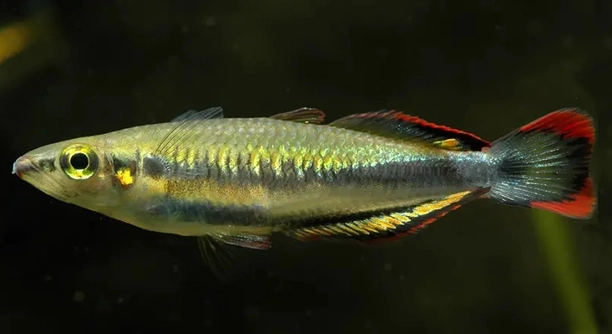
Do you love keeping colorful fish in your aquarium but find yourself wondering how well rainbowfish get along with other tank mates? These lively swimmers are popular for their bright colors and playful nature.
Rainbowfish can generally bond with compatible tank mates if proper care is taken. They are social, peaceful fish that thrive in groups and interact best with other non-aggressive species, maintaining harmony in a community aquarium.
Understanding their behavior and compatibility helps create a balanced tank environment and promotes healthier, more active fish interactions over time.
Understanding Rainbowfish Behavior
Rainbowfish are lively, social creatures that enjoy being in groups. They move together and often follow each other around the tank. Observing them, I noticed they display a lot of curiosity, especially around new decorations or tank mates. Their interactions are generally peaceful, but they do establish a small hierarchy within their school. Male rainbowfish often show brighter colors and chase each other lightly, which is normal behavior and not aggressive. They respond well to calm, consistent care and a stable tank environment. Lighting, water temperature, and pH levels all affect their mood and activity. When these factors are stable, rainbowfish are more relaxed and open to interacting with other fish. It’s also important to introduce new fish gradually, so they feel safe. Over time, they learn to coexist and display natural behaviors that are enjoyable to watch.
Observing these behaviors early helps ensure compatibility and reduces stress in a mixed-species tank.
A stable tank environment and careful selection of companions are key. Rainbowfish thrive best with peaceful, similar-sized species that share comparable water needs.
Choosing Compatible Tank Mates
Choosing companions for rainbowfish requires research and observation. Aggressive or very large fish can stress them, while slow-moving bottom dwellers often avoid interaction.
Peaceful, small-to-medium species like tetras or danios make ideal companions. Avoid aggressive cichlids or fin-nipping species. Introduce new fish slowly, monitoring their reactions. I once added a shy tetra, and the rainbowfish initially kept their distance, but after a few days, they swam together comfortably. Dense plants and open swimming spaces reduce tension and encourage natural schooling behavior. Keep group sizes balanced—too few rainbowfish can make them stressed or overly shy, while too many can create overcrowding and competition. Filtration and regular water changes are essential to maintain clarity and oxygen levels. Feeding should be balanced; aggressive feeders can intimidate slower fish. Paying attention to these details creates a harmonious tank where rainbowfish display their bright colors fully. Over time, they establish routines and show confidence in interacting with their companions. Proper planning ensures long-term success in a community aquarium.
Tank Setup for Rainbowfish
Providing enough space is crucial for rainbowfish to thrive. They need open swimming areas along with plants or hiding spots to feel secure.
I arranged my tank with tall plants at the edges and open space in the center. This allowed the rainbowfish to school freely while having areas to retreat when they felt stressed. Decorations were placed carefully to avoid blocking their swimming paths. Smooth substrates and rounded ornaments prevent injuries during playful chasing. Lighting was set to mimic natural daylight, helping the fish display their colors fully. Filtration was strong but gentle, keeping water clean without creating too much current. I also made sure to maintain consistent water parameters, as sudden changes stressed the fish. Observing their behavior daily helped me notice when they felt comfortable and when adjustments were needed. Over time, the tank became a balanced, peaceful environment where the rainbowfish could interact naturally with their tank mates.
A proper balance of swimming space, decorations, and water stability supports healthy rainbowfish behavior.
Careful positioning of plants and decorations can encourage social interaction and reduce stress among the fish.
Feeding and Social Interaction
Rainbowfish respond well to regular feeding schedules with a mix of flakes, pellets, and occasional live food. This keeps them active and healthy.
In my experience, feeding together encourages schooling and reduces aggression. I noticed that when food was scattered evenly, all fish got a share, and chasing was minimal. Overfeeding can lead to water quality problems and increased aggression, so portion control is important. Live food like brine shrimp or daphnia added variety and excitement, promoting natural hunting behaviors. Some tank mates are more timid during feeding, so placing food in different areas ensures everyone participates. Observing their reactions also helps identify if any fish are stressed or not eating well. This routine contributes to stronger bonds among rainbowfish and with their companions, creating a calm and balanced tank environment. Keeping feeding consistent allows them to maintain bright colors and active behavior throughout the day.
Observing Fish Behavior
Rainbowfish are active and curious, often swimming in schools and exploring their environment. Watching them interact helps identify stress or aggression early.
Subtle changes in behavior, like hiding or chasing, indicate how well they are bonding with tank mates. Observing daily is essential.
Preventing Aggression
Aggression is usually mild and occurs when space or resources are limited. Providing enough hiding spots and feeding evenly reduces conflicts. I noticed when adding new fish, my rainbowfish initially flared fins, but calm introductions minimized tension and allowed harmony to return naturally over time.
Maintaining Water Quality
Clean water is essential for rainbowfish health. Regular water changes and monitoring parameters keep fish vibrant and active.
Group Size Importance
Rainbowfish thrive in groups of six or more. A proper school reduces stress, encourages natural swimming patterns, and improves social bonding. Smaller groups can make them timid or overly stressed, so maintaining a sufficient number is key to their well-being.
How many rainbowfish should I keep together?
Rainbowfish are schooling fish and feel most comfortable in groups of at least six. Smaller groups can make them shy, stressed, or even aggressive. I learned that keeping fewer than six led to constant hiding, while a proper school encouraged active swimming and natural behavior. Larger groups work too, but overcrowding must be avoided to maintain water quality and reduce competition for food. Proper space ensures every fish has enough room to swim and establish its place within the school.
Can rainbowfish live with other species?
Yes, they can, as long as the tank mates are peaceful and similar in size. Tetras, danios, and some peaceful gouramis are good companions. Avoid large, aggressive, or fin-nipping fish, as these can stress rainbowfish and cause injuries. I added a small tetra group to my tank, and initially, the rainbowfish were cautious. Within a few days, they swam together calmly, showing that compatibility and gradual introductions are key.
Do rainbowfish show affection to other fish?
Rainbowfish do not display affection like mammals, but they do bond socially with their school and compatible tank mates. Swimming together, chasing playfully, and coordinating movement are signs of healthy social interaction. I often watch them mirror each other’s swimming patterns, which indicates trust and comfort within the tank. Providing enough space and avoiding overly aggressive species helps maintain these interactions.
How do I introduce new fish to rainbowfish?
Introduce new fish slowly using a quarantine tank or by floating the new fish in a bag before release. This prevents sudden stress and allows rainbowfish to adjust gradually. I once added a small danio group, keeping them in a separate container inside the tank for a few hours. Gradual introduction reduced chasing and tension, and the rainbowfish accepted them quickly. Monitoring interactions for the first few days is important to ensure harmony.
What kind of food should I give rainbowfish?
Rainbowfish eat flakes, pellets, and occasional live or frozen foods like brine shrimp or daphnia. I feed a mix to keep them healthy and active. Scattering food across the tank ensures all fish get a portion, preventing aggressive feeding behavior. Overfeeding can harm water quality and increase stress, so portion control is essential. Feeding at consistent times also encourages natural routines and helps rainbowfish maintain bright colors.
Can rainbowfish coexist with shy or slow-moving fish?
Yes, they can coexist, but careful observation is needed. Rainbowfish are generally peaceful, but very timid fish may get intimidated during feeding or schooling. I noticed that placing food in multiple areas allowed slower fish to eat comfortably without being chased. Providing plants and hiding spots helps shy species feel safe while allowing rainbowfish to swim freely.
How can I tell if rainbowfish are stressed?
Signs of stress include hiding excessively, clamped fins, faded colors, or erratic swimming. I once noticed my rainbowfish avoiding certain areas of the tank, which indicated water quality issues. Stress can be caused by poor water conditions, aggressive tank mates, overcrowding, or sudden environmental changes. Addressing these issues promptly helps restore normal behavior and ensures healthy, vibrant fish.
Do rainbowfish need specific water conditions?
Yes, they thrive in clean, well-filtered water with a pH between 6.5 and 7.5 and temperatures from 74°F to 82°F. I maintain consistent water parameters with regular testing and partial water changes, which helps prevent stress and disease. Stable conditions promote natural behavior, proper coloration, and successful interaction with tank mates.
Are rainbowfish territorial?
Rainbowfish are not highly territorial but may show mild chasing during schooling or breeding. I observed males occasionally display bright fins and chase each other, which is normal. Providing enough space, hiding spots, and group sizes of six or more reduces potential tension and keeps the tank peaceful.
How do I encourage bonding among rainbowfish and other species?
Consistent care, proper feeding, adequate space, and compatible tank mates are essential. I arrange the tank to include open swimming areas and planted sections, encouraging natural schooling and exploration. Gradual introductions of new fish and observing interactions help build a calm, social environment where rainbowfish thrive alongside companions.
Rainbowfish are lively and colorful fish that bring energy to any community tank. They thrive in groups and enjoy interacting with compatible tank mates. Watching a school of rainbowfish move together is calming, and their playful behavior adds life to the aquarium. Over time, I have learned that maintaining the right group size and carefully selecting tank mates is essential for their happiness. Peaceful companions like tetras, danios, or other small, non-aggressive species work best. Aggressive or overly large fish can create stress and disrupt harmony, so it is important to observe behavior closely when introducing new fish. The key is creating a balanced environment where all species feel comfortable and secure.
A proper tank setup makes a big difference in how rainbowfish interact. They need open swimming space, hiding spots, and a stable water environment. Plants at the edges provide shelter while keeping the center open for schooling. Smooth decorations and rounded ornaments prevent injuries during their playful chases. Maintaining consistent water temperature, pH, and filtration ensures the fish remain healthy and active. Feeding also plays a role in social behavior. Scattering food throughout the tank allows all fish to eat without conflict, while live or frozen foods encourage natural hunting behaviors. Observing the fish daily helps detect stress or discomfort early. When these factors are properly managed, rainbowfish interact naturally with each other and their tank mates, showing bright colors and active behavior.
Social interaction is an important part of rainbowfish care. They do not show affection like mammals, but they bond with their school and compatible tank mates. Swimming together, following each other, and coordinated movement are signs of healthy social behavior. Gradual introductions of new fish and monitoring interactions help build a peaceful environment. Even mild displays of chasing are normal and can indicate hierarchy within the school. By paying attention to their behavior, tank setup, water quality, and feeding, rainbowfish can thrive in a community aquarium. A well-maintained tank promotes natural behavior, reduces stress, and ensures long-term health. Over time, the fish adapt to each other, forming a lively and harmonious environment that is enjoyable to watch.

Hello,
If you enjoy the content that we create, please consider saying a "Thank You!" by leaving a tip.
Every little bit helps us continue crafting quality advice that supports the health, happiness, and well-being of pets around the world, for pets of all shapes, sizes, and species.
We really appreciate the kindness and support that you show us!