
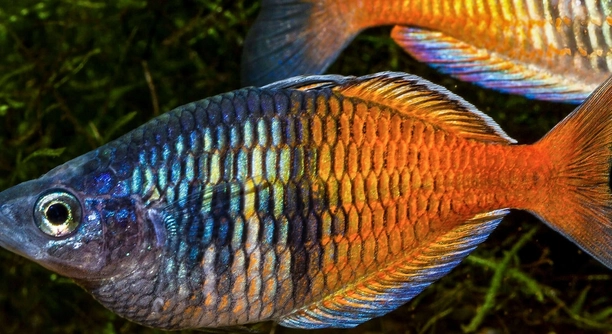
Rainbow fish are known for their vibrant colors and active behavior. Their feeding routine plays an essential role in maintaining their health. Understanding whether these fish can recognize and follow a feeding schedule could impact their well-being.
Rainbow fish can indeed recognize a feeding routine, as they tend to anticipate feeding times once a consistent schedule is established. This behavior is driven by conditioned responses, and they often become more active and excited when it’s time for food.
Feeding routine consistency is key to keeping your rainbow fish healthy and happy.
Why Feeding Routine Matters for Rainbow Fish
A consistent feeding routine is crucial for the well-being of rainbow fish. When they become accustomed to feeding at regular times, they begin to anticipate food, which can help maintain their active and healthy behavior. This routine also ensures they are receiving the right amount of nutrients, preventing overfeeding or underfeeding, which can both lead to health problems. Inconsistent feeding schedules can stress out the fish and cause irregular growth, so maintaining a steady feeding pattern is essential. Over time, rainbow fish will recognize feeding times, and this can enhance their feeding response, making them more eager and less hesitant. Additionally, feeding at consistent times helps you monitor how much food they are eating, which can prevent waste accumulation and ensure the aquarium remains clean.
Consistency with feeding is important, but so is understanding their nutritional needs. Proper portion sizes and balanced food help rainbow fish thrive and stay healthy. Offering them a varied diet will also support their well-being, ensuring they get the necessary vitamins and minerals.
Keeping track of their feeding habits allows you to identify any potential issues early, whether it’s reduced appetite or unusual behavior, which could indicate health concerns. Regular feeding ensures they receive the right nutrients for growth, vibrant colors, and overall health.
How to Establish a Feeding Routine
To establish a feeding routine, start by feeding your rainbow fish at the same time every day. Consistency is key. Whether it’s once or twice a day, maintaining that schedule will help them learn when to expect food. This reduces stress and makes feeding more efficient.
A regular feeding time helps create a stable environment for your fish. If you are feeding them twice a day, avoid sudden changes in timing. If you need to adjust feeding times, do so gradually to help them adapt. This will prevent confusion and keep their feeding behavior predictable.
Rainbow fish are quick learners, and over time, they will begin to associate specific times with food. This can make feeding them easier, as they will eagerly swim to the surface when it’s time for their meal. The routine also supports their digestive health, as they learn to eat at consistent intervals.
The Right Type of Food
Rainbow fish are omnivores, meaning they need a balanced diet of both plant and animal matter. Feed them a mix of high-quality flakes, pellets, and live or frozen foods. This variety ensures they receive all necessary nutrients for growth.
A healthy diet includes high protein and fiber for energy and digestion. Including some vegetable matter in their diet, such as spirulina, helps promote their vibrant colors. Feeding them a variety of foods also prevents boredom, keeping them engaged at mealtime. It’s important to adjust the food size according to the size of your fish to prevent choking or uneaten food.
Avoid overfeeding, as it can lead to health issues like bloating or water quality problems. Give them only what they can consume in a few minutes. Over time, your rainbow fish will develop preferences for certain types of food, making mealtime smoother and more enjoyable.
Feeding Frequency
Rainbow fish can be fed once or twice a day, depending on their age and size. Younger fish may require more frequent meals to support growth, while adults thrive with a consistent once-a-day feeding. Always monitor their condition to adjust their feeding needs as they grow.
If you choose to feed them twice a day, keep portions small to prevent overfeeding. Overfeeding can lead to water quality issues and health problems like obesity. It’s best to stick to the same feeding schedule each day for a more predictable routine and to maintain their health.
Feeding Duration
Allow your rainbow fish to eat for about 2 to 3 minutes. This ensures they are not overfed and that food is consumed in a timely manner. If there’s leftover food after this time, reduce the portion size for the next feeding.
Excess food left in the tank can cause the water quality to degrade quickly, leading to harmful conditions for your fish. Keeping track of feeding time will help maintain both the fish’s health and the quality of their environment. Consistency in portion control and feeding duration is important for long-term success.
Feeding Behavior
Rainbow fish tend to become more active around feeding time, often swimming excitedly near the water surface. This behavior is a good indicator that they recognize their feeding schedule and associate it with food.
Understanding this behavior allows you to observe if they are eating properly or if there are issues such as loss of appetite or stress. This behavior also helps you determine whether you’re offering the right amount of food and if adjustments are necessary.
FAQ
How often should I feed my rainbow fish?
Rainbow fish should be fed once or twice a day, depending on their age and size. Young fish generally require more frequent meals to support their rapid growth, while adults only need one feeding per day. Stick to a consistent schedule to prevent overfeeding or underfeeding, which can affect their health.
Can rainbow fish overeat?
Yes, rainbow fish can overeat. Overfeeding can cause obesity, poor water quality, and digestive issues. Always ensure you’re offering a portion size they can finish in a few minutes. If leftover food accumulates, reduce the amount of food given at each feeding.
What’s the best type of food for rainbow fish?
Rainbow fish are omnivores, so they need a balanced diet consisting of both plant and animal matter. Use high-quality flakes or pellets as a base, and supplement with live or frozen foods like brine shrimp or daphnia. Vegetables such as spirulina or blanched peas help maintain their vibrant colors.
How do I know if my rainbow fish are eating enough?
You can tell if your rainbow fish are eating enough by observing their behavior and body condition. Healthy rainbow fish should have a rounded, full body and exhibit active behavior. If they seem lethargic, are losing color, or appear thin, you may need to adjust their food intake.
Should I feed rainbow fish at the same time every day?
Yes, feeding rainbow fish at the same time every day helps establish a routine. This routine makes them more likely to anticipate feeding times and can reduce stress. Consistent feeding times also help regulate their digestive system and improve overall health.
Can rainbow fish go without food for a day?
Rainbow fish can go without food for a day, but regular feeding is important for maintaining their health. If you’re going to skip a feeding, it’s fine for a short period, but it shouldn’t become a routine. Regular feeding keeps them strong and healthy.
Can I feed rainbow fish different types of food at once?
Yes, you can offer different types of food at once, but it’s important to make sure they’re appropriate for their dietary needs. A mix of flakes, pellets, and occasional live or frozen food will provide a balanced diet. Make sure all food items are small enough for them to consume easily.
How can I prevent my rainbow fish from fighting over food?
To prevent rainbow fish from fighting over food, spread the food around the tank so all fish can access it. Offering food in multiple locations can reduce competition and stress. Additionally, ensuring that you feed them in small amounts at consistent times will help.
What if my rainbow fish aren’t eating?
If your rainbow fish aren’t eating, first check the water conditions. Poor water quality can lead to stress and a loss of appetite. Ensure the temperature, pH, and ammonia levels are all within the proper range. If they continue to refuse food, consider changing their diet or consulting a vet.
How do I adjust the feeding routine for young rainbow fish?
Young rainbow fish require more frequent feedings than adults. Feed them small portions three to four times a day to support their rapid growth. As they mature, gradually reduce the number of feedings to once or twice a day. Be sure to monitor their growth to adjust accordingly.
How can I ensure my rainbow fish get enough variety in their diet?
To provide variety, rotate different types of food. Include high-quality flakes or pellets as a base, and supplement with live or frozen food. Adding plant matter such as spirulina or other greens helps maintain their health. Variety prevents boredom and ensures they’re getting the right nutrients.
Can I use automatic feeders for rainbow fish?
Yes, automatic feeders can be used for rainbow fish, especially if you have a busy schedule. However, ensure that the feeder is set to provide the right portion size to avoid overfeeding. Test the feeder to make sure it works correctly and doesn’t dispense too much food at once.
Are there specific foods that improve rainbow fish colors?
Yes, certain foods can help enhance the colors of rainbow fish. Foods rich in carotenoids, like spirulina or krill, can improve their vibrancy. Additionally, a varied diet with high-quality food will ensure your fish maintain bright, healthy colors. Avoid overfeeding as it can negatively affect their appearance.
How do I know if I’m feeding my rainbow fish the right amount?
You’ll know if you’re feeding your rainbow fish the right amount by observing their eating habits. They should finish their food within a few minutes, leaving no excess. If food is consistently left behind, you’re likely feeding them too much. Monitor their body condition—overweight or underweight fish may require adjustments.
Can rainbow fish eat floating and sinking food?
Rainbow fish can eat both floating and sinking food. They are often surface feeders, so they prefer food that floats. However, they will readily accept sinking food, especially if it’s small enough for them to nibble on. Offering a mix ensures they get the full range of nutrients.
What happens if I feed rainbow fish too much?
Overfeeding rainbow fish can lead to various problems. The excess food will sink to the bottom and decay, causing the water quality to degrade. Poor water quality can lead to stress, diseases, and even death. In addition, the fish may become obese, which can cause other health issues.
Final Thoughts
Rainbow fish are relatively easy to care for when it comes to feeding. A consistent routine is key to maintaining their health and ensuring they get the proper nutrition. Providing the right food and feeding at the same time each day will help them thrive. It’s essential to offer a balanced diet, including high-quality flakes or pellets, supplemented with live or frozen foods like brine shrimp or daphnia. This variety helps meet their dietary needs, promoting healthy growth and vibrant colors.
It’s important to remember that overfeeding can lead to various problems, including water quality issues and health complications for the fish. To avoid this, always feed them an amount they can consume within a few minutes. Overfeeding can cause excess food to accumulate in the tank, leading to poor water conditions. Keeping track of feeding times and portion sizes ensures that you’re not providing more food than necessary. Monitoring the fish’s behavior and body condition will help you adjust their feeding routine as needed.
Lastly, understanding the feeding habits and behaviors of rainbow fish will make it easier to provide the best care for them. They can go without food for a day, but regular feedings are important for their health. Consistency in feeding times and portion sizes helps establish a routine, which can reduce stress for your fish. Regularly evaluating their diet and adjusting based on their needs will ensure they stay healthy and vibrant. By maintaining a balanced feeding routine, you can enjoy watching your rainbow fish thrive in a well-maintained tank.

Hello,
If you enjoy the content that we create, please consider saying a "Thank You!" by leaving a tip.
Every little bit helps us continue crafting quality advice that supports the health, happiness, and well-being of pets around the world, for pets of all shapes, sizes, and species.
We really appreciate the kindness and support that you show us!