
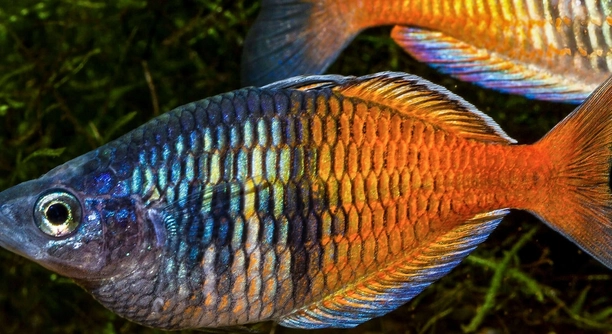
Rainbow fish are captivating creatures, known for their vibrant colors and active nature. Many aquarium enthusiasts are fascinated by their behavior and wonder about how they interact with their environment and those around them.
Rainbow fish are highly perceptive to changes in their surroundings, including the presence of humans. Studies suggest that they can detect nearby movement and respond to stimuli like shadows or vibrations, often associating it with feeding times.
Understanding the sensory abilities of rainbow fish adds to the appreciation of their behaviors. Exploring how they perceive their environment can provide insights into their interactions with both their habitat and the people around them.
How Rainbow Fish Sense Their Environment
Rainbow fish are sensitive to their surroundings. They rely on their keen sense of sight and their ability to detect movement. These fish are known for responding to visual cues such as shadows or changes in lighting. In an aquarium, they can often be seen approaching the tank’s glass if they sense someone nearby. This reaction is not simply a curiosity-driven response but also part of their survival instincts, as they may associate movement with food or other changes in their habitat.
Fish in aquariums usually adapt quickly to the presence of their owners, recognizing routine patterns. They can learn that a person nearby might signal feeding time. This connection between the fish and their keeper is based on patterns and environmental cues they can sense.
Some studies have also pointed out that rainbow fish respond to vibrations in the water, which can also inform them about nearby presence. This ability to sense movement from far distances helps them stay alert to potential threats or opportunities in their environment.
How Their Behavior Changes with Human Presence
Rainbow fish are not just reacting to movement; they can also detect human presence through vibrations and other environmental cues. They are instinctively drawn to areas where they expect food, making them more active around the tank’s edges.
This natural behavior is fascinating as it shows a clear connection between the fish and its surroundings. As they grow more familiar with their keeper’s presence, they begin to associate certain movements with feeding times. The consistency of this behavior strengthens their recognition over time, making them more responsive to changes around them.
The Importance of Routine for Rainbow Fish
Rainbow fish thrive on routine. When they can predict feeding times or regular activities in their tank, they become more comfortable and active. This predictability helps them feel safe in their environment. As creatures of habit, they begin to expect certain actions, such as your approach to the tank.
Over time, they become conditioned to associate certain movements or patterns with food. When a keeper routinely feeds at the same time, the fish learn to recognize these signals. They may swim to the surface or gather near the tank’s front when they sense you.
Consistency in their environment promotes a sense of stability, reducing stress and enhancing their well-being. If a routine is disrupted, they might become more hesitant or stressed, showing how sensitive they are to changes. Predictable environments give them the security they need to flourish.
How Fish Interact with Their Keepers
Rainbow fish often form a subtle connection with their keepers. They may show signs of excitement when they sense the familiar approach, associating it with food or other positive experiences. This behavior strengthens the bond over time.
Keepers notice that these fish become more accustomed to human interaction. At times, rainbow fish may even seem to approach the tank’s surface as though anticipating something. Their recognition grows through repeated exposure to certain routines, leading to a visible reaction when their owner is nearby.
Even though rainbow fish might not exhibit the same level of attachment as some other pets, their responsiveness to their environment indicates a level of awareness. It’s clear they can distinguish between the presence of a human and other changes around them. This subtle yet distinct interaction creates a deeper appreciation for their natural behavior.
How Rainbow Fish Respond to Changes in Their Environment
Rainbow fish are highly sensitive to changes around them. Whether it’s a shift in water temperature or the introduction of a new object, they quickly notice these alterations. Their reactions can range from increased activity to more cautious movements, depending on the nature of the change.
They are especially responsive to fluctuations in their habitat, as it may signal a potential threat or disturbance. For instance, sudden changes in light or water movement can cause them to become alert, displaying behaviors like hiding or swimming erratically. Such reactions are instinctual, designed to ensure their survival.
The Role of Light in Rainbow Fish Behavior
Light plays a key role in the behavior of rainbow fish. They tend to be more active when there is adequate lighting, often swimming around the tank more freely. Changes in light intensity or duration can impact their activity levels.
A consistent light cycle helps maintain their natural rhythms. If the light is too dim, rainbow fish might become sluggish or hide. On the other hand, excessive light can lead to stress, causing them to swim less and seek shaded areas. Managing the light in their environment ensures they stay healthy and active.
How Movement Affects Rainbow Fish
Movement in their environment can cause rainbow fish to react quickly. Whether it’s the movement of the water or something disturbing the tank, they are instinctively alert. Their quick responses are often meant to protect them from any perceived danger.
FAQ
Can rainbow fish recognize their owners?
Yes, rainbow fish can recognize their owners. They tend to associate the presence of their keeper with feeding times or other interactions. Over time, the fish become familiar with the keeper’s movements and may even respond more actively when they sense someone nearby. Their recognition grows through repeated exposure to the same routines.
Do rainbow fish react to sound?
Rainbow fish do not hear sounds in the same way humans do, as they lack external ears. However, they can perceive vibrations in the water. These vibrations can help them detect movements or changes in their environment, such as the presence of a person or an object being added to the tank.
What should I do if my rainbow fish seems stressed?
If your rainbow fish appears stressed, it’s important to check several factors. Stress can result from changes in water quality, lighting, or temperature. Ensure the water conditions are ideal, the tank is not overcrowded, and the lighting is not too harsh. Stress can also arise from sudden movements or loud noises near the tank.
Do rainbow fish prefer calm or moving water?
Rainbow fish generally prefer gentle water movement. They thrive in environments where the water flows softly, mimicking their natural habitats in streams and rivers. Strong currents may make them feel anxious, so it’s best to use a filter that doesn’t create excessive turbulence.
How often should I feed my rainbow fish?
Rainbow fish should be fed 2-3 times per day. It’s essential to provide them with small portions to avoid overfeeding, which can lead to water quality issues. A balanced diet consisting of flakes, pellets, and occasional live food is ideal for keeping them healthy.
Do rainbow fish need tank mates?
Rainbow fish are peaceful and can live well with other species that share similar water requirements. They are not territorial but enjoy the company of their kind and other non-aggressive fish. It’s important to avoid keeping them with overly aggressive species to prevent stress or injury.
Why are my rainbow fish swimming at the top of the tank?
Rainbow fish may swim at the top of the tank for several reasons. One common cause is that they are searching for food, as they often associate the water’s surface with feeding time. If the water’s oxygen levels are low, they may swim higher to access more oxygen.
What water conditions are best for rainbow fish?
Rainbow fish thrive in slightly acidic to neutral water, with temperatures ranging from 75 to 80°F (24 to 27°C). Regular water changes are essential to maintain healthy conditions, as they are sensitive to water quality. Be sure to monitor ammonia, nitrites, and nitrates to keep the water safe for them.
Can rainbow fish live with other species?
Rainbow fish can coexist peacefully with many other species, especially if they have similar water requirements. They are social fish and do well in community tanks with non-aggressive tank mates, such as tetras, guppies, or peaceful catfish. Always ensure that the tank is not overcrowded to reduce stress.
How do I know if my rainbow fish is healthy?
Healthy rainbow fish are active swimmers and have bright, vivid colors. They should not exhibit signs of lethargy, unusual swimming patterns, or faded coloring. Keep an eye out for any external abnormalities such as lesions, bloating, or fin damage. If these signs appear, check water quality and consider consulting a vet.
Do rainbow fish need special care?
Rainbow fish do not require particularly special care but do need a stable environment. They are sensitive to sudden changes in water parameters, so it’s essential to maintain consistent temperature, pH, and salinity levels. Regular tank cleaning and a proper diet are key to their well-being.
Why are my rainbow fish hiding?
Rainbow fish might hide if they feel stressed or threatened. It can happen if they are newly introduced to a tank or if there are sudden changes in their environment. They may also hide if the lighting is too harsh or if they are not comfortable with their tank mates.
How long do rainbow fish live?
Rainbow fish typically live for around 5 to 8 years with proper care. Their lifespan can vary depending on factors such as water quality, diet, and overall environment. Regular monitoring and maintaining a healthy tank can help them live a full, healthy life.
Can rainbow fish jump out of the tank?
Rainbow fish can jump, though they usually don’t do so unless they feel threatened or stressed. To prevent them from jumping, it’s a good idea to keep the tank covered with a lid. This also helps to maintain a stable environment by preventing evaporation.
What’s the best tank size for rainbow fish?
A 30-gallon tank is a good minimum size for a group of rainbow fish. They enjoy swimming, so a larger tank with enough space will allow them to thrive. Ensure the tank has proper filtration and adequate hiding spots for when they want to rest.
Do rainbow fish breed in captivity?
Rainbow fish can breed in captivity, though it may require special care. If you’re interested in breeding them, create a separate breeding tank with soft, slightly acidic water. You may also need to provide them with plants for egg laying and separate the fry after hatching to avoid predation.
Final Thoughts
Rainbow fish are fascinating creatures with unique behaviors and preferences. They may not show the same attachment to their owners as some other pets, but they are capable of recognizing their keepers and reacting to familiar routines. Their responses to human presence are shaped by regular feeding schedules and environmental cues. These fish are quite intelligent in their own way, showing how adaptable they are to their surroundings.
Understanding the needs of rainbow fish is essential for keeping them healthy and happy. Maintaining a consistent routine with water quality, feeding times, and tank setup ensures a stable environment for them to thrive. As peaceful fish, they do well in community tanks with similar species, and their peaceful nature makes them enjoyable to observe. Keeping the water conditions stable and providing plenty of space helps to reduce stress and encourages natural behaviors, such as swimming freely and interacting with other fish.
In the end, caring for rainbow fish requires attention to detail and a genuine interest in their well-being. With proper care, these fish can live long and healthy lives, providing beauty and movement in any aquarium. Whether you are a first-time fish owner or an experienced hobbyist, understanding their needs will help create a suitable environment for them. By recognizing their behavioral patterns and preferences, you can ensure that they stay healthy and active, enjoying their home and interactions with you.

Hello,
If you enjoy the content that we create, please consider saying a "Thank You!" by leaving a tip.
Every little bit helps us continue crafting quality advice that supports the health, happiness, and well-being of pets around the world, for pets of all shapes, sizes, and species.
We really appreciate the kindness and support that you show us!