
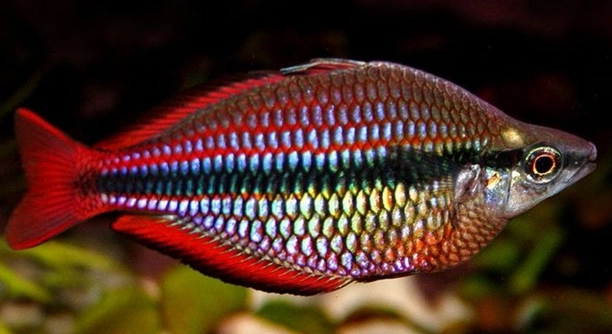
Rainbow fish are known for their vibrant colors and active nature, making them a fascinating addition to aquariums. Many people wonder if these fish can sense when someone is nearby. This article will explore that question.
Research indicates that rainbow fish may not have the same advanced sensory abilities as some other animals, but they can detect movement and changes in their environment. They rely on their keen vision and lateral line system to sense disturbances.
There is more to rainbow fish behavior than just their colors. Understanding how they interact with their surroundings can offer insight into their unique ways of perceiving the world.
How Rainbow Fish Sense Their Surroundings
Rainbow fish are particularly sensitive to their environment. They use a combination of their eyes and lateral line system to detect nearby movement and changes in the water. The lateral line is a sensory organ that helps them feel vibrations and pressure changes in the water, allowing them to react to potential threats or food. This system is common in many fish and works as an early warning system.
Although they may not “see” you in the way humans do, rainbow fish can definitely sense when someone is nearby. They notice the subtle vibrations created by your movements around the tank. The closer you are, the more likely they are to react, either by swimming toward you or darting away.
Interestingly, rainbow fish also recognize routine actions. If they consistently see you around the same time, they may start to associate your presence with feeding time. This can cause them to swim to the surface or become more active when you approach, even if you aren’t feeding them.
The Role of Light and Color in Their Behavior
Light and color play a major role in how rainbow fish behave. Their vibrant colors aren’t just for show—they help them communicate with other fish. Under bright lights, rainbow fish display more vivid hues. This could indicate that they are healthy, active, and possibly more receptive to their surroundings.
In some cases, rainbow fish may adjust their colors depending on their stress level or the environment. When they are in a calm, familiar setting, they may appear more colorful. Conversely, if they feel threatened or stressed, their colors may dull as a sign of distress. This color change helps other fish around them understand their state and avoid interaction, making it part of their survival strategy.
This natural ability to adjust to different environmental factors, like light and water conditions, makes rainbow fish highly adaptable. It also shows how much attention they pay to their surroundings, including the presence of humans or other creatures nearby. Understanding this can help you create a better aquarium environment where they feel comfortable and active.
Why Rainbow Fish React to People
Rainbow fish can detect people through their keen senses. They rely heavily on movement, changes in light, and sound. These fish are highly responsive to disturbances in their environment. When a person moves near the tank, the ripples or vibrations in the water are enough to capture their attention.
Rainbow fish often swim towards the surface when they sense your presence, especially if they associate you with feeding. This response is a learned behavior, as they begin to connect your movements with food. Over time, they can even recognize your specific actions and anticipate what’s coming next, like when you approach the tank with food.
This responsiveness isn’t just about food. The fish may also react to changes in light or water flow that happen when you approach the tank. Essentially, your presence is more than just physical to them; it’s a cue that triggers various natural responses, from swimming patterns to behavior shifts.
Understanding Their Sensory Systems
The lateral line system in rainbow fish is a key part of how they sense their environment. This system helps them detect vibrations in the water. When something moves around their tank, whether it’s you or another fish, the lateral line helps them react quickly.
Alongside the lateral line, their eyesight is another important factor. Rainbow fish can see well in the bright aquarium light, which allows them to detect movements above the water. Their vision, combined with their ability to feel vibrations, makes them quite sensitive to their surroundings, giving them the ability to sense when someone is near.
This heightened sensitivity allows them to react to changes in the water before they even see the source. It’s an essential survival mechanism that helps them avoid predators and find food. However, it also means they are acutely aware of their surroundings, including your movements.
The Importance of Routine
Rainbow fish can learn to recognize routines, such as feeding times or regular human interaction. Once they notice a pattern, they may start responding more quickly to your presence. This recognition helps them prepare for food or any changes in their environment.
This ability to associate specific actions with certain outcomes is key to their behavior. Rainbow fish might even start swimming to the surface as soon as they sense you moving near the tank. They see you not just as a person, but as part of their daily routine.
How They React to Movement
When it comes to movement, rainbow fish are highly sensitive. Their reaction to movement, whether by another fish or a person, is often immediate. They may swim in a quick burst or change direction entirely.
These reactions help them stay alert to potential threats. If the movement is a person approaching, their reaction could be to move closer to the glass. This is common among many fish species, as they learn what actions signal food or danger.
Impact of Tank Conditions
Tank conditions affect how rainbow fish react to people. Factors like water quality, temperature, and light levels influence their behavior. If the water is clear and stable, the fish tend to be more active and responsive.
In contrast, if the conditions are off, such as if the water is murky or too warm, rainbow fish might become more sluggish or stressed. They might even avoid interaction altogether. Therefore, maintaining a healthy environment is essential for encouraging natural behaviors and positive interactions with your fish.
FAQ
Can rainbow fish recognize their owners?
Rainbow fish can recognize and react to their owners, especially if they associate them with feeding. They can learn to expect food at certain times, and this routine will make them more active and responsive when they see you approaching the tank. While they might not form bonds in the way mammals do, they can definitely recognize patterns in your behavior.
Why do rainbow fish swim to the surface when I approach?
Rainbow fish swim to the surface when they sense your presence because they may associate you with food. This is a learned behavior, as they come to expect feeding when you come near the tank. They might also swim toward you out of curiosity, as they are naturally inquisitive creatures.
Do rainbow fish have good vision?
Yes, rainbow fish have good vision, especially in bright light conditions. They rely on their eyesight to detect movements above the water, including when people approach the tank. Their vision works in tandem with their lateral line system to help them stay aware of their environment.
How sensitive are rainbow fish to water changes?
Rainbow fish are quite sensitive to changes in their water environment. Variations in temperature, pH, or water quality can cause stress. If the water conditions shift dramatically, the fish may become sluggish or even hide. Maintaining a stable environment is crucial to keeping them healthy and active.
Do rainbow fish react to other fish in the tank?
Rainbow fish are social and will often interact with other fish in the tank. They may respond to the movements and behavior of tank mates, especially if they are swimming in close proximity. In some cases, they may display territorial behavior if they feel crowded, although this is more common with certain species.
How do rainbow fish sense vibrations?
Rainbow fish use their lateral line system to sense vibrations in the water. This system detects changes in water pressure and movements, which can be caused by other fish, tank equipment, or people. When you move near the tank, the vibrations are enough to trigger a response from the fish.
Can rainbow fish recognize other fish species?
Rainbow fish can recognize other fish species, particularly those they interact with regularly. They may respond differently to various species based on past experiences. If they share the tank with peaceful species, they are more likely to interact calmly. Aggressive species might make them more cautious or stressed.
Do rainbow fish get stressed easily?
Rainbow fish can become stressed if their environment isn’t ideal. Poor water quality, sudden temperature changes, or overcrowding can cause them stress. Stress can lead to poor health and changes in behavior, such as hiding or becoming inactive. Regular tank maintenance and a proper diet help minimize stress.
How do rainbow fish communicate with each other?
Rainbow fish communicate primarily through body language and color changes. When they feel threatened or excited, they may display brighter colors to signal to other fish. This is part of their natural behavior, and it helps them convey information about their mood or the state of their environment.
Can rainbow fish detect changes in light?
Yes, rainbow fish are sensitive to changes in light. They use their eyes to detect changes in lighting levels, which can affect their behavior. Brighter light often makes them more active, while dimmer conditions may lead them to become calmer or seek shelter. The time of day also plays a role in their activity levels.
Do rainbow fish need a lot of attention from their owners?
Rainbow fish do not require constant attention, but they benefit from regular interaction, especially when it comes to feeding. They tend to become more active and curious when they see their owners, and they might even start to associate your presence with food. However, they are independent creatures and don’t need constant handling.
What is the best environment for rainbow fish?
The best environment for rainbow fish includes a well-maintained aquarium with clean, slightly acidic to neutral water. They thrive in environments with plenty of space to swim and live best in a group. It’s important to keep the tank at a stable temperature, with a good filtration system to keep the water clear and healthy.
Can rainbow fish live with other species?
Rainbow fish are generally peaceful and can live with other non-aggressive species. They get along well with other community fish, as long as the tank isn’t overcrowded and all species are compatible in terms of water conditions. It’s important to avoid aggressive species that may cause stress to the rainbow fish.
Final Thoughts
Rainbow fish are fascinating creatures with unique ways of interacting with their environment. They are highly sensitive to movement and changes in their surroundings, which includes recognizing the presence of their owners. While they don’t form bonds like mammals, they can certainly learn routines and associate certain actions with outcomes, such as feeding time. This makes them highly responsive to your movements around the tank. They may swim to the surface, showing excitement when they expect food, or they might simply be curious about your presence.
These fish rely on both their vision and their lateral line system to detect changes in their environment. The lateral line helps them feel vibrations in the water, making them aware of even the slightest disturbances. Combined with their ability to see well in bright light, rainbow fish are always aware of what’s happening around them. Whether it’s another fish or you approaching the tank, they can react quickly to any changes. This heightened sensitivity is part of their natural survival instinct, helping them avoid predators or find food.
To keep your rainbow fish happy and healthy, it’s important to maintain a stable environment for them. Regular water changes, proper filtration, and maintaining the right temperature are key. Since they are quite sensitive to changes in water conditions, any significant shifts can lead to stress or illness. Providing a clean and stable tank, along with a good routine of feeding, will help encourage natural behavior and ensure your rainbow fish are active and responsive. With the right care, these vibrant fish will continue to thrive and show their unique behaviors, giving you a glimpse into their fascinating world.

Hello,
If you enjoy the content that we create, please consider saying a "Thank You!" by leaving a tip.
Every little bit helps us continue crafting quality advice that supports the health, happiness, and well-being of pets around the world, for pets of all shapes, sizes, and species.
We really appreciate the kindness and support that you show us!