
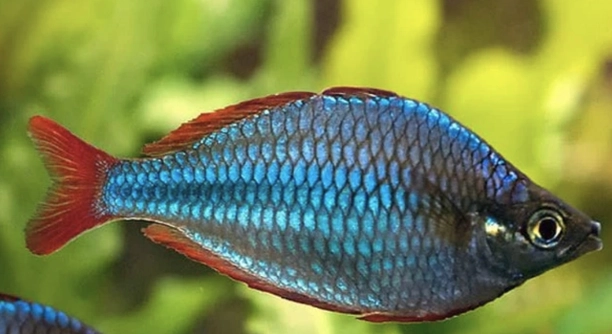
Rainbow fish are known for their vibrant colors and peaceful nature, but there may be more to them than meets the eye. Understanding the behavior of these fish can reveal surprising traits, especially when it comes to how they interact with each other.
Recent research suggests that rainbow fish can sense fear in other fish. This ability likely involves detecting stress signals, such as changes in behavior or chemical cues, that indicate fear or discomfort among their tankmates.
The findings may offer insight into how fish communicate with each other, even without direct interaction. Exploring this behavior could change the way we look at aquatic life and its emotional dynamics.
How Do Fish Sense Fear in Each Other?
Rainbow fish, like many other species, communicate in ways that are not immediately obvious to us. They may not have complex vocal cords, but they do communicate using body language and chemical signals. When one fish is frightened, it releases certain chemicals into the water. These chemicals can trigger a response in other fish nearby, alerting them to the potential threat. This type of signaling is a form of chemical communication, which is common in many aquatic species. It’s fascinating to think that fish may sense emotions similar to how humans react to body language or tone of voice.
The release of stress chemicals can spread throughout the water, allowing fish to detect a potential danger. These subtle signals might help fish avoid predators or prepare for possible threats. It’s a simple yet effective way of communicating without words.
Fish are constantly aware of their surroundings, using not just sight and sound, but also their sense of smell to detect changes. This allows them to react quickly when something feels wrong. It’s a skill they’ve developed to help them survive in environments where quick thinking is essential.
Can Other Fish Detect These Signals?
Fish are often highly sensitive to their environment, and other species have the ability to pick up on these signals too. In fact, it’s not just rainbow fish that can sense fear. Many fish species are capable of detecting stress chemicals, helping them stay alert and avoid danger.
Fish use a specialized organ called the olfactory bulb, which is part of their sense of smell, to pick up on these chemical signals. The more fish in a tank, the more noticeable these reactions become. When a single fish releases chemicals due to fear, others are more likely to follow suit, heightening the overall response. This becomes important in environments where safety is crucial, like when avoiding predators.
The ability of fish to detect fear goes beyond just surviving. It helps them adapt to new situations and make decisions that impact their group’s survival. It’s a reminder of how connected fish are with each other, even in seemingly small ways.
The Role of Chemicals in Fish Behavior
Fish release chemicals called alarm substances when they’re stressed or frightened. These chemicals spread through the water, triggering a response in nearby fish. These substances are detected by the fish’s olfactory system, allowing them to react to potential threats, even without direct contact. This helps them stay safe.
The detection of these chemicals can lead to various behavioral changes in other fish. They might swim faster, seek shelter, or become more alert. These reactions help the group protect themselves from predators. It’s like a silent alarm system that alerts the whole group, ensuring they stay prepared for any danger that might appear.
These alarm substances also help fish communicate in a broader sense. By releasing chemicals into the water, they provide cues that others can sense, building a network of information. It’s a subtle but effective method of communication that plays a crucial role in their survival.
How Fear Affects Fish Behavior
When a fish senses fear, it often leads to noticeable changes in its actions. Fish become more cautious and may seek shelter. This is a natural defense mechanism, which can help them avoid potential threats. In groups, this reaction is amplified.
Fish may stop feeding, hide, or swim in erratic patterns when frightened. These changes are directly tied to their instincts, meant to keep them out of harm’s way. Their sensitivity to changes in their environment makes them agile survivors, able to adjust quickly when danger is near. For example, a single fish in distress can signal the rest of the group to take cover, minimizing the chances of danger.
This heightened sensitivity to fear is also part of their survival strategy. The more aware they are of fear signals, the better they can avoid becoming prey. While it’s a basic instinct, it’s essential for maintaining the balance of fish populations in their habitats.
The Science Behind Fear Detection in Fish
Fish are equipped with highly sensitive olfactory systems that allow them to detect even minute changes in their environment. When one fish is frightened, it releases chemicals into the water. Other fish nearby sense these chemicals and react accordingly. This ability helps them stay alert and safe.
The ability to detect these chemical signals is crucial for fish survival. By sensing fear in their environment, they can avoid potential dangers, whether that’s a predator or environmental stress. This chemical detection helps ensure the group stays together and responds quickly to threats, improving their chances of survival.
The Impact of Group Dynamics on Fear Response
The presence of multiple fish amplifies the response to fear. When one fish detects a danger, it sends out a chemical signal, causing others to react. The group becomes more cautious, which enhances their overall ability to avoid predators. This group behavior increases their survival rate.
In the wild, fish live in schools, and this collective response is vital for keeping the group safe. The fear of one fish spreads quickly, allowing others to take precautionary actions. It’s a form of communal protection, where the reaction to fear becomes a shared instinct, strengthening the group’s survival.
FAQ
How do fish detect fear in each other?
Fish can detect fear through chemical signals, particularly alarm substances, which are released into the water when a fish is frightened. These substances are detected by the fish’s olfactory system, alerting nearby fish to the presence of a threat. It’s a form of chemical communication, helping the fish stay safe without needing to directly interact.
Can all fish sense fear in others?
Most fish species have the ability to sense fear through chemical cues. This includes rainbow fish, who use their olfactory senses to detect these alarm substances. While not all fish species may have the same sensitivity, many can pick up on changes in their environment caused by fear signals, helping them react to potential dangers.
What kind of behavior do fish display when they sense fear?
When fish sense fear, they often exhibit behaviors like erratic swimming, hiding, or staying still. They might also swim closer together, increasing the group’s overall safety. These behaviors help the group react quickly to avoid predators or other dangers. It’s a survival tactic that relies on the entire group’s awareness.
Do fish communicate through fear signals only?
No, fish use a variety of methods to communicate. Besides fear signals, fish also communicate through body language, color changes, and sounds, though these signals are often harder to detect by humans. Alarm substances, however, play a key role in warning others in times of danger, making it one of the most vital forms of communication in the wild.
How quickly can fish react to fear signals?
Fish can react almost immediately to fear signals. Once the chemical cues are released into the water, the fish can detect them and start adjusting their behavior almost instantaneously. This rapid response helps them avoid predators or escape from other threats in their environment.
Are some fish more sensitive to fear signals than others?
Yes, some fish species are more sensitive to fear signals than others. Fish that live in more dangerous environments, where predators are common, tend to have a heightened sensitivity to these cues. This allows them to react more quickly and efficiently. Rainbow fish, for example, are quite responsive to stress signals, which helps them stay safe.
Do fear signals affect the entire fish tank or just certain fish?
Fear signals can affect the entire fish tank, especially if the fish are close together. When one fish is frightened, it releases alarm substances that can spread quickly throughout the water. Nearby fish pick up on these signals and adjust their behavior. This collective response enhances the survival chances of the entire group.
How long do fear signals stay in the water?
Fear signals don’t last long in the water, but their effects can be immediate. The alarm substances are typically dissolved in the water and can dissipate over time. However, their impact is quick, with nearby fish reacting almost instantly. Fish may also continue to react to these signals for a short time even after the chemicals have dispersed.
Can fish sense fear in other species?
Yes, some fish can detect fear in other species, particularly if they share the same habitat. For example, a predator fish might release chemicals when it’s threatened, and other fish in the area could detect those fear signals. This can lead to a heightened sense of danger for all fish in the area, not just those of the same species.
Do fish feel fear the same way humans do?
While fish may experience fear, their emotional responses are different from humans. Fish have simpler nervous systems, and their reactions are more instinctual, helping them avoid danger. Unlike humans, they likely don’t experience fear with complex emotions or long-term anxiety, but rather as a survival mechanism that triggers immediate actions.
Can fish become desensitized to fear signals over time?
There isn’t much evidence to suggest that fish can become completely desensitized to fear signals, but they might adapt to certain environmental cues over time. For instance, if a fish repeatedly encounters a low-level threat, it might not react as intensely to smaller fear signals. However, in the presence of a significant danger, they will still respond quickly.
How do fish handle fear in captivity compared to the wild?
Fish in captivity often face different stressors than those in the wild. While they still react to fear signals, their environment might lack the variety of natural threats they would encounter in the wild. In an aquarium, the fish may be more sensitive to changes in water quality, light, or the presence of other fish, which can trigger fear responses.
Are fish aware of their surroundings when sensing fear?
Yes, fish are highly aware of their surroundings, especially when sensing fear. Their keen senses of smell and sight help them pick up on changes in their environment, including the presence of predators or other threats. This awareness is crucial for their survival, allowing them to react to danger as soon as it appears.
Do fish feel more fear when they are alone?
Fish are social animals and tend to feel more vulnerable when they are alone. In a group, the collective awareness helps them feel safer. When isolated, a fish might experience more stress or fear, as there is no one to help watch for danger. In groups, the response to fear is often quicker and more coordinated.
Do fish learn from fear experiences?
Fish can learn from fear experiences in a way that helps them avoid similar threats in the future. This type of learning is often based on their reactions to danger, and while it’s not as complex as human memory, fish can recognize patterns. They may learn to associate certain situations with danger, which can alter their behavior going forward.
Final Thoughts
Understanding how rainbow fish and other species sense fear provides valuable insight into the way fish communicate and protect themselves. Fish are highly aware of their surroundings, using their senses, particularly smell, to pick up on changes in the water. When one fish is frightened, it releases chemicals that act as alarm signals, warning others in the group of potential danger. This form of communication helps fish respond quickly, increasing their chances of survival in an environment where threats can appear without warning.
This behavior isn’t limited to rainbow fish. Many species of fish, particularly those that live in schools, use this chemical signaling system to stay safe. The entire group benefits from each individual’s awareness of danger, as the fear response spreads throughout the group. The sensitivity of fish to these fear signals shows how interconnected their behavior can be. It also highlights the importance of group dynamics in fish survival. When one fish senses danger, the whole group may act in unison, becoming more cautious and alert. This kind of collective behavior is vital in the wild, where predator threats are constant.
While we may not fully understand all the complexities of how fish perceive and react to fear, the research into their ability to detect chemical signals is clear. Fish use their senses to gather information about their environment, and fear detection is just one of the many survival strategies they rely on. Whether in a natural habitat or in an aquarium, fish remain alert to changes in their surroundings, ensuring they are ready to respond when necessary. The way they communicate through fear signals is just one example of how animals have developed unique methods to thrive in their environments.

Hello,
If you enjoy the content that we create, please consider saying a "Thank You!" by leaving a tip.
Every little bit helps us continue crafting quality advice that supports the health, happiness, and well-being of pets around the world, for pets of all shapes, sizes, and species.
We really appreciate the kindness and support that you show us!