
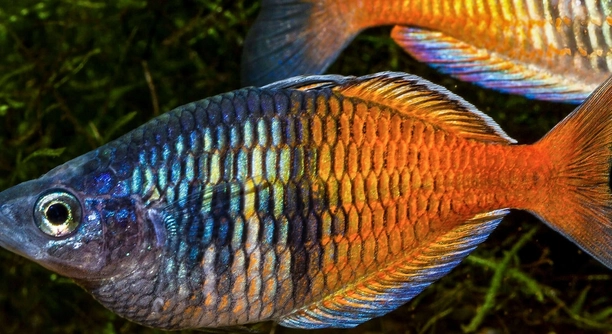
Rainbow fish are known for their striking colors and lively behavior. Observing their reactions to environmental changes has raised questions about their ability to sense shifts in air pressure. This topic is of growing interest in the study of fish behavior.
Rainbow fish are sensitive to environmental changes, including shifts in air pressure. Though their primary means of detection rely on changes in water pressure, their behaviors suggest that they may be indirectly aware of atmospheric pressure fluctuations.
Understanding these behaviors could reveal how external factors influence their daily lives and how they adapt to changing environments.
How Do Fish Detect Changes in Their Environment?
Rainbow fish rely heavily on changes in water pressure to sense shifts in their surroundings. While they don’t have the same type of ears as humans, they possess a sophisticated system known as the lateral line. This organ helps them detect vibrations, currents, and changes in pressure. When the air pressure shifts, it often leads to a corresponding change in water pressure, which rainbow fish can sense. This ability allows them to react quickly to any environmental shift, even if the change isn’t immediately visible. They can adjust their behavior to stay safe and find food, demonstrating how finely tuned their senses are to subtle changes.
Their sensitivity to pressure changes also links them to the weather. When air pressure drops, it often signals an upcoming storm. This shift can lead rainbow fish to alter their swimming patterns, perhaps seeking deeper or calmer waters for safety. Understanding these responses can provide insight into how these fish interact with both their immediate and surrounding environments. Their ability to sense such changes is a valuable survival mechanism in their ever-changing habitat.
Does Air Pressure Affect Rainbow Fish Behavior?
The relationship between air pressure and fish behavior is complex. As atmospheric pressure fluctuates, it causes subtle changes in water pressure, which fish can detect. This influence on behavior is particularly noticeable before storms.
Rainbow fish, in particular, appear to adjust their swimming patterns when air pressure changes, possibly in response to the environmental stress of a storm or a shift in food availability. The pressure changes could trigger a biological response, such as the release of certain hormones or chemicals, prompting the fish to move to different depths or areas within their habitat. This behavior suggests that rainbow fish are not only reacting to immediate threats like predators but also to broader environmental changes, such as changes in weather.
Understanding the connection between pressure changes and fish behavior provides insight into how rainbow fish adapt to fluctuations in their environment. As weather patterns shift, so too does the behavior of these aquatic creatures, allowing them to respond in ways that help them survive. This adaptation plays a significant role in their survival strategies.
How Changes in Weather Affect Fish Behavior
Rainbow fish are sensitive to both water and air pressure changes. When air pressure drops due to a storm, it can cause subtle shifts in water pressure. This change often triggers a response from the fish, prompting them to adjust their behavior, such as altering swimming patterns or seeking shelter.
As the weather changes, rainbow fish might become more active or more reserved. A drop in air pressure can make them more sensitive to their environment, causing them to react to the smallest disturbances. They may swim more erratically or seek deeper waters in an attempt to stay safe. This sensitivity helps them navigate through environmental stresses.
In addition to pressure changes, the temperature drop associated with storms also affects their behavior. Cooler water temperatures can slow their metabolism, making them less active. This change can also influence their feeding patterns, as they may choose to reduce activity until conditions stabilize. Understanding these responses can help keep rainbow fish healthy in fluctuating environments.
The Role of Pressure Sensors in Fish
Rainbow fish rely on their lateral line system to detect changes in water pressure. This system functions as a pressure sensor, alerting the fish to movements in the water. By sensing pressure changes, they can detect nearby objects, predators, or potential food sources.
Pressure sensors work by detecting the slightest shifts in water currents, providing fish with valuable information about their surroundings. When air pressure decreases, it can cause a corresponding change in water pressure, which the fish can sense. These subtle changes help them remain alert to any environmental shifts, such as an approaching predator or a potential food source.
In addition, the lateral line system allows them to navigate through murky waters where sight is limited. This pressure detection capability plays a significant role in the fish’s ability to stay safe and find food. By interpreting changes in pressure, rainbow fish can respond quickly to their environment.
Rainbow Fish and Their Adaptability to Environmental Changes
Rainbow fish quickly adjust to changes in their environment. When atmospheric pressure fluctuates, their behavior often shifts as well. They react to drops in air pressure by moving to safer locations or changing swimming patterns to avoid potential threats.
This adaptability helps them survive in habitats where conditions change regularly. As weather patterns shift, rainbow fish show a level of awareness that guides their actions. They respond to these changes instinctively, adjusting their position in the water to ensure their safety and comfort.
The Influence of Water Pressure on Fish Movement
Water pressure plays a major role in the way rainbow fish move. As the pressure in the water increases or decreases, fish may alter their swimming patterns. The ability to sense these changes helps them navigate their surroundings.
Rainbow fish typically use their lateral line to detect pressure changes in the water. This system allows them to sense shifts that could be caused by predators, prey, or environmental factors like storms. Their ability to respond to such signals helps them make quick decisions, such as changing direction or moving to safer waters. Understanding this response highlights their sensitivity to their environment.
The Connection Between Air and Water Pressure
The relationship between air pressure and water pressure is crucial for rainbow fish. When air pressure drops, it often causes water pressure changes that fish can sense. This shift can trigger changes in their behavior. They are capable of detecting these shifts and reacting accordingly.
FAQ
Can rainbow fish sense changes in air pressure?
Yes, rainbow fish can sense changes in air pressure. While they primarily rely on their lateral line system to detect water pressure changes, fluctuations in air pressure can indirectly affect water pressure. As the air pressure drops, it can trigger subtle changes in water pressure, which rainbow fish can detect. This allows them to respond to shifts in their environment, such as changes in weather patterns.
How do rainbow fish detect pressure changes?
Rainbow fish detect pressure changes through their lateral line system. This specialized sensory organ runs along their body and helps them sense vibrations and changes in water pressure. The lateral line detects even small shifts in the environment, including changes caused by shifts in air pressure. These subtle changes help the fish navigate and respond to potential threats or changes in their surroundings.
What happens to rainbow fish when the air pressure drops?
When the air pressure drops, rainbow fish may exhibit altered behavior. They may become more active, swim erratically, or seek deeper waters. These responses are likely due to their sensitivity to changes in pressure, which can signal a storm or other environmental changes. Their behavior is a natural reaction to these shifts, helping them stay safe and adapt to their environment.
Do rainbow fish react differently before a storm?
Yes, rainbow fish often react to the changes in pressure that precede a storm. As the air pressure drops, the water pressure also shifts, which can trigger a change in their behavior. They might swim more actively, move to different depths, or seek calmer areas of the water. These changes help them adjust to the upcoming weather conditions and ensure their survival.
How do pressure changes affect rainbow fish feeding habits?
Pressure changes can influence rainbow fish feeding habits. When air pressure drops, it may cause a decrease in their activity levels, making them less likely to feed actively. Similarly, when pressure rises, their metabolism may speed up, making them more inclined to search for food. These subtle environmental cues help rainbow fish regulate their behavior, including when and how they feed.
Can rainbow fish detect predators through pressure changes?
Yes, rainbow fish can detect predators through pressure changes in the water. The lateral line system allows them to sense vibrations caused by movements in the water, including the presence of nearby predators. When a predator approaches, it creates a disturbance in the water pressure, which the rainbow fish can detect. This ability helps them react quickly and avoid danger.
How do rainbow fish adjust to changes in water temperature?
Rainbow fish are sensitive to water temperature changes, which can also affect their behavior. When the water temperature drops, their metabolism slows down, making them less active. This is often accompanied by changes in their swimming patterns or location in the water. Conversely, warmer water can speed up their metabolism, increasing their activity levels. Understanding how rainbow fish adapt to temperature shifts can help in creating a more stable environment for them.
Do rainbow fish respond to changes in water quality?
Yes, rainbow fish can respond to changes in water quality. If the water becomes polluted or oxygen levels drop, they may show signs of stress, such as erratic swimming or seeking areas with better water conditions. Maintaining clean water is crucial for the health and well-being of rainbow fish, as they are highly sensitive to water quality. Regular water changes and monitoring water parameters are essential to prevent stress and illness.
Are rainbow fish more active during certain weather conditions?
Rainbow fish can be more active during certain weather conditions, particularly when air pressure is rising. This often occurs before or after a storm. As the pressure stabilizes, rainbow fish may become more active, swimming faster or seeking food. They might also become more social, interacting more with other fish in their environment. These changes in activity levels are linked to their sensitivity to environmental shifts and help them adapt to different conditions.
How does barometric pressure affect rainbow fish health?
Barometric pressure, which is linked to changes in air pressure, can have an effect on rainbow fish health. If the pressure drops suddenly, it may cause stress, as the fish struggle to adapt to the change in their environment. Long-term exposure to fluctuating pressure can also affect their metabolism and overall well-being. Ensuring stable water conditions can help mitigate the negative effects of pressure changes on rainbow fish health.
Can rainbow fish adapt to rapidly changing environments?
Rainbow fish are fairly adaptable to environmental changes, including fluctuations in air and water pressure. However, rapid or extreme changes in their environment can cause stress. They rely on their sensory systems, like the lateral line, to detect these changes and adjust accordingly. With time, they can adapt to new conditions, but consistent and gradual changes are less likely to cause harm than sudden, drastic shifts in their habitat.
What role does the lateral line play in fish survival?
The lateral line plays a crucial role in fish survival by helping them detect changes in water pressure and vibrations. This system allows fish to sense the movements of nearby predators, prey, and environmental changes. It helps them navigate through murky waters and avoid danger. The lateral line is also vital for communication with other fish, as it allows them to detect the movements of fellow members of their species.
Do rainbow fish sleep, and does air pressure affect it?
Rainbow fish do sleep, but their sleep patterns differ from humans. They don’t enter a deep sleep cycle but rest by reducing their activity levels. Air pressure changes can affect their sleep-like behavior. For example, they may become more active if the pressure drops or sleep more deeply during stable conditions. Pressure fluctuations can disrupt their rest, making them more alert during periods of change.
Can rainbow fish sense changes in light along with air pressure?
Rainbow fish are sensitive to changes in light, but they rely more on pressure changes through their lateral line system. While they can detect light changes, they mainly use their pressure-sensing abilities to detect changes in their environment. These combined sensory systems help them stay alert and respond appropriately to potential threats or changes in their habitat.
Final Thoughts
Rainbow fish are highly sensitive to changes in their environment. They rely on their lateral line system to detect shifts in water pressure, which are often influenced by changes in air pressure. This ability allows them to react quickly to fluctuations in weather or the presence of predators. Their awareness of these changes helps them adapt and survive in their aquatic habitats. While they are more active in response to certain pressure shifts, they can also become more cautious when the environment feels unstable, seeking shelter or moving to deeper waters.
Understanding how rainbow fish sense changes in air pressure provides valuable insights into their behavior. By monitoring their responses, we can better understand how environmental factors, like storms or weather patterns, influence their daily activities. This information can be useful for aquarium owners, helping them maintain more stable conditions for their fish. Keeping track of weather patterns and ensuring a stable, calm environment can help reduce stress for rainbow fish, leading to better health and behavior in the long run.
Overall, rainbow fish are resilient creatures that can adjust to changing conditions. Their sensitivity to pressure changes, along with their other survival mechanisms, makes them well-equipped to navigate their environments. By providing them with a stable habitat and considering their sensitivity to pressure shifts, owners can create an ideal environment where rainbow fish can thrive. Understanding these responses gives us a greater appreciation for how adaptable and resourceful these fish can be.

Hello,
If you enjoy the content that we create, please consider saying a "Thank You!" by leaving a tip.
Every little bit helps us continue crafting quality advice that supports the health, happiness, and well-being of pets around the world, for pets of all shapes, sizes, and species.
We really appreciate the kindness and support that you show us!