
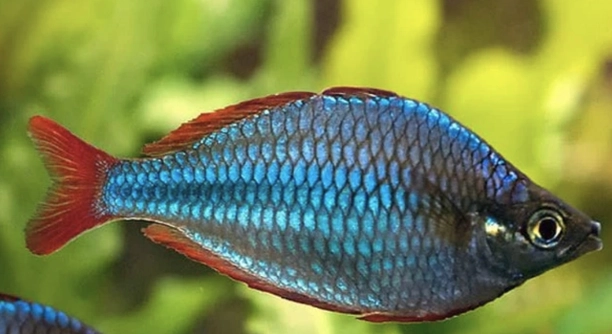
Rainbow fish are known for their vibrant colors and active swimming patterns. As territorial creatures, they often establish areas they defend. Understanding how these fish recall their territories can provide insight into their behavior and survival strategies.
Research indicates that rainbow fish are capable of remembering their territory for extended periods. They use visual and chemical cues to recognize their environment and defend it against intruders, ensuring access to resources essential for their well-being.
Understanding the factors influencing territorial memory can help enhance the care and environment for rainbow fish.
How Rainbow Fish Mark Their Territory
Rainbow fish are territorial animals that rely on several methods to mark their space. Visual cues such as physical features and color patterns are used to identify their boundaries. They also use scent markers released from glands to establish their area. These visual and chemical indicators help them recognize where their territory begins and ends. Additionally, rainbow fish will display aggressive behavior if another fish enters their space, reinforcing their ownership. This natural defense mechanism ensures they maintain control over the area, reducing the risk of conflict over resources. It is important to note that these territories are typically defended against their own species, rather than other fish species, as they compete for similar resources.
When creating an environment for rainbow fish, it’s crucial to include hiding spots and plant coverage. Providing them with these features reduces stress and helps maintain their natural behavior. Territory markers, such as decorations or rocks, can further simulate their natural habitat.
A well-established territory helps maintain the fish’s health and reduces unnecessary aggression. Properly understanding how rainbow fish interact with their space and one another can make the difference between a harmonious aquarium and one filled with tension. Their instinctual behaviors should be taken into account when setting up their environment.
How Rainbow Fish Remember Their Territory
Territorial memory in rainbow fish is strongly influenced by both visual and chemical cues.
They remember their territory through a combination of sight and scent. The fish use their acute sense of vision to recognize landmarks such as plants, rocks, and even specific tank corners. Additionally, they rely on chemical markers left behind from their body. These scent trails help them identify their own territory and stay aware of the boundaries. With this ability to recall their environment, rainbow fish can maintain control and avoid unnecessary confrontations with others.
How Territorial Behavior Impacts Their Social Structure
Rainbow fish are highly territorial, and their social behavior is shaped by this. When a fish feels its territory is being threatened, it will engage in displays of aggression. These include chasing or flaring up their fins to intimidate other fish. These behaviors help reduce the likelihood of fights over resources.
Within a tank, this territorial aggression can lead to hierarchy formation. Dominant rainbow fish will claim the best spots, while subordinates will settle for less favorable areas. Over time, these relationships stabilize, allowing the fish to coexist peacefully. Understanding these social dynamics is key for tank maintenance and fish welfare.
In the wild, territorial behavior plays an important role in survival. It ensures that rainbow fish have access to sufficient food and breeding grounds. In a captive environment, replicating these conditions can reduce stress and increase the likelihood of the fish thriving. Proper tank setup, including hiding spots and barriers, can minimize conflicts and promote a healthier aquarium ecosystem.
How Territorial Memory Affects Their Behavior
Rainbow fish’s ability to recall their territory affects their overall behavior.
Their memory helps them navigate their environment with ease. Over time, they become familiar with specific locations, recognizing safe spaces for feeding, resting, or breeding. The constant use of their territory reinforces their memory, making them more confident in defending their space. Territorial memory also reduces stress, as the fish know exactly where to retreat if they feel threatened.
By understanding how rainbow fish use their memory to establish territory, aquarium owners can create a more natural and comfortable environment. This leads to healthier fish that are less prone to aggression. Adding plants, rocks, and structures that encourage territorial behavior can help maintain a balanced ecosystem, where each fish feels secure in its space.
Territorial Disputes and Their Resolution
Rainbow fish can engage in territorial disputes when their boundaries are challenged. These disputes typically involve chasing or intense displays of aggression. If the intruder does not retreat, physical altercations may occur. However, such conflicts rarely last long and tend to resolve with one fish asserting dominance over the other.
In a tank setting, the presence of clear boundaries helps to minimize these disputes. By providing enough space and hiding spots, territorial conflicts can be avoided. With appropriate tank setup, rainbow fish can coexist peacefully, reducing the need for aggressive behavior and encouraging a more harmonious environment.
Environmental Factors Influencing Territorial Behavior
Water quality, temperature, and tank layout can all affect territorial behavior.
Rainbow fish are sensitive to changes in their environment. A drop in water quality or abrupt changes in temperature can cause stress, making fish more territorial. When fish feel threatened, they may act aggressively to defend their space. Therefore, maintaining optimal water conditions is essential to avoid escalating territorial disputes.
Territorial Behavior in Breeding
Territoriality is especially pronounced during breeding.
During the breeding season, rainbow fish become even more protective of their territory. Males, in particular, will intensify their territorial displays to attract females and ward off other males. This behavior ensures that they have a safe and secure space to court and lay eggs. Understanding this behavior can help create the right environment for successful breeding.
FAQ
How do rainbow fish establish their territory?
Rainbow fish establish their territory by using both visual and chemical cues. They mark their space with scent markers released from glands and rely on familiar landmarks, such as rocks or plants, to identify their boundaries. Their bright colors and physical features also help them recognize and defend their territory from intruders.
Do rainbow fish defend their territory aggressively?
Yes, rainbow fish are known to defend their territory aggressively, especially if they feel their space is being invaded. They may chase, flare their fins, or even nip at other fish. However, the intensity of these behaviors often depends on the size of the tank and the number of fish present.
Can rainbow fish live with other species in a community tank?
Rainbow fish can live with other species in a community tank, provided they have enough space and hiding spots. It’s important to avoid overly aggressive fish or those that might compete for similar resources. A peaceful aquarium setup with plenty of space will help reduce territorial conflicts.
What size tank is best for keeping rainbow fish?
A minimum tank size of 30 gallons is recommended for rainbow fish, especially if keeping more than one. They need enough room to establish their territories and swim freely. Larger tanks allow for better distribution of space, reducing stress and aggression between fish.
How can I reduce territorial aggression in a tank?
To reduce territorial aggression, ensure the tank is large enough for the number of rainbow fish. Adding plenty of plants, rocks, and other decorations will create hiding spots and give fish areas to claim as their own. Keeping the water quality high and maintaining a consistent temperature can also help keep aggression levels low.
Do rainbow fish have a memory of their territory?
Yes, rainbow fish have a strong memory of their territory. They use both visual and chemical cues to recognize their environment and defend it. Their memory helps them navigate their space with ease, and they can remember their territory for extended periods. This ability is crucial for maintaining their space and reducing territorial conflicts.
What happens if two rainbow fish fight over territory?
If two rainbow fish fight over territory, one will typically assert dominance over the other. The dominant fish will often chase the intruder away. In some cases, the intruder may get injured, but most disputes end without severe harm. However, it’s important to monitor the situation and ensure that no fish is being overly stressed.
Are rainbow fish territorial during breeding?
Yes, territorial behavior in rainbow fish is heightened during breeding. Males will aggressively defend their territory to attract females and prevent other males from intruding. This behavior ensures that the breeding area is safe and secure for egg-laying and courtship. During this time, it’s especially important to provide ample space and hiding spots.
Can rainbow fish be kept in pairs or groups?
Rainbow fish can be kept in both pairs and groups. However, keeping them in groups of at least five or six fish is ideal to prevent territorial aggression. In smaller groups or pairs, one fish may become too dominant, leading to stress and fighting. A group setup helps spread out aggression and makes it easier for fish to establish their own space.
Do rainbow fish remember the boundaries of their territory?
Yes, rainbow fish remember the boundaries of their territory. They rely on both visual landmarks and scent markers to recall the layout of their space. This memory helps them identify their area quickly and defend it against other fish. Territorial memory also plays a role in reducing anxiety, as the fish feel more secure in familiar surroundings.
How can I tell if my rainbow fish is stressed by territorial behavior?
Stressed rainbow fish may display signs such as hiding, reduced swimming activity, or an increase in aggressive behavior. If a fish is constantly chasing others or staying in one area of the tank, it could indicate territorial stress. Keep an eye on their physical appearance; damaged fins or body marks may also be a sign of aggression-related stress.
What are the best tank mates for rainbow fish?
Good tank mates for rainbow fish include other peaceful species that do not compete for the same food or territory. Tetras, corydoras catfish, and peaceful barbs are often compatible. Avoid aggressive fish or species that may trigger territorial behavior, as these can lead to conflicts in the tank.
How do I prevent rainbow fish from becoming too territorial in a small tank?
In a small tank, territorial behavior can become more pronounced due to limited space. To prevent this, ensure that there are plenty of hiding spots and visual barriers to help divide the space. Adding plants and rocks can give each fish a private area. Additionally, keeping the fish in pairs or small groups may reduce the intensity of territorial behavior.
Can rainbow fish coexist with other rainbow fish species?
Rainbow fish of the same species can live together without much issue, especially in larger tanks. However, when mixing different rainbow fish species, territorial conflicts may arise due to differing behaviors or sizes. To reduce conflicts, make sure the tank is large enough and that there are sufficient hiding spots to allow each fish to establish its own territory.
Final Thoughts
Rainbow fish are fascinating creatures with distinct territorial behaviors. Understanding how they establish, defend, and remember their territories is essential for keeping them in a healthy, stress-free environment. These fish rely on both visual and chemical cues to mark and remember their space, making it crucial to replicate a natural habitat in your aquarium. With the right tank size, decorations, and water conditions, rainbow fish can thrive and coexist peacefully with other species.
Territorial aggression is a natural behavior for rainbow fish, but it can become problematic if not managed properly. Providing enough space for each fish to establish its territory is key. This not only reduces stress but also minimizes the chances of physical conflicts. In smaller tanks, territorial disputes may be more frequent, so creating hiding spots and visual barriers can help. It’s also important to consider the other fish in the tank. Species that are too aggressive or territorial themselves can escalate conflicts and stress levels among rainbow fish.
Ultimately, a successful rainbow fish tank requires careful planning and attention to detail. By understanding their territorial nature and providing the right environment, you can create a thriving community where rainbow fish feel secure. This includes paying attention to their social structure, ensuring proper tank size, and maintaining water quality. With these factors in place, rainbow fish can lead long, healthy lives, exhibiting their natural behaviors without unnecessary aggression or stress.

Hello,
If you enjoy the content that we create, please consider saying a "Thank You!" by leaving a tip.
Every little bit helps us continue crafting quality advice that supports the health, happiness, and well-being of pets around the world, for pets of all shapes, sizes, and species.
We really appreciate the kindness and support that you show us!