
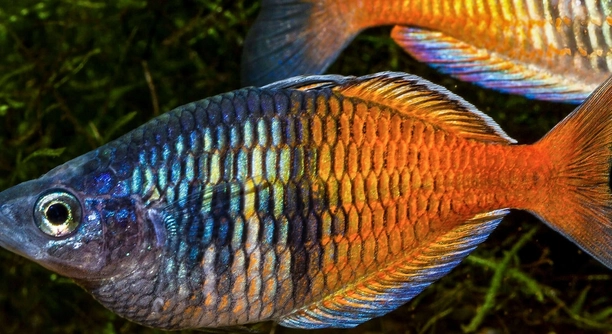
Rainbow fish are popular aquarium inhabitants known for their vibrant colors and active nature. Many aquarium enthusiasts wonder how well these fish can remember their past tankmates. Understanding their memory can help us better care for them in a community setup.
Rainbow fish, like many other species, exhibit some level of memory. They can recall past experiences and interactions, which may influence their behavior toward former tankmates, especially in social settings. However, their memory is likely short-term and not highly developed.
Knowing how rainbow fish remember past tankmates can be useful in creating a peaceful aquarium environment. Exploring this aspect will help you maintain a harmonious tank.
Memory and Behavior of Rainbow Fish
Rainbow fish can display certain behaviors that suggest they have a form of memory. These behaviors are typically related to their interactions with other fish. While their memory is not as advanced as that of some other animals, studies show that fish like rainbow fish can remember past events, particularly when it comes to feeding times or environmental changes. These memories can influence how they interact with other fish in the tank. When introduced to new tankmates, they may act differently depending on their previous experiences with similar species or specific individuals. It’s important to recognize that their memory isn’t extensive, but they do seem to retain basic information, particularly linked to survival instincts and social cues.
They may remember previous experiences with certain tankmates and react accordingly. For instance, if a tankmate was aggressive, they may show signs of stress when encountering similar fish in the future.
Fish also seem to have an ability to distinguish between familiar and unfamiliar faces. They use this skill to navigate social dynamics in the tank, which plays a role in their overall well-being. However, rainbow fish do not have complex memory capabilities like mammals. Their memories are short-lived, usually lasting only a few days or weeks. This means that, while they might recognize a fish they’ve had issues with before, they’re likely to forget about it as time passes. This characteristic is important for fish owners to consider when setting up and maintaining a peaceful community tank environment.
Social Interactions in an Aquarium Setting
Rainbow fish can recognize the presence of other fish based on previous experiences. This helps them navigate interactions and maintain a balanced social structure. However, they do not form lasting bonds or remember individual fish for long.
Tankmates that create stress, even if temporarily, can impact how rainbow fish behave with other fish in the future. It’s crucial to introduce new fish gradually and observe interactions closely to ensure a peaceful setup. Their short-term memory means that while they may initially react to a past negative experience, it won’t last long. Over time, they can adapt to their new environment, especially when given the right conditions.
The Role of Environmental Factors
Environmental changes can influence how rainbow fish interact with each other. Water temperature, tank size, and the availability of hiding spots all play a part in shaping their behavior. These factors can either reduce or increase stress, which, in turn, impacts how they recall and respond to other fish in the tank.
When environmental factors are stable, rainbow fish tend to be more relaxed and less likely to react negatively toward previous tankmates. A consistent environment can also encourage natural social behaviors, making it easier for fish to coexist peacefully. However, fluctuations in their surroundings can lead to heightened stress, which might cause them to remember negative experiences for a slightly longer period.
An aquarium that mimics a natural habitat, with plenty of space, plants, and shelters, encourages better social dynamics. When fish feel safe, they are less likely to be aggressive or territorial, leading to fewer conflicts. Therefore, the condition of the environment directly affects the extent to which rainbow fish may recall past interactions, especially negative ones.
Introducing New Tankmates
Introducing new fish into a tank can stir up memories of past experiences in rainbow fish. Their memory of previous tankmates might not be as sharp as mammals, but it can still influence their reaction to newcomers.
Rainbow fish may be cautious at first when new fish enter their space, especially if there has been a history of aggression with prior tankmates. They tend to be social fish, but they also have a certain level of territoriality that kicks in when unfamiliar fish are introduced. This reaction could be tied to their short-term memory of past negative interactions, though it will likely fade over time.
When adding new tankmates, it’s important to do so gradually. If possible, allow the fish to acclimate to their new environment before introducing others. This gives the rainbow fish time to adjust and lowers the chance of them recalling past stressors linked to similar species or tankmates. Patience is key in maintaining harmony.
Stress and Its Impact on Memory
Stress can affect the ability of rainbow fish to remember past tankmates. When under pressure, their behavior can become unpredictable, which may be linked to their memory of previous negative interactions.
High stress levels can cause rainbow fish to react defensively, even toward unfamiliar tankmates. This might be due to their recollection of stress caused by past encounters. Keeping their environment calm and stable is crucial to preventing these negative behaviors.
The Importance of Tank Maintenance
Regular tank maintenance helps maintain water quality and provides a healthy environment for rainbow fish. Poor water quality can lead to stress, which may influence their interactions with other fish.
By keeping the tank clean and ensuring proper filtration, you help reduce the stress levels in your fish. When water conditions are stable, rainbow fish are more likely to interact peacefully with their tankmates.
FAQ
Can rainbow fish remember individual tankmates?
Rainbow fish do not have a highly developed memory, so they likely cannot remember individual tankmates for long periods. However, they can recognize familiar faces and react based on past experiences, especially if those interactions were stressful. Their memory is short-term, lasting just a few days or weeks, so if a negative interaction occurred, they might remember it for a while but eventually forget.
How do environmental changes affect their memory?
Environmental changes, such as fluctuations in water temperature or the introduction of new tankmates, can influence the behavior of rainbow fish. These changes may cause temporary stress, which could make the fish more sensitive to past experiences. However, once the environment stabilizes, their memory of negative encounters fades, and their behavior tends to normalize. A stable environment reduces the chance of prolonged stress responses, allowing rainbow fish to adapt and forget earlier conflicts.
How can I reduce stress in rainbow fish?
Maintaining a clean tank, providing adequate hiding spaces, and keeping water parameters stable are key to reducing stress in rainbow fish. Stress can impact their ability to remember or forget past experiences, so it’s crucial to ensure they feel safe in their environment. Avoid sudden changes in the tank, such as adding too many fish at once or adjusting water conditions rapidly. A peaceful and consistent environment helps rainbow fish stay calm and not focus on past negative memories.
Do rainbow fish form bonds with other fish?
Rainbow fish are generally social creatures but do not form strong, lasting bonds with other fish. They can coexist peacefully in community tanks, but their interactions are often based on immediate needs rather than emotional connections. They will recognize familiar tankmates but will not form the same kind of long-term bonds seen in some other species. Their social behavior is more about establishing a hierarchy within the tank and securing resources, not about forming lasting friendships.
How can I introduce new tankmates without causing stress?
To minimize stress during the introduction of new fish, do so gradually. Start by adding one or two fish at a time rather than a large group. This allows the rainbow fish to adjust to the newcomers slowly and helps avoid territorial disputes. It’s also important to make sure the water parameters (temperature, pH, hardness) of the new fish match those of the current tank inhabitants. Also, observe the interactions closely in the first few days. If aggressive behavior arises, consider rearranging the tank to break territorial boundaries and help the fish feel less threatened.
Are rainbow fish territorial?
While rainbow fish are not overly territorial, they can display territorial behavior when resources such as food or space are limited. They may become more defensive or aggressive when there’s competition for space or if they feel threatened by other fish. However, in a well-sized tank with plenty of hiding spots and space for each fish, rainbow fish are usually peaceful and do not exhibit severe territorial aggression.
How long do rainbow fish remember past experiences?
Rainbow fish are not known for having long-term memories, but they do remember past experiences for a short period. Their memory typically lasts from a few days to a few weeks, depending on the experience. If a fish had a stressful encounter with another tankmate, it might remember that experience for a short time, but as time passes, the memory fades. Their short-term memory is mostly tied to survival instincts rather than complex emotional recall.
Do rainbow fish forget stressful interactions?
Yes, rainbow fish can forget stressful interactions over time. Their memory is short-lived, so after a few days or weeks, any negative experiences, like aggression or stress caused by other tankmates, fade. However, if they encounter a similar stressful situation again, they may react based on that brief memory. Once the environment stabilizes, their negative associations tend to diminish, and they return to a more neutral behavior.
Can I keep multiple species of rainbow fish together?
Rainbow fish are generally peaceful and can be kept together with other species of rainbow fish. They are social animals and do well in groups of their own kind. However, when mixing different species, ensure that the fish are of similar size and temperament to avoid aggression. Providing plenty of space and hiding spots will also reduce competition and help them live harmoniously.
Do rainbow fish need a specific tank setup?
Rainbow fish don’t require an overly complicated tank setup, but they do best in a well-maintained environment. They prefer a spacious tank with plenty of swimming room and hiding spots. Plants, rocks, and decorations can provide both shelter and a natural aesthetic. It’s important to keep the water clean and at a stable temperature to promote healthy and stress-free behavior. Rainbow fish thrive in tanks that replicate their natural habitat in terms of water conditions and environment.
Final Thoughts
Rainbow fish, like many other aquarium species, have a certain level of memory. While their memory may not be as advanced as that of humans or mammals, they can remember past interactions, particularly when these experiences have caused stress. They are likely to recall stressful encounters for a short period of time, such as a few days or weeks. This means that, when introducing new tankmates or making changes to their environment, it’s important to pay attention to their behavior and minimize any factors that could cause stress. By maintaining a stable environment, you can help reduce the impact of past negative experiences, allowing your rainbow fish to thrive in a peaceful community tank.
When keeping rainbow fish, it’s crucial to remember that they are social creatures. They generally get along well with other peaceful fish, but they can become stressed if they feel crowded or if tankmates are aggressive. Stress can affect their memory, causing them to react more defensively or shy away from certain tankmates. Proper tank maintenance is key to ensuring that their environment remains stable and conducive to peaceful interactions. By keeping the water quality high and providing enough space for each fish, you can create a setting where rainbow fish can feel safe and interact calmly with one another.
In summary, rainbow fish do have some ability to remember their past tankmates, but their memory is short-term and mainly linked to survival instincts. Stress and environmental changes play a significant role in how they react to others. By understanding these factors, you can help ensure your rainbow fish have a positive experience in your aquarium. Creating a peaceful environment with stable water conditions and careful introductions of new fish will allow your rainbow fish to focus on swimming and thriving in their tank rather than holding onto past stress. With the right care, these colorful fish can bring beauty and harmony to any aquarium.

Hello,
If you enjoy the content that we create, please consider saying a "Thank You!" by leaving a tip.
Every little bit helps us continue crafting quality advice that supports the health, happiness, and well-being of pets around the world, for pets of all shapes, sizes, and species.
We really appreciate the kindness and support that you show us!