
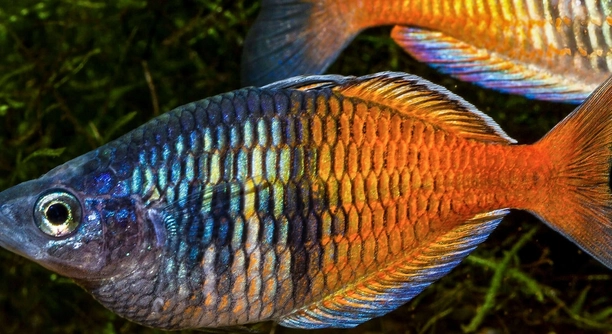
Rainbow fish are often admired for their beauty and playful nature in the water. But how do their minds work? Can these colorful creatures remember past experiences, or are they simply driven by instinct?
Studies suggest that rainbow fish, like other fish species, can retain some memory of past routines. These fish are capable of learning through experience, which includes remembering specific behaviors or patterns. However, their memory span is limited and may vary based on the situation.
Understanding how memory works in these fish can offer insight into their behaviors and overall well-being. The following information will help you better appreciate their cognitive abilities.
Do Rainbow Fish Have Good Memory?
Rainbow fish are more than just beautiful to look at. They have cognitive abilities that allow them to retain some memories of past experiences. Studies show that they can remember things like feeding times or environmental changes. This ability helps them adapt to their surroundings and learn patterns. However, their memory isn’t as long-lasting as that of mammals. Rainbow fish might remember something for a few days or weeks but can easily forget it as time passes. Despite this, their memory plays a crucial role in their survival, guiding them toward food and avoiding danger.
Rainbow fish can remember past events for a short period, but their memory isn’t as complex as that of mammals. Their brain structure limits how long memories last. This means their memory plays a practical role in daily life, helping them interact with their environment more effectively.
Fish in general rely on their senses and experiences to navigate the world around them. For rainbow fish, their memory helps them recognize feeding routines and avoid threats like predators. They may also learn the patterns of their environment, such as the layout of a tank or the behavior of tank mates. This learning helps them adjust to new conditions. Over time, they may forget these memories, especially if not reinforced by repetition. Their memory span can vary depending on factors such as stress, age, and environmental stability.
How Do Rainbow Fish Learn?
Memory plays a key role in how rainbow fish adapt and learn over time. While their memories may not last long, they can pick up new behaviors quickly. Learning by repetition and association is how they make sense of their surroundings.
Rainbow fish rely heavily on their senses to interact with their environment. They are able to connect specific actions with rewards, like food. When you feed them consistently at the same time, they begin to recognize the routine and associate it with the act of eating. This is a simple form of learning that helps them become more efficient in finding food. Over time, they might even learn to recognize the presence of their owner, responding to the sight or sound of your approach. This form of learning is reinforced by positive experiences, such as being fed or having their needs met.
Fish like rainbow fish don’t have complex brain structures, so their learning process is more basic. However, they are capable of simple associations that help them survive. These associations can be formed through repetition, such as remembering where to find food. This allows them to become familiar with their environment, whether it’s a specific area in the tank or a routine that involves feeding times. Their learning process is generally limited but can still be impactful for their well-being. Despite their lack of long-term memory, rainbow fish can recognize patterns in their daily lives, helping them thrive in controlled environments.
How Rainbow Fish Respond to Routines
Rainbow fish adapt well to routines, especially when it comes to feeding times. Once they associate certain events with rewards, they are more likely to follow predictable patterns. This makes their behavior more manageable, especially in aquariums where regular feeding is essential.
When fed consistently at the same time each day, rainbow fish begin to anticipate the routine. They may gather in a specific part of the tank or swim towards you when they sense food is near. This behavior shows they can learn and adapt based on past experiences. However, their response may not be as strong if the routine changes frequently.
Their ability to follow routines depends on how often they’re reinforced. If the feeding schedule remains constant, they will likely remember and follow it with ease. However, any disruption in routine could lead to confusion or a temporary loss of this learned behavior. Fish like rainbow fish can remember these patterns for short periods, but if the routine is interrupted, it might take time for them to adjust again.
Do Routines Help Rainbow Fish Thrive?
Routines contribute to the overall health and well-being of rainbow fish. Regular feeding times reduce stress and ensure they receive proper nutrition. Consistent routines also give them a sense of stability, especially in an aquarium environment.
Having a set schedule for feeding and maintenance helps rainbow fish thrive by providing them with the right conditions to grow and stay healthy. When routines are predictable, fish experience less anxiety, which can improve their behavior and reduce stress. The sense of stability encourages natural behaviors and supports their general health, making it easier to observe any changes in their condition.
Additionally, routines help keep the tank environment stable. Regular water changes and scheduled maintenance ensure the habitat remains clean and comfortable for the fish. By sticking to a routine, rainbow fish can continue to adjust and react positively to their environment, making the aquarium a safer, more secure space for them to live in.
Can Stress Affect Rainbow Fish Memory?
Stress can negatively impact rainbow fish memory and overall behavior. When fish are stressed, they may have trouble remembering past experiences or routines. Stressors like changes in water temperature, overcrowding, or sudden environmental changes can interfere with their cognitive functions.
Rainbow fish under stress may become more reactive and less likely to follow routines. A stressful environment can lead to disorientation, making it harder for them to retain learned behaviors. Over time, persistent stress can cause long-term health issues, including memory loss or difficulty learning new routines. Keeping the tank environment stable and free from stress can improve their memory and behavior.
Importance of Tank Environment for Memory
The environment plays a crucial role in how rainbow fish retain memories and adapt to routines. A clean, well-maintained tank ensures a comfortable and secure space where they can thrive. Regular water changes and consistent water parameters are key factors in reducing stress.
When the environment remains stable, rainbow fish can focus on learning and retaining memory of their daily routines. Sudden changes in water conditions or the introduction of new tank mates can disrupt their behavior, causing confusion. By providing a consistent and comfortable environment, you help minimize stress and promote better memory retention. This stability allows rainbow fish to follow routines more easily and adjust to any changes in their environment more effectively.
Can Fish Remember Their Owners?
Rainbow fish are capable of recognizing their owners over time. They may begin to associate your presence with feeding, creating a form of memory. This recognition can result in them swimming towards you when you approach the tank, showing a basic level of memory retention.
This behavior demonstrates their ability to learn and remember specific interactions. While their memory span may not be long, their capacity to recognize and respond to familiar faces is a sign that they can form simple memories. These interactions highlight the fish’s ability to adapt to their routine and environment, reinforcing their learned behaviors.
FAQ
Can rainbow fish remember their tank mates?
Rainbow fish can remember their tank mates, but their memory is limited. They can recognize familiar fish in the tank, especially those they interact with regularly. This recognition helps them avoid conflict and follow social behaviors. However, their memory doesn’t last long, so if tank mates are removed or changed, they may need some time to adjust. They won’t hold onto the memory of other fish for an extended period, but they can recall interactions when those fish are present in their environment.
Do rainbow fish have long-term memory?
Rainbow fish don’t have long-term memory like mammals or birds. Their ability to remember is more short-term, lasting only a few days or weeks. This memory allows them to learn routines, like feeding times, but it is not permanent. Environmental factors, stress, and the introduction of new experiences can affect their memory retention. For instance, if a routine changes, it may take some time for the fish to adjust and remember the new pattern. Their brains aren’t designed for long-term memory, so it’s mostly about short, repeated associations.
How does water temperature affect rainbow fish memory?
Water temperature has a direct impact on rainbow fish memory. If the water temperature fluctuates too much, it can cause stress, which in turn affects their cognitive functions. Fish in warmer or colder water than they’re used to may experience disorientation, and their ability to remember or learn routines can diminish. Consistent water temperature helps maintain their overall well-being and cognitive function. Sticking to the ideal temperature range for rainbow fish (usually 72–80°F or 22–27°C) can help them retain memories and adapt to changes in the tank environment more effectively.
Do rainbow fish get stressed easily?
Rainbow fish are relatively hardy, but they can still get stressed. Stress in rainbow fish usually results from changes in their environment, like poor water quality, overcrowding, sudden changes in lighting, or the introduction of aggressive tank mates. When stressed, rainbow fish may exhibit erratic behavior and their ability to remember past events can be compromised. Maintaining a stable environment, with regular water changes and appropriate tank mates, is crucial in reducing stress and allowing them to maintain a healthy, functioning memory.
How can I improve rainbow fish memory?
To improve rainbow fish memory, the key is consistency. Regular feeding times and a stable environment help them learn and remember routines. Providing a stress-free tank with proper water conditions and temperature helps them retain these memories more effectively. Positive reinforcement, such as feeding them at the same time every day, can help them create associations that last longer. Minimizing stressors and maintaining an environment that remains consistent in terms of water quality, tank mates, and lighting can help your rainbow fish remember and adapt to their surroundings better.
Do rainbow fish need a lot of mental stimulation?
Rainbow fish don’t require constant mental stimulation like some other species of fish, but they do benefit from a well-balanced environment. Providing them with plants, hiding spots, and room to swim freely helps them stay engaged and active. While they don’t need complex toys or puzzles, enriching their environment with natural elements can prevent boredom and encourage natural behaviors, which may also support their memory retention. A well-structured tank environment, complete with places to explore, provides enough stimulation for them to thrive and interact with their surroundings.
Can rainbow fish recognize their owners?
Rainbow fish can recognize their owners, especially if you feed them regularly. Over time, they may start associating your presence with feeding, which leads to them recognizing you and reacting by swimming towards you when you approach the tank. This recognition shows that rainbow fish can form simple memories of past interactions. However, it is not the same as a deep emotional bond like that seen in mammals. Their memory of you is more related to the food and routines you provide than any specific emotional connection.
Do rainbow fish prefer routine?
Rainbow fish do seem to prefer routine. Like many animals, they thrive when they have a consistent environment and feeding schedule. Once they become familiar with the timing of feedings, they can learn to expect food at certain times of the day. This helps reduce stress and promotes more predictable behavior. However, too much change can cause confusion. If feeding times or environmental conditions change frequently, rainbow fish may take time to adjust and their learned routines may not stick as strongly.
Can rainbow fish forget things quickly?
Rainbow fish have a short memory span, meaning they can forget things relatively quickly. This is particularly true when there are significant changes in their environment or routine. For example, if a tank mate is removed or the feeding time changes, they may need time to adjust and remember the new pattern. Their memory is not long-lasting, and without regular reinforcement, they may forget past experiences, including learned behaviors or routines. This can be managed by maintaining consistency in their care and environment.
Final Thoughts
Rainbow fish have the ability to remember certain routines and interactions, but their memory span is relatively short. They can learn and adapt to changes in their environment, especially when they are exposed to consistent routines, such as feeding times. However, their memory doesn’t last long, and they may forget things over time. This is important to keep in mind when caring for them, as their behavior can be influenced by changes in the tank or feeding schedule. Maintaining a stable environment can help rainbow fish remember and adapt better.
The way rainbow fish respond to their environment can also depend on factors like stress and water quality. A fish that is stressed due to fluctuating temperatures or poor water conditions might struggle to remember or learn new routines. Stress can negatively impact their overall behavior and cognitive functions, so it is important to minimize stressors in their tank. Regular water changes, proper temperature maintenance, and choosing suitable tank mates will provide them with a stable and healthy environment, which can support better memory retention.
Overall, while rainbow fish may not have long-term memory, they can remember basic routines and interactions. Consistent care, a stable tank environment, and regular feeding schedules are key factors that will help them thrive. With proper attention to their needs, rainbow fish can adapt and learn new things, improving their overall behavior and quality of life.

Hello,
If you enjoy the content that we create, please consider saying a "Thank You!" by leaving a tip.
Every little bit helps us continue crafting quality advice that supports the health, happiness, and well-being of pets around the world, for pets of all shapes, sizes, and species.
We really appreciate the kindness and support that you show us!