
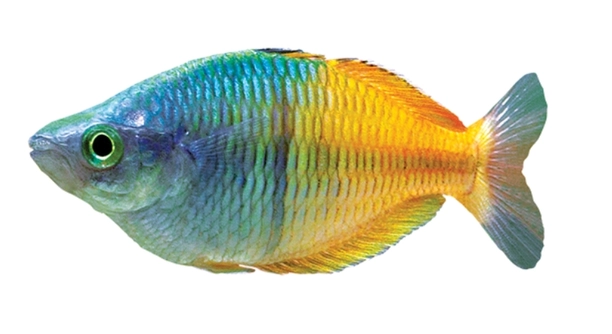
Rainbow fish are popular for their vibrant colors and unique behaviors. These fascinating creatures are often admired in aquariums and studied by scientists. One interesting question that has sparked curiosity is whether rainbow fish can recognize their own reflection.
Research suggests that rainbow fish do not seem to recognize their reflection as themselves. Instead, they may perceive it as another fish, showing a lack of self-awareness typically seen in species that pass the mirror test.
Understanding how fish perceive their environment is important. Exploring their behavior helps us learn more about their cognitive abilities and how they interact with the world around them.
How Fish Perceive Their Reflection
Rainbow fish have a natural instinct to avoid perceived threats in their environment, including other fish. When they see their reflection in a mirror, they might think it’s another fish. This reaction is based on their instinctive behavior rather than self-awareness. Scientists have studied how different fish respond to mirrors to understand their cognitive abilities better. Fish like rainbow fish are often seen swimming aggressively or circling the reflection, suggesting they don’t recognize it as themselves. This is quite different from species like humans or some primates, who pass the mirror test and recognize their reflection.
Mirror test studies in animals help identify self-awareness. While rainbow fish react to reflections, they do not pass the mirror test. This indicates they lack the ability to recognize themselves, unlike species with higher cognitive awareness.
Fish are typically not known for high levels of self-awareness. While some animals can recognize themselves in a mirror, others, like rainbow fish, rely more on instinct to assess their environment. This instinctual behavior helps them avoid danger but doesn’t show evidence of complex cognitive functions. Researchers believe that mirror tests offer insight into how certain species perceive themselves and their surroundings.
The Importance of Self-Recognition in Animals
Self-recognition is not just about seeing your reflection; it’s about understanding that the image represents you. Some animals, like great apes and dolphins, have shown this ability, which is linked to higher brain function and awareness. For rainbow fish, however, this skill seems absent. While they interact with their reflections, it’s more out of territorial behavior than an understanding of their identity. Rainbow fish react with what appears to be aggression or curiosity, similar to how they might respond to another fish. Understanding this lack of self-recognition gives insight into the basic cognitive functions of different species, showing the range of abilities across the animal kingdom. Their response to mirrors is often used as a simple test for self-awareness, which suggests that more complex cognitive abilities may be out of reach for species like rainbow fish.
Recognizing the limitations in their ability to understand reflections helps clarify their behaviors in captivity and nature. While it’s interesting to study their actions, it doesn’t mean they’re any less remarkable.
How Mirror Tests Work with Fish
Mirror tests are a method used to assess self-awareness in animals. When a mirror is placed in front of a fish, scientists observe its reactions. If the fish shows signs of recognizing itself, like inspecting or touching marks on its body, it’s considered to have passed the test. For species like rainbow fish, the results are different. Instead of engaging in self-exploration, they tend to act aggressively, suggesting they view the reflection as a potential rival.
The test involves observing how the animal behaves when it encounters its own reflection. In animals that recognize themselves, you might see them moving their bodies or examining areas on their face or body. However, rainbow fish typically swim in circles or display aggressive behavior toward the mirror, not showing any signs of understanding that the reflection is them. This indicates a lack of self-awareness, which is common among species with less complex cognitive functions.
While the mirror test is an interesting way to measure cognitive ability, it’s not foolproof. Not all animals may understand the concept of a mirror, especially those that don’t use visual cues for self-recognition. For rainbow fish, their behavior around mirrors can be interpreted as a sign of territorial aggression rather than recognition of themselves. This limitation in testing does not mean fish have poor cognition; it simply highlights how different species perceive their environment.
How Fish Interact with Their Environment
Fish primarily rely on their sense of smell, hearing, and lateral lines to understand their surroundings. Unlike humans and other animals that rely on sight for recognition, rainbow fish are more attuned to changes in water movement and vibrations. This makes their interactions with their environment quite different from mammals. They might notice subtle changes in the water, such as a shift in current or the presence of food, but their visual cues tend to be used differently.
Their visual perception focuses more on detecting movement rather than identifying objects or themselves. This is why they might react aggressively to their reflection. They might see the moving image in the mirror as another fish encroaching on their territory. In their natural habitat, they use their keen sense of smell and hearing to track potential mates or rivals. Understanding how fish interact with their environment sheds light on their behavior in aquariums, where their responses to mirrors are just part of their instinctual behaviors.
Fish like rainbow fish are also influenced by the presence of other species in their environment. They may rely on social cues from other fish, responding to movements and sounds that indicate the presence of food or danger. While they can see their reflection, their interaction with the mirror may be influenced by their need to establish dominance or defend their space. This type of behavior can be seen as a natural instinct rather than a sign of self-awareness.
Other Species and Their Reflection Recognition
Other fish species show varying responses to mirrors. For example, cleaner fish, like cleaner wrasse, have passed the mirror test, showing signs of self-recognition. In contrast, species like rainbow fish don’t seem to display the same level of awareness. Their reaction to mirrors is typically more instinctual.
This difference in behavior between species points to the varied cognitive abilities in the animal kingdom. Some fish might be able to understand reflections, while others, like rainbow fish, react as though the reflection is a rival. This shows how cognitive skills can differ greatly across species.
The Role of Cognitive Development in Fish Behavior
Cognitive development plays a big role in how fish interact with their environment. More advanced species, such as octopuses or dolphins, show higher levels of self-awareness. In comparison, rainbow fish, with their simpler brain structure, rely on basic survival instincts. They react to reflections as if they were competing with another fish. This instinctual behavior helps protect them from threats in the wild.
Fish brains are less developed than those of mammals, and their behavior tends to reflect this. Understanding this difference helps us interpret their actions in captivity or the wild, where instincts are often the driving force behind their behavior.
Exploring Other Forms of Self-Awareness in Fish
While rainbow fish may not recognize themselves in mirrors, they may still have other forms of awareness. Some fish exhibit complex social behaviors, such as forming hierarchies or using group strategies to find food. These actions suggest that, while they may not recognize their reflection, they are aware of their social dynamics. This kind of awareness might be more focused on survival than on self-recognition.
FAQ
Can rainbow fish recognize other fish?
Rainbow fish can recognize other fish in their environment, especially those of the same species. They use visual cues, body language, and even scent to identify other fish. Their behavior may include swimming together in schools or showing territorial aggression towards unfamiliar fish. However, their recognition doesn’t involve self-awareness in the same way that some other species might identify individuals. Instead, they focus more on survival instincts and social hierarchy within their groups.
Do rainbow fish form bonds with other fish?
Rainbow fish tend to form loose social bonds, particularly with other fish of the same species. They don’t form deep, personal relationships like some mammals but often school together for protection. This schooling behavior helps them avoid predators and increases their chances of survival. While they might show some preference for certain individuals in their group, it’s mostly based on instinct and social dynamics rather than affection or long-term bonds.
Why do rainbow fish react aggressively to their reflection?
Rainbow fish are territorial by nature, and when they see their reflection, they often mistake it for another fish entering their space. This causes them to react aggressively, displaying behaviors like chasing or flaring up. This is a natural defense mechanism, driven by their instinct to protect their territory. They do not recognize the reflection as themselves, but rather as a rival fish.
Are rainbow fish good at interacting with other aquarium species?
Rainbow fish can generally coexist peacefully with other species, as long as the other fish are not overly aggressive or territorial. They are not aggressive by nature but can become territorial during breeding or when they feel their space is threatened. In a well-planted aquarium, they will typically interact well with peaceful fish and can be part of a community tank with appropriate companions.
Do rainbow fish need mirrors for stimulation?
While rainbow fish may react to mirrors, they do not require mirrors for stimulation. They get most of their environmental cues from the water’s movement, food availability, and the presence of other fish. Mirrors in an aquarium can sometimes cause stress or aggression because of their territorial nature. It’s better to avoid using mirrors unless you’re specifically trying to observe their behavior for research or observation purposes.
Can rainbow fish learn to recognize their owners?
Rainbow fish are not likely to form a bond with their owners like some other pets, such as dogs. However, they can recognize patterns, including the times when their owner feeds them. Over time, they may associate your presence with feeding time, but it’s more of a conditioned response than a deep recognition. Their interactions with humans are generally limited to food-related behaviors or reacting to movements near the tank.
What makes rainbow fish different from other species of fish?
Rainbow fish are known for their vibrant colors, which they use for communication, especially during breeding. They are peaceful, schooling fish that prefer living in groups, unlike some more solitary or aggressive species. Rainbow fish are also unique in their ability to thrive in various types of freshwater environments. They have a wide range of habitats and can tolerate a variety of water conditions, making them popular in aquariums.
Can rainbow fish recognize their reflection in the wild?
In the wild, rainbow fish are less likely to encounter reflections in the same way they do in an aquarium. They rely on environmental cues, such as changes in the water, the presence of food, and the movement of other fish. Without the presence of mirrors, they would not need to deal with the confusion caused by their reflection. However, they are highly attuned to the presence of other fish and may exhibit similar behaviors to what we observe in aquariums when encountering a perceived rival.
Do rainbow fish need a lot of space in an aquarium?
Rainbow fish do best in aquariums that provide plenty of space for swimming. They are active swimmers and need a well-planted environment with open areas where they can move freely. A tank that’s at least 30 gallons is recommended for a small school of rainbow fish to ensure they have enough room to thrive. In smaller tanks, they might become stressed or exhibit territorial behavior, especially when overcrowded.
What types of fish are compatible with rainbow fish in a community tank?
Rainbow fish are peaceful and generally do well with other peaceful species, such as tetras, guppies, and catfish. They can also coexist with other species like bettas or gouramis, provided there’s enough space and hiding spots. However, they should not be kept with aggressive fish that might challenge their peaceful nature, such as cichlids or certain predatory fish. It’s important to match tank mates with similar temperaments and environmental needs.
Do rainbow fish breed easily in captivity?
Rainbow fish can breed in captivity, but they do require specific conditions for successful breeding. They need clean, slightly acidic water, plenty of space, and appropriate tank mates. Breeding usually occurs in schools, with males displaying vibrant colors to attract females. Once they breed, the eggs hatch within a few days, and the fry should be fed small foods like infusoria or baby brine shrimp. However, they are not as prolific breeders as some other species, so breeding success can depend on maintaining the right conditions.
Final Thoughts
Rainbow fish are fascinating creatures, known for their colorful appearance and peaceful nature. Despite their beauty, their ability to recognize themselves in mirrors remains limited. These fish react instinctively to their reflections, often seeing it as a rival rather than recognizing it as themselves. This lack of self-awareness is common among many fish species, as they do not rely on complex cognitive skills to navigate their world. Instead, they use more basic instincts for survival and interaction with other fish.
While rainbow fish do not pass the mirror test, their behavior can still be understood within the context of their natural instincts. These fish are highly social and rely on visual and sensory cues from their environment, such as movements in the water or the presence of other fish. Their response to reflections is more about territorial behavior than any form of self-recognition. This instinct to protect their space or defend against what they perceive as a rival is a key survival mechanism in their natural habitats. Understanding this helps us appreciate the simpler, yet effective, ways in which rainbow fish interact with their surroundings.
Even though rainbow fish may not show signs of self-awareness, they remain a captivating species to observe. Their social interactions, vibrant colors, and behaviors make them an interesting addition to aquariums. Their lack of recognition of their reflection doesn’t diminish their value or beauty. It simply highlights the diversity in animal cognition and shows that different species use various strategies to navigate and survive in the world. Understanding these differences can deepen our appreciation for the complexity of animal behavior, even if it doesn’t always fit within human expectations.

Hello,
If you enjoy the content that we create, please consider saying a "Thank You!" by leaving a tip.
Every little bit helps us continue crafting quality advice that supports the health, happiness, and well-being of pets around the world, for pets of all shapes, sizes, and species.
We really appreciate the kindness and support that you show us!