
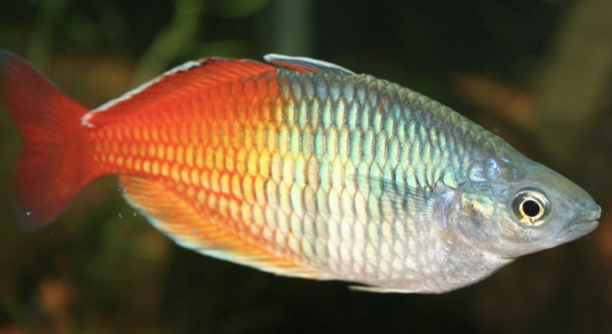
Rainbow fish are known for their vibrant colors and lively personalities. Many fish owners wonder if these aquatic creatures can recognize their owners. Understanding their behavior can help build a stronger connection with your pet.
Rainbow fish have limited recognition abilities. They rely more on environmental cues and association with feeding times rather than developing a bond like other animals. Their ability to recognize humans is not well-documented in scientific research.
Rainbow fish may not recognize their owners in the way other pets do, but their behavior can still provide interesting insights into their interactions with their environment.
Rainbow Fish Behavior: How They Interact with Their Environment
Rainbow fish are social creatures, often seen schooling with others in the wild. In a home aquarium, they typically rely on their instincts to navigate their surroundings. While they don’t form bonds with their owners like mammals or birds, they do react to familiar environments. They can associate their owners with food, often coming to the surface when it’s feeding time.
Fish are more likely to respond to changes in their environment rather than individual people. Their behavior can be influenced by factors such as light, sound, and movement around their tank. The regularity of feeding times can create a sense of predictability and familiarity, which might give the illusion of recognition. However, rainbow fish are primarily driven by instinct and routine, not personal connections.
Although rainbow fish do not display the same recognition abilities as other pets, they are still engaging creatures. Observing their patterns and reactions can provide valuable insights into how they adapt and thrive in their aquatic homes. Understanding their behavior can enhance your experience as a fish owner.
Can Rainbow Fish Recognize Their Owner?
Rainbow fish do not develop a clear, personal bond with their owners. Instead, they associate food and routine with familiar cues.
Their instincts focus more on the environment rather than individual recognition. However, over time, they may learn to expect feeding or interaction based on regular patterns, improving their response.
Feeding Habits and Recognition
Rainbow fish are quick to associate feeding times with the presence of their owner. They might swim toward the surface when they see movement around the tank, anticipating food. However, this behavior is more a learned response rather than a sign of recognition, as they are mainly driven by routine and consistency.
Their feeding habits are shaped by environmental cues such as light and movement. When an owner consistently provides food at the same time and location, the fish begin to anticipate the feeding process. While this may seem like a personal recognition, it is primarily a conditioned response to repeated stimuli. The predictability of feeding schedules reinforces this behavior, but it’s important to note that this doesn’t equate to true recognition of their owner.
Rainbow fish rely on their instincts, and while they can adapt to routines, they don’t form a bond with their owner in the way mammals or other pets do. Their actions are driven by environmental factors and feeding habits. It’s clear they associate certain cues with feeding, but their connection to humans remains limited.
Factors Affecting Fish Behavior
Several factors can influence how rainbow fish behave in an aquarium. Water quality, temperature, and tank mates play a significant role in how these fish interact with their surroundings. Stress from poor water conditions can lead to more erratic behavior, while a stable environment encourages a more predictable response.
Tank mates also affect their behavior. Rainbow fish are peaceful creatures and will typically get along with other species. However, the presence of more dominant or aggressive fish may alter their natural actions. For example, in a tank with territorial species, rainbow fish may become more cautious and less interactive. Proper tank conditions and careful selection of companions are key in ensuring rainbow fish are comfortable and behave predictably.
While rainbow fish may not recognize their owners, they can form associations with their environment that make their behavior more familiar. A consistent routine, healthy tank conditions, and compatible tank mates are essential in keeping them calm and responsive.
Recognizing Patterns in the Tank
Rainbow fish do not recognize individual owners, but they can learn to recognize certain patterns in their environment. They often respond to the routine of feeding times or the movement around their tank. These learned behaviors are based on repetition, not personal recognition.
When fish experience consistent patterns, like being fed at a certain time every day, they come to expect those events. Over time, they may begin to swim toward the surface when they sense movement around the tank, associating that with food. This behavior is a result of conditioning rather than emotional attachment or recognition of an individual.
Recognizing these patterns allows owners to create a stable environment where fish feel secure and behave predictably. By understanding how rainbow fish respond to their surroundings, owners can maintain a peaceful and healthy tank.
Tank Setup and Fish Behavior
The setup of your tank plays a crucial role in how rainbow fish behave. Proper filtration, water quality, and temperature control are key factors in promoting healthy, consistent behavior. Fish that live in stable, well-maintained tanks tend to exhibit more predictable patterns.
When a tank is properly set up, it minimizes stress factors and promotes the natural behavior of the fish. Stress caused by poor water quality or unsuitable conditions can cause fish to act out of character, becoming more reclusive or aggressive. A clean tank with the right temperature and water conditions helps fish feel safe and comfortable, allowing them to interact with their environment in a more familiar way.
Creating a balanced tank environment supports the health of rainbow fish, helping them adapt to their surroundings without unnecessary stress.
Stress Factors in Rainbow Fish
Stress can significantly impact rainbow fish, causing them to act erratically or become more reclusive. Poor water quality, incompatible tank mates, or sudden changes in their environment are common stress factors. Stress can lead to a decrease in the fish’s activity level and overall well-being.
FAQ
Can rainbow fish recognize their owners?
Rainbow fish do not have the ability to recognize their owners in the way mammals or birds might. They primarily respond to their environment and can learn patterns, such as feeding times. Their behavior is based on routine, not emotional connections. Fish associate actions like feeding with familiar environmental cues, rather than identifying specific individuals.
How can I tell if my rainbow fish is stressed?
Signs of stress in rainbow fish include erratic swimming, hiding, or a lack of interest in food. They may also display faded colors or excessive scratching against objects in the tank. Stress can be caused by poor water quality, overcrowding, incompatible tank mates, or drastic changes in their environment. Monitoring water parameters regularly and ensuring the tank is well-maintained can help reduce stress in your fish.
What do rainbow fish need to feel comfortable in an aquarium?
Rainbow fish thrive in well-maintained tanks with clean water, proper filtration, and a stable temperature. They prefer slightly acidic to neutral water and plenty of swimming space. Providing compatible tank mates is also important, as overly aggressive or territorial fish can cause stress. A planted tank or hiding spots can help them feel secure and reduce stress.
Do rainbow fish interact with each other?
Yes, rainbow fish are social creatures and tend to form schools with other fish of their kind. They are peaceful and prefer to be kept in groups, where they feel more secure. Having multiple rainbow fish together helps reduce stress and encourages natural social behaviors. However, their interaction is often more about maintaining proximity to other fish rather than forming specific bonds.
How often should I feed rainbow fish?
Rainbow fish should be fed 1-2 times per day, offering small amounts of food they can consume in a few minutes. A varied diet that includes high-quality flake food, pellets, and occasional live or frozen foods can keep them healthy. Overfeeding can lead to water quality issues and stress, so feeding in moderation is key.
Can rainbow fish live with other species?
Rainbow fish are peaceful and can live with other species, but compatibility should always be considered. Avoid keeping them with aggressive or territorial fish that might stress them out. Ideal tank mates include other peaceful species, such as tetras, gouramis, and small catfish. Always ensure that all fish in the tank have enough space to establish their territories.
What is the ideal tank size for rainbow fish?
The ideal tank size for rainbow fish depends on the number of fish and their tank mates. A minimum of 20 gallons is recommended for a small group of 3-4 rainbow fish. Larger tanks are preferable, especially if you plan to keep multiple species or other schooling fish. Providing enough space reduces stress and ensures that the fish can swim freely.
Do rainbow fish need special lighting?
Rainbow fish do not require special lighting, but they do benefit from a day-night cycle. A lighting schedule of 10-12 hours of light per day is ideal. Bright lighting can enhance their colors, but make sure to avoid excessive brightness, which may stress the fish. Simulating natural lighting conditions will help maintain their health and comfort.
How can I prevent rainbow fish from becoming territorial?
Rainbow fish are generally peaceful but may become territorial if not provided enough space. Keeping them in groups of at least 6-8 will help reduce individual aggression. Additionally, providing plenty of hiding spots and visual barriers within the tank can help fish establish territories without causing conflict. Regular water changes and maintaining a stable environment also contribute to reducing territorial behavior.
Can rainbow fish breed in an aquarium?
Yes, rainbow fish can breed in aquariums. However, breeding conditions need to be right for success. This includes maintaining optimal water parameters, providing clean, soft water, and ensuring a proper diet. Some species of rainbow fish may require a separate breeding tank to encourage spawning. After spawning, the eggs should be carefully monitored, as some species eat their own eggs if not separated. With proper care, breeding rainbow fish can be an enjoyable experience for aquarium enthusiasts.
Final Thoughts
Rainbow fish are fascinating creatures that display behaviors shaped more by their environment than by personal relationships. While they may not recognize their owners, they can form associations with feeding routines and other environmental cues. Their behavior is mostly driven by instinct and learned patterns rather than any emotional attachment. Understanding these fish and their needs helps in creating a more stable and healthy aquarium environment.
Their social nature means rainbow fish thrive in groups and respond well to stable, well-maintained tank conditions. Stress from poor water quality, overcrowding, or incompatible tank mates can cause these fish to act erratically, affecting their health and overall behavior. By maintaining good water quality, proper temperature, and suitable tank mates, owners can reduce stress and ensure the fish live in a comfortable and peaceful environment.
While rainbow fish may not recognize their owners in a traditional sense, they still respond to their surroundings in ways that are similar to forming habits. Feeding schedules and other repetitive patterns help these fish feel secure. By providing them with a healthy environment and regular care, owners can create a thriving tank where these vibrant fish can live and interact with minimal stress.

Hello,
If you enjoy the content that we create, please consider saying a "Thank You!" by leaving a tip.
Every little bit helps us continue crafting quality advice that supports the health, happiness, and well-being of pets around the world, for pets of all shapes, sizes, and species.
We really appreciate the kindness and support that you show us!