
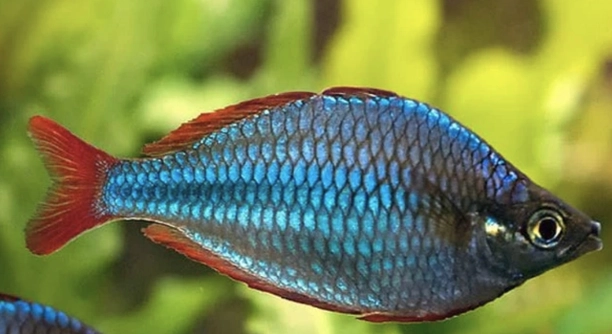
Rainbow fish are colorful and fascinating creatures. People who enjoy keeping them often wonder about their social interactions and communication. One interesting aspect is whether they can recognize each other by smell, a topic worth exploring.
Rainbow fish do have the ability to recognize one another through chemical cues, including smell. Research suggests they use their sense of smell to differentiate between familiar and unfamiliar individuals, which helps maintain social bonds and territorial behavior.
Understanding how rainbow fish identify each other can offer insights into their behavior and help improve their care in aquariums. This fascinating ability has deeper implications for their social structure and interactions.
How Do Rainbow Fish Use Their Sense of Smell?
Rainbow fish have a highly developed sense of smell that plays a key role in their daily interactions. Unlike humans, who rely on sight and hearing to identify each other, these fish depend on chemical signals to recognize familiar faces. Their ability to use smell allows them to maintain complex social structures in their natural habitats. By detecting specific chemicals in the water, rainbow fish can tell if another fish is a friend or a stranger. This ability is essential for forming bonds with mates, maintaining territories, and ensuring their overall survival.
Their olfactory system works by detecting substances that are released by other fish. When a rainbow fish smells a particular chemical signature in the water, it signals that another fish is nearby. This helps them avoid conflict and find suitable mates. Additionally, rainbow fish can distinguish between different individuals within their group, allowing them to build lasting social relationships. The use of smell is an efficient way to process this information without needing to rely on sight alone.
While this ability to recognize each other by smell is fascinating, it has practical implications for how they interact in aquariums as well. If you’re keeping rainbow fish, understanding their reliance on smell can improve their care and create a more comfortable environment.
The Role of Chemicals in Communication
Chemicals play a huge part in how rainbow fish communicate. These fish release substances into the water to mark their territory and attract mates. Understanding this behavior is important for any aquarist looking to replicate their natural environment in a tank.
Rainbow fish release chemicals into the water, which can influence the behavior of other fish around them. In the wild, this allows them to establish territories and warn others of potential threats. Male fish may also release chemicals to attract females, signaling their readiness to mate. By creating an environment where these chemicals can interact naturally, it helps rainbow fish feel safe and secure in an aquarium. Recognizing how these chemicals work provides insight into their social dynamics.
Understanding these chemical cues can make all the difference in how you care for your rainbow fish. It can even help reduce stress levels and promote healthier interactions between them in a tank setting.
How Smell Helps Rainbow Fish Avoid Danger
Rainbow fish use their sense of smell to detect danger in their environment. When they sense a predator nearby, they can release certain chemicals that trigger a flight response. This helps them quickly avoid harm. The ability to smell danger is essential for survival in the wild.
In their natural habitat, rainbow fish are constantly on alert for predators. By detecting subtle changes in the water’s chemical makeup, they can sense when a predator is nearby. For example, the presence of a predator can cause prey species to release distress chemicals into the water, which signals other fish to flee. This early warning system allows rainbow fish to escape from predators and avoid getting caught. In an aquarium setting, providing hiding places and minimizing stress can help ensure they feel safe.
Understanding how rainbow fish respond to danger through smell can improve your tank setup. By mimicking their natural environment, you reduce stress and improve their overall well-being.
The Impact of Water Quality on Smell Recognition
Water quality plays a huge role in how rainbow fish use their sense of smell. Clean, clear water helps them pick up chemical cues more effectively. Poor water quality can interfere with their ability to communicate or recognize each other.
When the water in the tank is dirty, it can cloud the chemicals in the environment. This makes it difficult for rainbow fish to detect the smells that help them identify one another. For instance, a buildup of ammonia or nitrates can overwhelm their sense of smell, leading to confusion and stress. In the wild, clean water is essential for communication between fish, and the same holds true for aquarium settings. A proper filtration system can help maintain water clarity and promote healthy interactions between your fish.
To ensure the fish can properly recognize each other and thrive, it’s essential to keep the water clean and properly filtered. Regular water changes and a good filtration system will support their natural behavior and overall health.
The Role of Smell in Mate Selection
Smell plays an important role in how rainbow fish choose their mates. They rely on chemical signals to detect potential partners. The chemicals released by the fish help them assess the health and compatibility of other individuals.
Male rainbow fish often release scents to attract females, signaling their readiness to mate. These scents are a sign of good health and genetic fitness, and they help females make informed decisions. This chemical communication allows rainbow fish to ensure that their offspring have the best chance for survival. A healthy and suitable mate means a better chance of producing strong and viable offspring.
Smell is key in creating successful breeding pairs. Recognizing how rainbow fish use chemical cues to select mates can be helpful when breeding them in an aquarium. Ensuring that conditions are right for this behavior can improve breeding success.
Smell and Social Behavior
Smell is also central to the social behavior of rainbow fish. The chemicals they release help establish hierarchy within groups. This chemical communication allows fish to maintain social order and avoid conflict.
By detecting the smell of other individuals, rainbow fish can determine who is dominant or submissive in the group. This helps minimize aggression and ensures the group functions smoothly. Dominant fish often release different chemicals compared to submissive fish, signaling their place in the social structure. In a tank, these social dynamics can reduce stress and create a more peaceful environment.
Tank Setup to Encourage Natural Behavior
To encourage natural behavior, it’s important to create an environment that mimics the rainbow fish’s natural habitat. Providing plenty of hiding places and plants will help reduce stress. Fish feel more secure when they have space to retreat.
A tank with well-maintained water and appropriate hiding spots allows rainbow fish to express their natural behaviors. By creating this kind of space, the fish will feel comfortable using their sense of smell to interact with each other, which in turn improves their social interactions and overall health.
FAQ
Can rainbow fish recognize other fish by smell?
Yes, rainbow fish can recognize other fish by their scent. They use their sense of smell to distinguish between familiar and unfamiliar individuals. Chemical signals released by other fish help them identify who belongs in their group and who doesn’t. This ability to recognize each other by smell plays an important role in their social interactions and territorial behavior. It’s crucial for them to establish and maintain bonds with familiar individuals in their environment. In an aquarium, providing a stable and clean environment can support this behavior, helping your fish thrive in their social groups.
How do rainbow fish communicate using smell?
Rainbow fish communicate by releasing chemical substances into the water, which other fish can detect with their sense of smell. These chemicals serve various purposes: to mark territory, attract mates, or signal distress. The chemical signals allow the fish to interact with each other, whether by showing dominance or forming relationships. This form of communication is essential for maintaining order within their social structure. By using these scent-based signals, rainbow fish can avoid unnecessary aggression and reduce competition. In tanks, the right water conditions can help maintain the effectiveness of these chemical signals.
Do rainbow fish rely only on smell to identify each other?
While smell plays a significant role, rainbow fish also rely on sight and behavior to recognize one another. They can see and identify specific markings or colors, especially in a group of similar-looking fish. However, their primary tool for identifying individuals, especially when it comes to recognizing familiarity or distinguishing between strangers, is their sense of smell. In crowded tanks, where visibility might be compromised, the ability to rely on smell helps them recognize who they are interacting with. This multi-sensory approach to recognition ensures they can effectively navigate their social environment.
How does water quality affect a rainbow fish’s ability to smell?
Water quality directly impacts a rainbow fish’s sense of smell. If the water is polluted or contains high levels of ammonia or other chemicals, it can cloud or mask the chemical signals that fish rely on to communicate. Poor water quality might also cause stress, further affecting their ability to smell properly. Clean, clear water ensures that rainbow fish can detect and respond to chemical cues effectively. Maintaining good water quality in an aquarium is key to promoting natural behavior and ensuring that fish can recognize each other and thrive. Regular water changes and using a good filtration system can help achieve this.
Can rainbow fish detect predators through smell?
Yes, rainbow fish use their sense of smell to detect predators in their environment. When a predator is nearby, it often triggers a release of chemicals into the water. Rainbow fish can sense these distress signals and react by fleeing or hiding. This early warning system is vital for their survival in the wild. In the aquarium, stress from predators or aggressive tankmates can affect their behavior, so it’s essential to create a safe and peaceful environment. Ensuring that tank conditions are appropriate can help reduce stress and keep the fish safe.
How can I encourage rainbow fish to breed in my tank?
To encourage breeding, it’s important to provide an environment that mimics their natural habitat. This includes maintaining good water quality, offering plenty of plants for hiding, and keeping the water at the appropriate temperature. Rainbow fish use smell to select mates, so creating a stress-free environment will help them feel comfortable and safe. If the fish feel secure, they are more likely to engage in natural behaviors, including mating. Additionally, having a well-established group of fish increases the chances of breeding, as it allows for the proper social dynamics to form.
What are the signs of stress in rainbow fish related to smell?
When rainbow fish are stressed, their behavior often changes. They may become more aggressive, withdraw from the group, or appear lethargic. Stress can also interfere with their ability to use their sense of smell effectively, disrupting their natural social interactions. Poor water quality is a common source of stress, as it can block the chemical signals they rely on for communication. Maintaining a clean, stable environment helps reduce stress, allowing your rainbow fish to engage in normal social behavior and feel safe in their tank.
Do rainbow fish use smell to find food?
Rainbow fish primarily rely on their sight to locate food, but their sense of smell can help guide them when food is present in the water. For example, they might detect the scent of food particles released into the water or notice the smell of food in the vicinity. However, they are not as dependent on smell for finding food as other senses like sight. Providing a consistent feeding routine and ensuring the water quality is good will encourage natural foraging behaviors, improving the overall health and well-being of the fish.
Final Thoughts
Rainbow fish have a remarkable ability to use their sense of smell to interact with each other and navigate their environment. This sense is crucial for recognizing familiar fish, establishing social hierarchies, and avoiding danger. In the wild, the use of smell helps them identify predators, find mates, and communicate with one another without relying solely on sight or sound. In an aquarium, this behavior remains essential, allowing rainbow fish to maintain healthy social structures and reduce stress. Keeping their environment clean and stable helps ensure that their sense of smell functions properly and that they can engage in natural behaviors.
Understanding how rainbow fish use smell gives us valuable insight into their social lives. Their chemical communication is not just about survival but also about building relationships. Smell allows them to assess the health of potential mates, establish territories, and avoid conflict within their groups. This complex behavior helps rainbow fish thrive in their natural habitats, where communication is key to maintaining social order. In an aquarium, these same instincts are vital for their well-being, making it important to replicate their natural environment as closely as possible.
Maintaining good water quality and providing appropriate hiding places in the tank can encourage rainbow fish to exhibit their natural behaviors. These fish rely on their sense of smell to feel secure, find food, and avoid stress. By creating an environment that supports these behaviors, you can ensure that your rainbow fish live a healthy and comfortable life. Whether you’re interested in breeding or simply keeping them as pets, understanding how smell plays a role in their behavior can improve their care and ensure they flourish in your aquarium.

Hello,
If you enjoy the content that we create, please consider saying a "Thank You!" by leaving a tip.
Every little bit helps us continue crafting quality advice that supports the health, happiness, and well-being of pets around the world, for pets of all shapes, sizes, and species.
We really appreciate the kindness and support that you show us!