
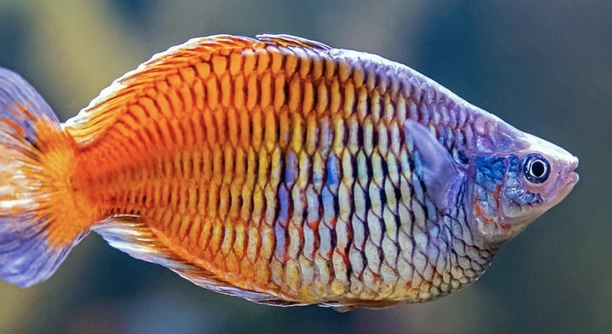
Rainbow fish are popular among aquarium enthusiasts, but can they sense changes in water conditions? Understanding how these fish react could offer insight into maintaining a healthy aquatic environment for them and other tank inhabitants.
Rainbow fish may respond to changes in water parameters, such as temperature and pH. However, their ability to predict these changes is not scientifically proven. Observations suggest they may show signs of stress when water quality deteriorates.
Learning about how rainbow fish behave in different water conditions can help improve their care and create a healthier habitat for them.
How Rainbow Fish React to Water Changes
Rainbow fish, like many other aquarium species, are sensitive to water quality. Small changes in parameters such as temperature, pH, or water hardness can affect their behavior. These fish may become more active or display signs of stress, like swimming erratically or staying near the surface. In some cases, they may even stop eating if water conditions worsen. Understanding these signs can be helpful for aquarium owners in maintaining a stable environment.
Regular monitoring of water parameters is essential for the health of rainbow fish. Keeping the water temperature and pH levels stable can prevent many behavioral issues. If these fish start acting out of character, it’s a good idea to test the water quality to identify any changes. A water test kit is an affordable tool for any aquarium owner.
The quality of the water directly impacts the overall health of rainbow fish. Regular water changes and keeping the tank clean can help maintain a stable environment. Avoiding sudden fluctuations in temperature or pH can prevent the fish from experiencing unnecessary stress. By making these small adjustments, you can ensure a healthier and happier habitat for your rainbow fish.
Predicting Water Changes with Rainbow Fish
Rainbow fish are not able to predict changes in water conditions. Their reactions are based on immediate shifts in their environment. The signs they display are more of a response to stress than an anticipatory reaction. Understanding these signs is crucial for maintaining tank health.
Some aquarium owners believe that their rainbow fish can “sense” when water quality is declining. In reality, their behavior likely reflects discomfort or stress due to changes in water conditions. As such, it’s important to monitor water quality consistently rather than relying on the fish’s behavior as an indicator of changes. Regular testing and maintenance are the best methods for ensuring optimal water conditions.
While rainbow fish do not have a built-in ability to predict water changes, paying close attention to their behavior can still serve as a useful signal. If they appear stressed, it might be time to test the water for potential issues. Ensuring a proper filtration system and frequent water changes can help prevent future problems and provide a more stable environment for these beautiful fish.
Monitoring Water Parameters for Healthy Fish
Regularly testing water parameters is key to maintaining a healthy environment for rainbow fish. Using a test kit to measure pH, ammonia, nitrites, and nitrates will help ensure the water stays within acceptable ranges. This practice will allow you to address any issues before they become a problem.
Maintaining water quality requires consistent monitoring. Small fluctuations in pH or ammonia levels can significantly affect the health of rainbow fish. If any parameters go out of range, perform a partial water change to restore balance. Keeping an eye on these levels is essential for preventing stress and promoting overall fish well-being.
Along with testing, invest in a reliable filtration system that removes excess waste and chemicals. Filters help maintain clear, healthy water, reducing the risk of harmful bacterial growth and toxins. With the right tools and consistent upkeep, your rainbow fish will thrive in a balanced environment.
Recognizing Stress Signs in Rainbow Fish
Stress in rainbow fish can be caused by a variety of factors. These can include poor water quality, overcrowding, or aggression from tank mates. By recognizing the signs of stress early, you can address the problem before it leads to more serious health issues.
Signs of stress in rainbow fish may include rapid swimming, gasping for air at the surface, or hiding more frequently. They may also lose their appetite or show faded colors. If you notice these changes, it’s important to check the water parameters first, as poor water quality is often the main cause of stress in aquarium fish.
Providing a stable environment with suitable tank mates and proper water conditions is crucial for minimizing stress. Ensure the tank has enough hiding places and that your fish are not overcrowded. Also, avoid sudden changes in water conditions, as rainbow fish are particularly sensitive to rapid fluctuations. A stress-free environment will help keep your rainbow fish healthy and vibrant.
Water Temperature and Its Impact
Rainbow fish are highly sensitive to water temperature. The ideal range for these fish is between 72°F and 79°F. If the temperature rises or drops significantly, it can cause stress, making them more vulnerable to illness.
Extreme fluctuations in temperature can lead to health problems. Fish may become lethargic, stop eating, or even die if the water temperature stays outside their optimal range for too long. A stable, warm environment is essential for their well-being. Invest in a reliable aquarium heater to keep the temperature steady and within the recommended range.
Water Changes for Optimal Health
Regular water changes are vital for maintaining a healthy environment for rainbow fish. Doing a 25% water change every two weeks can help remove waste, toxins, and excess nutrients that could harm the fish. Always treat tap water before adding it to the tank to remove chlorine and other harmful chemicals.
Changing the water also helps keep the fish more active and vibrant. It ensures the oxygen levels in the tank remain optimal, supporting healthy fish and reducing stress. Make water changes a routine to keep your rainbow fish happy and thriving in their environment.
pH Levels and Fish Behavior
Maintaining proper pH levels is essential for rainbow fish. A stable pH between 6.8 and 7.8 is ideal. If the pH levels drop or rise too much, the fish can become stressed or sick. Regular testing is the best way to prevent major issues.
FAQ
Can rainbow fish live with other species?
Yes, rainbow fish are generally peaceful and can live with many other species. They do well in community tanks with other non-aggressive fish. However, avoid placing them with aggressive or overly territorial fish that could stress them out. Always consider the size and temperament of tank mates when choosing companions.
How do I know if my rainbow fish is sick?
Signs of illness in rainbow fish include faded colors, reduced activity, loss of appetite, and unusual swimming behavior. They may also exhibit physical symptoms like swelling, lesions, or fin damage. If you notice any of these signs, it’s essential to check the water quality and consider quarantining the sick fish to prevent spreading potential diseases.
What is the ideal tank size for rainbow fish?
A tank of at least 30 gallons is recommended for a small group of rainbow fish. This allows them to swim freely and reduces stress. If you plan to keep multiple species, consider a larger tank to ensure all fish have enough space to thrive. The larger the tank, the more stable the water parameters will be.
How often should I feed rainbow fish?
Rainbow fish should be fed 2 to 3 times a day in small amounts that they can consume within a few minutes. Overfeeding can lead to water quality issues and obesity in the fish. A balanced diet of high-quality flake food, frozen foods, and occasional live foods will keep them healthy and active.
Can rainbow fish tolerate low light?
Rainbow fish prefer moderate lighting but can adapt to lower light levels. However, they may become more subdued in color and less active under very low lighting. It’s best to provide natural or artificial light for about 8-10 hours a day to mimic their natural environment and keep them active.
How long do rainbow fish live?
On average, rainbow fish can live between 5 to 8 years with proper care. However, their lifespan can be shortened if they are subjected to poor water quality, disease, or stress. Maintaining optimal conditions can help ensure they live a long, healthy life.
What type of substrate is best for rainbow fish?
Rainbow fish are not particular about the substrate, but a fine-gravel or sand substrate is recommended to mimic their natural environment. Live plants thrive in these substrates, which help maintain water quality. Avoid sharp-edged substrates that could injure the fish.
Are rainbow fish hardy?
Yes, rainbow fish are considered hardy and adaptable. They can tolerate a range of water conditions, but they still require regular maintenance to keep them healthy. While they can handle minor fluctuations, large changes in water parameters or poor water quality can lead to stress and health problems.
Do rainbow fish need a lot of oxygen?
Rainbow fish need a well-oxygenated environment. They prefer tanks with good surface agitation and moderate water movement. An efficient filter and an air pump can help maintain oxygen levels, especially in a densely stocked tank. Proper aeration supports healthy fish and keeps the water clear.
Do rainbow fish breed in captivity?
Yes, rainbow fish can breed in captivity with the right conditions. They require a spacious tank with clean water and the right temperature (around 78°F). To encourage breeding, provide a natural environment with live plants where the fish can lay eggs. After spawning, remove the adults to protect the eggs.
What kind of plants do rainbow fish like?
Rainbow fish enjoy plants that provide cover and areas for them to swim through. Live plants like Java fern, Anubias, and Vallisneria are great choices. These plants help maintain water quality by absorbing excess nutrients. Floating plants also provide shade, which the fish appreciate.
Are rainbow fish affected by ammonia in the water?
Yes, high ammonia levels are harmful to rainbow fish and can cause stress, breathing difficulties, and even death. Ammonia is toxic, and its presence in the water is often a result of overfeeding, decaying plants, or insufficient filtration. Regular water changes and proper filtration are key to preventing ammonia buildup.
What temperature should the water be for rainbow fish?
Rainbow fish thrive in water temperatures between 72°F and 79°F. Keeping the water within this range helps maintain their health and vitality. If the temperature fluctuates too much, the fish can become stressed or susceptible to diseases. A reliable aquarium heater is essential for maintaining a stable temperature.
Can rainbow fish tolerate brackish water?
Rainbow fish generally prefer freshwater, but some species can tolerate slightly brackish conditions. However, most rainbow fish should not be kept in fully brackish water. Always research the specific species you have to determine their tolerance levels, as each species may have different needs regarding salinity.
Why are my rainbow fish losing their color?
Rainbow fish may lose their color due to stress, poor water quality, or illness. If their environment is not optimal, they may exhibit faded colors. Ensure that the water temperature, pH, and other parameters are within the ideal range, and provide a stress-free environment with healthy tank mates.
Can rainbow fish survive in hard water?
Rainbow fish can tolerate moderately hard water, but they prefer soft to moderately hard water conditions. If you have very hard water, it’s important to regularly test and adjust the hardness level if necessary. Regular water changes can help maintain the right balance of minerals for their health.
Do rainbow fish get along with bettas?
Rainbow fish are generally peaceful and can coexist with bettas in the same tank. However, bettas are territorial, and male bettas may become aggressive toward rainbow fish if they feel threatened. It’s important to monitor the tank for any signs of aggression, particularly between male bettas and rainbow fish.
How do I prevent diseases in rainbow fish?
Preventing diseases starts with maintaining proper water conditions and avoiding overstocking. Quarantine new fish before introducing them to your tank, as they may carry diseases. Regular water changes, proper filtration, and avoiding stress are also essential in preventing disease outbreaks in your rainbow fish.
What is the best filter for a rainbow fish tank?
A good filter is crucial for keeping rainbow fish healthy. A canister filter or a hang-on-back filter with adjustable flow is ideal. These types of filters provide effective filtration while maintaining the proper water movement that rainbow fish enjoy. Regular maintenance of the filter is also necessary to keep it running efficiently.
Final Thoughts
Rainbow fish can make excellent additions to any aquarium, provided their needs are met. They are generally peaceful and adaptable, thriving in well-maintained tanks with stable water conditions. Ensuring their environment meets their specific needs, such as the right water temperature, pH, and regular water changes, is essential to keeping them healthy and vibrant. A proper tank setup with the right filtration system and space for swimming is equally important for their long-term well-being.
The beauty of rainbow fish lies not only in their striking colors but also in their ease of care. With proper tank conditions, these fish can live for several years, offering enjoyment for aquarium owners. Regular monitoring of water parameters and feeding them the right foods will help keep them in good health. Keeping them in a community tank with non-aggressive species can also contribute to their well-being, as stress from aggressive tankmates can lead to health problems. Understanding their behavior, including their need for adequate oxygen and the right water conditions, is key to maintaining a healthy environment.
By providing a stable environment and giving them attention, rainbow fish can thrive and bring life to any aquarium. They offer a dynamic and colorful display, making them a great choice for beginners and experienced fishkeepers alike. Whether you’re a new fish owner or a seasoned enthusiast, knowing how to maintain their ideal living conditions and keeping up with regular maintenance will ensure that your rainbow fish live a healthy, happy life.

Hello,
If you enjoy the content that we create, please consider saying a "Thank You!" by leaving a tip.
Every little bit helps us continue crafting quality advice that supports the health, happiness, and well-being of pets around the world, for pets of all shapes, sizes, and species.
We really appreciate the kindness and support that you show us!