
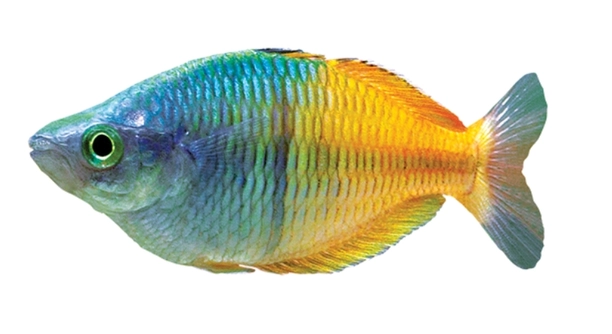
Rainbow fish are beautiful, colorful creatures commonly found in freshwater tanks. Their movement and behavior are intriguing, especially when they swim from one part of their habitat to another. Understanding their preferences can be fascinating.
Rainbow fish can indeed develop preferences for certain areas within their environment. This behavior is typically influenced by factors such as water conditions, light exposure, and the availability of food or shelter.
These factors shape where rainbow fish choose to spend their time, often favoring specific spots. Their choices can reveal much about their comfort and health in their aquatic home.
Factors Affecting Rainbow Fish Preferences
Rainbow fish, like most fish, prefer specific spots in their environment. This preference often depends on water quality, temperature, and light levels. The placement of plants, rocks, and decorations can influence where they choose to swim and relax. A healthy tank with stable water conditions will make the fish feel safe, allowing them to explore different areas.
While some rainbow fish might seem random in their movements, they are often following instincts that guide them toward favorable conditions. Some spots may offer better shelter or light, while others may have a higher concentration of food. These factors create a natural pattern in their swimming behavior.
Interestingly, rainbow fish are not always social and might choose isolated areas. They often stay in zones that provide the best protection or nourishment. Understanding what drives these choices can help aquarium owners create a more comfortable and enriching environment for their fish.
Why Tank Setup Matters
The layout of your tank plays a huge role in where rainbow fish settle. Fish are more likely to enjoy areas that offer shelter and food.
Proper placement of plants, rocks, and other decorations creates natural hiding spots, providing comfort for the fish. Rainbow fish tend to select spots with sufficient space for swimming and areas with lower current or disturbances. These preferences help them feel secure.
Different species of rainbow fish may have varying needs, but they all share the same basic desire for safety and access to resources. In tanks with strong lighting, fish may prefer darker corners, while those with calm waters often choose open areas to swim freely. For tank owners, ensuring these conditions can promote natural behaviors in rainbow fish.
Water Conditions and Their Impact
Water temperature and pH levels can influence where rainbow fish prefer to stay. If the water feels too warm or too cold, they may seek cooler or warmer spots.
Rainbow fish are sensitive to water conditions. If the temperature fluctuates too much or if the pH is out of balance, they’ll often try to avoid certain areas. They might stay near the surface, bottom, or any areas where the water feels more comfortable. A consistent environment helps them feel secure.
Maintaining stable water conditions is crucial for rainbow fish. A tank with proper filtration and regular water changes supports their well-being. If the fish are avoiding certain spots, it may signal an issue with water quality, temperature, or oxygen levels.
Feeding Patterns and Spot Preference
Rainbow fish are often drawn to areas where food is abundant. Over time, they develop feeding habits that influence their location in the tank.
When feeding, rainbow fish quickly learn where they can find food. They will swim to these spots when they sense feeding time. This behavior can lead to them associating specific locations with nourishment. Over time, they may favor these areas even when there’s no food available, as they become familiar with the location.
Ensuring an even distribution of food can prevent the fish from overly favoring one spot. However, rainbow fish will still have preferences based on their natural behavior. This can be useful for tank owners who want to observe feeding habits and ensure all fish are getting enough to eat.
Lighting and Spot Selection
Rainbow fish are drawn to areas with the right light conditions. Too much light can make them seek out darker spots, while softer lighting may encourage them to explore more.
Fish adjust their behavior to the tank’s lighting. Bright lights often cause them to hide in shadowy areas, especially if they’re feeling stressed or threatened. In tanks with adjustable lighting, they’ll move toward zones that feel more comfortable.
Tank Size and Space Availability
The size of the tank affects how much freedom rainbow fish have to choose their favorite spots. A larger tank offers more options for exploration.
In smaller tanks, rainbow fish are more likely to crowd together in limited spaces, making it harder for them to avoid conflict. A spacious tank allows them to spread out, encouraging natural behavior and reducing stress. This gives them the chance to explore different areas, from hiding spots to open swimming zones.
FAQ
Can rainbow fish pick their favorite spot?
Yes, rainbow fish can develop preferences for certain areas within their tank. They tend to gravitate toward spots with the best water conditions, like temperature and light. They also favor areas with shelter, like plants or rocks, where they can feel safe. Over time, they may even associate certain areas with food, making those spots more appealing.
Why do rainbow fish change spots frequently?
Rainbow fish might change spots for a variety of reasons. Changes in the tank environment, such as fluctuations in water temperature, light, or the introduction of new fish, can cause them to explore different areas. They might also change spots based on feeding times, or if they’re looking for more comfort or safety.
Do rainbow fish prefer bright or dim lighting?
Rainbow fish generally prefer moderate lighting. Bright lights may make them retreat into darker corners of the tank, while dim lighting can make them feel less stressed and more comfortable. If the lighting is too intense, they might seek shelter or hide. However, some rainbow fish species are more tolerant of bright light than others.
How does water temperature affect where rainbow fish go?
Temperature plays a significant role in the behavior of rainbow fish. They tend to move to areas of the tank where the water temperature feels more comfortable to them. If the water becomes too warm or too cold, they will search for cooler or warmer zones. Keeping the water temperature consistent helps them feel more secure and less stressed.
Are rainbow fish territorial?
Rainbow fish are generally not territorial compared to other species, but they may show some territorial behaviors, especially when competing for food or space. Males may be more aggressive during breeding season, and some species may defend preferred spots. However, most rainbow fish live peacefully together in a well-maintained tank.
Can rainbow fish live in a tank with other species?
Yes, rainbow fish are typically peaceful and can live with other species in a community tank. They are generally non-aggressive, but it’s important to avoid keeping them with very aggressive or territorial fish. They prefer tank mates that are not overly dominant or competitive, as this can lead to stress or conflict.
How can I make rainbow fish feel more at home in their tank?
To make rainbow fish feel more at home, provide a well-maintained tank with stable water conditions. Include plants, rocks, and hiding spots to create a comfortable environment. Keep the water temperature stable and provide appropriate filtration. Regular water changes and ensuring there’s enough space for the fish to swim freely will also help them feel secure.
What should I do if my rainbow fish is always hiding?
If your rainbow fish is always hiding, it could be a sign of stress or discomfort. Check the water conditions, including temperature, pH, and oxygen levels, to ensure they are within the proper range. Consider the tank setup – too much bright light or a lack of hiding spots can make them feel insecure. If the fish has recently been introduced, give it time to acclimate.
How can I tell if my rainbow fish is stressed?
Signs of stress in rainbow fish include hiding for long periods, erratic swimming, loss of color, and a decrease in appetite. Stress can be caused by poor water quality, sudden temperature changes, or the presence of aggressive tank mates. Addressing these factors can help reduce stress and promote a healthier, more active fish.
Do rainbow fish interact with each other?
Rainbow fish are social creatures and tend to interact with each other, though not as intensely as more territorial species. They may swim in schools, but they are not known to be highly social. They do, however, enjoy the presence of their own kind and feel more comfortable in groups.
How many rainbow fish should I keep together?
It’s best to keep rainbow fish in groups of at least six or more. They are social and do better in schools, as this provides them with comfort and a sense of security. A larger group also reduces the chances of stress and aggressive behavior. However, ensure your tank is large enough to accommodate them.
What’s the ideal tank size for rainbow fish?
Rainbow fish generally thrive in tanks that are at least 30 gallons, though larger tanks are preferred for schools of fish. A spacious tank allows for plenty of swimming room and helps reduce stress. It also makes it easier to create different zones within the tank, offering the fish a variety of spots to explore and settle.
Can rainbow fish jump out of the tank?
Yes, rainbow fish can jump out of the tank if they feel threatened or startled. This behavior is more common when the tank lid is not secure. To prevent them from jumping, make sure the tank has a tight-fitting lid, and avoid sudden movements near the aquarium that could frighten them.
How often should I feed rainbow fish?
Rainbow fish should be fed once or twice a day, offering them only as much food as they can consume in a few minutes. Overfeeding can lead to water quality issues, so be mindful of the amount given. Varying their diet with high-quality flakes, pellets, and occasional live or frozen food can help maintain their health.
What do rainbow fish like to eat?
Rainbow fish are omnivorous and enjoy a varied diet. They will happily eat high-quality fish flakes, pellets, and live or frozen foods such as brine shrimp, bloodworms, and daphnia. Offering a variety of food ensures they receive the necessary nutrients to stay healthy and active.
Final Thoughts
Rainbow fish are fascinating creatures, each with their own preferences when it comes to the spots they choose in their tank. They tend to pick areas based on factors like water quality, temperature, lighting, and available shelter. Understanding these preferences can help aquarium owners create a comfortable and welcoming environment for their fish. By offering them the right conditions, you can ensure that they feel secure and thrive in their aquatic home.
Maintaining a healthy tank environment is key to ensuring rainbow fish remain happy and active. This means keeping the water clean, monitoring the temperature, and providing adequate lighting. Adding plants, rocks, and decorations can give them the shelter they need, helping them feel safe. With proper care, rainbow fish can develop natural behaviors, such as picking favorite spots to swim or rest. These behaviors reflect their need for comfort and security in their surroundings.
In the end, creating a tank that supports the natural instincts of rainbow fish helps promote their overall well-being. They are relatively easy to care for, but like all fish, they thrive in a stable and well-maintained environment. By observing their habits and preferences, aquarium owners can learn more about their fish and improve their living conditions. Rainbow fish will appreciate a healthy tank, and by following simple steps, you can ensure they have a happy and comfortable life in your aquarium.

Hello,
If you enjoy the content that we create, please consider saying a "Thank You!" by leaving a tip.
Every little bit helps us continue crafting quality advice that supports the health, happiness, and well-being of pets around the world, for pets of all shapes, sizes, and species.
We really appreciate the kindness and support that you show us!