
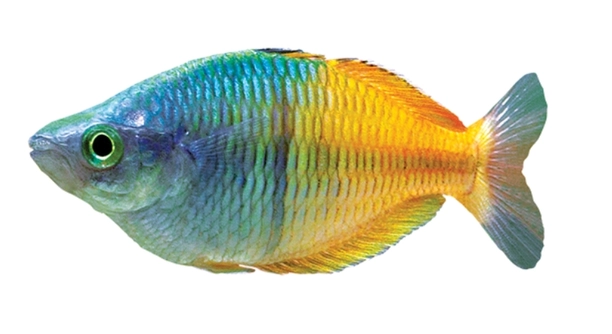
Rainbow fish are vibrant, colorful creatures often found in freshwater aquariums. They are known for their peaceful nature and stunning appearance, making them a popular choice for hobbyists. But can they thrive on their own without other fish?
Rainbow fish can survive without other fish, but they may not thrive in isolation. These social creatures are happiest when kept in groups, as their natural behavior relies on interaction with others of their kind.
While rainbow fish can live alone, it is important to consider their social needs. Their well-being is better supported in a tank with companions.
Why Rainbow Fish Are Social Creatures
Rainbow fish are naturally social animals. In their native habitats, they live in groups where they can interact, swim together, and feel secure. In the wild, their social behavior is vital for their survival, as groups help with protection from predators and stress. Keeping them in isolation can cause them to become timid, stressed, and even unhealthy. If you’re considering keeping rainbow fish, it’s best to provide a peaceful, communal tank environment that mirrors their natural surroundings.
Though they can technically survive without other fish, rainbow fish may exhibit signs of stress if kept alone for too long. Isolation can lead to a decrease in their usual activity levels and appetite. This lack of interaction can have a significant impact on their overall well-being, making it harder for them to thrive.
The benefits of keeping rainbow fish in groups are clear. In addition to their natural social needs, a group environment can help them feel more comfortable and active, allowing them to show off their beautiful colors and vibrant personalities. Their playful nature will be much more visible when they have companions.
Creating the Ideal Environment for Rainbow Fish
Rainbow fish do best in an aquarium that simulates their natural habitat. A tank with plenty of space to swim, plants to hide in, and a few tankmates will help them feel secure. Consider adding similar-sized, peaceful fish species to keep the environment calm and stress-free.
If you’re setting up a tank specifically for rainbow fish, aim for a setup with gentle filtration and a stable temperature. They thrive in tropical conditions, so maintaining water temperature between 74°F and 80°F is ideal. Make sure to provide plants and hiding spots, but avoid overcrowding the tank. The key to a healthy and happy rainbow fish environment is balance.
Additionally, the water quality in your tank should be regularly monitored. Rainbow fish are sensitive to water changes, so frequent water changes and testing the pH levels will help keep them healthy. These fish also prefer slightly alkaline water, with a pH level between 7.0 and 8.0. Keeping these factors in mind will ensure your rainbow fish thrive.
The Effects of Isolation on Rainbow Fish
When kept alone, rainbow fish often display signs of stress, like a decrease in swimming activity and a loss of appetite. They may become more susceptible to diseases due to a weakened immune system from isolation. It’s essential to keep them in groups to avoid these negative effects.
Loneliness can also affect their coloration. Rainbow fish are known for their bright, vivid colors, which are often more prominent when they are in a group. Without social interaction, their colors may appear duller, and their behavior can become less lively. Maintaining a healthy environment with other fish will help them show off their natural beauty.
In addition, stress caused by isolation can lead to an increase in aggression. Rainbow fish that live alone might display more territorial behavior when introduced to new tankmates. Their behavior becomes more unpredictable, making it harder to maintain a peaceful aquarium. Grouping them with compatible fish can help keep the atmosphere calm and harmonious.
Choosing Compatible Tankmates for Rainbow Fish
When selecting tankmates for rainbow fish, it’s important to focus on peaceful species that won’t cause stress. Fish that are too aggressive can harm rainbow fish, especially if they are already stressed from isolation. Good choices include peaceful community fish like tetras, guppies, or corydoras catfish.
Avoid keeping rainbow fish with large or overly aggressive species. These fish might intimidate rainbow fish or outcompete them for food. Rainbow fish can hold their own but prefer a calm environment. It’s best to stick with species that won’t overpower them. Compatibility is key to creating a balanced, peaceful aquarium.
If you’re unsure about which fish to choose, consider other small to medium-sized fish with similar temperaments. A mix of species that enjoy similar water conditions and temperament will make for a more harmonious tank. This helps reduce stress and promotes the health of your rainbow fish.
How Many Rainbow Fish Should Be Kept Together?
Rainbow fish are happiest in groups of at least six or more. This allows them to engage in natural social behaviors, such as schooling and interacting with each other. A larger group helps prevent stress and encourages active swimming.
A group of six or more also allows the rainbow fish to express themselves fully. When kept in smaller numbers, they may not feel secure enough to exhibit their vibrant colors. A school provides comfort and reduces the chance of aggressive behavior. Maintaining this group size will help them thrive in your aquarium.
Diet Considerations for Rainbow Fish
Rainbow fish are omnivores, and their diet should consist of a mix of plant-based foods and high-quality protein. Feeding them a variety of flake food, frozen or live foods like brine shrimp, and algae wafers helps meet their nutritional needs.
It’s important to provide them with a balanced diet to maintain their health and vibrant colors. Feeding them once or twice a day with a mix of foods ensures they get all the essential nutrients. Overfeeding can lead to poor water quality, so be careful to avoid excess food in the tank.
The Importance of Tank Size
The size of the tank plays a significant role in the well-being of rainbow fish. A larger tank provides ample space for swimming and reduces stress. A tank of at least 30 gallons is recommended for a small group of rainbow fish. This allows them to move freely.
The more space available, the more comfortable the fish will feel. It also makes it easier to maintain stable water conditions, which are essential for their health. A cramped tank can cause stress, reduce swimming activity, and lead to health problems. Make sure to choose the right tank size for your fish.
FAQ
Can rainbow fish live with other types of fish?
Yes, rainbow fish can live with other peaceful fish species. They are social and typically do well with community fish that have similar size and temperament. Good tankmates include species like tetras, guppies, and corydoras catfish. Avoid larger or overly aggressive fish, as they may intimidate or harm the rainbow fish. It’s best to choose peaceful species that enjoy similar water conditions. This will ensure a stress-free environment where your rainbow fish can thrive.
What is the best temperature for rainbow fish?
Rainbow fish prefer tropical water conditions, with a temperature range of 74°F to 80°F (23°C to 27°C). Keeping the water within this range ensures their health and comfort. Water that is too cold can slow down their metabolism and make them more vulnerable to illness. On the other hand, water that’s too hot can lead to stress and oxygen depletion. Make sure to maintain a consistent temperature with a reliable heater to keep your rainbow fish healthy and active.
Do rainbow fish need a filter in their tank?
Yes, rainbow fish do require a filter to maintain clean water. They are sensitive to poor water quality, which can lead to stress and health issues. A filter helps remove debris, excess food, and waste, keeping the water clear and safe for the fish. However, it’s important to choose a filter with gentle water flow, as rainbow fish prefer calm water. Strong currents can stress them out, so adjust the filter’s flow if needed to create a peaceful environment.
Can rainbow fish live in freshwater only?
Yes, rainbow fish are freshwater fish and should be kept in freshwater aquariums. They are not suited for saltwater environments. Maintaining stable water parameters, such as pH, hardness, and temperature, is essential for their well-being. In freshwater, they thrive best in slightly alkaline water, with a pH level between 7.0 and 8.0. Be sure to test the water regularly to keep it within the optimal range for your rainbow fish.
How often should I feed my rainbow fish?
Rainbow fish should be fed once or twice a day. Provide them with small amounts of food to avoid overfeeding, which can pollute the water. They are omnivores, so a mix of high-quality flake food, frozen or live foods (like brine shrimp or daphnia), and plant matter (like algae wafers) is ideal. A varied diet helps maintain their vibrant colors and overall health. Always ensure that any uneaten food is removed from the tank to keep the water clean.
How long do rainbow fish live?
Rainbow fish typically live for about 5 to 8 years, though some species may live longer with proper care. Their lifespan can be influenced by factors such as water quality, diet, and tank conditions. Providing them with a stable, stress-free environment and a balanced diet will help them live a long, healthy life. Regular water changes and maintaining proper water parameters are also essential for promoting longevity.
Are rainbow fish aggressive?
No, rainbow fish are generally peaceful and non-aggressive. They prefer to swim in schools and do not tend to fight with other fish. However, when kept alone or in small groups, they may become more territorial and stressed, which could lead to occasional displays of aggression. Keeping them in groups of six or more helps reduce this behavior, as they feel safer and less threatened when surrounded by others of their kind.
Can rainbow fish breed in an aquarium?
Yes, rainbow fish can breed in an aquarium, but it can require special care. They usually need a separate breeding tank with soft, slightly acidic water to encourage spawning. The female rainbow fish will lay eggs, which will hatch into tiny fry after a few days. To protect the eggs and fry from being eaten by other fish, it’s best to separate the adults from the breeding tank once the eggs are laid. The fry should be fed infusoria or fine powdered foods until they are large enough to consume regular fish food.
Do rainbow fish need plants in their tank?
While rainbow fish do not require live plants to survive, they benefit from having them in their tank. Plants provide hiding spots, which help them feel secure and reduce stress. Live plants also help maintain water quality by absorbing excess nutrients. You can add plants like Java fern, Amazon sword, or Anubias to provide shelter and create a more natural environment. These plants will also improve the aesthetic of the tank while promoting the well-being of your fish.
What is the ideal tank size for rainbow fish?
Rainbow fish need a tank that provides ample space to swim. A minimum of a 30-gallon tank is recommended for a small group of rainbow fish. A larger tank will allow for more swimming space and help maintain stable water parameters. Crowding can lead to stress and health problems, so ensure there is enough room for all the fish to thrive. If you plan on keeping multiple species, make sure the tank is large enough to accommodate them without overcrowding.
Final Thoughts
Rainbow fish are beautiful and peaceful creatures that can make a lovely addition to your aquarium. They thrive in social settings, so it’s important to keep them in groups of six or more. While they can survive on their own, their well-being is much better when they are surrounded by other rainbow fish. A peaceful tank with similar-sized, calm fish is ideal to help them feel secure and happy. Creating an environment where they can interact with each other and other fish will bring out their natural behavior and vibrant colors.
It’s essential to maintain proper water conditions for your rainbow fish. A stable water temperature between 74°F and 80°F (23°C to 27°C) will keep them healthy. Regular water changes and a gentle filtration system are key to maintaining clean water. Rainbow fish are sensitive to changes in water quality, so testing the pH and hardness regularly will help prevent problems. Make sure the tank is large enough to provide enough swimming space. A minimum of a 30-gallon tank is recommended for a small group. The more space you provide, the healthier your fish will be.
Lastly, feeding your rainbow fish a balanced diet is crucial for their health and appearance. A mix of high-quality flake food, live or frozen foods, and plant-based options will keep them active and colorful. Overfeeding should be avoided, as it can lead to poor water quality. By providing a variety of foods and maintaining a healthy environment, your rainbow fish can live a long and vibrant life. With the right care, these beautiful fish will thrive and bring a splash of color to your aquarium for years to come.

Hello,
If you enjoy the content that we create, please consider saying a "Thank You!" by leaving a tip.
Every little bit helps us continue crafting quality advice that supports the health, happiness, and well-being of pets around the world, for pets of all shapes, sizes, and species.
We really appreciate the kindness and support that you show us!