
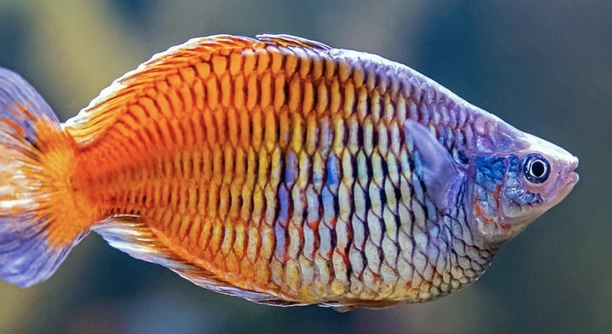
Rainbow fish and Corydoras are both popular aquarium species. They have different needs and temperaments, leading many fish keepers to wonder if these two species can coexist peacefully in a shared tank.
Rainbow fish and Corydoras can live together under the right conditions. They are both peaceful species, but their environmental needs, such as water temperature and pH, must be compatible. A well-maintained tank with enough space will ensure harmony between these fish.
Understanding the specific care needs of each species can help you create the perfect aquarium setup. This article explores the best practices for housing both rainbow fish and Corydoras together.
Can Rainbow Fish and Corydoras Share a Tank?
When considering rainbow fish and Corydoras as tank mates, it’s important to understand their general behavior and preferences. Rainbow fish are active swimmers that appreciate space to move, while Corydoras are bottom dwellers, content with less movement. These species can live together if the tank is large enough to accommodate both. Rainbow fish typically swim in the middle and upper sections of the tank, while Corydoras remain near the bottom. Their peaceful nature makes them compatible in the right environment, but tank conditions should meet the needs of both.
A well-planted tank will provide hiding spots for Corydoras, while giving rainbow fish room to swim. The water temperature should range between 72-78°F, and the pH level should be neutral to slightly acidic. Regular water changes will also help maintain a healthy environment. With proper care, these species can coexist without issues, making them suitable companions for each other.
The key to a successful tank setup is ensuring that both fish feel comfortable in their environment. Rainbow fish require stable water quality, while Corydoras thrive in sandy substrates. Both species enjoy peaceful surroundings and can thrive in well-maintained tanks.
Common Issues to Watch For
While rainbow fish and Corydoras can coexist, there are some potential challenges to keep in mind. One concern is aggression, though this is rare with these species. Aggression may occur if the tank is overcrowded or if they feel stressed.
Another issue could be the water quality. Both fish are sensitive to poor water conditions. If the water is not regularly changed or maintained, it can lead to health problems. Corydoras are especially prone to skin infections, which may develop if the tank is not properly cleaned. Rainbow fish, although hardy, can suffer from poor water conditions, affecting their vibrant colors.
Ensuring the tank is large enough and that water conditions are kept optimal will reduce the chances of these issues. A peaceful aquarium is a safe space for both rainbow fish and Corydoras, with proper maintenance.
Tank Size Requirements
A larger tank will help maintain harmony between rainbow fish and Corydoras. Ideally, the tank should be at least 30 gallons to give both species ample space. Rainbow fish need room to swim actively, while Corydoras require areas to scavenge along the bottom.
When choosing a tank size, it’s important to remember that both species thrive in a spacious environment. A tank that is too small can lead to stress and territorial disputes. Rainbow fish, though peaceful, are active swimmers and can become agitated if they feel confined. Corydoras need space to move around without the constant disturbance of faster swimmers.
If your tank is too small, you may notice signs of aggression or stress. The rainbow fish might chase each other or even the Corydoras, which could cause them to hide. Larger tanks allow for the necessary balance between swimming and resting areas, ensuring both species stay comfortable. With proper space, both fish species will be able to coexist without issues.
Water Conditions
Maintaining the right water conditions is essential for the well-being of both rainbow fish and Corydoras. Both species prefer clean, well-oxygenated water with a temperature of 72-78°F. The pH level should be kept between 6.5 and 7.5 for optimal health.
Water changes should be done regularly to keep the tank free from toxins and excess waste. Corydoras are sensitive to poor water quality, and will show signs of stress if the water is not maintained. These fish also prefer a soft substrate, such as sand, to avoid damage to their delicate barbels.
Rainbow fish can tolerate slightly wider ranges of water conditions but still benefit from stable and clean water. High ammonia or nitrate levels can cause stress and affect their coloration. When the water is kept clean and stable, both species will thrive. Regular monitoring and maintenance are essential to prevent problems in the tank.
Tank Decorations
Adding decorations to the tank can help provide both rainbow fish and Corydoras with hiding spots and enrichment. Use plants, rocks, or driftwood to create natural hiding places for Corydoras while leaving plenty of space for rainbow fish to swim freely.
Aquarium plants will also provide a more natural environment, allowing the rainbow fish to feel secure while swimming. However, avoid sharp decorations, as they can harm Corydoras’ delicate barbels. A soft substrate is essential for the Corydoras to move around without irritation. With the right decorations, both species will feel comfortable and safe.
Feeding Habits
Rainbow fish and Corydoras have different feeding habits that should be considered when preparing their diet. Rainbow fish are surface feeders, while Corydoras tend to scavenge along the bottom. Offering a varied diet of pellets, flakes, and live foods ensures both species get the proper nutrition.
Feeding them separately is a good idea. Place food at the surface for the rainbow fish and on the tank floor for the Corydoras. This will prevent competition and ensure that both species get enough to eat without stress. Corydoras are opportunistic feeders and may eat leftover food from the rainbow fish’s meals.
Compatibility with Other Fish
Rainbow fish and Corydoras are generally peaceful, but their compatibility with other fish depends on tank size and setup. These species do well with other peaceful community fish, as long as the tank is large enough for everyone to have their own space.
Adding too many fish could lead to overcrowding and stress. Make sure there’s enough room for each species to thrive, and avoid aggressive fish that may intimidate the rainbow fish or Corydoras. A calm, well-balanced tank will help maintain peace among all inhabitants.
FAQ
Can rainbow fish live with other bottom dwellers?
Yes, rainbow fish can live with other bottom dwellers, as long as their tank environment is suitable. Corydoras are one of the best bottom-dwelling companions because they are peaceful and won’t compete for space. It’s important to ensure the tank size is adequate, with enough space for both the rainbow fish to swim actively and the bottom dwellers to move around. Additionally, keeping the water clean and well-maintained helps prevent stress and ensures harmony between the species.
Do Corydoras need special care compared to rainbow fish?
Yes, Corydoras do require a bit more attention when it comes to their care. They thrive in soft substrates like sand, which prevents damage to their barbels. Additionally, they are sensitive to poor water quality, so regular water changes are essential to their well-being. On the other hand, rainbow fish are a bit more resilient and can handle a wider range of water conditions. However, both species need stable water temperature and pH levels to stay healthy.
Can rainbow fish tolerate a slightly higher water temperature?
Rainbow fish can tolerate slightly higher water temperatures, typically up to 80°F. They are more flexible in terms of temperature compared to Corydoras, which prefer cooler waters. If you’re keeping both species together, it’s essential to find a middle ground in terms of temperature that works for both. Keeping the water between 72-78°F ensures the health of both fish, as temperatures that are too high or too low can lead to stress.
What is the best tank size for both rainbow fish and Corydoras?
A 30-gallon tank is the minimum recommended size for housing rainbow fish and Corydoras together. The tank should be large enough to allow the rainbow fish to swim freely in the middle and upper sections, while providing enough space for the Corydoras to scavenge along the bottom. Larger tanks allow for a more peaceful environment and provide sufficient room for both species to thrive without overcrowding.
How often should I feed my rainbow fish and Corydoras?
Feeding should be done once or twice a day, but the frequency may depend on the size and activity level of your fish. Rainbow fish are surface feeders, so they will eat most of their food quickly. Corydoras, being bottom dwellers, may take longer to find and consume their food. It’s important to provide a varied diet of high-quality flakes, pellets, and occasional live or frozen foods for both species. Be mindful of not overfeeding, as leftover food can deteriorate water quality.
What are the signs that rainbow fish and Corydoras are stressed?
Stress in rainbow fish can show up as faded colors, erratic swimming, or hiding in corners. Corydoras may show signs of stress by staying near the surface more than usual or becoming overly lethargic. Poor water quality, overcrowding, or aggression from tank mates are common causes of stress. It’s important to monitor both species closely and address any issues promptly to ensure a healthy environment.
Can rainbow fish and Corydoras breed in the same tank?
Yes, rainbow fish and Corydoras can breed in the same tank, although their breeding habits are different. Rainbow fish typically lay eggs in plants, and their fry may require special care, such as a separate breeding tank. Corydoras, on the other hand, will lay their eggs on hard surfaces or plants. Both species can breed successfully in a well-maintained aquarium with proper care, though it may take some extra attention to protect the fry from adult fish.
Are rainbow fish or Corydoras more active in the tank?
Rainbow fish are generally more active swimmers compared to Corydoras. They are known for their fast swimming and colorful displays, particularly when they are excited or feel safe. Corydoras are much slower and are more likely to be found scavenging along the bottom of the tank. While both species are peaceful, their activity levels are quite different. The contrast between the two can be interesting to observe in a shared tank.
What type of substrate is best for rainbow fish and Corydoras?
Corydoras prefer a soft substrate like sand, which prevents damage to their delicate barbels. Sharp gravel or rocks should be avoided, as they can cause injury to the Corydoras. Rainbow fish are more flexible when it comes to substrate, but a fine-gravel or soft-sand bottom is ideal for creating a natural environment for both species. Providing a combination of live plants and substrate that caters to both species’ needs helps maintain a healthy tank.
Can rainbow fish live in a community tank with other species?
Yes, rainbow fish are peaceful and can be kept in a community tank with other non-aggressive species. They do best with other calm fish, especially those that occupy different levels of the tank. Corydoras make great tank mates due to their peaceful nature and bottom-dwelling habits. It’s essential to avoid aggressive fish that might intimidate the rainbow fish or outcompete the Corydoras for food.
Do I need to add extra filtration for a tank with rainbow fish and Corydoras?
Yes, additional filtration may be needed, especially if you have a larger tank with multiple species. Both rainbow fish and Corydoras produce waste, and adequate filtration helps maintain water quality by removing excess nutrients and debris. It’s important to select a filter that doesn’t create too strong a current, as Corydoras prefer calm waters. A good filtration system, combined with regular water changes, will keep the tank clean and healthy for both species.
Final Thoughts
Rainbow fish and Corydoras can live together peacefully in the same tank, provided certain conditions are met. Both species are relatively calm and can coexist without major issues. However, it’s important to ensure that the tank is large enough to accommodate both, giving them ample space to swim and explore. Rainbow fish are active swimmers, so they need enough room to move around freely, while Corydoras prefer to stay at the bottom and scavenge. A properly balanced tank with enough hiding spots for both species ensures that each can feel secure in their environment.
Water quality is another crucial factor when keeping rainbow fish and Corydoras together. Both species require clean, stable water conditions to stay healthy. Regular water changes and proper filtration are necessary to prevent toxins from building up and to maintain a safe environment. It’s also important to monitor the water temperature, as rainbow fish prefer slightly warmer waters, while Corydoras do best in cooler temperatures. Finding a middle ground in water temperature will keep both species comfortable and stress-free.
Lastly, paying attention to their diets and feeding habits will help ensure both fish thrive. Rainbow fish are surface feeders, while Corydoras scavenge at the bottom, so offering food in different areas of the tank will allow both species to eat without competing. A varied diet that includes high-quality flakes, pellets, and occasional live or frozen foods will provide the nutrients they need. By keeping their environment clean, maintaining appropriate water conditions, and feeding them properly, you can create a peaceful, thriving tank for both rainbow fish and Corydoras.

Hello,
If you enjoy the content that we create, please consider saying a "Thank You!" by leaving a tip.
Every little bit helps us continue crafting quality advice that supports the health, happiness, and well-being of pets around the world, for pets of all shapes, sizes, and species.
We really appreciate the kindness and support that you show us!