
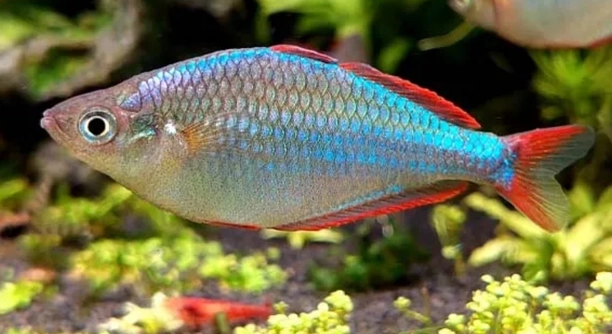
Do you ever find yourself setting up a home aquarium and wondering if your tap water is safe for rainbow fish? Many fish keepers face this concern when preparing a tank for their colorful new pets.
Rainbow fish can live in tap water, but only if it has been properly treated to remove harmful substances like chlorine and chloramine. These chemicals, common in municipal water, can be toxic and cause serious health issues for the fish.
Proper care and preparation are key to keeping your rainbow fish healthy and active, especially when it comes to the water they live in.
Why Tap Water Needs Treatment for Rainbow Fish
Rainbow fish are sensitive to changes in water quality. Tap water often contains chemicals added to make it safe for human use, but these same substances can harm aquarium fish. Chlorine and chloramine are commonly used to kill bacteria in water systems. Unfortunately, they are toxic to fish, even in small amounts. If rainbow fish are exposed to untreated tap water, they may show signs of stress, illness, or even die. Besides chemicals, tap water might also contain heavy metals and minerals that can affect water hardness and pH. These factors can make the tank environment unstable and unsafe. Rainbow fish do best in clean, stable water conditions with a pH between 6.5 and 7.5 and moderate hardness. Proper water treatment creates a safe space where rainbow fish can thrive and show their bright colors. It’s not just about removing chemicals—it’s about creating the right balance.
Tap water conditioner should always be used before adding water to the tank.
Use a reliable water conditioner that neutralizes chlorine and chloramine. Some also detoxify heavy metals. Let treated water sit for a few minutes before introducing it to your tank. This simple step makes a big difference in your rainbow fish’s health.
Testing your water regularly is also important. Using test strips or a liquid test kit helps you monitor pH, ammonia, nitrite, and nitrate levels. High ammonia or nitrite can be dangerous, even deadly, while stable nitrate levels are easier to manage with water changes. A good filter helps keep water clean, but it doesn’t replace the need for water testing and conditioning. Be consistent with water changes, replacing about 25% of the tank water each week. Make sure the new water is treated and close to the tank’s temperature to avoid shocking the fish. By staying on top of water quality and using the right tools, you’ll support the long-term health of your rainbow fish.
What Happens If You Don’t Treat the Water
Rainbow fish kept in untreated tap water often become stressed and sick. Their colors may fade, and they might stop eating.
The effects of untreated tap water show up quickly. Chlorine can irritate their gills, making it hard for them to breathe. Chloramine, which is more stable than chlorine, stays in water longer and can damage internal organs over time. Fish may start gasping at the surface or swimming erratically. Long-term exposure can weaken their immune systems, making them more prone to infections and diseases like fin rot or ich. Even if they survive the initial exposure, ongoing stress can shorten their lifespan and reduce their quality of life. Untreated tap water can also throw off the tank’s natural cycle, causing spikes in ammonia and nitrite. This creates a harsh environment not just for rainbow fish, but for any other tank mates as well. A few drops of conditioner can help avoid all of these problems.
How to Make Tap Water Safe for Rainbow Fish
Start by choosing a good water conditioner that removes chlorine, chloramine, and heavy metals. These are the most common harmful substances in tap water. Follow the dosage instructions on the bottle carefully. Treat the water before it enters the tank, not after.
Fill a clean bucket with tap water and add the correct amount of water conditioner. Stir gently and let it sit for a few minutes. This helps the chemicals neutralize properly. If you have hard water, consider using a product that also balances minerals. For large tanks, you may need to treat water in batches. Always test the water’s pH and hardness before adding it to the tank. Keeping those levels within the safe range for rainbow fish helps prevent stress and illness. Make this a routine every time you add water, even for small top-offs. The more consistent you are, the healthier your tank will be.
You can also install a reverse osmosis (RO) filter if your tap water quality is poor. RO filters remove almost all impurities, including minerals and harmful substances. This gives you a clean base water that you can then adjust with buffers or conditioners to reach the right pH and hardness. While RO systems cost more upfront, they’re helpful if you keep delicate fish like rainbow fish. Another option is using bottled aquarium water, though that becomes expensive over time. No matter which method you choose, always condition and test your water before use. Treated water keeps your tank stable, your fish safe, and your maintenance routine easier.
How Often Should You Change the Water
Change about 25% of your tank’s water every week. This helps remove built-up waste and keeps your water conditions stable. Always treat the new water before adding it to the tank, and make sure it’s close in temperature.
Frequent water changes are one of the best ways to keep rainbow fish healthy. Over time, uneaten food and fish waste break down into ammonia, which turns into nitrite and then nitrate. While nitrates are less toxic, they still build up and stress your fish. Weekly partial water changes remove these substances and refresh the tank with clean, treated water. If your tank is heavily stocked or if your water test shows high levels of waste, you might need to change water more often—every five days instead of seven. Always use a siphon to remove debris from the gravel. Try to make the process a habit so your tank stays balanced and your fish stay active.
Signs Your Rainbow Fish Are Not Comfortable
If your rainbow fish are darting around the tank, hiding more than usual, or gasping at the surface, something may be wrong with the water. These behaviors often point to stress caused by poor water quality.
Faded colors, clamped fins, and loss of appetite are also common signs. Rainbow fish should be active and display bright colors. When they’re not, it’s often linked to water that hasn’t been treated properly or parameters that are off balance.
Can You Use Tap Water Straight from the Sink?
Using tap water straight from the sink without treatment is not safe for rainbow fish. Chlorine and chloramine can burn their gills and damage their internal organs. Even if the fish survive at first, untreated water slowly harms them over time. Always treat tap water with a conditioner before adding it to the tank. This only takes a few minutes and makes a big difference in their health. Letting the water sit out overnight doesn’t remove chloramine, so don’t rely on that method. Stick to using proper treatments and test the water often to keep your fish safe.
What If You Already Added Untreated Water?
If you’ve already added untreated tap water, treat the entire tank with a conditioner right away. Many products work instantly and help neutralize chlorine and chloramine fast.
FAQ
Can I use tap water directly for rainbow fish?
No, tap water should not be used directly for rainbow fish. It contains chlorine, chloramine, and possibly heavy metals, all of which are harmful to fish. Always treat tap water with a water conditioner to remove these chemicals before adding it to your tank. Even if you let the water sit, chloramine won’t evaporate, so it must be treated properly.
How do I know if the water is safe for rainbow fish?
Testing the water is the best way to check its safety. Use an aquarium water test kit to measure pH, ammonia, nitrite, nitrate, and hardness. Rainbow fish prefer a pH between 6.5 and 7.5 and moderate hardness. If any levels are off, make adjustments before introducing the fish to the tank.
What if my tap water has high mineral content?
High mineral content, or hard water, can be challenging for rainbow fish. If your tap water is too hard, you may need to use a reverse osmosis (RO) system to filter out excess minerals. Some aquarium stores also sell water-softening products that can help adjust the mineral levels to suit your fish. Regular testing ensures that the water stays within a safe range for them.
Can I use bottled water for my rainbow fish?
Bottled water is an option but can be expensive over time. It often has lower levels of minerals compared to tap water, so you’ll still need to adjust the pH and hardness to meet the needs of your rainbow fish. It’s important to test bottled water before use and add conditioners or buffers as needed.
How often should I change the water for rainbow fish?
You should change about 25% of your tank water every week to keep it clean and stable. If the water is heavily polluted or you have many fish, you may need to increase the frequency of water changes. Always make sure the new water is treated and at a similar temperature to avoid shocking your fish.
What’s the best water conditioner for rainbow fish?
Look for a water conditioner that removes chlorine, chloramine, and neutralizes heavy metals. Some conditioners also help reduce ammonia and nitrite levels. Choose one from a reputable brand designed specifically for aquarium use. Always follow the instructions on the label for the right dosage.
Can I use a filter to clean tap water instead of using a conditioner?
A filter can help maintain the water quality, but it won’t remove chlorine or chloramine. These chemicals require a water conditioner to neutralize them. While filters keep the water clean by removing waste and debris, they don’t replace the need for proper water treatment before adding it to the tank.
Should I let tap water sit before adding it to the tank?
Letting tap water sit out for a while won’t remove chloramine, which is a stable compound that doesn’t evaporate. Chlorine may dissipate if left to sit for 24-48 hours, but this method is unreliable for chloramine. Always use a water conditioner to ensure your fish are safe.
Can rainbow fish live in soft water?
Rainbow fish prefer slightly soft to moderately hard water. If the water is too soft, they may not thrive. Soft water lacks essential minerals that fish need to stay healthy. If your water is too soft, you can add aquarium salts or mineral buffers to adjust it for your fish.
How long should I wait after treating tap water before adding it to the tank?
After treating tap water with a conditioner, wait a few minutes to ensure it has been properly neutralized. If you’re using an RO system or adding buffers to adjust the pH, give it extra time for the minerals to settle. Make sure the water is at the right temperature to match the tank before adding it.
Can I use water conditioners with all types of fish?
Yes, water conditioners are generally safe for all types of freshwater fish, not just rainbow fish. However, always check the label to ensure the product is compatible with your specific species. Some sensitive fish, like bettas or goldfish, may require specific types of conditioners, so it’s a good idea to double-check.
Do rainbow fish need special water treatments beyond conditioners?
Rainbow fish don’t typically require special treatments beyond regular water conditioning, but maintaining stable water parameters is important. Regular testing of pH, ammonia, nitrite, and nitrate levels will help you keep the tank environment suitable. If your water is soft or hard, adjusting these levels with buffers or minerals can be necessary.
Can I use tap water for a planted aquarium with rainbow fish?
Yes, you can use tap water for a planted aquarium with rainbow fish, but it’s important to monitor water parameters regularly. Planted tanks often require specific pH and hardness levels to support both the fish and plants. Adding a conditioner to treat tap water is still necessary to ensure it’s safe for both.
How does water temperature affect rainbow fish?
Rainbow fish thrive in water temperatures between 72°F and 79°F (22°C and 26°C). If the water temperature is too low or too high, it can stress them out and make them more susceptible to illness. Always use a reliable aquarium heater to maintain a steady temperature within this range.
Can I use city water for rainbow fish?
City water is usually treated with chlorine and chloramine, so it needs to be conditioned before use. The quality of city water can vary depending on the area, so always test it before adding it to the tank. In some cases, city water may have high levels of minerals or chlorine, which can be harmful to rainbow fish.
What’s the best pH for rainbow fish?
Rainbow fish prefer a neutral to slightly alkaline pH, typically between 6.5 and 7.5. If the pH is too high or too low, it can cause stress, affect their immune system, and make them more vulnerable to diseases. Regular testing and pH buffers can help maintain the right balance.
Can rainbow fish live in brackish water?
Most rainbow fish species prefer freshwater, but some can tolerate slightly brackish conditions. It’s important to know the specific species you’re keeping and whether they need brackish water or freshwater. Adding salt to the tank can change the water chemistry, so make sure it’s necessary for your fish.
Final Thoughts
When caring for rainbow fish, water quality is the most important factor in ensuring their health and happiness. Tap water, while commonly used, often contains chlorine, chloramine, and other chemicals that can harm fish. Even if your tap water seems fine for human use, it’s essential to treat it properly before introducing it to your aquarium. Using a water conditioner is a simple yet crucial step that can save your fish from stress and illness. Regularly testing your water, keeping the pH, hardness, and temperature within the safe range, and changing water on time are all part of maintaining a healthy environment for your rainbow fish.
Taking care of water quality isn’t just about avoiding harmful chemicals. It’s also about keeping everything in balance. Rainbow fish thrive in stable environments, where their water conditions remain consistent. This means regular water changes and testing, as well as watching out for signs of stress in your fish. If you notice that your fish are behaving oddly—such as hiding more than usual or not eating—it’s a good idea to check the water right away. Stress and sickness can quickly take a toll on their health, so keeping an eye on their behavior and water quality will help prevent problems before they become serious.
While caring for rainbow fish can take some effort, the rewards are worth it. These colorful fish are a joy to have in any aquarium, and with the right water conditions, they can live long, healthy lives. Whether you’re using tap water, bottled water, or installing a reverse osmosis system, it’s essential to always treat and test your water. By doing so, you’ll give your rainbow fish the best chance to thrive in a clean, safe, and stable environment. This extra care will not only protect your fish but also make maintaining your aquarium much easier in the long run.

Hello,
If you enjoy the content that we create, please consider saying a "Thank You!" by leaving a tip.
Every little bit helps us continue crafting quality advice that supports the health, happiness, and well-being of pets around the world, for pets of all shapes, sizes, and species.
We really appreciate the kindness and support that you show us!