
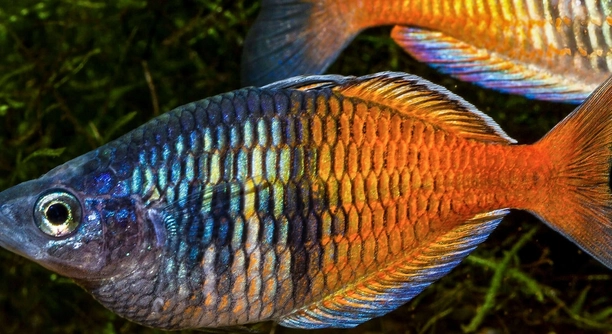
Rainbow fish are popular in home aquariums due to their bright colors and active nature. However, many aquarium enthusiasts are unsure whether they can live in brackish water. Understanding their habitat needs is important.
Rainbow fish are primarily freshwater species, but some types can adapt to brackish water conditions. However, maintaining proper salinity and water quality is crucial for their health. Not all rainbow fish species thrive in brackish water.
If you’re considering keeping rainbow fish in brackish water, knowing which species can handle the salinity and how to manage the tank environment is essential.
What is Brackish Water?
Brackish water is a mixture of freshwater and saltwater, typically found in areas where rivers meet the ocean. It has a lower salinity than seawater but higher than freshwater. Brackish environments include estuaries, mangrove swamps, and some coastal areas. The salinity level can vary greatly depending on the location and the amount of freshwater entering the system. Many species of fish are adapted to brackish water, but it presents unique challenges for aquarium setups, such as maintaining stable salinity and water quality. Keeping fish that are suited for this type of water can be rewarding but requires careful attention to their needs.
Brackish water can fluctuate in salinity, making it more difficult to maintain than freshwater. For this reason, choosing the right fish species is important. Rainbow fish can sometimes tolerate brackish conditions, but not all will adapt well.
Some species of rainbow fish, like the Melanotaenia praecox, are more adaptable to slightly brackish water, but others are strictly freshwater fish. If you plan to keep rainbow fish in brackish water, it’s important to monitor their health regularly. The addition of salt should be gradual to avoid shocking their system. Also, the level of salt should be kept low. While rainbow fish can tolerate small amounts of salinity, too much salt can stress them out and lead to health problems. Regular water changes and proper filtration are crucial for keeping the environment stable.
Which Rainbow Fish Can Live in Brackish Water?
Some rainbow fish species can adapt to brackish water, while others cannot. It’s important to research the specific type you want to keep.
Melanotaenia boesemani, a popular rainbow fish, generally prefers freshwater conditions. However, they can adapt to brackish water with proper adjustments to salinity levels. You should also consider factors like tank size, temperature, and pH balance to create a stable environment for them. Keep in mind that even brackish-tolerant rainbow fish may experience stress if the water’s salinity fluctuates too much. Additionally, they need plenty of swimming space and hiding spots in the tank. Proper care will ensure they stay healthy and active.
If you’re considering brackish water for rainbow fish, it’s important to know which species are more tolerant. A gradual introduction to salinity and consistent monitoring of water parameters can help maintain their health in a brackish environment. Keep in mind, not all rainbow fish will adapt well, so always check their individual needs before introducing them to this type of water.
Adjusting Tank Conditions for Brackish Water
Maintaining a brackish water tank requires balancing salinity, temperature, and pH. It’s essential to regularly test these factors to ensure they remain stable.
To start, add marine salt mix to freshwater, ensuring you dissolve it completely before adding it to the tank. You should gradually increase the salinity to avoid stressing the fish. Salinity levels for most rainbow fish should be kept low, usually between 1.005 and 1.010 specific gravity. A good quality hydrometer or refractometer can help you measure the salinity accurately. It’s also crucial to monitor the pH, keeping it between 7.5 and 8.5 for rainbow fish.
Keep in mind, stability is key. Sudden changes in any of these parameters can harm the fish. When you make changes to the water, such as adding salt or adjusting the temperature, do so slowly. This will help your rainbow fish adjust better and reduce stress. Regular water changes are also important to remove waste and maintain water quality. This keeps the brackish environment healthy for your fish.
Benefits of Keeping Rainbow Fish in Brackish Water
Brackish water provides a unique environment for rainbow fish, encouraging natural behaviors and possibly enhancing their colors. The mix of freshwater and saltwater allows for a variety of species to coexist.
Keeping rainbow fish in brackish water can mimic their natural habitats, which often exist in coastal or estuarine areas. These fish are naturally more active and vibrant in environments similar to their native homes. Brackish water also supports a greater variety of aquatic plants and invertebrates, which rainbow fish may interact with. However, it’s important to maintain a balance in the tank to avoid any environmental stress that could harm their health. As long as the salinity levels are properly managed, rainbow fish can thrive and display their full potential.
Additionally, creating a brackish tank can offer a more diverse and visually appealing setup for fish keepers. The presence of both freshwater and saltwater species can create a unique display. However, it’s crucial to research each species and ensure that any other tank mates are compatible with rainbow fish in brackish water. This setup will require extra care and attention, but the reward is a beautiful, thriving tank.
Common Issues with Rainbow Fish in Brackish Water
Rainbow fish can face several challenges in brackish water, mainly due to the stress caused by salinity changes. Too much salt can harm their health.
Salinity fluctuations can lead to stress, weakening the fish’s immune system. This makes them more susceptible to diseases like fin rot or ich. Over time, the wrong balance of salt can cause them to become sluggish or lose their bright colors. Careful monitoring and gradual changes are key to preventing these issues.
Best Tank Mates for Rainbow Fish in Brackish Water
When choosing tank mates for rainbow fish in brackish water, you need to look for species that tolerate similar salinity levels. Peaceful fish work best.
Species such as gobies, mollies, and certain types of catfish can make good tank mates. These fish not only share similar environmental needs but also won’t compete aggressively with rainbow fish for space or food. Avoid adding species that are sensitive to changes in salinity or that may be too territorial. Peaceful community fish are essential for maintaining harmony in a brackish tank.
Regular Maintenance of Brackish Water Tanks
Routine maintenance is crucial for keeping a brackish water tank in top condition. Regular water changes and equipment checks help maintain stability.
Frequent water changes, ideally around 20-30% every two weeks, will help remove excess salt and waste, keeping water quality high. Regularly clean the filter and check for any signs of equipment malfunction. Ensure that the tank’s temperature and salinity remain within the desired range for the health of the rainbow fish. Regular monitoring will help you spot any problems early and keep the fish happy.
FAQ
Can rainbow fish live in saltwater?
Rainbow fish are primarily freshwater fish and do not thrive in full saltwater. While some species can adapt to brackish water with lower salinity levels, they cannot live in the high salinity levels typical of saltwater tanks. Saltwater environments can cause significant stress and health issues for rainbow fish. It is important to keep salinity levels low (around 1.005 to 1.010 specific gravity) when housing rainbow fish in brackish conditions.
What are the signs that my rainbow fish is stressed?
Stressed rainbow fish may exhibit signs such as faded colors, erratic swimming, or loss of appetite. They may also develop physical issues like torn fins or signs of disease, such as white spots or lesions on their bodies. Stress is often caused by poor water quality, sudden temperature or salinity changes, or incompatible tank mates. Monitoring water parameters closely and avoiding abrupt changes can help reduce stress in your rainbow fish.
How can I safely acclimate rainbow fish to brackish water?
To safely acclimate rainbow fish to brackish water, you should gradually introduce salt to the tank over a period of several days to avoid shocking them. Start with a very low salinity and slowly increase it by adding marine salt mix a little at a time. Keep track of the salinity using a hydrometer. It’s also important to adjust the water temperature and pH to match the species’ natural habitat. Acclimating slowly ensures the fish adjust to the new conditions without causing them harm.
What is the ideal tank size for rainbow fish in brackish water?
Rainbow fish are active swimmers, so providing them with enough space to move around is essential. For a small group of rainbow fish, a 30-gallon tank is usually the minimum recommended size. However, larger tanks will provide more stability in water parameters, especially when keeping brackish water conditions. In a larger tank, you can also include other tank mates, as long as their salinity needs match those of the rainbow fish.
Can rainbow fish live with other brackish water species?
Yes, rainbow fish can live with other brackish water species as long as their needs align. Species like mollies, certain types of gobies, and brackish water shrimp can make good companions. However, it’s important to avoid adding species that require full saltwater or freshwater. Also, be cautious of aggressive species, as rainbow fish are peaceful and may get stressed in aggressive environments.
How often should I change the water in a brackish tank?
Water changes are crucial for maintaining a healthy brackish tank. It’s recommended to perform a 20-30% water change every two weeks. This helps remove waste, excess salt, and other impurities. Regular water changes also help keep the salinity level stable and prevent any dangerous spikes in ammonia or nitrates. For optimal results, use dechlorinated water and match the temperature and salinity of the tank during each change.
What should I feed rainbow fish in brackish water?
Rainbow fish are omnivorous, so a balanced diet is essential for their health. In brackish water, you can feed them high-quality flake food, frozen or live food like brine shrimp, daphnia, and bloodworms, along with occasional vegetable matter like blanched spinach. Offering a variety of foods will ensure they get the necessary nutrients. Avoid overfeeding, as uneaten food can lead to poor water quality.
Can I keep rainbow fish with shrimp in brackish water?
Rainbow fish can be kept with shrimp in brackish water, but there are some considerations. Small or juvenile shrimp may become a target for larger or more aggressive rainbow fish. It’s best to choose shrimp species that are large enough to avoid being eaten, like Amano shrimp or certain types of ghost shrimp. Keep in mind that shrimp are sensitive to changes in water conditions, so ensure the salinity and pH are appropriate for both the rainbow fish and shrimp to thrive.
How can I maintain the right salinity for rainbow fish in brackish water?
To maintain the right salinity, you’ll need a good quality hydrometer or refractometer to measure the salt concentration in your tank. Start with a low salinity level of about 1.005 specific gravity and monitor it regularly. If the salinity rises too high, you can perform partial water changes to dilute the salt content. Ensure you add salt gradually when increasing salinity to avoid shocking your fish.
Are there any specific plants I can keep with rainbow fish in brackish water?
Yes, there are several plants that can thrive in brackish water and make a good addition to your rainbow fish tank. Species like Java fern, Anubias, and mangrove plants can tolerate lower salinity levels and provide hiding spots and surfaces for fish to graze on. Avoid freshwater plants that cannot handle the added salt, as they may not survive in brackish conditions.
Can rainbow fish breed in brackish water?
Rainbow fish can breed in brackish water, but successful breeding often depends on the species and tank conditions. Generally, they require stable water parameters and a variety of live plants for spawning. To encourage breeding, increase the water temperature slightly and adjust the salinity levels gradually. It’s important to provide both male and female fish for successful reproduction. However, breeding in brackish water may not be as common as in freshwater, so be patient and keep the environment stable.
Do rainbow fish need a specific water temperature in brackish water?
Rainbow fish generally prefer water temperatures between 72°F and 80°F (22°C to 27°C). Keeping the water temperature within this range helps them stay active and healthy. If the temperature fluctuates too much, it can stress the fish, so maintaining a stable temperature is crucial. A good quality aquarium heater will help regulate the temperature, especially in brackish water tanks. Always ensure the heater is placed away from direct contact with the fish to avoid overheating.
Final Thoughts
Rainbow fish can adapt to brackish water, but it requires careful attention to their needs. While some species are more tolerant of salt, others are strictly freshwater and should not be kept in brackish conditions. The key to keeping rainbow fish healthy in a brackish tank is maintaining stable water parameters, including salinity, temperature, and pH levels. Too much salt or sudden changes in the water can cause stress and health issues for these fish. It’s essential to monitor and adjust the tank environment regularly to ensure it remains within the range that rainbow fish can handle.
Before setting up a brackish tank for rainbow fish, it’s important to choose the right species. Some rainbow fish, like the Melanotaenia praecox, are more adaptable to brackish water, while others are best kept in freshwater only. Researching the specific needs of each species will help you create the ideal environment for them to thrive. It’s also crucial to consider the tank mates, as not all fish can tolerate brackish conditions. Peaceful species that share similar salinity requirements are the best choices to avoid aggression and stress among tank inhabitants.
In summary, keeping rainbow fish in brackish water can be a rewarding experience, but it requires attention to detail. By keeping salinity levels low, monitoring water quality, and ensuring compatibility with other species, you can provide a healthy and stable environment for your fish. Regular maintenance, such as water changes and equipment checks, will help you maintain a thriving tank. If done properly, your rainbow fish can live happily in brackish water, displaying their vibrant colors and active nature while coexisting with other suitable tank mates.

Hello,
If you enjoy the content that we create, please consider saying a "Thank You!" by leaving a tip.
Every little bit helps us continue crafting quality advice that supports the health, happiness, and well-being of pets around the world, for pets of all shapes, sizes, and species.
We really appreciate the kindness and support that you show us!