
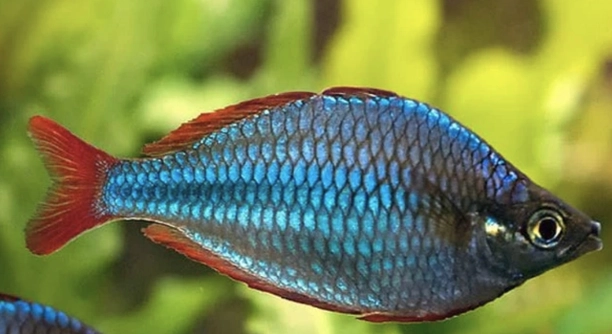
Have you ever brought home a beautiful rainbow fish, only to wonder if a simple bowl is really the right home for it?
Rainbow fish should not live in bowls due to several serious health and environmental risks. Bowls lack proper filtration, space, and temperature control, all of which are necessary for the fish’s long-term survival and well-being.
Understanding these risks can help you make better choices to protect your rainbow fish and give it the care it truly needs.
Why Bowls Are Unsafe for Rainbow Fish
Bowls are often too small to support the needs of rainbow fish. These fish are active swimmers and require more space than a typical bowl offers. A cramped environment can lead to stress, weakened immunity, and shortened lifespan. Bowls also lack proper filtration, making it difficult to keep water clean. Dirty water can quickly become toxic, harming your fish even if it looks clear. In addition, bowls don’t allow for the stable water temperatures rainbow fish need. Even small fluctuations can affect their health. Without proper equipment like heaters and filters, the conditions in a bowl change too often and too quickly. Rainbow fish do best in well-maintained tanks with enough room to swim freely, clean water, and consistent temperatures. Bowls simply do not meet these basic needs, which puts your fish at risk of illness, injury, and even early death.
A bowl can never provide the essentials that rainbow fish need to thrive.
Upgrading to a tank with a filter and heater creates a more stable, safe, and comfortable home. It reduces stress and improves water quality, which helps your rainbow fish live a longer, healthier life. Even a small tank with proper equipment is far better than any bowl.
The Importance of Clean Water and Proper Filtration
Unfiltered water builds up waste quickly, leading to poor water quality that can harm your rainbow fish.
In a bowl, water conditions change rapidly because there’s no filtration to remove waste or harmful chemicals. This makes it hard to keep the water safe. Even small amounts of leftover food, waste, or decaying plants raise ammonia and nitrite levels. These substances are toxic to fish and can cause burns, stress, or even death. A filtration system keeps water moving and helps break down waste before it becomes dangerous. It also improves oxygen levels, which is important for your fish’s breathing. Without good filtration, you’ll need to change the water very often—sometimes daily—which is stressful for both you and your fish. This routine still won’t match the consistency and safety that a good filter offers. For rainbow fish to stay healthy, they need stable, clean water every day. A proper filter makes this possible and reduces risks linked to water quality.
Lack of Space Limits Natural Behavior
Rainbow fish need more room than bowls provide. They are active swimmers and need horizontal space to swim freely. Without it, their movement becomes restricted, leading to frustration and stress-related health issues.
In a bowl, there’s not enough space for your rainbow fish to explore or stay active. These fish thrive in environments where they can move across longer distances and interact with tank elements like plants and decor. A cramped bowl keeps them in a tight circle, which may lead to boredom or stress. When fish are kept in conditions that don’t support their activity level, they often show signs like dull colors, lack of appetite, or aggression. Giving your rainbow fish a tank that’s at least 20 gallons with open swimming areas makes a big difference in how they behave and how healthy they stay over time.
A larger tank doesn’t just improve behavior—it supports better water conditions too. With more space, waste is diluted more effectively, which helps reduce the buildup of harmful substances. This balance is harder to achieve in small bowls, where even minor overfeeding or a skipped water change can have a serious impact. More space, combined with proper filtration, gives your rainbow fish the best chance at a long and healthy life.
Temperature Instability in Bowls
Bowls can’t hold stable temperatures. Their small size makes them highly sensitive to room temperature changes, which can stress your rainbow fish and lower their immune system.
In a properly heated tank, temperature remains steady and supports the natural functions of your fish. But bowls are too small to use a standard aquarium heater safely. This leaves rainbow fish exposed to sudden drops or spikes in temperature, especially at night or near windows and vents. These fluctuations are more than uncomfortable—they can lead to health problems like fin damage, infections, and low energy levels. Rainbow fish are tropical and need water temperatures around 74°F to 78°F. Keeping the temperature within this narrow range is nearly impossible in an unheated bowl. This constant instability weakens their resistance to disease, slows their growth, and affects their quality of life. A proper tank setup with a reliable heater helps avoid these issues entirely.
Poor Oxygen Levels in Bowls
Bowls have a small surface area, which limits how much oxygen can enter the water. Without proper airflow or movement, oxygen levels drop quickly, especially at night or in warmer temperatures.
Low oxygen levels can make your rainbow fish lethargic and cause them to gasp at the surface. This leads to stress and poor health over time.
No Room for a Filter or Heater
A bowl’s size and shape make it hard to fit standard aquarium equipment. Most filters and heaters are too large or powerful for such small volumes. Even if they fit, they may create strong currents or overheat the water, both of which can harm your fish. This lack of equipment makes it hard to maintain clean, warm, and safe water conditions. Bowls often rely on frequent manual water changes, which still can’t match the stability and safety of filtered, heated aquariums. This inconsistency leads to stress and health problems for your rainbow fish over time.
Risk of Overfeeding and Waste Buildup
Small bowls make it easy to overfeed, and even small bits of uneaten food quickly pollute the water. Without a filter, this buildup becomes toxic fast.
FAQ
Can rainbow fish survive in a small bowl?
Rainbow fish should not live in a small bowl. Their need for space, proper filtration, and stable water conditions cannot be met in a bowl. Bowls are too small to support their natural behavior and often lead to health problems due to poor water quality and temperature fluctuations.
How much space does a rainbow fish need?
Rainbow fish need at least a 20-gallon tank to thrive. This provides enough room for them to swim actively and reduces stress. The more space you can provide, the better, as it allows for a more stable environment and supports healthy fish behavior.
Why are water changes so important for rainbow fish?
Water changes are crucial for rainbow fish because they help remove harmful waste and toxins. In a small bowl without filtration, waste accumulates quickly, leading to poor water quality. Regular water changes help maintain a healthy environment for your fish, supporting their overall well-being.
Can I use a small aquarium instead of a bowl for rainbow fish?
Yes, a small aquarium with proper filtration and heating is much better than a bowl. A 10 to 20-gallon aquarium is a good starting point for rainbow fish. It’s essential that the tank includes a filter to keep water clean and a heater to maintain stable temperatures.
What water temperature is best for rainbow fish?
Rainbow fish thrive in temperatures between 74°F and 78°F. Consistent temperature control is vital, as fluctuations can stress the fish. A reliable aquarium heater ensures the water stays within the ideal range, supporting the fish’s health and comfort.
How do I know if my rainbow fish are stressed?
Signs of stress in rainbow fish include faded colors, erratic swimming, loss of appetite, and rapid breathing. Stress can be caused by factors like poor water quality, inadequate space, and fluctuating temperatures. Addressing these factors can help your fish feel more at ease.
What type of filter is best for rainbow fish?
A gentle filter, like a sponge filter or an internal filter with adjustable flow, works best for rainbow fish. These filters help keep the water clean without creating strong currents that could stress out your fish. Avoid filters that produce harsh water flow, as it can cause stress and harm to the fish.
Can I keep more than one rainbow fish in the tank?
Yes, rainbow fish are social and do well in groups. However, the tank size should be adequate to accommodate the number of fish. A 20-gallon tank can house a small group of 3 to 5 rainbow fish comfortably. Just ensure there’s enough space to reduce territorial behavior.
What should I feed rainbow fish?
Rainbow fish are omnivores and will eat a variety of foods, including flakes, pellets, live or frozen foods like brine shrimp, and plant matter. Feeding a balanced diet ensures they get all the necessary nutrients. Be mindful not to overfeed, as excess food can pollute the water quickly.
Are rainbow fish hard to care for?
Rainbow fish are generally easy to care for if you provide the proper environment. They are adaptable to different water conditions but require stable temperatures, clean water, and adequate space to thrive. As long as you maintain these factors, rainbow fish can live for several years in your care.
How do I set up a tank for rainbow fish?
Setting up a tank for rainbow fish involves choosing an appropriately sized tank (20 gallons or more), installing a gentle filter, and adding a heater to maintain the correct temperature. Include plants, rocks, and decorations to create hiding spots and reduce stress. Ensure the tank is properly cycled before adding fish.
Can rainbow fish live with other species?
Rainbow fish are peaceful and can coexist with many other species, as long as their tankmates are not aggressive. They do well with other peaceful species like tetras, danios, and livebearers. Avoid keeping them with fin-nipping fish or aggressive species that could stress them out.
What is the lifespan of a rainbow fish?
Rainbow fish typically live for about 5 to 8 years, depending on the conditions in their tank. Proper care, including good water quality, stable temperatures, and a balanced diet, can help them reach their full lifespan. Regular tank maintenance and avoiding stress will contribute to their longevity.
How do I breed rainbow fish?
Breeding rainbow fish requires setting up a separate breeding tank with soft, slightly acidic water. Provide plants or spawning mops for the females to lay eggs. Once the eggs hatch, remove the parents to prevent them from eating the fry. Keep the water quality high and feed the fry appropriate foods as they grow.
Can rainbow fish live in cold water?
Rainbow fish are tropical fish and cannot live in cold water. They need warm water to survive and thrive. The water temperature should be kept between 74°F and 78°F to ensure their health. Cold temperatures can lead to weakened immunity and increase the risk of disease.
Why do rainbow fish have bright colors?
Rainbow fish have bright colors to attract mates and establish dominance within their groups. The vibrant colors help them stand out in their natural habitats, where they use color displays for social interactions. A well-maintained tank with appropriate lighting will help these colors appear more vivid.
What type of decorations are best for rainbow fish tanks?
Rainbow fish enjoy having plants, rocks, and driftwood in their tanks. These elements provide hiding spots, reduce stress, and make the tank feel more natural. Live plants, in particular, help maintain water quality by absorbing excess nutrients. Avoid sharp objects that could injure your fish.
Do rainbow fish need a filter?
Yes, rainbow fish need a filter to keep the water clean and provide adequate oxygen. Without a filter, waste builds up quickly, leading to poor water quality. A filter helps maintain a stable, healthy environment by removing toxins and ensuring the fish have access to clean water.
How do I know if my rainbow fish is sick?
Signs of illness in rainbow fish include changes in behavior, such as lethargy or hiding, as well as physical signs like damaged fins, discoloration, or swelling. If you notice these symptoms, check the water quality and consult an aquarium professional for advice on treating the illness.
Can rainbow fish live with snails?
Rainbow fish can live with snails, and many aquarium keepers choose to include them as tankmates. Snails help clean up leftover food and algae, making them beneficial to the overall tank environment. Ensure the snails are compatible with rainbow fish, as some species might be more aggressive.
Final Thoughts
Rainbow fish can be beautiful and rewarding additions to a home aquarium, but their needs must be met for them to thrive. They require a tank that is large enough to provide adequate space for swimming, along with proper filtration and temperature control. Small bowls simply do not offer the conditions these fish need to live a healthy life. For the best chance at success, it’s crucial to give them a well-maintained tank that mimics their natural environment.
Providing enough space, clean water, and stable temperatures is key. Rainbow fish are peaceful and social creatures, so they benefit from living with other non-aggressive fish in a community tank. Regular maintenance, including water changes, checking filter systems, and ensuring the temperature remains stable, will go a long way in keeping your fish happy and healthy. Overcrowding, poor water quality, or fluctuating temperatures can lead to stress and health issues for your fish, which can impact their lifespan.
If you are considering keeping rainbow fish, it’s important to research their specific care needs and be prepared to maintain a proper tank setup. By providing a suitable environment, you can enjoy the bright colors and lively behavior of these fish for many years. While they are relatively easy to care for, the most important factor is creating a stable and stress-free environment that will allow them to thrive.

Hello,
If you enjoy the content that we create, please consider saying a "Thank You!" by leaving a tip.
Every little bit helps us continue crafting quality advice that supports the health, happiness, and well-being of pets around the world, for pets of all shapes, sizes, and species.
We really appreciate the kindness and support that you show us!