
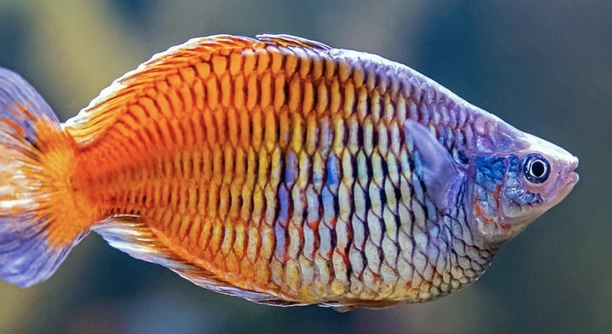
Rainbow fish are known for their vibrant colors and active nature. Understanding their behavior, including where they prefer to hide, can enhance the care you provide them. Their need for hiding spots is often linked to comfort and security.
Rainbow fish, like many species, tend to seek out hiding spots when they feel stressed or need rest. Offering multiple hiding areas helps reduce stress and allows them to retreat when needed, improving their overall well-being and behavior.
Understanding how these preferences play a role in their health can help you create a more comfortable environment for your rainbow fish.
Rainbow Fish and Their Need for Hiding Spaces
Rainbow fish are naturally active and curious creatures. However, like many fish species, they seek shelter when they feel threatened or need to rest. These fish are not always visible, as they prefer to hide in spaces that mimic their natural environment. Providing them with various hiding spots helps them feel secure and reduces stress, which can lead to better health and longevity. Aquariums with plants, rocks, and caves allow rainbow fish to find spots that suit their needs. These hiding places also give them the chance to exhibit more natural behaviors and prevent aggressive interactions with tank mates.
Although rainbow fish may be less visible at times, their need for hiding is not about avoiding the aquarium’s activity. It’s about feeling safe in their environment. When they have access to secure spots, they are more likely to thrive, show natural behaviors, and be active during feeding times.
Offering suitable hiding spots also prevents stress-related health issues. Without proper refuges, rainbow fish can become anxious and may stop eating or even display aggressive tendencies toward other tank mates. Ensuring the tank provides these spaces promotes a healthier, more vibrant life for your fish.
Creating the Ideal Environment for Your Rainbow Fish
Rainbow fish do well in tanks that have plenty of hiding areas. Providing the right amount of plants, caves, and rocks can mimic their natural habitat and offer the security they need.
A well-structured tank with hiding spaces encourages rainbow fish to be more active and social. The diversity of spaces also allows for natural behaviors, such as schooling or resting in peace. Too few hiding spots, however, can cause stress, as the fish will feel exposed. Keeping their well-being in mind, it’s important to keep the tank cluttered enough to offer them safe spots.
Types of Hiding Spots for Rainbow Fish
Rainbow fish prefer different types of hiding spots. Plants, caves, and decorations work well in creating spaces where they can rest and hide. The key is variety, ensuring fish have several options.
Live plants are ideal for providing cover, as they offer a natural environment. Larger plants with broad leaves give the fish room to hide and feel secure. Rocks and caves also create natural hiding spots, especially if they are placed strategically in the aquarium. These structures mimic the environment rainbow fish would find in their native habitat, which can improve their overall well-being.
Hiding spots should be placed in various areas of the tank to encourage exploration. By offering both low and high hiding spots, you allow the fish to choose based on their comfort levels. Having enough places to hide will make your rainbow fish feel safe and reduce stress in the tank.
Importance of Tank Size and Layout
The size of the tank plays an important role in the availability of hiding spots. A larger tank offers more room for plants, rocks, and decorations, allowing rainbow fish to have several safe spots.
In smaller tanks, it’s important to balance hiding spots with enough space for swimming. Too many decorations in a small tank can crowd the fish, making it difficult for them to move freely. For an ideal setup, the layout should include a variety of decorations while maintaining open spaces for the fish to swim. This combination gives rainbow fish the opportunity to explore while still providing the shelter they need.
Avoiding Overcrowding in the Tank
Overcrowding can limit the number of hiding spots available. When there are too many fish in the tank, the hiding spots become occupied, leaving some fish feeling exposed. This can cause unnecessary stress.
Keeping a proper balance between the number of fish and available hiding spots is essential. When there’s enough space, each fish can feel safe, leading to less competition and more natural behaviors. Regularly monitor your tank’s population to ensure it doesn’t exceed the recommended limit for your tank size.
Proper Maintenance of Hiding Spots
Regular maintenance of hiding spots is necessary to ensure they remain safe and functional for rainbow fish. Check that decorations and plants are secure and clean.
Hiding spots can gather debris over time, so regular cleaning is required to maintain a healthy environment. Dirty hiding spots can lead to poor water quality, which affects the overall health of the fish. Inspecting these areas also prevents the growth of harmful bacteria or mold.
FAQ
Can rainbow fish live without hiding spots?
Rainbow fish can survive without hiding spots, but their overall well-being will be affected. Without places to hide, they may feel stressed, which can impact their health and behavior. A tank with hiding spots provides them with comfort and security, leading to better long-term health.
How many hiding spots do rainbow fish need?
The number of hiding spots depends on the size of the tank and the number of fish. Ideally, you should have at least one hiding spot for every two to three fish. This ensures that each fish has a chance to retreat when necessary, helping reduce stress.
Are there any specific plants that work best for hiding spots?
Yes, plants like Java Fern, Anubias, and Amazon Sword work well for creating hiding spots. These plants provide coverage and grow large enough to give rainbow fish a sense of security. They also contribute to the natural feel of the tank.
Can I use artificial decorations for hiding spots?
Artificial decorations can be used as hiding spots if they are made from aquarium-safe materials. Caves, rocks, and other structures can be placed strategically in the tank. Just make sure they have smooth edges to avoid injuring the fish.
How do hiding spots affect rainbow fish behavior?
When rainbow fish have access to hiding spots, they feel safer and less stressed. This leads to more natural behaviors, like swimming, feeding, and socializing. Without hiding spots, they may become shy, avoid swimming, or become more aggressive towards other tank mates.
Can I have too many hiding spots in a tank?
While having plenty of hiding spots is important, overcrowding the tank with decorations can limit swimming space. Ensure there’s a balance between enough hiding spots and sufficient open space for the fish to swim freely. Too many hiding spots can create a cramped environment that affects their activity.
Do rainbow fish prefer to hide alone or in groups?
Rainbow fish tend to prefer hiding alone, as they are generally solitary when resting. They feel safest when they can retreat into a secure space away from other fish. However, they are social during active times, like feeding and swimming in schools.
Are caves better than plants for hiding spots?
Both caves and plants serve different purposes. Caves offer more enclosed and secure spaces, which can be beneficial for fish that need complete shelter. Plants provide more natural cover and mimic the fish’s natural habitat. A mix of both is ideal for a balanced environment.
What is the best tank setup for rainbow fish?
The best setup for rainbow fish includes a tank with plants, caves, and rocks to create hiding spots. It should also have enough open swimming space for the fish to move freely. Maintain proper water conditions, including temperature and filtration, to support their health and comfort.
How often should I rearrange hiding spots in the tank?
You don’t need to rearrange hiding spots frequently, but occasional changes can stimulate your fish and encourage exploration. However, avoid doing it too often, as it may stress your rainbow fish. Only rearrange if necessary, such as for cleaning or to avoid overcrowding.
Do rainbow fish like to hide during the day?
Rainbow fish are more likely to hide during the night or when they feel stressed. During the day, they are generally more active and visible, especially if they feel secure in their environment. However, they may still retreat to their hiding spots occasionally for rest.
Can hiding spots prevent aggression among tank mates?
Yes, providing hiding spots can help reduce aggression among tank mates. Fish often fight for territory or to establish dominance. With enough hiding spaces, each fish can claim a safe area, which reduces the likelihood of territorial disputes and allows for peaceful coexistence.
Final Thoughts
Rainbow fish thrive in environments where they feel secure and comfortable. Hiding spots are an essential part of creating such an environment. While these fish are active and social, they also require spaces to retreat when they need rest or feel threatened. Providing the right mix of plants, caves, and rocks allows them to express their natural behaviors and reduces stress. This contributes to their overall health and well-being, making it an important consideration for aquarium care.
A well-balanced tank setup is key to ensuring rainbow fish have enough space to swim and hide. Too few hiding spots can lead to stress and even aggression, while overcrowding the tank with decorations can limit the space they need to move freely. It’s about finding the right balance. The tank should offer plenty of secure areas for the fish to retreat, while still leaving enough open space for them to swim and interact with each other. Regular maintenance of these hiding spots helps maintain a healthy environment, free from debris or harmful buildup.
Ultimately, the happiness and health of rainbow fish depend on the environment you create for them. By providing adequate hiding spots, you offer them the chance to feel safe and secure, reducing stress and promoting natural behavior. A well-structured tank, complete with the right amount of hiding spaces, ensures your rainbow fish lead long, healthy, and active lives.

Hello,
If you enjoy the content that we create, please consider saying a "Thank You!" by leaving a tip.
Every little bit helps us continue crafting quality advice that supports the health, happiness, and well-being of pets around the world, for pets of all shapes, sizes, and species.
We really appreciate the kindness and support that you show us!