
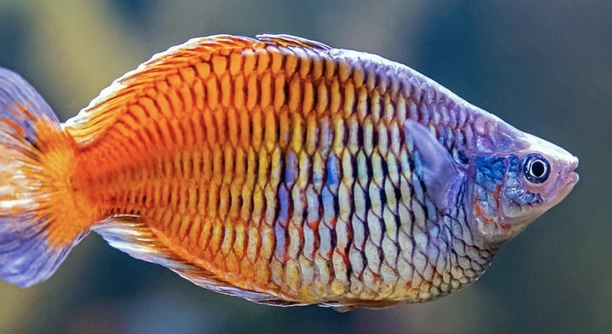
Rainbow fish are colorful, lively creatures often admired in aquariums. As pet owners, we may wonder how sensitive they are to their environment. One question that often comes up is whether music can startle them.
Rainbow fish can indeed react to sudden sounds or vibrations in their surroundings, including music. However, their response may not be as dramatic as it is for humans or animals with more acute hearing.
Understanding how music affects rainbow fish will help you create a peaceful aquarium setting. We’ll explore their sensitivity to sound and offer tips for keeping them comfortable.
How Sound Affects Rainbow Fish
Rainbow fish are not as sensitive to sound as other pets, but they can still react to changes in their environment. Unlike mammals, fish do not have ears in the same way we do. Instead, they use their lateral line system to detect vibrations in the water. This system helps them sense movement around them, including sounds that travel through the water. Music, or any noise that causes vibrations, can disrupt their peaceful surroundings. The impact of sound on rainbow fish will vary depending on the volume and frequency.
However, it’s important to understand that rainbow fish don’t hear music the same way humans do. While they may not respond to melodies, they can feel the vibrations that accompany loud noises. If the music is too loud or the bass too heavy, the vibrations could make the fish feel uneasy or stressed. This is why it’s essential to consider the sound environment when setting up an aquarium.
Providing a calm space for your rainbow fish is key to their well-being. They may react to disturbances like loud music by hiding or becoming less active. Keeping the noise levels low will help them thrive.
Can Music Cause Stress in Rainbow Fish?
Fish are sensitive to vibrations, and sudden noises can cause stress. Even though rainbow fish are not hearing the music directly, the vibrations may affect their comfort.
Loud sounds and music can affect the behavior of rainbow fish. Since they use vibrations to detect movements, strong sounds in their environment can be unsettling. In particular, low-frequency sounds, like bass-heavy music, may cause discomfort, making the fish more anxious or stressed. Prolonged exposure to these sounds could lead to a decrease in their activity levels or cause them to hide. This stress is not just behavioral—it can also have physical effects. If the environment feels unsafe, rainbow fish may stop eating or show signs of poor health.
On the other hand, softer sounds or music with little to no vibration might not be as bothersome. For example, classical or instrumental music, which tends to have a smoother sound without heavy bass, is less likely to cause stress. If you want to play music around your aquarium, keeping the volume low and avoiding sudden loud noises will create a more comfortable space for your fish.
Rainbow Fish and Their Sensitivity to Vibrations
Rainbow fish can sense vibrations in the water through their lateral line system, which helps them detect movement. They rely on this system to navigate and avoid potential threats. This sensitivity means they can feel the vibrations caused by loud sounds or heavy music, even if they don’t hear it like humans do.
While rainbow fish are not likely to “hear” music, they will respond to the vibrations that travel through the water. If the music is too loud or contains deep bass sounds, the vibrations can be unsettling. This can lead to changes in their behavior, like hiding or becoming less active. Over time, continuous exposure to disruptive vibrations could cause stress, affecting their overall health.
It’s important to keep the noise level around their tank in check. High-volume music or sudden loud sounds can disturb the calm environment they need. To create a more comfortable setting, consider using softer sounds or lower volume settings. This will help prevent unnecessary stress on your fish.
Managing Aquarium Sound Environment
Maintaining a peaceful environment for your rainbow fish goes beyond just water quality and temperature. Sound is an often-overlooked factor that can play a role in their well-being. Fish react to the sounds and vibrations around them, which can influence their stress levels.
If you’re concerned about how sound might impact your rainbow fish, take some simple steps to manage it. For instance, avoid placing the aquarium near loud speakers or areas with high foot traffic. You can also consider soundproofing your space to reduce any disruptive noises. This creates a more stable and calming environment for your fish, reducing the risk of stress.
Ultimately, it’s about keeping the tank in a quiet and peaceful corner of your home. This helps mimic their natural habitat and ensures they thrive in a stress-free environment. When the sound is balanced, your fish can live in a more serene and healthy setting.
Effects of Loud Music on Rainbow Fish Behavior
Loud music can cause rainbow fish to feel stressed due to the vibrations that travel through the water. These vibrations disrupt their calm environment, leading them to react by hiding or becoming less active. Their sensitivity to these vibrations is tied to how they perceive their surroundings.
If the music has heavy bass or sudden loud noises, it can trigger heightened stress responses. Rainbow fish are more likely to become anxious or avoid certain areas of the tank. Constant exposure to loud sounds may even affect their eating habits, leading to unhealthy behavior over time. It’s crucial to be mindful of volume levels when playing music around their tank.
How to Prevent Stress from Sound Disturbances
To keep your rainbow fish comfortable, it’s essential to control their exposure to noise. Placing the aquarium away from loud speakers or busy areas is a good start. A quiet, calm space helps reduce their stress levels and allows them to feel more secure.
Consider using softer music with little vibration, as it’s less likely to cause disruption. Playing instrumental or classical music at lower volumes can be a more fish-friendly approach. The key is balancing sound with peace, ensuring the fish have a comfortable and low-stress environment to thrive.
FAQ
Can rainbow fish hear music?
Rainbow fish do not have ears like humans, so they cannot “hear” music the way we do. However, they are sensitive to vibrations. When music plays, the vibrations travel through the water and can affect the fish. While they won’t react to melodies, the vibrations from loud or bass-heavy sounds may disrupt their environment, causing stress.
How do rainbow fish sense vibrations?
Rainbow fish detect vibrations through their lateral line system, which is a specialized sensory organ. This system allows them to feel movements in the water, such as water currents or the vibrations from sounds. Even though rainbow fish don’t hear in the traditional sense, they can feel the effects of loud noises and vibrations from music or other sources.
Is it harmful for rainbow fish to be exposed to loud sounds?
Yes, loud sounds can be harmful to rainbow fish. While they may not hear the sound directly, the vibrations can cause stress. If exposed to high volumes or deep bass sounds frequently, fish can become anxious or more lethargic. This ongoing stress can affect their overall health, leading to changes in behavior or even physical issues like reduced appetite or poor immune response.
Can rainbow fish get used to music over time?
It’s possible that rainbow fish could become more accustomed to the sounds of music over time. However, their sensitivity to vibrations means they might not fully adapt to loud music. While lower-volume or softer music might not cause them significant stress, high-volume music with heavy bass is likely to remain disruptive to them.
What types of music are best for rainbow fish?
Softer, gentler music is best for rainbow fish. Classical music, instrumental tracks, or ambient sounds that don’t have deep bass or sharp changes in volume are less likely to disrupt the fish. Music that has consistent, mellow tones is less likely to cause stress and can create a calming atmosphere for the fish.
How can I prevent stress caused by noise in the aquarium?
To minimize stress caused by noise, place your aquarium in a quiet area away from loudspeakers, televisions, or other sources of noise. Keeping the aquarium in a peaceful corner of the room will help provide a more serene environment for your fish. Additionally, avoid playing music at high volumes or choosing tracks with heavy bass.
Does the size of the aquarium affect how sound impacts rainbow fish?
Yes, the size of the aquarium can affect how sound waves travel through the water. In a smaller tank, vibrations from loud music may have a more noticeable impact because there is less water to absorb the sound. In larger tanks, the sound vibrations might dissipate before they reach the fish, though they can still be noticeable if the music is too loud.
Are rainbow fish more sensitive to sound than other fish?
Rainbow fish are generally not more sensitive to sound than other fish, but their response to vibrations can vary depending on their species and environment. Most fish have some level of sensitivity to vibrations, and rainbow fish are no exception. However, it’s important to note that different species might react differently to sound disturbances.
How do I know if my rainbow fish are stressed by music?
Signs of stress in rainbow fish can include hiding, reduced activity, and a loss of appetite. If your fish are exposed to loud music and you notice these behaviors, it may be an indication that the noise is causing them distress. If the stress continues, it could lead to long-term health problems, so it’s essential to adjust the environment to reduce noise levels.
Can music help calm rainbow fish?
While rainbow fish may not respond to music in the same way humans do, calming music can create a soothing atmosphere. However, it’s important to remember that the sound should be at a low volume and without heavy bass. Soft, ambient sounds are more likely to have a positive effect by contributing to a peaceful environment, but they should still be monitored to ensure the fish are comfortable.
What other environmental factors should I consider for rainbow fish?
Aside from sound, other factors like water temperature, lighting, and tank size are essential for rainbow fish health. They thrive in stable conditions with clean water and appropriate water temperature. Be sure to maintain good water quality, avoid sudden temperature changes, and provide natural hiding spots to keep them comfortable. When these factors are in balance, rainbow fish will be less affected by stress and more likely to thrive.
Final Thoughts
Rainbow fish are fascinating creatures that thrive in calm, stable environments. While they do not have the ability to hear music as humans do, they are sensitive to vibrations that come from sound. This means that loud music or sounds with heavy bass can disrupt their peaceful surroundings, potentially leading to stress. Since fish do not react to music in the same way we do, the best approach is to minimize exposure to noise that causes vibrations in the water. By keeping the aquarium in a quiet, calm space, you can help create an ideal environment for them.
It’s important to remember that, while rainbow fish are relatively resilient, their well-being is closely tied to their environment. Stress caused by loud sounds, sudden vibrations, or noisy surroundings can lead to undesirable behaviors. These behaviors might include hiding, less activity, and a lack of appetite, which can affect their overall health. While they might adapt to some noise over time, it is always better to avoid unnecessary disturbances that could negatively impact their happiness and vitality. Lowering the volume on music, and choosing softer, less intense sounds, will help keep the fish comfortable.
In the end, caring for rainbow fish is about ensuring that their habitat is peaceful and stable. This includes not only managing the water conditions and temperature but also considering the noise levels in the environment. If you enjoy playing music, choosing more calming and gentle tunes with minimal vibration can be beneficial. Taking these small steps will help maintain a peaceful atmosphere for your fish, allowing them to thrive in their tank and live their best lives. By being mindful of the sounds around them, you contribute to their long-term health and well-being.

Hello,
If you enjoy the content that we create, please consider saying a "Thank You!" by leaving a tip.
Every little bit helps us continue crafting quality advice that supports the health, happiness, and well-being of pets around the world, for pets of all shapes, sizes, and species.
We really appreciate the kindness and support that you show us!