
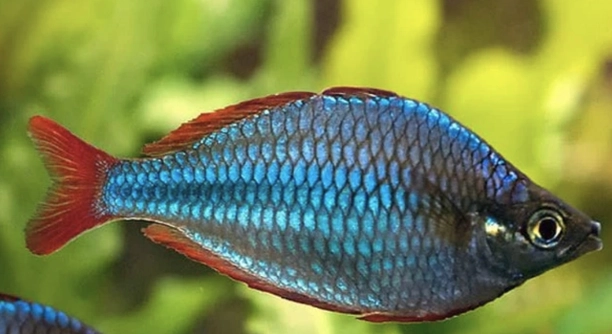
Rainbow fish are known for their bright colors and active nature, making them popular in home aquariums. However, when housed in a bare tank, their safety and well-being could be compromised.
Rainbow fish do not thrive in bare tanks, as these environments lack essential hiding spots and stimulation. The absence of plants, decorations, or substrate can cause stress, affecting their overall health. Proper tank setups provide shelter and comfort, which are crucial for fish safety.
With the right tank setup, you can create a safer and more comfortable space for your rainbow fish.
Why Rainbow Fish Need More Than a Bare Tank
Rainbow fish are active and colorful, but they need more than just water to thrive. A bare tank lacks the elements that help these fish feel secure. Without proper hiding places, plants, or substrate, they can become stressed, leading to health issues. Stress weakens their immune systems, making them more vulnerable to diseases.
Fish in bare tanks also miss out on natural behaviors like foraging or exploring hiding spots. Rainbow fish are used to swimming through plants and rocks in the wild. In an empty tank, they can’t express these natural behaviors, which negatively impacts their well-being. Providing a tank with visual barriers, plants, and substrate helps reduce stress and enhances their overall health.
A healthy, decorated tank encourages rainbow fish to act naturally, promoting a more vibrant, long-lasting life. These additions make a tank more than just a space to hold water; they create a safe and stimulating environment for your fish to thrive.
The Benefits of a Properly Decorated Tank
A well-planted tank allows rainbow fish to feel secure and confident. These fish will be much more active and colorful when they can explore and hide in the tank.
Adding plants, rocks, and substrate not only offers safety but also creates a more visually appealing environment. In nature, rainbow fish often live among vegetation, rocks, and debris, so replicating these features can improve their quality of life. Healthy plants also help improve water quality, creating a more balanced ecosystem for your fish. This results in a better environment that promotes natural behaviors like schooling and foraging.
Hiding Spots Are Crucial for Safety
Rainbow fish are prey animals in the wild, so they instinctively seek shelter when they feel threatened. Without hiding spots in their tank, they can become overly stressed. Stress, in turn, weakens their immune system and reduces their quality of life. It is essential to include areas where they can retreat and feel secure.
Adding decorations like rocks, driftwood, or plants provides much-needed hiding spots. These hiding areas mimic the environment that rainbow fish naturally seek for protection. When rainbow fish have access to these spaces, they will feel less exposed and more confident. A tank without hiding spots may cause the fish to feel vulnerable, leading to long-term stress. Including these elements in their environment helps reduce stress and fosters a healthier, happier fish.
In addition to hiding spots, it is important to provide enough space for the rainbow fish to swim freely. Crowded environments can increase aggression and stress among fish, making it harder for them to establish territory. With the right combination of hiding spots and swimming space, rainbow fish are more likely to thrive in their tank.
Tank Size and Swim Space
Rainbow fish are active swimmers, so providing enough space is vital. A small, overcrowded tank can limit their ability to move around and explore. Over time, this confinement can cause stress and lead to poor health. The larger the tank, the more opportunities there are for fish to swim freely.
In a spacious tank, rainbow fish can express their natural behavior, such as darting between plants or swimming in schools. This movement is crucial for their mental and physical well-being. A bare tank may restrict their ability to move, leaving them feeling cramped and stressed. In contrast, a spacious tank promotes exercise and a healthy environment. Ensuring enough swim space is one of the simplest ways to help rainbow fish stay active and happy.
Additionally, ensuring proper water flow can help mimic their natural habitat, as rainbow fish are used to slightly moving water. A tank with good water circulation encourages these fish to explore different areas, enhancing their physical and mental stimulation.
Importance of Substrate for Comfort
A bare tank with no substrate can leave rainbow fish feeling exposed. Substrate, like gravel or sand, provides a natural feel and offers opportunities for fish to interact with their environment. It also allows beneficial bacteria to grow, improving water quality. Without substrate, your fish may feel like they’re in a sterile environment.
Rainbow fish also enjoy foraging for food on the substrate, which helps replicate natural feeding behaviors. Without this option, their diet can become less varied, leading to malnutrition. Substrate is not only important for fish comfort but for overall tank health as well. A tank with substrate offers a more balanced and natural environment for the fish.
Water Quality in Bare Tanks
Water quality is one of the most critical factors for fish health. In a bare tank, water filtration becomes even more crucial since there are no plants or substrate to help absorb waste. Without proper filtration, toxins can build up, stressing your rainbow fish. Poor water quality leads to various health issues.
To keep the water clean, ensure that your tank has an efficient filtration system and perform regular water changes. The absence of substrate in bare tanks makes maintaining good water quality more challenging. Keeping the tank well-maintained is essential for your fish’s health and comfort. A clean environment can reduce stress, increase activity, and promote long-term well-being.
Lighting for Rainbow Fish
Rainbow fish require appropriate lighting to thrive. Bright, consistent lighting mimics their natural habitat, encouraging them to stay active and healthy. In a bare tank, the lack of hiding spots and stimulation can make the lighting feel harsh. Proper lighting enhances the vibrancy of their colors as well.
Lighting also helps regulate the fish’s circadian rhythm. Without a proper light cycle, rainbow fish may experience stress and poor health. A good lighting system supports their natural behavior patterns, like resting at night and swimming during the day. Choose a timer to maintain consistency and help create a natural day-night cycle in your tank.
FAQ
Can rainbow fish live in a bare tank without decorations?
Rainbow fish can survive in a bare tank, but it is not ideal for their well-being. Without plants, rocks, or hiding spots, they can experience increased stress, which can affect their health. Decorations offer the fish places to hide and explore, mimicking their natural environment. This not only helps them feel secure but also promotes natural behaviors, like foraging and schooling. A bare tank lacks these critical elements and can lead to a more anxious, less active fish.
Do rainbow fish need live plants in their tank?
Live plants are not a strict requirement, but they are highly beneficial for rainbow fish. Plants create hiding spots and provide a more natural environment. They also help improve water quality by absorbing excess nutrients, which can reduce algae growth. Live plants can also serve as a source of food, offering opportunities for fish to nibble. While artificial plants can work in a pinch, live plants provide a more holistic, beneficial setup for both the fish and the tank environment.
How often should I change the water in my tank?
Water changes are essential for maintaining a healthy environment for your rainbow fish. It is recommended to change 20-30% of the water every 1-2 weeks, depending on tank size, fish load, and filtration. Regular water changes help remove toxins, excess nutrients, and waste that can build up over time. Maintaining water quality is crucial for preventing diseases and ensuring that your rainbow fish remain active and vibrant.
What is the ideal tank size for rainbow fish?
Rainbow fish need space to swim, so the tank size should be appropriate for their size and number. A minimum of 30 gallons is recommended for a small group of rainbow fish. A larger tank will allow them to swim freely and reduce stress. It also provides room for decorations and plants, which enhance the fish’s well-being. A larger tank can also help with water quality maintenance, as it allows for more effective filtration and stable water parameters.
Can rainbow fish live with other species?
Rainbow fish are generally peaceful and can live with other species that share similar water conditions. It’s important to avoid aggressive fish that may harm or stress out the rainbows. Good tankmates include peaceful species like tetras, gouramis, and other community fish. However, it’s essential to research the specific needs of each species before adding them to your tank. In a well-planted tank, rainbow fish thrive alongside other peaceful fish.
What water temperature is best for rainbow fish?
Rainbow fish prefer slightly warmer water temperatures, typically between 74°F and 80°F (23°C-27°C). Maintaining a stable temperature is crucial for their health. Water that is too cold or fluctuates frequently can stress out the fish, leading to weakened immune systems and health issues. It’s best to use an aquarium heater to regulate temperature and keep it consistent. Regularly check the water temperature to ensure it stays within the ideal range.
Are rainbow fish sensitive to water pH?
Rainbow fish are sensitive to extreme shifts in water pH. They thrive in slightly acidic to neutral water, with a pH range between 6.5 and 7.5. Sudden changes in pH can cause stress and lead to health problems. It’s important to regularly test the water’s pH level and make gradual adjustments if needed. A stable pH is key to keeping your rainbow fish healthy and stress-free. Proper water conditions help ensure that your fish are vibrant and active.
What should I feed my rainbow fish?
Rainbow fish are omnivores and should be fed a varied diet to ensure they get all the nutrients they need. High-quality flakes or pellets can be supplemented with live or frozen foods like brine shrimp, daphnia, and bloodworms. You can also offer plant matter such as blanched vegetables. It’s important to provide a balanced diet that includes both protein and plant-based foods. Overfeeding should be avoided, as it can lead to poor water quality and health issues.
How do I know if my rainbow fish are stressed?
Stressed rainbow fish may exhibit signs such as reduced activity, poor color, loss of appetite, or hiding more than usual. They may also start to display erratic swimming behavior or frequent scratching against tank surfaces. A stressed fish may also develop fin clamping or show signs of disease. If you notice any of these behaviors, it’s important to assess their environment, check water parameters, and make sure they have plenty of hiding spots and a stable, comfortable tank setup.
Can rainbow fish breed in a home aquarium?
Rainbow fish can breed in a home aquarium, but it requires the right conditions. To encourage breeding, you need a well-maintained tank with stable water conditions, including temperature, pH, and lighting. Providing plants, such as Java moss, gives the fish a place to lay their eggs. After spawning, the parents should be removed to prevent them from eating the eggs. It may take some time for rainbow fish to breed in captivity, but with patience and the right environment, it’s definitely possible.
Do rainbow fish get along with each other?
Rainbow fish are generally peaceful and social, so they do well in groups. Keeping them in schools of at least 6-8 fish will help reduce stress and encourage natural behavior. They are not territorial and typically do not show aggression toward each other. However, male rainbow fish may compete for mates during breeding season, but this behavior is usually not harmful. A peaceful school of rainbow fish adds vibrant colors and movement to your tank, making them a great addition to community aquariums.
Final Thoughts
Creating a comfortable and healthy environment for your rainbow fish is essential for their well-being. While bare tanks may work as a temporary solution, they lack the elements that can make your fish feel truly at ease. Decorations like plants, rocks, and substrate help replicate the fish’s natural habitat, providing them with spaces to hide, forage, and interact. Without these additions, your fish may feel exposed and stressed, which can affect their behavior and overall health. It’s important to consider these factors when setting up a tank for rainbow fish.
Water quality, temperature, and appropriate tankmates also play a significant role in ensuring the health and comfort of your rainbow fish. Keeping the water clean with regular maintenance and using a quality filtration system will reduce stress and promote a healthier environment. Similarly, maintaining the proper temperature range and a stable pH level is crucial for their well-being. Choosing peaceful tankmates that share similar water requirements is another key element to a harmonious aquarium. A well-maintained tank with the right conditions will help your rainbow fish thrive and display their full vibrancy.
Ultimately, while rainbow fish can live in a bare tank, they will be much happier and healthier in an environment that mimics their natural habitat. A properly set-up tank with decorations, appropriate water conditions, and suitable companions will help your rainbow fish feel safe and secure. This will not only enhance their health but also provide you with a beautiful and dynamic aquarium to enjoy. By considering all these factors, you can ensure your rainbow fish remain active, colorful, and stress-free for years to come.

Hello,
If you enjoy the content that we create, please consider saying a "Thank You!" by leaving a tip.
Every little bit helps us continue crafting quality advice that supports the health, happiness, and well-being of pets around the world, for pets of all shapes, sizes, and species.
We really appreciate the kindness and support that you show us!