
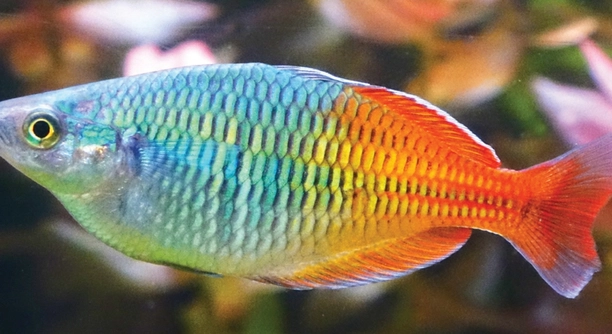
Rainbow fish are colorful and active creatures, often admired for their beauty. Many wonder if these fish can develop bonds with other fish in the tank. Understanding their social behavior can help aquarium owners foster a peaceful environment.
Rainbow fish are known to be peaceful and social within their species but may not form lasting bonds with other fish species. They are generally tolerant of tank mates, though individual behavior can vary depending on the environment and interactions.
Creating a harmonious tank requires understanding their social needs and tank dynamics. Proper care and compatible companions will help ensure a balanced ecosystem for your rainbow fish.
Understanding Rainbow Fish Social Behavior
Rainbow fish are naturally peaceful, especially when housed with their own kind. They tend to get along well with other non-aggressive fish, as they are not territorial. However, they are not typically known to form close bonds with other species. In a well-maintained aquarium, they may swim in schools of their own kind or peacefully coexist with compatible species. Their social interactions usually involve a subtle hierarchy, but they do not form lasting friendships like some other fish might. Instead, their behaviors are more about maintaining a safe and balanced space within the tank.
While rainbow fish are not as emotionally attached to other species as some fish are, they do rely on a sense of community for comfort. In large groups, they are more confident and active, reducing stress. This social structure can improve their overall health and make them more engaging for observers.
When adding rainbow fish to a tank, it’s important to pair them with other peaceful, non-territorial fish. Overcrowding or introducing aggressive species may cause stress and disrupt their natural behaviors. Keeping their social needs in mind helps create an environment that supports their health and well-being.
Best Tank Mates for Rainbow Fish
Rainbow fish do well with other non-aggressive species. Species like tetras, guppies, and corydoras are ideal companions.
In a community tank, rainbow fish thrive when placed with peaceful species. Their gentle nature makes them compatible with other non-territorial fish that won’t compete for food or space. Fish like neon tetras, platies, and rasboras create a calming, friendly environment, allowing rainbow fish to swim freely without feeling threatened. It’s essential to avoid more aggressive or territorial fish, as they may cause stress or even injury. Species such as bettas or large cichlids are not suitable tank mates.
When setting up a tank, consider the size of the space and the number of fish. Overcrowding may result in increased aggression, leading to unhealthy interactions. It’s important to strike a balance between the number of fish and the amount of space they have to move around. Regular water changes and a well-filtered tank will also reduce stress, making the environment more comfortable for all fish.
Can Rainbow Fish Get Stressed in a Tank?
Rainbow fish are sensitive to water quality and changes in their environment. Stress can occur from poor water conditions, incompatible tank mates, or overcrowding. Keeping their tank clean and maintaining a consistent temperature will help prevent stress. Providing hiding spots and a well-balanced ecosystem will also allow them to feel secure.
Stress can lead to a weakened immune system, making rainbow fish more susceptible to disease. When stressed, they may display erratic swimming patterns, lose their color, or become more aggressive. Maintaining a balanced environment with proper filtration, regular water changes, and temperature stability can help reduce these stress triggers. Be mindful of changes in water parameters, as even small fluctuations can cause discomfort for rainbow fish.
It’s essential to monitor rainbow fish closely for signs of stress. If they seem lethargic or exhibit abnormal behavior, it’s important to investigate the cause. Addressing stress early can prevent serious health issues. Keeping the tank environment calm and consistent ensures a healthier, happier fish population.
Socializing with Other Fish
Rainbow fish can socialize with other peaceful species, but their interactions are more passive than emotional. They prefer the company of their own kind but may interact with other non-aggressive fish in a tank. Rainbow fish are not known for forming bonds with other species.
In a community tank, they will generally swim alongside other fish but without forming close relationships. Instead, they engage in simple school-like behavior with those of their own species, which provides them with a sense of security. Interactions with other species are mostly centered around food and territory, but these fish do not typically show affection.
When placing rainbow fish in a shared tank, consider species that exhibit similar peaceful behavior. Avoid aggressive or territorial fish, as they can disrupt the peaceful dynamic and cause stress. Keeping a balanced mix of fish will help rainbow fish thrive and engage in their natural behaviors.
Do Rainbow Fish Need Companions?
Rainbow fish are social animals, but they don’t require constant companionship with other species. They thrive in groups of their own kind and feel more secure in larger schools. Keeping a few rainbow fish together will provide them with the social structure they need to stay healthy.
While rainbow fish don’t need other species to bond with, they do enjoy being with others of their own kind. A group of rainbow fish helps reduce stress, encourages natural behaviors, and promotes a sense of safety. When kept alone, rainbow fish may become stressed, leading to health problems.
A peaceful, well-maintained aquarium with several rainbow fish creates a stress-free environment. These fish can interact with each other without competition for space or food. When housed with compatible species, they can also coexist without issue. Creating a balanced, peaceful community will help ensure the health of your rainbow fish.
Rainbow Fish and Territoriality
Rainbow fish are generally non-territorial, especially when in groups. They do not claim space in the tank for themselves, unlike some other species. This makes them great candidates for community tanks.
While they are not aggressive, rainbow fish may exhibit subtle territorial behavior if they feel threatened. This behavior is more common when they are in smaller groups or kept in tanks with aggressive tank mates. However, in a peaceful environment with sufficient space, they will happily coexist with others.
Ensuring your rainbow fish have enough space to swim freely and plenty of hiding spots will keep them calm. A larger tank can provide ample room for them to feel comfortable and secure without feeling the need to defend their territory.
Can Rainbow Fish Form Bonds with Each Other?
Rainbow fish can form loose social bonds within their own species. While they do not create close emotional bonds like some fish, they do enjoy the presence of other rainbow fish. These bonds are mainly for security and group cohesion.
In a group setting, rainbow fish will often school together, offering a sense of safety. They communicate through subtle body language, such as swimming close together or making small movements to stay in sync. While they won’t form deep emotional connections, they do benefit from being in a group, which reduces stress and promotes natural behaviors.
In smaller groups or alone, rainbow fish may appear more anxious and less active. By providing them with several companions of their own kind, you’ll help them feel more comfortable and engaged in their environment. A group of rainbow fish helps create a more balanced aquarium.
FAQ
Can rainbow fish bond with other fish species?
Rainbow fish are not known for forming emotional bonds with other fish species. While they can coexist peacefully in a community tank, their interactions with non-rainbow fish are generally minimal. They are more comfortable being surrounded by their own kind, which provides them with the social structure they naturally seek. However, they can live alongside non-aggressive tank mates as long as there’s no competition for food or space.
How many rainbow fish should be kept together?
Rainbow fish should be kept in groups of at least 5-6 individuals. Keeping them in larger groups helps them feel more secure and less stressed. In the wild, they swim in schools, which is why they thrive in similar conditions in captivity. A small group can make them more anxious, as they won’t feel the same level of security. More fish in the tank also encourages natural schooling behavior, which benefits their overall well-being.
Do rainbow fish get along with other peaceful fish?
Yes, rainbow fish get along well with other peaceful fish. Species like tetras, guppies, and corydoras are good tank mates for rainbow fish. As long as the other fish are non-aggressive and share similar water requirements, rainbow fish will usually integrate well into a community tank. It’s important to avoid aggressive or territorial species, as these could stress the rainbow fish or cause harm.
Can rainbow fish live with bettas?
Rainbow fish should not be kept with bettas. Bettas are territorial and aggressive, especially the males, and they may see rainbow fish as a threat or competitor. The colorful appearance of rainbow fish might also provoke aggression from a betta. It’s best to house them separately to avoid stress and potential injury.
What kind of environment do rainbow fish prefer?
Rainbow fish prefer well-planted aquariums with plenty of open swimming space. They thrive in tanks with a stable temperature between 72°F and 78°F (22°C–26°C) and a pH range of 6.5 to 7.5. Providing hiding spots and gentle filtration will help create a peaceful environment. They enjoy a well-balanced ecosystem with soft to moderately hard water conditions. The tank should also be large enough to accommodate their active swimming habits.
How can you tell if a rainbow fish is stressed?
Stressed rainbow fish may display several signs, including erratic swimming, loss of color, or hiding more often than usual. They might also refuse food or become lethargic. Stress in rainbow fish can stem from poor water quality, aggressive tank mates, overcrowding, or sudden changes in their environment. Monitoring water parameters and ensuring that the tank is peaceful can help reduce stress.
Are rainbow fish hard to care for?
Rainbow fish are relatively easy to care for, as long as their basic needs are met. They require stable water conditions, a well-balanced diet, and suitable tank mates. Regular water changes and maintaining proper filtration are essential for their health. They are hardy and adaptable but can suffer from stress if their environment is unstable.
Do rainbow fish need to be in a group to thrive?
Yes, rainbow fish thrive in groups. When kept alone or in small groups, they can become stressed, which can lead to health problems. A larger group encourages natural schooling behavior, reduces anxiety, and promotes better overall health. In a group, they feel safer and are more likely to exhibit natural, active behaviors.
What is the best diet for rainbow fish?
Rainbow fish are omnivores and should be fed a balanced diet that includes both protein and plant-based foods. A combination of high-quality flakes, pellets, and live or frozen foods such as brine shrimp, bloodworms, and daphnia works well. Occasional vegetable matter like spinach or peas can also be included in their diet. It’s important to avoid overfeeding, as excess food can lead to poor water quality and health issues.
Can rainbow fish live in saltwater tanks?
Rainbow fish are freshwater fish and should not be kept in saltwater tanks. They require freshwater with specific pH, hardness, and temperature ranges to thrive. Keeping them in a saltwater environment will likely cause them stress and lead to health problems. It’s essential to provide them with suitable freshwater conditions for optimal health.
How long do rainbow fish live?
Rainbow fish typically live for 5-8 years in captivity, depending on the species and how well they are cared for. With the right water conditions, diet, and tank mates, rainbow fish can live a long and healthy life. Proper care is essential to ensuring they reach their full lifespan potential.
Can rainbow fish change color?
Rainbow fish can change color depending on their mood, environment, and health. When they are stressed, they may lose their vibrant colors. Conversely, when they are happy and comfortable, their colors may become more vivid. Male rainbow fish, in particular, can display brighter colors during breeding seasons as part of courtship behavior.
Do rainbow fish need a filter?
Yes, rainbow fish require a filter in their tank. Filtration helps maintain clean water, removing waste and toxins that can build up quickly. A good filter ensures that the water remains clear and oxygenated, which is essential for their health. It also helps maintain stable water parameters, reducing the risk of stress or disease.
Can rainbow fish live with shrimp?
Rainbow fish can live with shrimp, but care should be taken when selecting tank mates. Small or baby shrimp may be seen as food, as rainbow fish are opportunistic feeders. Larger shrimp, like Amano shrimp, are generally safe to keep with rainbow fish. It’s important to ensure there are enough hiding spots for the shrimp to avoid predation.
Do rainbow fish need to be quarantined before adding them to a tank?
It’s recommended to quarantine new rainbow fish before adding them to an established tank. Quarantining helps prevent the introduction of diseases or parasites into your aquarium. Keeping new fish in isolation for about two weeks allows you to monitor their health and ensures they are free of illness before interacting with other fish.
Can rainbow fish live in a small tank?
Rainbow fish need space to swim and thrive. While they can survive in smaller tanks, they perform better in larger aquariums. A tank size of at least 30 gallons is recommended for a small group of rainbow fish. Smaller tanks can lead to stress and poor water quality, which can affect their health.
Final Thoughts
Rainbow fish are fascinating creatures that bring color and movement to any aquarium. While they are generally peaceful and easy to care for, they do have specific needs that must be met for them to thrive. A well-maintained aquarium with stable water conditions is essential for their health. Ensuring that the tank has enough space for them to swim, proper filtration, and the right temperature range will help them feel comfortable and reduce stress. By keeping these factors in mind, you can create an environment where rainbow fish can flourish.
Social creatures at heart, rainbow fish do best when kept in groups. They are not the type of fish that bond with other species, so it’s important to house them with their own kind. A group of at least five or six will help them feel secure, as they naturally school together. While rainbow fish are generally peaceful and can live with other non-aggressive fish, it’s best to avoid species that are too territorial or aggressive. Keeping a peaceful community tank will ensure that the rainbow fish are not stressed or put in a position where they feel threatened.
Overall, rainbow fish are a great choice for hobbyists who want a beautiful and active addition to their aquarium. They are hardy, adaptable, and easy to care for when their needs are met. Their vibrant colors and lively personalities can brighten up any tank, and with the right care, they can live for many years. Whether you’re new to fishkeeping or an experienced aquarist, rainbow fish make a wonderful addition to most community aquariums. By following the proper guidelines for their care, you’ll be rewarded with a thriving, colorful fish that adds life to your aquatic setup.

Hello,
If you enjoy the content that we create, please consider saying a "Thank You!" by leaving a tip.
Every little bit helps us continue crafting quality advice that supports the health, happiness, and well-being of pets around the world, for pets of all shapes, sizes, and species.
We really appreciate the kindness and support that you show us!