
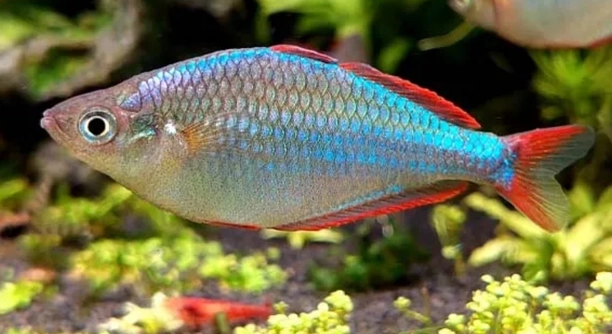
Rainbow fish are known for their vibrant colors and active behavior. Observing their movements can reveal a lot about their environment. Many people wonder if these fish can sense vibrations within their tank, as this could affect their behavior and health.
Rainbow fish can indeed detect vibrations in their tank. They possess sensitive lateral lines that help them sense changes in water movement, allowing them to respond to various environmental cues. These vibrations can be a crucial part of their behavior.
Understanding how rainbow fish respond to vibrations can help you create a better environment for them. This knowledge ensures their well-being and offers insights into their fascinating behavior patterns.
How Rainbow Fish Detect Vibrations
Rainbow fish are equipped with a lateral line system, which helps them sense vibrations and changes in water movement. This system allows them to detect even the smallest shifts in their environment, whether caused by other fish, changes in water flow, or nearby activity. The lateral line consists of a series of sensory organs along the fish’s body, which detect pressure changes. This gives the rainbow fish a keen awareness of their surroundings, making it easier for them to navigate through the water and avoid predators. Understanding how these fish use their lateral line can provide insights into how they respond to different stimuli and thrive in their aquatic habitat.
The ability to detect vibrations helps rainbow fish feel more secure in their tank. It allows them to quickly adapt to any disturbances or changes in their environment, such as new additions to the tank or shifts in water flow.
In addition to detecting vibrations, rainbow fish use their sharp sense of hearing and vision to identify their surroundings. These combined senses help them react to food sources, recognize potential dangers, and interact with other fish. They rely on these sensory abilities to establish territory and avoid aggressive encounters. With a well-maintained tank, their sensitivity to vibrations can be fully supported, allowing them to thrive in a stable environment. Rainbow fish often respond to environmental changes, such as the presence of a filter or air pump, which produces vibrations in the water. By maintaining steady water conditions, you can ensure that these sensory abilities function optimally, keeping the fish healthy and active.
Environmental Impact on Vibration Sensitivity
Environmental factors can influence how sensitive rainbow fish are to vibrations. The type of tank setup, water temperature, and the presence of other fish can all impact their ability to detect subtle changes in water flow.
A properly set-up tank ensures that the fish are comfortable and can fully utilize their lateral line system. Consistent water conditions, along with the absence of unnecessary disturbances, are key to supporting their natural behavior and sensory responses.
Vibrations and Tank Setup
The setup of your tank can significantly affect how rainbow fish perceive vibrations. Vibrations are influenced by factors such as water flow, decorations, and equipment like filters or air pumps. Ensuring your tank has a balanced flow of water helps maintain optimal vibration detection.
Proper water movement, provided by a gentle filter or air pump, can mimic natural currents that rainbow fish encounter in the wild. These fish thrive in environments with moderate water flow, allowing them to detect vibrations while still being able to move easily. Too strong of a current can cause stress, while too little movement may impair their sensory response. Consider positioning the filter in a way that doesn’t create excessive turbulence in one area, which could overwhelm the fish.
Aquascaping also plays a role. Decorations or plants can alter water movement patterns, creating spots where vibrations may be more intense or weaker. These changes can affect how the fish respond to their environment. Placing larger decorations or plants strategically can provide shelter, but avoid overcrowding the tank. This way, the fish can still sense subtle vibrations from different directions.
Effects of Overcrowding on Vibration Detection
Overcrowding can negatively impact a rainbow fish’s ability to detect vibrations. When too many fish occupy the same space, they may create competing currents or block the transmission of vibrations through the water.
Fish that are too close to each other can disrupt the subtle vibrations they rely on for communication and environmental awareness. This can lead to confusion or stress among the fish, reducing their ability to react to threats. Maintaining an appropriate fish-to-tank ratio allows each fish to benefit from the full sensory experience. Ensuring they have ample space to move helps support their natural instincts and behavior.
How Tank Maintenance Affects Vibration Sensitivity
Regular tank maintenance ensures that rainbow fish can fully utilize their lateral line system. Cleaning the tank, changing water, and checking equipment helps maintain stable conditions, which are crucial for detecting vibrations. Poor water quality or a malfunctioning filter can disrupt vibration transmission.
A dirty tank or equipment failure can affect the water flow and create uneven currents. This can prevent the rainbow fish from sensing vibrations accurately. Keeping the tank clean and ensuring all equipment is functioning properly helps maintain the balance needed for optimal vibration detection. Proper maintenance supports their health and behavior.
Water Temperature and Vibration Perception
Water temperature can also impact how rainbow fish detect vibrations. Fish are sensitive to temperature changes, and fluctuations can affect their sensory abilities. Keeping the water temperature within an ideal range enhances their ability to react to vibrations.
Consistent, stable water temperature helps the fish maintain their natural rhythm and sensory sensitivity. Avoid drastic changes in temperature, as this can lead to stress and impact their ability to detect vibrations. Regularly monitor the water temperature to ensure it stays within the range that supports their health and sensory functions.
FAQ
Can rainbow fish feel vibrations from their tank environment?
Yes, rainbow fish can detect vibrations through their lateral line system. This system allows them to sense water movements and pressure changes. The lateral line, which runs along the sides of their bodies, picks up subtle vibrations from the environment, such as changes in water flow or movement caused by nearby fish. This ability is essential for navigating through the water and avoiding predators.
How do rainbow fish use their lateral line to detect vibrations?
Rainbow fish use their lateral line to detect vibrations by sensing pressure changes in the water. The lateral line consists of sensory cells located along the fish’s body, which are sensitive to water movement. When vibrations pass through the water, these sensory cells detect the changes in pressure and send signals to the fish’s brain. This allows the fish to respond to movements around them, whether it’s the presence of other fish, the movement of water caused by equipment, or even predators approaching.
Does water temperature affect a rainbow fish’s ability to sense vibrations?
Yes, water temperature plays a role in the sensitivity of rainbow fish’s vibration detection. When the water temperature is within their preferred range, their lateral line system functions optimally, allowing them to detect vibrations more effectively. However, if the water is too cold or too warm, it can affect their sensory system and overall health, potentially making them less responsive to vibrations. Keeping the water temperature stable is important to maintain their natural behaviors.
Can rainbow fish sense vibrations caused by tank equipment like filters or air pumps?
Rainbow fish can sense vibrations from tank equipment such as filters, air pumps, and water heaters. These devices create water movement, which the fish detect through their lateral line. This is a natural part of their behavior in an aquarium. However, excessive vibrations from strong currents can stress the fish, so it’s important to ensure that equipment is functioning properly and doesn’t create too much turbulence.
How does overcrowding affect a rainbow fish’s ability to detect vibrations?
Overcrowding can reduce a rainbow fish’s ability to sense vibrations effectively. When too many fish are in a tank, their movements can disrupt the flow of water and interfere with the transmission of vibrations. This can cause stress and confusion among the fish, as they rely on these vibrations to navigate their environment. Keeping the tank at a proper fish-to-tank ratio ensures that each fish has enough space to detect vibrations without interference.
Are rainbow fish affected by vibrations from human activity around the tank?
Rainbow fish can be affected by vibrations caused by human activity around the tank. Activities such as tapping on the glass, moving objects near the tank, or even loud noises can create vibrations that the fish detect through their lateral line. While fish are generally adaptable, consistent disturbances can cause stress and alter their behavior. It’s best to avoid frequent disruptions and maintain a peaceful environment for the fish.
Can rainbow fish detect vibrations from other fish in the tank?
Yes, rainbow fish can detect vibrations from other fish in the tank. Fish communicate with each other through subtle movements in the water, which can be detected by others using their lateral lines. This is especially important for interactions like schooling, where the fish need to stay coordinated. By sensing the vibrations of their tankmates, rainbow fish can move in sync and avoid collisions, ensuring smoother interactions within the group.
Do rainbow fish use vibrations to locate food?
Rainbow fish use vibrations to help locate food in their environment. When food is added to the tank, the movement of the food particles in the water creates vibrations that the fish detect. This helps them identify the presence of food and react quickly. Vibrations from food can also attract the fish’s attention, guiding them towards feeding areas.
How do water flow and current affect the way rainbow fish detect vibrations?
Water flow and current can significantly affect how rainbow fish detect vibrations. Moderate water movement helps enhance the fish’s ability to sense subtle vibrations. Strong currents can interfere with vibration detection and may cause stress, while stagnant water can make it harder for the fish to pick up vibrations. A balance in water movement is essential for their comfort and sensory awareness.
Can rainbow fish detect vibrations caused by predators?
Rainbow fish are capable of detecting vibrations caused by predators. Their lateral line system helps them sense any disturbances in the water, such as changes caused by the movement of larger animals. This ability allows them to detect threats and respond quickly by swimming away or seeking shelter. The ability to sense vibrations is an important survival mechanism for them in the wild.
Are there any signs that rainbow fish are stressed due to vibration disturbances?
Signs of stress in rainbow fish can include erratic swimming patterns, hiding, loss of appetite, or unusual behavior. If the fish are constantly exposed to strong or disruptive vibrations, they may become stressed or agitated. Ensuring the tank is set up with minimal disturbance and stable water flow can help prevent this type of stress and support the health of the fish.
How can I minimize vibration disturbances for my rainbow fish?
To minimize vibration disturbances, ensure that your tank equipment, such as filters and air pumps, is not causing excessive water movement. Choose equipment that creates gentle currents and place them strategically to avoid concentrated turbulence in one area. Avoid tapping on the glass or creating loud noises near the tank, as this can also affect the fish’s ability to sense vibrations. Regular maintenance, such as cleaning the filter and ensuring proper water flow, will also contribute to a peaceful tank environment.
Is it important to monitor water quality for vibration sensitivity?
Yes, water quality plays a crucial role in vibration sensitivity. Poor water quality can interfere with the fish’s sensory abilities and overall health. Dirty water or incorrect pH levels can lead to stress, which might impact the function of their lateral line system. Regular water changes, proper filtration, and monitoring of parameters like pH, ammonia, and nitrite levels help ensure that rainbow fish remain sensitive to vibrations and thrive in their environment.
Final Thoughts
Rainbow fish rely on their lateral line system to detect vibrations in their environment. This system is essential for their survival, allowing them to sense changes in water movement caused by predators, tank equipment, and even other fish. By understanding how these vibrations affect their behavior, we can create a more comfortable and healthy environment for them. Ensuring that water conditions are stable and maintaining proper tank equipment will help support their natural instincts and promote well-being.
The ability of rainbow fish to detect vibrations is influenced by several factors, including water quality, tank maintenance, and temperature. Regular cleaning of the tank, checking equipment, and monitoring water parameters are all vital steps in keeping the fish’s sensory system functioning properly. Overcrowding and poor water conditions can interfere with their ability to sense vibrations, leading to stress and disorientation. Maintaining a balance in the tank environment is key to preserving their health and happiness.
In conclusion, understanding how rainbow fish detect and respond to vibrations is crucial for their care. Creating a stable environment where they can thrive will enhance their ability to interact with their surroundings and each other. A clean tank with minimal disturbances, proper temperature, and healthy water quality will support their natural behavior and improve their quality of life. By paying attention to these factors, we ensure that rainbow fish can live in a space that mimics their natural habitat and allows them to thrive.

Hello,
If you enjoy the content that we create, please consider saying a "Thank You!" by leaving a tip.
Every little bit helps us continue crafting quality advice that supports the health, happiness, and well-being of pets around the world, for pets of all shapes, sizes, and species.
We really appreciate the kindness and support that you show us!